


Water damage in Troy Hills, NJ is a serious issue that can affect homes and businesses, especially during heavy rains, plumbing failures, or flooding. Understanding how different building materials respond to water exposure is crucial for effective restoration and prevention. Some materials can quickly deteriorate, while others may withstand moisture for longer periods. This article explores how water damage affects various building materials and what homeowners and property managers can do to minimize damage.
1. Wood and Water Damage
Wood is one of the most common building materials used in framing, flooring, and furniture. Unfortunately, it is also highly susceptible to water damage. When exposed to moisture:
- Swelling and Warping: Wood absorbs water, causing it to expand and warp. This can lead to structural instability.
- Rot and Decay: Prolonged exposure can cause wood to rot, making it weak and brittle.
- Mold Growth: Damp wood is a prime breeding ground for mold and mildew, which can cause health issues and further damage.
Prevention and Repair:
- Seal wood surfaces with waterproof coatings or finishes.
- Use dehumidifiers and proper ventilation to reduce moisture.
- Replace rotted or severely warped wood to maintain structural integrity.
2. Drywall and Plaster Damage
Drywall and plaster are widely used for interior walls and ceilings. These materials can absorb water quickly, leading to:
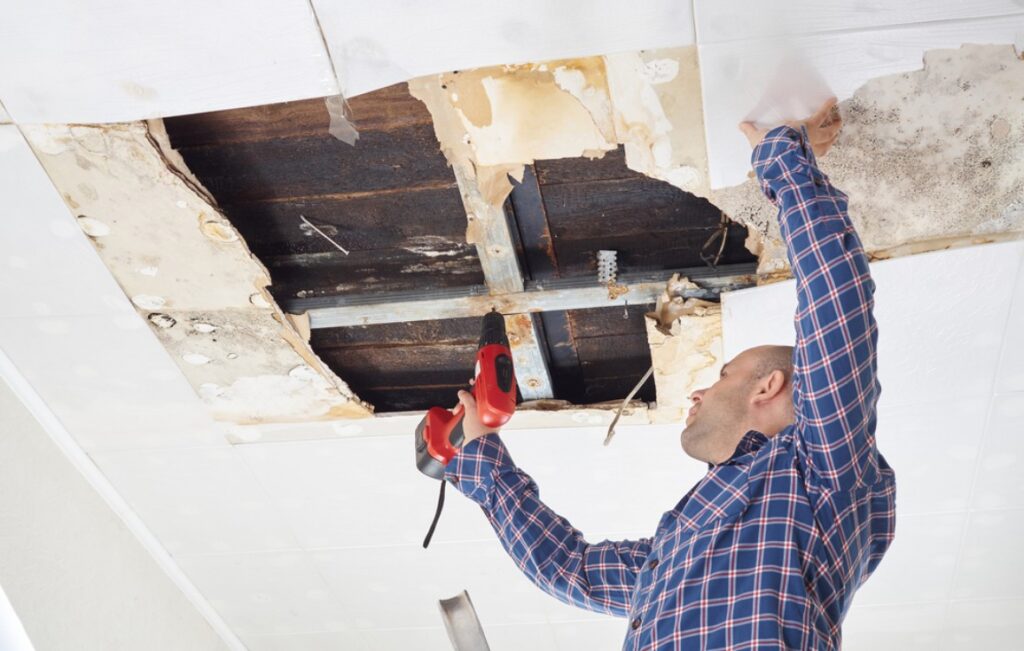
- Softening and Crumbling: Water weakens drywall, causing it to become soft, sag, or crumble.
- Discoloration and Staining: Yellow or brown water stains are common signs of damage.
- Mold Growth: Since drywall is porous, it provides an ideal environment for mold.
Prevention and Repair:
- Install moisture-resistant drywall in high-risk areas like basements and bathrooms.
- Cut out and replace water-damaged drywall sections.
- Use mold-resistant primers and paints to protect walls.
3. Flooring Materials and Water Damage
Different types of flooring react differently to water exposure:
Carpet
Carpet and padding can quickly absorb water, leading to:
- Mold and Mildew Growth: Damp carpets are a health hazard if not dried properly.
- Odors and Discoloration: Water-damaged carpets often develop foul smells and stains.
Prevention and Repair:
- Extract water immediately and use fans or dehumidifiers to dry the carpet.
- In severe cases, replace waterlogged carpet and padding.
Hardwood Floors
Hardwood flooring is durable but can suffer from:
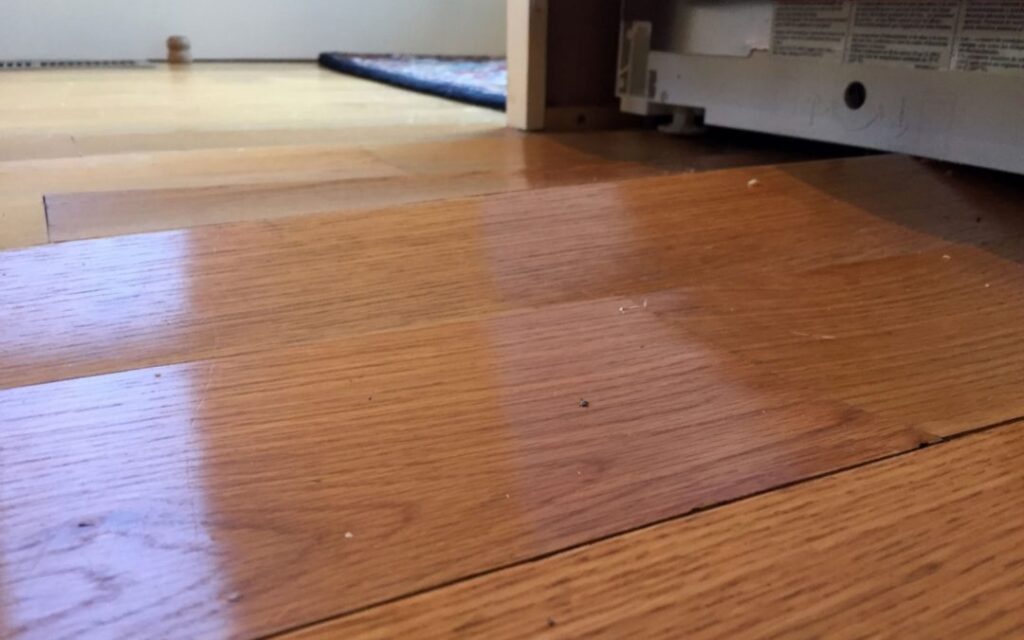
- Warping and Buckling: Excessive moisture causes wood planks to swell and lift.
- Cupping or Crowning: Uneven expansion leads to deformities in the floorboards.
Prevention and Repair:
- Apply sealants and finishers to protect wood flooring.
- Use moisture barriers under hardwood installations.
- If damage is minimal, sanding and refinishing may restore the floor.
Tile and Vinyl
Tile and vinyl are more resistant to water, but they are not immune to damage:
- Grout and Adhesive Breakdown: Water can weaken grout and adhesive, causing tiles to loosen.
- Mold Growth Under Flooring: Water trapped underneath tiles can foster mold growth.
Prevention and Repair:
- Ensure proper sealing of grout lines.
- Check for loose tiles and replace damaged adhesive.
4. Concrete and Masonry Damage
Concrete, brick, and stone are durable but can still suffer from water damage:
- Cracking and Erosion: Water can penetrate porous masonry, leading to cracks and weakening over time.
- Efflorescence: White mineral deposits appear when water evaporates, indicating moisture intrusion.
- Freeze-Thaw Damage: In colder climates, water trapped in concrete can expand when frozen, causing fractures.
Prevention and Repair:
- Apply waterproof sealants to concrete and masonry surfaces.
- Ensure proper drainage systems around foundations to reduce water exposure.
- Repair cracks promptly to prevent further deterioration.
5. Insulation and Water Damage
Insulation materials, such as fiberglass and cellulose, are essential for energy efficiency, but water exposure can reduce their effectiveness:
- Loss of R-Value: Wet insulation loses its ability to trap heat, making homes less energy-efficient.
- Mold and Mildew Growth: Damp insulation provides an ideal environment for mold.
- Structural Damage: Waterlogged insulation can contribute to wall and ceiling damage.
Prevention and Repair:
- Use closed-cell spray foam insulation, which is more resistant to water.
- Replace wet insulation promptly to prevent mold growth and loss of efficiency.
6. Metal and Water Damage
Metal is often used in plumbing, structural supports, and roofing, but it is still vulnerable to:
- Rust and Corrosion: Prolonged water exposure can cause metal components to weaken and deteriorate.
- Structural Instability: Rust can compromise the strength of metal beams and fasteners.
Prevention and Repair:
- Use corrosion-resistant materials like stainless steel or galvanized metal.
- Apply rust inhibitors and sealants to exposed metal surfaces.
- Replace severely corroded metal components to maintain safety.
Conclusion
Water damage in Troy Hills, NJ can have severe consequences on various building materials, from wood and drywall to concrete and metal. Homeowners and property managers in Troy Hills, NJ, should take proactive steps to protect their properties from moisture-related damage. Regular maintenance, proper drainage, and quick response to leaks or flooding can help preserve structural integrity and prevent costly repairs. If you experience significant water damage, consulting a professional restoration company can ensure proper assessment and repair, keeping your home or business safe for years to come.