


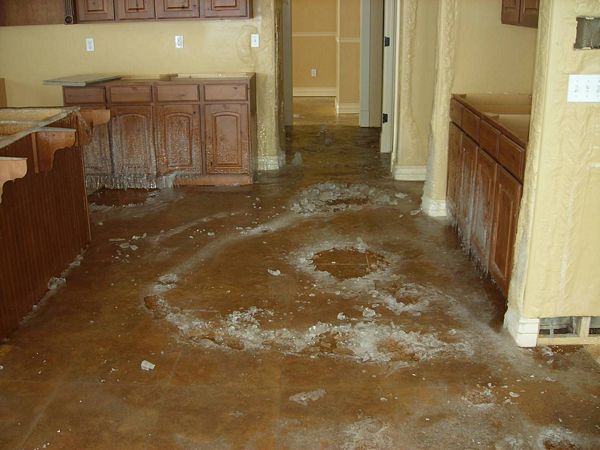
Water damage in Troy Hills, NJ can strike homes and businesses, due to various causes such as heavy rainfall, plumbing leaks, or flooding. When water infiltrates a property, immediate action is crucial to prevent structural damage, mold growth, and other costly repairs. One of the most critical steps in water damage restoration is water extraction—the process of removing standing water and moisture to restore a property to its pre-loss condition.
In this blog, we’ll explore the different water extraction techniques used by professionals in Troy Hills, NJ, and why each method is essential in mitigating water damage effectively.
Why Water Extraction Is Crucial
Water extraction is the first and most vital step in the restoration process. The longer water sits in your home or business, the more damage it can cause. Standing water can seep into flooring, walls, and furniture, leading to structural weakening, mold growth, and health hazards. Proper extraction techniques help:
- Prevent mold and mildew growth.
- Minimize structural damage.
- Speed up the drying process.
- Reduce repair and replacement costs.
Whether dealing with a minor plumbing leak or significant flooding, professional water extraction ensures a thorough and effective restoration.
Key Water Extraction Techniques
Professional water damage restoration companies in Troy Hills, NJ, use a variety of water extraction techniques depending on the severity of the water damage, the type of materials affected, and the source of the water. Here are some of the most commonly used techniques:
1. Water Pumps and Vacuums
For large-scale flooding or significant water accumulation, high-powered water pumps and vacuums are the go-to solution.
Types of Equipment Used:
- Submersible Pumps: These pumps are ideal for removing large amounts of standing water, such as in basements or crawl spaces.
- Wet/Dry Vacuums: Used for smaller water accumulations, these vacuums can efficiently extract water from carpets, flooring, and upholstery.
- Truck-Mounted Extraction Units: Often used for large commercial properties, these powerful systems can remove thousands of gallons of water quickly.
Best For:
- Flooded basements.
- Severe water intrusion from storms.
- Burst pipe incidents.
2. Weighted Extraction Tools
Weighted extraction tools are commonly used on carpets and padding to remove deep-seated moisture. These devices use the weight of the technician to push water out of soft materials, allowing powerful vacuums to extract the moisture effectively.
Best For:
- Carpeted areas with water saturation.
- Reducing the need for complete carpet removal.
3. Dehumidification and Air Movers
Once standing water is extracted, the next step is moisture removal from the air and structural components. High-capacity dehumidifiers and industrial-grade air movers accelerate the drying process by enhancing airflow and pulling moisture from walls, ceilings, and flooring.
Types of Dehumidifiers:
- Refrigerant Dehumidifiers: These units cool the air to condense moisture, making them ideal for warm and humid environments.
- Desiccant Dehumidifiers: Using silica gel to absorb moisture, these are particularly effective in colder climates like Troy Hills, NJ, where temperatures may drop significantly.
Best For:
- Removing excess humidity after extraction.
- Preventing secondary damage such as mold growth.
4. Infrared Moisture Detection
Professional water extraction specialists use advanced infrared cameras to detect hidden moisture pockets that are not visible to the naked eye. These tools help locate water trapped inside walls, ceilings, and floors, ensuring a thorough drying process.
Best For:
- Locating hidden leaks in walls.
- Assessing water damage behind drywall and ceilings.
- Ensuring no moisture is left behind.
5. Absorbent Materials and Extraction Pads
In some cases, specialized absorbent materials and extraction pads are used to pull moisture from hardwood floors, walls, and other porous surfaces. These materials help prevent warping, buckling, and mold development.
Best For:
- Hardwood flooring.
- Furniture and upholstery drying.
- Delicate surfaces requiring gentle extraction.
Choosing the Right Water Extraction Service in Troy Hills, NJ
Selecting a professional water damage restoration company with experience in water extraction is crucial to minimizing damage and restoring your property efficiently. Look for a company that offers:
- 24/7 Emergency Services: Water damage can happen anytime, and immediate response is essential.
- Certified Technicians: Ensure the team is trained and certified by organizations like the Institute of Inspection, Cleaning, and Restoration Certification (IICRC).
- Advanced Equipment: The right tools and techniques can make a significant difference in recovery time.
- Comprehensive Restoration Services: Beyond water extraction, a company should offer drying, mold prevention, and repairs.
Preventing Water Damage in the Future
While professional extraction is essential after an incident, taking proactive steps can help prevent water damage in your Troy Hills, NJ home or business. Consider the following measures:
- Regularly inspect and maintain plumbing systems.
- Ensure gutters and downspouts are free of debris to prevent overflow.
- Seal windows, doors, and foundation cracks to prevent water intrusion.
- Install a sump pump in basements to handle excessive water buildup.
Conclusion
Understanding water extraction techniques is vital for homeowners and business owners, facing water damage in Troy Hills, NJ. Whether it’s a minor leak or a major flood, knowing how professionals tackle the situation can help you make informed decisions and act quickly. Proper water extraction not only prevents costly repairs but also ensures the safety and longevity of your property.
If you’re dealing with water damage, don’t hesitate to seek professional help. Quick and efficient water extraction is key to minimizing damage and restoring your home or business to its original condition.