 PuroClean of Plantation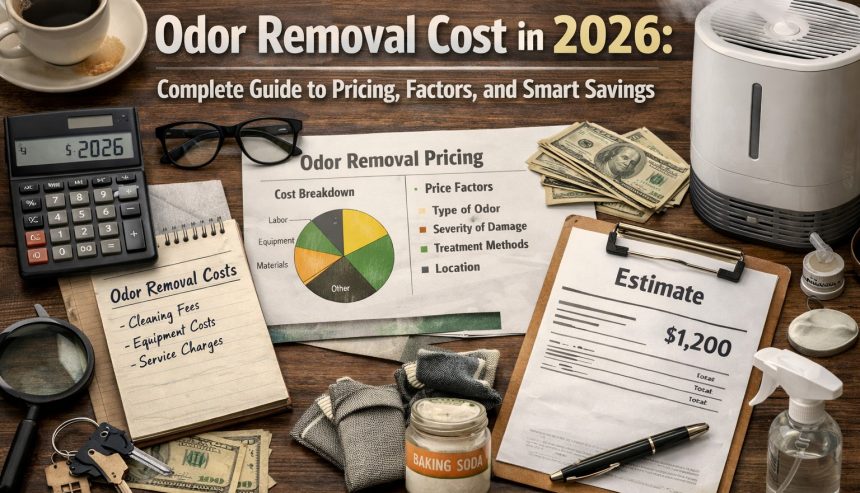
Table of Contents
Odor Removal Cost: What Homeowners Need to Know in 2026
Unpleasant odors in your home or business are more than just a nuisance. They often signal deeper issues such as moisture damage, mold growth, smoke residue, or biohazard contamination. Understanding odor removal cost is essential for making informed decisions and protecting your property value.
In 2026, advancements in restoration technology and stricter indoor air quality standards have influenced pricing structures. Whether you are dealing with pet odors, cigarette smoke, or water damage related smells, knowing what drives costs will help you budget effectively and avoid unnecessary expenses.
What Is Included in Odor Removal Services
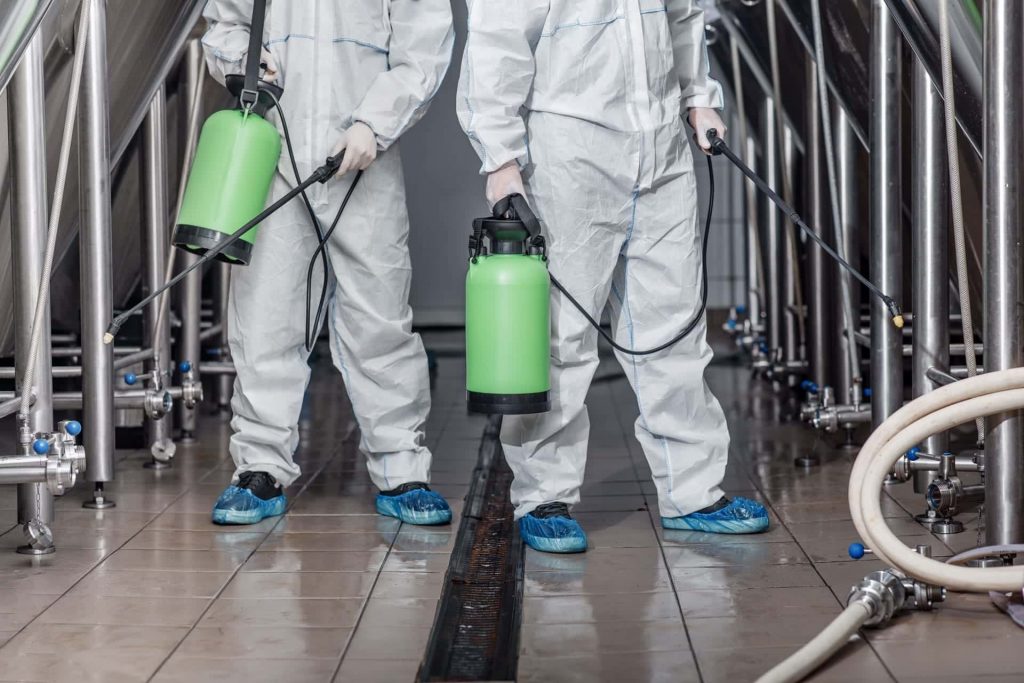
Professional odor removal is a multi step process that goes far beyond simply masking smells. It involves identifying the source, removing contaminants, and restoring clean indoor air.
Typical services include:
- Inspection and odor source identification
- Air quality testing and moisture detection
- Removal of contaminated materials
- Deep cleaning and sanitization
- Advanced deodorization techniques such as ozone or hydroxyl treatment
- HVAC system cleaning if needed
These steps directly impact the overall removal cost, especially when structural materials are affected.
Odor Removal Cost in 2026: Average Pricing Breakdown
The average odor removal cost varies depending on severity, property size, and the type of odor involved. Here is a general breakdown:
- Minor odor treatment: $150 to $500
- Moderate odor issues: $500 to $2,000
- Severe contamination: $2,000 to $10,000 or more
For whole home treatments involving smoke or mold, the odor removal cost can increase significantly due to labor, equipment, and material removal.
Key Factors That Influence Odor Removal Cost
1. Source of the Odor
Different odor types require different treatments:
- Smoke odors often penetrate walls and fabrics
- Mold odors indicate moisture problems and possible structural damage
- Pet odors may seep into flooring and subflooring
- Sewage odors involve hazardous contamination
Each source directly affects odor removal cost due to complexity.
2. Size of the Affected Area
Larger spaces require more time, labor, and equipment. Treating a single room is far less expensive than deodorizing an entire building.
3. Severity of Contamination
Light odors can often be resolved with surface cleaning. Deep embedded odors require specialized equipment and possibly demolition, increasing odor removal cost.
4. Equipment and Technology Used
Advanced deodorization methods include:
- Ozone generators
- Hydroxyl machines
- Thermal fogging
- HEPA air scrubbers
These technologies are highly effective but can increase odor removal cost depending on duration and usage.
5. Material Removal and Replacement
If carpets, drywall, or insulation are contaminated, they may need to be removed and replaced. This significantly raises the odor removal cost.
Odor Removal Cost for Different Types of Odors
Understanding how pricing varies by odor type helps set realistic expectations.
Smoke Odor Removal
Smoke particles embed deeply into porous materials. Professional treatment often includes thermal fogging and ozone treatment.
Average odor removal cost: $1,000 to $6,000
Mold Odor Removal
Mold odors indicate microbial growth and moisture issues. Remediation is required before deodorization.
Average odor removal cost: $500 to $5,000
According to the Environmental Protection Agency, mold should always be removed at the source to prevent recurring odors.
Pet Odor Removal
Pet urine can penetrate carpets and subfloors. Enzyme treatments and material replacement are often necessary.
Average odor removal cost: $200 to $3,000
Sewage Odor Removal
Sewage odors involve bacteria and health risks. Cleanup requires protective measures and deep sanitization.
Average odor removal cost: $2,000 to $10,000+
DIY vs Professional Odor Removal
Many homeowners attempt DIY solutions before calling professionals. While this can work for minor odors, it is often ineffective for deep contamination.
DIY Methods
- Baking soda and vinegar
- Air fresheners
- Steam cleaning
These solutions may temporarily reduce odors but rarely eliminate the source. This can lead to higher odor removal cost later when the issue worsens.
Professional Services
Professional restoration companies use specialized tools and proven methods to fully eliminate odors at the source. This ensures long term results and better indoor air quality.
Hidden Costs to Watch For
When estimating odor cost, many homeowners overlook additional expenses such as:
- Structural repairs
- Mold remediation
- HVAC cleaning
- Temporary relocation during treatment
Being aware of these factors helps avoid surprises during the restoration process.
How to Reduce Odor Removal Cost
There are several ways to keep your expenses under control:
Act Quickly
The longer an odor persists, the deeper it penetrates materials. Early intervention reduces odor removal cost significantly.
Address Moisture Issues
Many odors are caused by water damage. Fixing leaks and improving ventilation prevents recurring problems.
Regular Maintenance
Routine cleaning and inspections help detect issues early and minimize the need for extensive treatments.
Work With Certified Professionals
Hiring experienced restoration experts ensures the job is done correctly the first time, avoiding repeat costs.
Why Professional Assessment Matters
Every odor problem is unique. A professional assessment identifies the root cause and determines the most effective treatment plan.
Companies like PuroClean use advanced moisture detection and air quality testing to accurately estimate odor removal cost and deliver long lasting results.
Residential vs Commercial Odor Removal Cost
Residential Properties
Costs are generally lower due to smaller spaces and less complex systems.
Commercial Properties
Larger square footage, HVAC systems, and compliance requirements can increase odor removal cost significantly.
Businesses must also consider downtime and lost revenue during treatment.
Insurance and Odor Removal
In some cases, homeowners insurance may cover odor removal if it is caused by a covered event such as:
- Fire damage
- Water damage from burst pipes
- Storm related issues
Always review your policy and consult your provider to determine eligibility.
Future Trends Affecting Odor Removal Cost
In 2026, several trends are shaping the industry:
- Increased use of eco friendly deodorization methods
- Advanced air purification technology
- Stricter indoor air quality standards
- Faster detection tools using AI and sensors
These innovations improve effectiveness but may influence odor removal cost depending on the method used.
Final Thoughts
Understanding odor removal cost empowers homeowners and property managers to make smarter decisions. From identifying the source to choosing the right professionals, every step plays a role in achieving a clean and healthy indoor environment.
Ignoring odors can lead to more serious problems including structural damage and health risks. Taking action early is always the most cost effective solution.
Call to Action
If you are dealing with persistent odors in your home or business, do not wait for the problem to worsen. The experts at PuroClean of Plantation provide fast, reliable odor removal services backed by advanced technology and proven results.
Call (954) 477-7007 today for a professional assessment and take the first step toward a fresh, clean space.
Instagram | Facebook | Twitter(X) | Linkedin
 PuroClean of Plantation