 PuroClean of Plantation
Table of Contents
If you have been searching for mold remediation near me in Plantation, FL, the seven signs you need professional help are: a persistent musty odor, visible mold spots of any color, unexplained allergy or respiratory symptoms, water stains or discoloration on walls and ceilings, peeling paint or warped surfaces, recurring mold that keeps returning after you clean it, and a history of recent flooding or water damage. Any one of these signs warrants a call to a certified remediation specialist, because South Florida’s heat and humidity allow mold to spread in as little as 24 to 48 hours.
Why Mold Is a Bigger Problem in Plantation, FL Than Most Places

Mold is a problem in every state, but Florida is in a league of its own.
Florida ranks second only to Louisiana for homes most likely to develop a mold problem. According to data cited by the Florida Department of Health, the state sees an estimated 264,000 mold-related homeowner insurance claims in a single year ; representing over 20% of all home insurance claims statewide. That is not a coincidence.
Plantation sits in Broward County, where the subtropical climate means outdoor humidity routinely sits between 75 and 90 percent. Mold spores are always present in the air ; indoors and out. The problem is not the spores themselves. The problem is what happens when those spores land on a damp surface and have nothing stopping them.
According to the Florida Department of Health, mold can begin colonizing any wet surface within just 24 to 48 hours. Wood, drywall, carpet backing, ceiling tiles, upholstery ; all of these are fair game. And in a climate that never truly dries out between June and October, even a small, unaddressed leak can spiral into a full remediation project.
If you have been typing “mold remediation near me” into your phone, your instincts are probably right. Here are the seven signs to take seriously.
Sign 1 ; That Musty Smell That Will Not Go Away
You clean the house, you light a candle, you open the windows ; and it still comes back.
That persistent, damp, earthy odor ; the one that reminds you of wet soil or an old library book ; is one of the most reliable early indicators of hidden mold growth. It tends to concentrate near closets, under sinks, around bathroom fixtures, and in laundry rooms. Most homeowners notice it in one specific area but cannot find the source.
Here is why that matters: if you can smell mold but cannot see it, the colony is almost certainly growing inside a wall cavity, beneath flooring, behind cabinetry, or in your HVAC ductwork. By the time it becomes visible, it has already been releasing spores into your air for weeks, sometimes months.
Do not mask the smell. Investigate it.
Sign 2 ; Visible Spots on Your Walls, Ceilings, or Floors
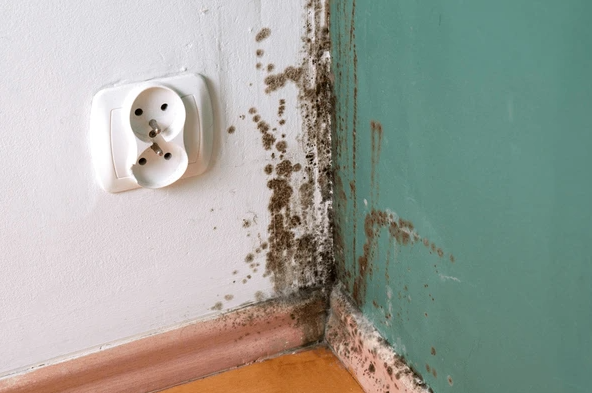
Mold does not always look like the dramatic black patches you see in news reports.
It can appear as small white flecks, gray smudges, green fuzz, or yellowish staining. Common places to check include: the corners of ceilings and walls where moisture accumulates, under sinks and around plumbing, behind furniture pushed against exterior walls, around window frames where condensation collects, and inside air vent covers.
The Florida Department of Health notes that visible mold growth can look cottony, velvety, rough, or leathery ; and can be white, gray, brown, black, yellow, or green depending on the species and the material it grows on.
One important thing to know: the color alone does not tell you how dangerous the mold is. All indoor mold growth should be treated with the same urgency regardless of type. That is the official guidance from both the Florida DOH and the CDC.
Do not use bleach on porous surfaces like drywall or wood. Despite what many people believe, bleach does not penetrate porous materials ; it may actually leave behind moisture that encourages regrowth.
Sign 3 ; Your Household Is Experiencing Unexplained Health Issues
This sign is the one families often dismiss for far too long.
When mold grows indoors, it releases microscopic spores and in some cases mycotoxins into the air you breathe every day. According to the Florida Department of Health, common health responses to mold exposure include sneezing, runny nose, red eyes, skin rashes, coughing, wheezing, and worsening asthma. People with existing allergies, compromised immune systems, children, and the elderly tend to feel the effects first.
What makes this tricky is that these symptoms mirror seasonal allergies or a common cold.
Here is the clue: if multiple people in your household feel worse indoors and better when they leave for work, school, or a weekend away ; that pattern is a strong signal. The air inside your home may be the problem.
Prolonged exposure to certain mold strains, including Stachybotrys chartarum (commonly called black mold), has been associated with chronic respiratory illness and more severe neurological symptoms. While not every exposure leads to serious outcomes, no level of indoor mold growth is considered safe or acceptable by public health standards.
Sign 4 ; Water Stains and Discoloration You Cannot Explain
A yellowish-brown ring on your ceiling. A faint dark shadow near the base of a wall. A stain that reappears even after you paint over it.
Water stains are one of the clearest indicators that moisture has been accumulating in a space long enough to leave a mark ; and wherever sustained moisture exists in Florida, mold follows. Roof leaks after a summer storm, slow plumbing drips behind walls, overflowing AC condensate drain pans, and poor drainage around your foundation are all common culprits in South Florida homes.
Painting over water stains without addressing the moisture source is a temporary fix that almost always makes things worse. The mold continues growing beneath the new paint, and the stain will return.
If you have unexplained water stains, the question is not whether mold is present. The question is how much.
Sign 5 ; Peeling Paint, Bubbling Wallpaper, or Warped Surfaces
When moisture accumulates behind a surface ; inside a wall cavity, beneath a floor, under tile ; the surface material begins to react.
Paint peels. Wallpaper bubbles and separates. Wood floors warp or buckle. Drywall develops soft spots. These are not cosmetic issues ; they are structural warnings that moisture has been sitting long enough to affect the integrity of your building materials.
In Florida homes specifically, north-facing exterior walls are particularly vulnerable because temperature differentials between warm outdoor air and cooler interior surfaces cause condensation to form inside the wall cavity where you cannot see or feel it.
If you are noticing these physical changes in your walls, floors, or ceilings, mold remediation near me should be your next Google search ; and your next phone call.
Sign 6 ; Mold Keeps Coming Back After You Clean It
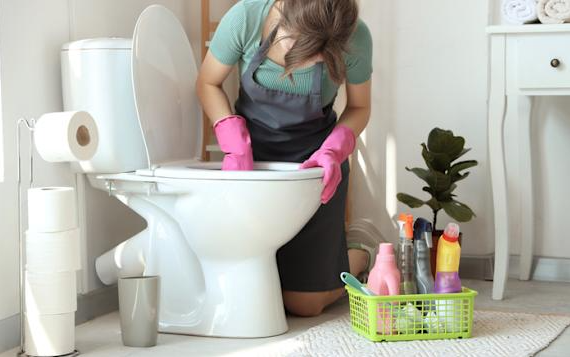
If you have cleaned the same moldy patch more than once and it keeps returning, you are dealing with a root cause problem ; not a surface problem.
Recurring mold growth almost always means one of two things: the moisture source was never fully identified and corrected, or the initial cleaning did not remove all of the mold colony. Surface-level cleaning products can eliminate visible mold from a surface, but they do not reach mold that has penetrated porous materials like drywall, wood framing, or insulation.
Professional mold remediation goes beyond surface cleaning. It involves identifying and correcting the moisture source, containing the affected area to prevent cross-contamination, removing affected materials when necessary, HEPA vacuuming and antimicrobial treatment of all surfaces, and post-remediation air quality testing to verify clearance.
If the cycle keeps repeating, the solution is not more cleaning product. It is a certified professional who can find what you cannot see.
Sign 7 ; Recent Flooding or Unresolved Water Damage
This one is straightforward: water damage and mold are directly connected.
The U.S. Environmental Protection Agency is clear on this point ; if wet materials are not dried within 24 to 48 hours, mold will almost certainly grow. In Florida, where ambient humidity is already high and temperatures keep wet materials warm, that window may be even shorter.
If your home has experienced flooding, a burst pipe, a slow leak that went undetected, storm-related water intrusion, or even a severe HVAC condensate overflow ; and professional drying was not completed within that 48-hour window ; mold remediation should be considered a likely next step, not just a possibility.
You can read more about what to do immediately after flooding in our guide: What to Do After Flooding in Your Home.
What Certified Mold Remediation Actually Involves
Many homeowners picture mold remediation as someone spraying bleach and wiping down a wall. The reality is a structured, multi-phase process that follows IICRC S520 standards.
Here is what a legitimate mold remediation near me engagement should look like:
Phase 1 ; Inspection and Assessment. A licensed mold assessor evaluates the affected area, identifies the moisture source, and maps the extent of contamination. In Florida, state law separates the roles of mold assessor and mold remediator to protect homeowners from conflicts of interest.
Phase 2 ; Containment. Affected areas are sealed off using physical barriers and negative air pressure systems to prevent spores from traveling to unaffected parts of the home during removal.
Phase 3 ; Removal and Treatment. Contaminated materials that cannot be adequately cleaned (drywall, insulation, carpet padding, wood framing) are carefully removed and disposed of. Salvageable surfaces are treated with HEPA vacuuming and EPA-registered antimicrobial agents.
Phase 4 ; Drying and Dehumidification. The moisture source is addressed, and industrial-grade drying equipment is used to bring affected materials to acceptable moisture content levels.
Phase 5 ; Restoration. Removed materials are replaced and the space is restored to pre-damage condition.
Phase 6 ; Post-Remediation Verification. Air quality is retested by an independent assessor to confirm the mold problem has been resolved and the space is safe for occupancy.
At PuroClean of Plantation, this process is delivered by IICRC-certified technicians who understand the specific challenges South Florida’s climate creates for remediation and long-term prevention. If you have experienced water damage recently, our water damage restoration resources can help you understand the connection between water events and mold development.
DIY vs. Professional Mold Remediation ; What You Should Know
The EPA provides a general guideline: if mold covers less than 10 square feet, a homeowner may be able to handle the cleanup safely, provided the moisture source is addressed and personal protective equipment is worn.
In Florida, that same 10 square foot threshold has legal significance. State licensing requirements for mold remediation apply to any work involving mold amplification greater than 10 square feet. This means that any project beyond a small, isolated area requires a licensed professional.
Beyond legality, there is a practical reason to call in experts: mold that has penetrated porous materials cannot be cleaned from the surface alone. Bleach, despite its widespread use, does not remove mold from drywall or wood. It removes the color temporarily, but leaves behind spores and the moisture that feeds them. This is exactly why DIY attempts so often lead to recurring growth.
For HVAC-related mold ; a common problem in Florida homes where condensation from ductwork creates ideal growing conditions ; professional duct cleaning is the only safe option. Spreading spores through your ventilation system without proper containment can contaminate an entire home from a single source.
How to Choose the Right Mold Remediation Company Near You
When searching for mold remediation near me in Plantation, Lauderhill, Davie, or anywhere in Broward County, here is what to verify before signing anything:
Licensing. Florida requires separate licensing for mold assessors and mold remediators. Ask for license numbers and verify them through the Florida Department of Business and Professional Regulation.
Certification. IICRC certification in Applied Microbial Remediation (AMRT) is the industry gold standard. Technicians with this certification have been trained in mold identification, containment, and remediation protocol.
Insurance. Florida law requires mold remediation contractors to carry general liability, errors and omissions, and pollution coverage. Request proof before work begins.
Independent verification. A trustworthy company will not perform both the assessment and the remediation on the same property. Post-remediation air quality testing should be done by an independent assessor.
Transparency. A written scope of work, itemized estimate, and clear timeline should be provided before any remediation begins. Vague verbal quotes are a red flag.
PuroClean of Plantation serves homeowners and commercial property managers across Plantation, Fort Lauderdale, Hollywood, Davie, Wilton Manors, Dania Beach, Oakland Park, and throughout Broward County. Our team responds 24/7 and follows strict certification standards through our Certified Priority Response (CPR) Program ; designed to ensure fast, cost-effective results every time.
You can reach us at the emergency contact below or visit us at 200 Torchwood Ave, Plantation, FL 33324. Or get directions to our location.
Follow us on Instagram, Facebook, LinkedIn, and X (Twitter) for tips on mold prevention and home restoration.
Conclusion

Mold does not always announce itself loudly. Most of the time, it hides behind walls, under floors, and inside the systems that keep your home comfortable ; growing silently until someone gets sick or a surface gives way.
The seven signs covered in this guide are not meant to alarm you. They are meant to empower you to act early, because in South Florida, early action is the single biggest factor in keeping a manageable mold problem from becoming a serious and expensive one.
So here is the question worth sitting with: How long ago did you last have your home checked for moisture issues? If you cannot remember ; or if any of the signs above feel uncomfortably familiar ; it may be time to call a certified professional and find out what is actually going on behind your walls.
Your family’s health and your home’s integrity are worth knowing for certain.


 PuroClean of Plantation