 PuroClean of Plantation
Table of Contents
The mold removal cost Florida typically ranges from $1,500 to $6,000 for most residential projects in 2025 and 2026, with smaller isolated cases starting around $500 and large-scale or hidden mold infestations exceeding $10,000 in South Florida markets like Broward County. The exact price depends on five key factors: the size of the affected area, the location and accessibility of the mold, the type of mold present, the extent of structural damage that requires repair, and whether the mold originated from a covered insurance event. Understanding these factors before you call a contractor will protect you from overcharging and help you make a confident, informed decision.
Why Mold Removal Costs More in Florida Than Most States

Before we talk numbers, it helps to understand why Florida consistently falls on the higher end of national cost averages for mold remediation.
The state has the highest average annual temperature in the continental United States ; hovering just above 72 degrees Fahrenheit ; and receives nearly 56 inches of rainfall per year. Outdoor humidity regularly exceeds 80 percent during the summer months. That combination keeps indoor surfaces damp, keeps spores active, and gives mold colonies the warmth they need to grow and multiply faster than in virtually any other climate.
In South Florida specifically ; covering Miami-Dade, Broward, and Palm Beach counties ; mold removal costs tend to run between $3,000 and $10,000 or more for residential projects. This is notably higher than inland Florida averages, driven by urban labor rates, the frequency of storm and flood events, and the density of building structures that create more hidden growing environments.
Add in the regular threat of hurricane season, the near-constant need for air conditioning (which creates its own condensation-related moisture risks), and a housing stock with many older properties built before modern moisture-resistant materials were standard ; and you have a state where mold is not a rare emergency. It is an ongoing maintenance reality.
Understanding the mold removal cost Florida starts with knowing what is driving that cost in your specific situation.
Factor 1 ; The Size of the Affected Area
The single biggest driver of mold remediation cost is how much area is affected.
Professional remediation is generally priced by square footage. Industry data for Florida in 2025 and 2026 shows typical per-square-foot rates ranging from $10 to $30, with the higher end applying to more complex or contaminated situations. Here is how that breaks down in practice:
Small areas (under 10 sq ft): These are isolated patches ; a bathroom corner, around a window frame, under a sink. Costs typically range from $500 to $1,500. These can sometimes be handled without full containment, depending on the severity.
Medium infestations (10 to 100 sq ft): This covers a single room, a wall section, or a concentrated area following a localized water event. Expect costs in the range of $1,500 to $6,000, which is where most residential projects in Broward County fall.
Large or widespread contamination (100 sq ft or more): When mold has spread through multiple rooms, inside wall cavities, or throughout an HVAC system, costs can reach $10,000 to $25,000 or higher. These projects require multiple containment zones, extended drying periods, and often significant reconstruction.
Whole-home or structural infestations: The most severe cases ; particularly those following prolonged flooding or hurricane damage ; can exceed $25,000 and may require temporary relocation during remediation.
The important thing to understand is that size is not always visible. Mold inside wall cavities, under flooring, or in attic spaces can be extensive without showing a single spot on any surface you can see.
Factor 2 ; Where the Mold Is Located
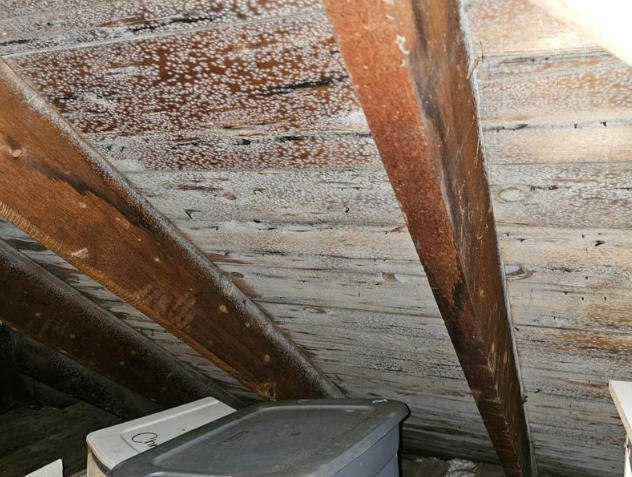
Location affects cost in two direct ways: accessibility and the complexity of containment.
Bathrooms and kitchens: These are the most common locations and tend to be the most straightforward to address. Surface mold here often runs $500 to $2,000, though costs increase significantly if mold has penetrated behind tiles, inside walls, or under cabinetry.
Attics: Attic mold is extremely common in Florida due to heat buildup, roof leaks during storm season, and inadequate ventilation. Costs typically range from $1,000 to $7,000, and often require insulation removal and ventilation improvements as part of the project.
HVAC systems and ductwork: Mold inside air conditioning systems is a serious issue in Florida specifically. Because the AC runs year-round, contaminated ductwork can spread spores through every room in the home simultaneously. HVAC mold remediation and professional duct cleaning typically add $500 to $3,000+ to a project cost depending on system size.
Crawl spaces: Crawl space remediation ranges from $500 to $3,000, with higher costs when full encapsulation is needed to prevent ground moisture from reintroducing the problem.
Inside walls and behind structural materials: When mold has colonized inside wall cavities, costs increase substantially because remediation requires demolition, removal of affected drywall and insulation, treatment, drying, and full reconstruction.
The harder it is to reach the mold, the more labor-intensive the work becomes, and the higher the cost.
Factor 3 ; The Type of Mold Involved
Not all mold species require the same response.
The most common household molds found in Florida homes include Aspergillus, Cladosporium, and Penicillium ; all of which thrive in humid environments and can cause allergy and respiratory symptoms. These species typically require standard containment and remediation protocols.
Stachybotrys chartarum ; often called black mold ; is a slower-growing species that requires sustained water damage to establish. When present, it demands stricter containment measures, more comprehensive protective equipment, and greater care during removal to avoid disturbing and spreading spores. This increases both the labor time and material cost of a project.
That said, color alone does not identify a mold species. A green patch is not necessarily safe and a dark spot is not necessarily black mold. The only way to confirm species is through professional sampling, which is why the Florida Department of Health recommends working with a licensed mold assessor rather than making decisions based on visual identification alone.
What matters from a cost perspective is the remediation protocol your specific situation requires, and that can only be determined after a proper inspection.
Factor 4 ; Structural Damage and Repairs
Mold remediation itself removes the biological hazard. But when mold has been growing long enough to damage the materials it lives on, the remediation cost is only part of the total bill.
Drywall that has been colonized by mold cannot simply be cleaned ; it must be cut out and replaced. The same applies to insulation, carpet padding, some types of wood flooring, and severely affected wood framing. These are hard material costs on top of labor.
Here is a realistic cost breakdown of common repair additions:
Drywall removal and replacement: $1.50 to $3.00 per square foot for materials, plus labor.
Insulation removal and replacement: $1.50 to $4.00 per square foot depending on type.
Flooring removal: $2.00 to $8.00 per square foot depending on flooring type.
Structural wood treatment or replacement: Highly variable depending on extent and species of lumber.
Post-remediation painting and finishing: $1.50 to $3.50 per square foot.
When estimating the full scope of a mold removal project in Florida, smart homeowners get itemized quotes that separate remediation costs from repair and reconstruction costs. This gives you a clearer picture and makes insurance claims easier to process.
If you have recently dealt with water damage, the connection between water events and mold development is covered in detail in our Water Damage FAQs guide for Plantation homeowners.
Factor 5 ; Mold Inspection and Post-Remediation Testing Costs
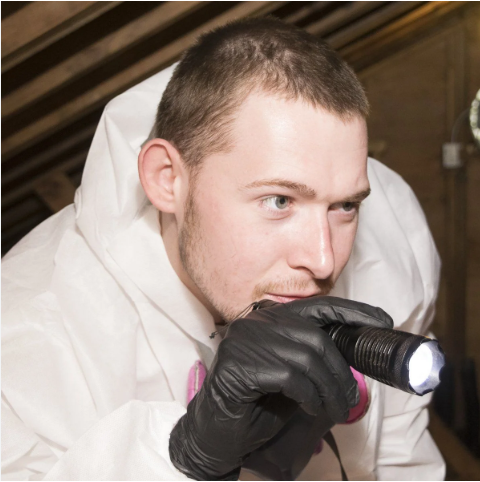
Before remediation begins, a professional assessment is typically required to define the scope of work. And after remediation is complete, post-remediation verification testing is how you confirm the job was done correctly.
Here are the associated costs in South Florida:
Initial mold inspection and air quality testing: $300 to $1,000, with the higher end reflecting larger properties or multi-zone testing in Broward County.
Surface testing (swab or tape samples): $30 to $150 per sample, often with laboratory processing fees added.
Post-remediation clearance testing: Often $300 to $500 when billed separately, though some companies include this in the remediation scope.
One important note: Florida law requires that the mold assessor and mold remediator be separate entities on a single project. A company that performs both the assessment and the remediation on the same property is operating outside state law. This provision exists specifically to protect homeowners from inflated assessments designed to sell larger remediation jobs.
When you are vetting companies and comparing quotes, verify that your assessor and your remediator are independent of each other. This is one of the clearest signs of a trustworthy, compliant contractor.
Real Cost Ranges for Broward County Homeowners in 2025/2026
Here is a grounded, realistic cost reference for homeowners in Plantation, Fort Lauderdale, Hollywood, Davie, and surrounding Broward County communities:
Standard bathroom mold: $500 to $2,000
Attic mold (post-storm): $1,500 to $7,000
Single-room remediation with drywall removal: $2,500 to $6,000
HVAC and duct mold remediation: $1,500 to $4,500
Multi-room or whole-home remediation: $8,000 to $25,000+
Post-hurricane mold remediation (severe flooding): $15,000 to $40,000+
These figures reflect South Florida market rates, where labor costs, material expenses, and the volume of post-storm work all contribute to higher pricing than state or national averages. They also assume professional-grade containment, IICRC-certified technicians, and post-remediation clearance testing.
To review what the water damage restoration process looks like before mold sets in, visit our blog on water damage restoration near me in Plantation, FL.
Does Homeowners Insurance Cover Mold Removal in Florida?
This is the question almost every homeowner asks ; and the answer depends entirely on how the mold originated.
Florida homeowners insurance typically covers mold remediation when the mold is a direct result of a covered peril. That means if a burst pipe caused water damage that led to mold growth, and you acted promptly, your claim is likely to be approved. Storm damage that resulted in water intrusion and subsequent mold may also be covered, though the coverage depends on whether you carry separate flood insurance.
What insurance generally does not cover: mold resulting from long-term neglect, high indoor humidity over time, or gradual leaks that went unaddressed for months. Insurers consider these maintenance failures rather than sudden accidental events.
Florida policies often carry mold coverage caps ; commonly $5,000 to $10,000 ; even when the cause is covered. This means large remediation projects may only be partially reimbursed.
Practical advice for homeowners: document everything immediately. Take photos of the water source, the affected area, and any visible mold before calling a contractor. Report the claim to your insurer before remediation begins. Ask for an itemized written estimate. And review your specific policy wording ; not a summary, but the actual policy document ; to understand your mold limits.
You can also speak with your insurer about whether a recent fire or smoke damage event involved water exposure that could qualify. Our guide on fire damage restoration costs covers the intersection of fire suppression water and secondary damage.
How to Avoid Being Overcharged for Mold Remediation
The mold remediation industry, like many property restoration trades, has contractors who take advantage of distressed homeowners. Here is how to protect yourself:
Get at least three written, itemized quotes. A quote that lists only a total price without breaking down labor, materials, containment, and testing is not a quote you can evaluate properly.
Verify licensing. In Florida, both mold assessors and mold remediators must be licensed by the Department of Business and Professional Regulation. Check their license status online before signing anything.
Ask about their remediation protocol. A certified professional can explain IICRC S520 standards and describe exactly how they will contain, treat, and verify their work. Vague answers are a warning sign.
Do not let urgency drive your decision alone. Mold is serious, but a reputable company will take the time to explain their process and answer your questions, even in an emergency response.
Understand what is included. Post-remediation air quality clearance testing, documentation, and restoration of affected materials should be clearly described in any written agreement.
PuroClean of Plantation serves residential clients, commercial properties, property managers, and insurance agents throughout Broward County through our Certified Priority Response (CPR) Program. We provide 24/7 access, strict certification standards, and pre-approved scope protocols that help keep both costs and timelines predictable.
Visit us at 200 Torchwood Ave, Plantation, FL 33324, or use our contact form to schedule an assessment.
Get directions to our office here.
What the Remediation Process Includes ; Step by Step
Understanding the process helps you evaluate whether a quote reflects a thorough job or a rushed one. A legitimate mold removal engagement in Florida should include all of the following:
Step 1 ; Inspection and moisture mapping. Thermal imaging, moisture meters, and air sampling to identify the full extent of contamination ; including areas that are not yet visible.
Step 2 ; Scope documentation. A written remediation protocol based on the assessment findings, specifying exactly what will be removed, treated, and restored.
Step 3 ; Containment. Physical barriers and negative air pressure units to isolate the work area and prevent cross-contamination.
Step 4 ; Removal of contaminated materials. Safe removal and disposal of affected drywall, insulation, flooring, or other building materials that cannot be decontaminated.
Step 5 ; Surface treatment. HEPA vacuuming of all surfaces followed by application of EPA-registered antimicrobial agents to eliminate remaining spores and inhibit regrowth.
Step 6 ; Drying and dehumidification. Industrial air movers and dehumidifiers to bring all materials to target moisture levels ; critical in Florida’s humid climate.
Step 7 ; Post-remediation testing. Independent air quality sampling to verify that spore counts have returned to acceptable levels before containment is removed.
Step 8 ; Restoration. Replacement of removed materials, finishing, and return of the space to its pre-damage condition.
Prevention ; The Smartest Way to Reduce Future Costs
The most cost-effective approach to mold removal in Florida is to avoid the conditions that make it possible in the first place.
Keep indoor humidity between 45 and 55 percent. A hygrometer costs less than $15 and gives you a real-time reading. If your air conditioner cannot maintain those levels during summer months, a supplemental whole-home dehumidifier is worth the investment.
Inspect your roof twice a year ; before and after hurricane season. Roof leaks are one of the most common causes of attic mold in Broward County homes, and catching them early keeps a $500 repair from becoming a $5,000 remediation project.
Service your HVAC system annually. Clean condensate drain lines, replace filters monthly with MERV 8 to 13 rated filters, and have ductwork inspected if you notice musty air coming from your vents.
Address water damage immediately. If a pipe bursts, your roof leaks, or flooding occurs, professional drying must begin within 24 hours to stay within the mold-prevention window. Our guide on what to do immediately after flooding walks you through exactly how to respond.
And if you have dealt with smoke or fire damage that involved suppression water, read our smoke damage cleanup guide ; water used in firefighting is a less obvious but very real mold risk.
Conclusion

Understanding the mold removal cost Florida is not just about preparing for an unexpected expense. It is about knowing your home, knowing the risks that come with living in South Florida’s climate, and being equipped to make fast, informed decisions when something goes wrong.
Mold does not negotiate. It grows on its own timeline, in places you cannot always see, and in a state where the conditions are almost always in its favor. The homeowners who fare best are the ones who caught the problem early, worked with certified professionals, and documented everything clearly for their insurance carrier.
The five factors covered in this guide give you the framework to evaluate any mold remediation quote with confidence ; to know what is reasonable, what should be included, and what to question.
Do not let an unknown bill stop you from protecting your home and your family.
Call PuroClean of Plantation today. Our certified team is available 24/7, and the cost of not acting is always higher than the cost of calling.
Follow us for more property protection guidance and South Florida restoration insights:

 PuroClean of Plantation