


Table of Contents
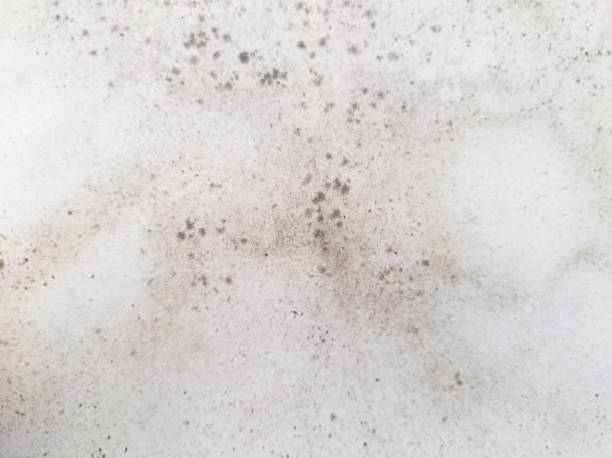
When Amanda Rodriguez first noticed white powdery growth on her bathroom ceiling in early January, her landlord dismissed it as “just cosmetic.” He sent over a maintenance worker who wiped it away with bleach and told Amanda not to worry because “white mold isn’t the dangerous kind.”
Three weeks later, Amanda’s six-year-old daughter was admitted to the ER with severe respiratory distress. Her asthma, previously well-controlled, had become life-threatening. The pulmonologist asked a question that changed everything: “Have you noticed any mold in your home?”
(Names and identifying details have been changed to protect privacy.)
Lab testing revealed extensive Aspergillus contamination throughout Amanda’s apartment. The “harmless cosmetic” white mold had been releasing millions of spores with every heating cycle, and her daughter had been breathing them for weeks.
Amanda’s story isn’t unique. Last month alone, three Santa Maria families ended up in the ER with mold-related health crises because they believed the answer to “is white mold dangerous or just ugly” was “just ugly.”
They were catastrophically wrong.
The Deadly Myth: Is White Mold Dangerous or Just Ugly?
The question “is white mold dangerous or just ugly” reveals one of the most dangerous misconceptions in home maintenance. Most Santa Maria homeowners believe white mold is merely a cosmetic nuisance while black mold is the “toxic” threat requiring immediate attention.
This belief kills people.
Here’s the truth according to the Centers for Disease Control and Prevention: mold color doesn’t determine danger level. White mold species including Aspergillus and Penicillium can be equally or more dangerous than black mold depending on the species, concentration, and individual vulnerability.
Common white mold species in Santa Maria homes:
Aspergillus: Can cause invasive aspergillosis in immunocompromised individuals (a condition with 50% mortality rate even with treatment). Triggers severe allergic reactions and asthma attacks in sensitive individuals.
Penicillium: Despite giving us penicillin, causes serious respiratory infections, chronic sinusitis, and allergic reactions when growing in homes. Produces mycotoxins that cause neurological symptoms in some individuals.
Cladosporium: Often appears white to olive-green. Causes respiratory problems, skin infections, and chronic fatigue syndrome symptoms in prolonged exposure.
So when someone asks “is white mold dangerous or just ugly,” the correct answer is: potentially deadly, and appearance tells you nothing about toxicity.

Why January’s Conditions Make This Question Critical
Santa Maria’s January weather creates perfect conditions for white mold proliferation, making the question “is white mold dangerous or just ugly” especially urgent right now.
99mm of precipitation: Our wettest month saturates homes with moisture. White mold thrives in damp conditions, establishing colonies within 24-48 hours of water exposure.
70%+ humidity: Persistent humidity keeps surfaces damp even when no visible water exists. White mold doesn’t need flooding to establish—just consistent dampness.
Closed-up homes: Winter heating means windows stay closed. Poor air circulation allows mold spore concentrations to build to dangerous levels. Every breath contains thousands of spores.
Heating system distribution: HVAC systems pull spores from growth locations and distribute them to every room. Your bedroom develops health problems from bathroom mold you never see.
The combination creates an environment where asking “is white mold dangerous or just ugly” should always default to assuming danger until professional testing proves otherwise.
The Three ER Cases: When “Just Ugly” Becomes Life-Threatening
Last month’s three emergency room visits from white mold exposure followed disturbingly similar patterns.
Case 1: The Rodriguez Family
Amanda’s daughter developed severe asthma exacerbation requiring hospitalization. The child had been stable for years until January’s white mold growth began. Indoor air quality testing revealed Aspergillus concentrations 400x higher than safe levels.
Case 2: The Chen Household
Robert Chen spent three days in the hospital with pneumonia-like symptoms that didn’t respond to antibiotics. His doctor eventually ordered fungal testing, discovering Aspergillus infection in his lungs. Investigation revealed extensive white mold throughout his attic that had been there for months. Robert’s compromised immune system from diabetes made him particularly vulnerable.
Case 3: The Martinez Family
Two Martinez children were hospitalized with mysterious respiratory symptoms, persistent coughing, and breathing difficulties. Environmental testing found Penicillium contamination behind their bedroom walls. The “cosmetic” white spots on their windowsills indicated massive hidden growth releasing spores directly into sleeping children’s airways.
All three families had asked themselves “is white mold dangerous or just ugly” and chosen to believe it was merely cosmetic. All three learned the answer through emergency medical treatment.
When “Just Ugly” White Mold Signals Structural Danger
Beyond immediate health threats, dismissing white mold as cosmetic often masks serious structural problems that become catastrophically expensive.
Hidden water intrusion: White mold growth indicates moisture where it shouldn’t exist. That “ugly” white fuzz on your ceiling suggests roof leaks, plumbing problems, or ventilation failures requiring thousands in repairs.
Progressive wood rot: White mold consuming wood releases enzymes that break down cellulose. What starts as surface growth becomes structural compromise. Beams, joists, and framing deteriorate while homeowners focus on the “cosmetic” appearance.
Accelerating damage: Mold growth creates more moisture through metabolic processes, feeding additional growth in a destructive cycle. The longer you ignore “just ugly” white mold, the worse the underlying damage becomes.
The question “is white mold dangerous or just ugly” should really be: “Is this visible white mold indicating expensive hidden damage I’m ignoring?”
The Health Impact Spectrum: From Ugly to Dangerous
Understanding the full answer to “is white mold dangerous or just ugly” requires knowing the range of health effects white mold causes.
Mild reactions (often dismissed as “just ugly”):
- Sneezing, runny nose, eye irritation
- Mild skin rashes or itching
- Headaches, fatigue
- Symptoms improve when leaving the home
Moderate reactions (when “ugly” becomes concerning):
- Persistent coughing, wheezing
- Chronic sinusitis requiring medical treatment
- Asthma development in previously healthy individuals
- Sleep disruption from respiratory symptoms
Severe reactions (when “ugly” becomes dangerous):
- Respiratory infections requiring hospitalization
- Severe asthma attacks needing emergency intervention
- Invasive aspergillosis in immunocompromised individuals
- Chronic inflammatory response syndrome (CIRS)
- Permanent lung damage from prolonged exposure
The Environmental Protection Agency emphasizes that individual sensitivity varies dramatically. What one person tolerates as “just ugly” sends another to the ER.
Why Professional Testing Answers the Question Definitively
When homeowners ask “is white mold dangerous or just ugly,” the only reliable answer comes from professional assessment and testing.
Visual identification limitations: You cannot determine mold species or toxicity from appearance. White powdery growth could be harmless surface mildew or deadly Aspergillus. Only laboratory analysis provides definitive identification.
Air quality testing: Measures airborne spore concentrations. Results show whether your indoor air contains dangerous levels regardless of how “minor” visible growth appears.
Surface sampling: Identifies specific mold species present. Different white molds pose different risks. Knowing what you’re dealing with determines appropriate response.
Moisture assessment: Thermal imaging and moisture meters reveal hidden dampness feeding mold growth. This uncovers the structural problems that “cosmetic” mold indicates.
Professional assessment costs $300-500 but provides actual answers instead of dangerous assumptions about whether white mold is dangerous or merely ugly.
The $200 Question vs. The $20,000 Answer
The economics of answering “is white mold dangerous or just ugly” incorrectly are brutal:
Assuming “Just Ugly” Approach:
- Ignore or superficial cleaning: $0-$50
- Emergency room visits: $3,000-$15,000
- Proper remediation after health crisis: $5,000-$12,000
- Structural repairs from extended damage: $8,000-$25,000
- Lost work/school time: $2,000-$5,000
- Total: $18,000-$57,050
Professional Assessment and Treatment:
- Professional testing: $300-$500
- Proper remediation: $1,500-$5,000
- Moisture source correction: $500-$2,000
- Family health protected: Priceless
- Total: $2,300-$7,500
The “expensive” professional approach costs 90% less than gambling on “just ugly.”
Frequently Asked Questions
Can white mold be harmless?
Yes, but you cannot determine this by appearance. Some white mold represents surface mildew on non-porous materials causing minimal health risk. However, white mold on porous materials (drywall, wood, insulation) or recurring white mold indicates conditions requiring professional assessment. Never assume is white mold dangerous or just ugly leans toward “just ugly” without testing.
How do I know if my family is sensitive to white mold?
Anyone with asthma, allergies, compromised immune systems, young children, elderly family members, or pregnant women faces elevated risks. However, previously healthy individuals can develop sensitivity through prolonged exposure. If anyone experiences respiratory symptoms, chronic coughing, or fatigue that improves when leaving home, suspect mold sensitivity requiring professional evaluation.
Can I test mold myself with home kits?
Home test kits only confirm mold presence (which you already know from visible growth). They don’t identify species, measure concentration levels, or assess health risks. Professional testing includes laboratory analysis, air quality measurement, and moisture assessment providing actionable information rather than confirmation of the obvious.
What if the white mold keeps coming back?
Recurring white mold definitively answers “is white mold dangerous or just ugly” as dangerous. Recurrence indicates active moisture sources requiring professional intervention. Surface cleaning without moisture elimination guarantees mold returns while underlying damage worsens. Schedule professional assessment immediately.
Is white mold in my crawl space a problem if I never go there?
Yes. Crawl space mold doesn’t stay in the crawl space. Spores rise into living areas through air infiltration and HVAC systems. Many homes draw air from crawl spaces for heating/cooling, directly distributing contamination. “Out of sight” mold still threatens health and structural integrity.
How much white mold is too much?
The EPA recommends professional remediation for mold exceeding 10 square feet. However, this guideline applies to surface area, not health risk. Small amounts of highly toxic species pose greater danger than large amounts of less harmful types. If you’re asking how much is “too much,” you’ve already exceeded safe DIY treatment thresholds.
Stop Guessing About White Mold Danger
When Santa Maria homeowners wonder “is white mold dangerous or just ugly,” they’re often asking permission to ignore a problem. Three families learned last month that this gamble can end in emergency rooms and financial disaster.
Trust PuroClean of Santa Maria for Professional Mold Assessment
Stop guessing about whether white mold in your Santa Maria home is dangerous or merely cosmetic. Get definitive answers from professionals who understand that appearance never determines toxicity.
Our comprehensive mold assessment includes:
- IICRC-Certified Inspection: Professional evaluation of all mold growth
- Laboratory Testing: Species identification and toxicity analysis
- Air Quality Analysis: Measuring actual spore concentrations in your home
- Moisture Detection: Thermal imaging revealing hidden dampness
- Complete Remediation: When testing shows danger, not just ugliness
- Source Elimination: Fixing moisture problems preventing recurrence
- Verification Testing: Confirming safe levels after treatment
- Insurance Coordination: Documentation supporting coverage claims
Don’t let “just ugly” white mold send your family to the ER.
Call PuroClean of Santa Maria at (805) 975-0800 for professional mold assessment. When the question is “is white mold dangerous or just ugly,” don’t guess the answer that could cost you thousands or threaten your family’s health.
The only safe assumption about white mold is that it requires professional evaluation. Contact PuroClean of Santa Maria today because your family’s health is worth more than the gamble.
Available 24/7/365 | IICRC Certified | (805) 975-0800 | Contact Us Online | Google Business Profile