


Table of Contents
Flood damage Willow Grove, PA requires fast action; typically within the first 24 to 48 hours. The five essential steps are: stop the water source, document everything for your insurance claim, remove standing water, begin drying and dehumidification, and call a certified flood damage restoration professional. Acting quickly reduces structural damage, lowers restoration costs, and prevents mold growth before it takes hold.
Why Willow Grove Homeowners Are Especially Vulnerable to Flood Damage
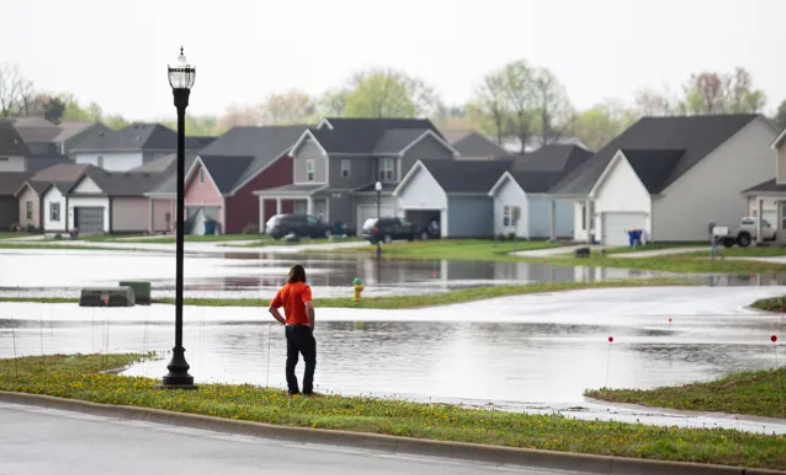
If you live in Willow Grove, PA, you already know how quickly the weather can turn.
Montgomery County sits in a region where spring storms, sudden heavy rainfall, and aging storm drainage systems frequently collide. Add to that the number of homes built decades ago with older plumbing and basement waterproofing systems, and you have a recipe for flood risk that many homeowners underestimate until it is too late.
Flooding doesn’t always arrive in a dramatic wave. Sometimes it is a slow trickle that works its way through a basement wall. Other times, it’s a backed-up storm drain that sends water rushing through your lowest level within minutes.
The bottom line? Flood damage in Willow Grove is more common than people think, and the cost of ignoring it is far greater than the cost of addressing it early.
According to the Federal Emergency Management Agency (FEMA), just one inch of floodwater can cause up to $25,000 in damage to an average home. That number climbs fast when water sits for hours or days without proper extraction and drying.
Step 1: Stop the Source and Ensure Safety
The very first thing you need to do when you discover flood damage in your Willow Grove home is stop the water from spreading.
If the flood is coming from a burst pipe, turn off the main water supply immediately. If it’s a storm-related event and water is seeping in from outside, identify entry points like basement window wells, foundation cracks, or overwhelmed sump pumps.
Before stepping into standing water, turn off electricity to the affected areas. Floodwater and live electricity are a deadly combination. If you are unsure whether the power has been safely shut off, do not enter the flooded area; wait for a professional.
A few safety reminders:
- Do not use household vacuums to remove water; they are not built for it and present electrical hazards.
- Watch for slip hazards on wet floors.
- If the water has a sewage smell or discoloration, treat it as contaminated. Do not touch it without protective gear.
Once you have confirmed the space is safe to enter, your focus shifts to documentation.
Step 2: Document Everything Before You Touch Anything

This step is where a lot of homeowners lose money on their insurance claims; they start cleaning up before they have a proper record of the damage.
Before you move any furniture, pull up any carpeting, or start any drying, take photos and videos of everything. Capture every room, every affected wall, every piece of damaged furniture or flooring. Get close-up shots of water lines on walls, warped baseboards, and saturated materials.
Then write it down. Note the approximate time you discovered the damage, the source if known, and the extent you can see with your eyes. This written record, combined with your photos, becomes your strongest ally when filing a water damage restoration insurance claim.
You should also contact your insurance provider as soon as possible to report the damage and ask whether you need an adjuster visit before remediation begins. Some policies require this step before work starts, or you may forfeit part of your coverage.
At PuroClean of Lansdale, we understand the insurance process well. Our team works directly with insurance providers to help streamline water damage restoration insurance claim documentation, so you are not navigating it alone. Learn more about how our insurance assistance services can support your claim.
Step 3: Remove Standing Water as Quickly as Possible
Every hour that standing water remains in your home, more damage is done.
Water soaks into drywall, subflooring, insulation, and wooden structural elements. Within 24 to 48 hours, mold can begin to colonize any damp surface. The longer you wait, the more material needs to be removed and replaced rather than simply dried.
For small amounts of water, a wet-dry vacuum and absorbent towels can help manage the surface. But for any flood situation where water has covered significant floor area or entered wall cavities, you need professional water extraction equipment.
Industrial-grade submersible pumps and truck-mounted extraction units can remove hundreds of gallons of water in far less time than consumer equipment. This speed is not just about convenience; it directly determines how much of your home’s structure and contents can be saved.
If you are already searching for water damage restoration services near me, look for a company that offers 24/7 emergency response. Delays in response, even by a few hours, can mean the difference between drying a home and gutting it.
For a detailed breakdown of what the first 24 hours should look like, read our guide on water damage remediation steps for the first 24 hours.
Step 4: Dry, Dehumidify, and Ventilate
[📸 IMAGE 3 PLACEMENT: Industrial air movers and dehumidifiers set up inside a flooded basement during professional restoration; Alt text: “professional drying equipment for flood damage willow grove basement restoration”]
Getting the visible water out is only half the battle.
What many Willow Grove homeowners don’t realize is that the moisture left behind in walls, ceilings, and under floors is often more destructive than the visible water itself. This hidden moisture is what drives mold growth, warps hardwood floors, and weakens structural materials over time.
Professional drying involves three key tools working together:
Air movers create high-velocity airflow across wet surfaces, rapidly evaporating surface moisture.
Commercial dehumidifiers pull that evaporated moisture out of the air before it can settle back into building materials.
Moisture meters and thermal imaging cameras allow technicians to monitor drying progress inside walls and under floors, ensuring that materials reach safe moisture levels before work stops.
This process typically takes several days depending on the severity of the flood damage. Cutting it short is one of the most common mistakes homeowners and inexperienced contractors make; it leads to mold and structural issues that show up weeks or months later.
For guidance on what happens when floors take on water, see our detailed resource on water damage floor repair costs in Montgomery County.
Step 5: Call a Certified Flood Damage Restoration Team in Willow Grove
If there is one lesson from every flood damage case in Willow Grove and across Montgomery County, it’s this: the faster you call a certified restoration professional, the better the outcome.
This is not about upselling services. It is about the science of water damage. Moisture moves fast, mold moves faster, and structural damage compounds silently. Certified restoration technicians have the training, equipment, and experience to assess and address damage that the average homeowner simply cannot see.
PuroClean of Lansdale serves Willow Grove and the surrounding areas with 24/7 emergency flood damage restoration services. Our team is IICRC-certified, arrives quickly, and works with your insurance provider through every step of the restoration process.
We are located at 2033 Lucon Rd, Bldg. Rear, Schwenksville, PA 19473.
Call us anytime at (267) 834-5900.
You can also read what your neighbors say about working with us by checking our Google reviews and directions here.
How the Insurance Claim Process Works After a Flood
Filing a water damage restoration insurance claim after a flood can feel overwhelming, especially when you are already dealing with the stress of a damaged home. Here is a simplified breakdown of how it typically works.
Step 1: Notify your insurer. Call your insurance company as soon as the damage is discovered. Ask whether you need a claims adjuster to inspect before repairs begin.
Step 2: Document before you restore. As covered in Step 2 above, photographs and written notes are essential. Your restoration team can also provide a scope of loss document that supports your claim.
Step 3: Understand your coverage. Standard homeowners insurance typically covers sudden and accidental water damage, such as a burst pipe or washing machine overflow. However, flooding from outside the home (rising ground water, storm surge) often requires separate flood insurance through the National Flood Insurance Program (NFIP). Knowing the difference matters enormously when filing your claim.
Step 4: Work with a restoration company that understands insurance. PuroClean’s Certified Priority Response (CPR) Program is specifically designed to reduce claim costs and speed up the process. We coordinate pre-approved scopes of work with insurers, reducing delays and disputes.
For related insights on navigating the claims process in your area, check out our post on insurance claim restoration in Abington.
Why Professional Restoration Makes a Real Difference
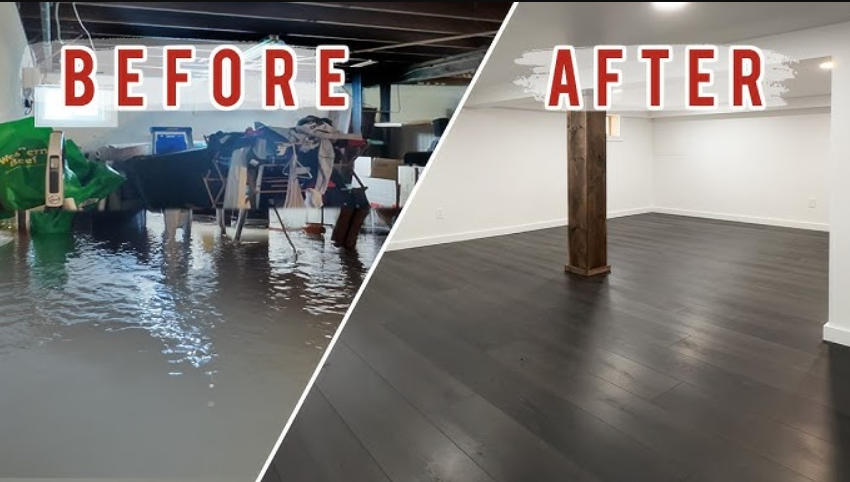
There is a meaningful difference between wiping up water with towels and genuinely restoring a flood-damaged home.
Professional restoration companies use equipment that is simply not available to the average homeowner. Beyond that, certified technicians follow proven protocols that ensure every hidden pocket of moisture is identified and addressed, not just the surfaces you can see.
When restoration is done correctly, you avoid the most common and costly aftermath of flood damage; mold growth. You protect the structural integrity of your floors, walls, and framing. And you have proper documentation for your insurer.
When it is done incorrectly or not at all, you may find yourself dealing with recurring odors, soft spots in your floors, warped walls, or a mold problem months later that traces back to that one flood event that wasn’t fully dried out.
PuroClean of Lansdale provides comprehensive flood damage restoration services across Willow Grove, Horsham, Lansdale, Abington, Fort Washington, and throughout Montgomery County. Our services include water and flood restoration, mold remediation, environmental hazard remediation, fire damage restoration, storm damage restoration, and reconstruction services.
We also work with major insurance networks including Choice Hotels, Nationwide, Encompass, Alacrity Services, Vericlaim Repair Solutions, Crawford Contractor Connection, and Nexxus.
For additional reading, our complete water damage restoration guide for Willow Grove and our resource on emergency water damage restoration give you even more in-depth guidance.
Areas Served Near Willow Grove
PuroClean of Lansdale proudly serves residential homeowners, commercial property owners, property managers, and insurance agents across Montgomery County, including:
Abington, Ambler, Blue Bell, Center Square, Fort Washington, Harleysville, Horsham, Kulpsville, Lansdale, Maple Glen, Montgomeryville, North Wales, Prospectville, Roslyn, Schwenksville, Skippack, Spring House, Spring Mount, Willow Grove, and Woxall.
Explore related service area guides: water damage restoration in Fort Washington |water damage restoration in Skippack |water damage restoration in Montgomeryville
Conclusion
Flood damage in Willow Grove is serious, but it is manageable when you act fast and make the right calls. The five steps above; stopping the source, documenting damage, removing water, drying thoroughly, and calling a certified professional; are not just best practices. They are the difference between a contained recovery and an extended, expensive rebuild.
Your home is likely one of your most significant investments. After a flood, it deserves more than a surface-level cleanup.
Has your Willow Grove home experienced flooding before, and did you feel fully supported through the restoration and insurance process? We’d genuinely love to hear your experience; and if there’s anything you’re still unsure about, our team at PuroClean of Lansdale is just a call away at (267) 834-5900.
Follow us for local restoration tips and community updates: Facebook |Instagram |LinkedIn |X / Twitter