 PuroClean of Lansdale
Table of Contents
Water damage in Montgomery County, PA can strike without warning; whether from a burst pipe, basement flood, or a dishwasher leak. This article answers the top 15 water damage FAQs that homeowners and businesses ask most; covering everything from the first steps to take, to how insurance claims work, to what professional restoration really involves. If you need answers fast, you are in the right place.
What Is Water Damage Restoration?
Water damage restoration is the full process of bringing a property back to its safe, livable condition after water has entered and caused harm. It is more involved than simply drying things out.
A certified water damage restoration service provider will typically assess the damage, extract standing water, dry structural materials, sanitize affected surfaces, and then repair or replace what cannot be saved. It is a multi-step process that requires professional-grade equipment and trained technicians to do correctly.
At PuroClean of Lansdale, this process follows strict IICRC (Institute of Inspection, Cleaning and Restoration Certification) standards; the same guidelines trusted by insurance companies across the country.
How Quickly Does Water Damage Spread?
This is one of the most critical water damage FAQs, and the answer will likely surprise you.
Water damage begins spreading within minutes. In the first hour, water soaks into drywall, flooring, and furniture. Within 24 to 48 hours, mold can begin to grow in damp areas. By the time a week has passed, structural damage deepens and mold colonies can spread significantly.
This is why the number one rule in any water damage situation is: act fast. Every hour you wait adds to both the damage and the cost.
What Are the Most Common Causes of Water Damage?
Understanding the source helps you respond better; and maybe prevent it next time. Here are the most common culprits our team sees across communities like Lansdale, Schwenksville, Willow Grove, and Horsham:
- Burst or frozen pipes (especially in Pennsylvania winters)
- Appliance leaks; refrigerators, dishwashers, washing machines
- Roof leaks and storm water intrusion
- Basement flooding from heavy rainfall or poor drainage
- Sump pump failures
- Sewage backups
- HVAC system condensate leaks
- Overflowing toilets or bathtubs
You can read more about what happens when a dishwasher leaks and causes floor damage and how to respond before it escalates.
What Are the 3 Categories of Water Damage?
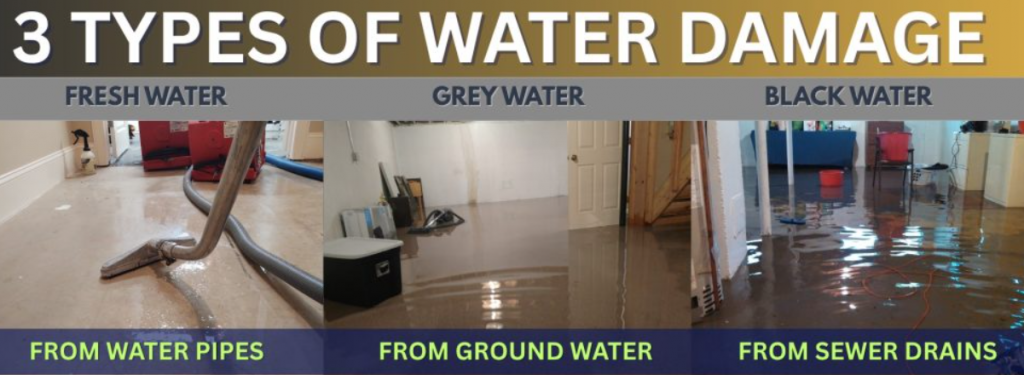
Not all water damage is equal. Professionals classify it in three categories:
Category 1 ; Clean Water This comes from a clean source such as a supply line, faucet, or rainfall. It poses little immediate health risk but can escalate quickly if left untreated.
Category 2 ; Gray Water This involves water with mild contaminants; think dishwasher overflow or washing machine leaks. It can cause illness if ingested and requires careful handling.
Category 3 ; Black Water This is the most hazardous type; sewage backups, floodwater, or standing water that has been sitting long enough to grow bacteria and pathogens. This category requires full personal protective equipment and professional remediation.
Knowing your category matters because it determines the safety protocols, equipment, and restoration methods your contractor must follow.
Can I Handle Water Damage Cleanup Myself?
Here is an honest answer most companies will not give you: for very minor, Category 1 situations (a small spill or a slow faucet drip caught immediately), DIY cleanup can sometimes work if you act within the first hour and have proper drying tools.
However, for anything beyond that; a flooded basement, a burst pipe, storm flooding, or any black water situation; please call a professional.
Here is why DIY often makes things worse:
- Standard household fans and dehumidifiers cannot generate the airflow needed to dry structural materials
- Moisture gets trapped inside walls and under floors without proper detection tools
- Mold can develop in hidden areas you cannot see
- Incorrect drying can warp flooring and weaken drywall
You might also need documentation for your insurance claim; something a professional restoration team handles with thermal imaging cameras and detailed moisture logs.
How Do I Know If There Is Hidden Water Damage in My Home?
Some of the most expensive water damage is the kind you cannot see at first. Look for these warning signs:
- Musty or earthy odor that will not go away
- Soft, spongy spots in floors or walls
- Peeling or bubbling paint and wallpaper
- Yellowish-brown stains on ceilings or walls
- Visible mold along baseboards or in corners
- Warping hardwood floors or lifting tiles
If you notice any of these, do not wait. Read our detailed guide on the signs of hidden water damage in Montgomery County to understand what is happening inside your walls.
Does Homeowners Insurance Cover Water Damage?

This is one of the most searched water damage FAQs and the answer depends on the cause of the damage.
Generally covered:
- Sudden and accidental discharge (burst pipes, appliance failures)
- Storm-related water intrusion in most standard policies
- Roof collapse from ice or snow weight
Generally NOT covered:
- Flooding from a river, creek, or storm drain (requires separate flood insurance)
- Gradual leaks that went unnoticed for weeks
- Sewage backup (unless you have a rider/endorsement)
- Poor maintenance issues
Montgomery County sits near Skippack Creek and Wissahickon Creek; areas that can experience significant flooding. If you live near these waterways, separate flood insurance through the National Flood Insurance Program (NFIP) is something worth looking into.
How Do I File a Water Damage Restoration Insurance Claim?
Filing a water damage restoration insurance claim does not have to be overwhelming. Here is a step-by-step breakdown:
- Stop the water source ; shut off the main valve or appliance immediately
- Document everything ; photograph and video the damage before moving anything
- Call your insurance company ; report the claim as soon as possible
- Call a restoration company ; a professional team can provide documentation and estimates your adjuster will need
- Keep all receipts ; hotel stays, emergency supplies, temporary repairs
- Do not throw anything away ; your adjuster needs to see damaged items
PuroClean of Lansdale works directly with insurance companies and has extensive experience navigating the claims process. Our Certified Priority Response (CPR) Program is specifically designed to reduce claim costs and speed up approvals through clear protocols and pre-approved scopes of work.
You can also read more about best insurance claim restoration in Abington to see how this process plays out locally.
How Long Does Water Damage Restoration Take?
The timeline varies depending on how severe the damage is. Here is a general guide:
| Damage Scope | Estimated Timeline |
| Minor (small area, Category 1) | 2 to 3 days |
| Moderate (one room, drywall affected) | 3 to 7 days |
| Severe (multiple rooms, flooring/structure) | 1 to 3 weeks |
| Major flood or long-term exposure | 3 to 6 weeks or more |
Drying alone typically takes 3 to 5 days with industrial equipment. Reconstruction; replacing drywall, flooring, or cabinetry; adds additional time on top of that.
What Equipment Do Professionals Use?
This is a water damage FAQs that surprises many homeowners. Professional restoration is nothing like aiming a box fan at a wet floor.
Certified water damage restoration services near me use:
- Truck-mounted water extractors ; pull hundreds of gallons per hour
- Industrial air movers ; create high-velocity airflow to dry structural materials from the inside out
- Commercial dehumidifiers ; remove moisture from the air continuously
- Thermal imaging cameras ; detect moisture behind walls without cutting drywall
- Moisture meters ; measure exact readings in wood, concrete, and drywall
- HEPA air scrubbers ; filter airborne mold spores and contaminants
Using the wrong equipment is one of the most common reasons DIY water damage cleanup fails. Professional-grade tools are the difference between a dry home and a moldy one.
Will Water Damage Lead to Mold?
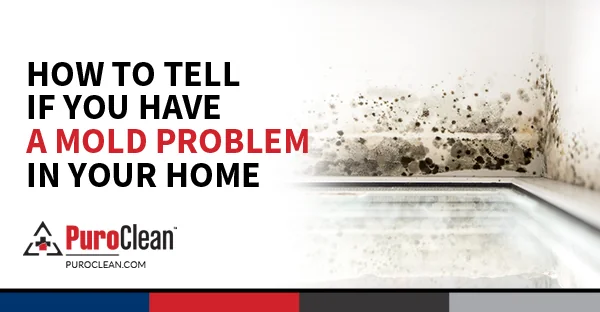
Yes; if moisture is not properly removed within 24 to 48 hours, mold growth becomes very likely. Mold thrives in dark, damp environments and can colonize drywall, wood framing, carpet padding, and insulation.
The good news is that mold is preventable when water damage is addressed quickly and thoroughly. Our team uses moisture meters to confirm that all structural materials have dried to safe levels before closing up walls or reinstalling flooring.
If you are dealing with mold after a previous water event, our professional mold removal services in Montgomery County can help you understand your options.
What Happens to My Floors and Walls After Water Damage?
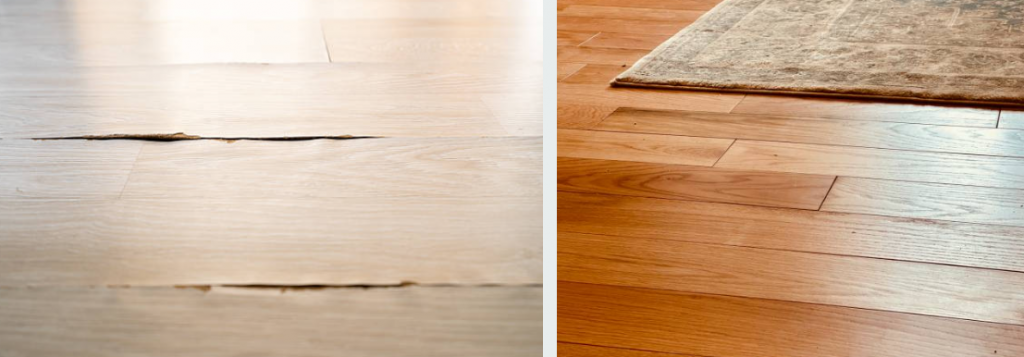
Floors and walls take some of the worst hits during a water event.
Hardwood floors can buckle and warp within hours. Carpets retain moisture deep in their padding and subfloor. Drywall absorbs water quickly and can grow mold inside the paper facing. In many cases, drywall must be cut and replaced from the floor up to 12 to 18 inches; what professionals call a “flood cut.”
Not all flooring is lost, though. Our team has successfully restored warped hardwood floors from water damage and brought them back to their original condition. The sooner restoration begins, the better the chances of saving materials rather than replacing them.
Do I Need to Leave My Home During Restoration?
Not always; it depends on the type and extent of the damage.
For minor water damage in one room with no sewage involvement, most homeowners can stay in other parts of the house during restoration. However, the following situations typically require temporary relocation:
- Sewage or black water contamination (health hazard)
- Mold remediation in progress
- Major structural drying that impacts living areas
- Significant reconstruction work
If relocation becomes necessary, your homeowners insurance policy may cover additional living expenses (ALE). Be sure to keep all receipts and document your temporary housing costs.
How Much Does Water Damage Restoration Cost in Montgomery County?
Costs vary considerably based on damage category, square footage, and required repairs. Here is a rough cost overview for the Montgomery County area:
| Service | Typical Range |
| Water extraction only | $300 to $700 |
| Structural drying (per room) | $500 to $1,500 |
| Mold remediation | $500 to $6,000+ |
| Drywall replacement | $250 to $800 per section |
| Hardwood floor repair | $800 to $2,500+ |
| Full restoration (moderate damage) | $2,500 to $10,000+ |
Insurance often covers a significant portion of these costs depending on your policy. For a more specific breakdown, read our guide on water damage floor repair costs in Montgomery County, PA.
How Do I Choose Trusted Water Damage Restoration Services Near Me?

This is the final and most important of all 15 water damage FAQs. Here is what to look for:
IICRC Certification ; The industry gold standard. It means technicians are trained and tested.
24/7 Availability ; Water damage does not wait for business hours. Neither should your contractor.
Insurance Coordination ; A good restoration company handles documentation and communication with your adjuster; not just the physical work.
Local Experience ; A company that knows Schwenksville, Lansdale, Blue Bell, and Harleysville understands the regional climate, building styles, and local regulations.
Transparent Process ; You should know what is being done, why, and how long it will take; every step of the way.
PuroClean of Lansdale checks every one of these boxes. With our emergency water damage restoration services available around the clock, you are never more than one phone call away from professional help.
Conclusion
Water damage is stressful; but being informed makes all the difference. These 15 water damage FAQs represent the most important things to understand before, during, and after a water event in your home or business.
The pattern is clear from experience: the homeowners who respond fast, document thoroughly, and work with a certified professional consistently get better outcomes than those who wait or attempt DIY repairs.
If you are in Abington, Ambler, Fort Washington, Skippack, Willow Grove, or anywhere across Montgomery County; PuroClean of Lansdale is ready to respond 24/7.
Call us contact our team online.
Have a water damage question we did not cover? Drop it in the comments or reach out directly; our team would love to help.
Connect with PuroClean of Lansdale: Facebook | Instagram | LinkedIn | X (Twitter) | See Our Reviews & Find Us

 PuroClean of Lansdale