


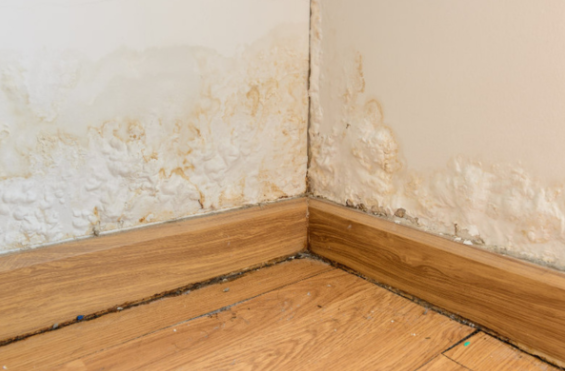
Table of Contents
The seven most critical signs of hidden water damage include: unexplained musty odors, discolored or stained walls and ceilings, peeling or bubbling paint, warped or soft flooring, sudden spikes in your water bill, visible mold growth in unexpected places, and sounds of running water with no clear source. Catching these signs early can save Montgomery County homeowners thousands of dollars and prevent serious health hazards.
Why Hidden Water Damage Is More Dangerous Than a Visible Flood
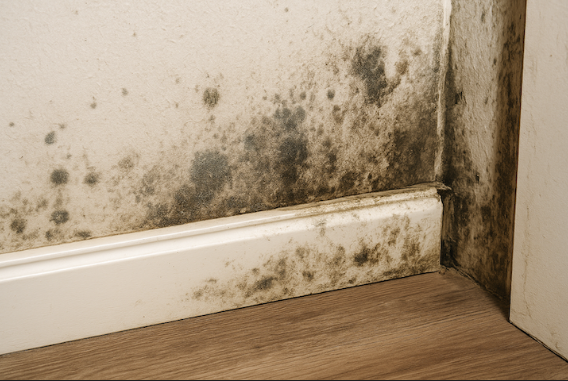
Most homeowners in Montgomery County know to call for help when they see a flooded basement or a burst pipe spraying water across the kitchen. The damage is obvious. The urgency is clear.
But the signs of hidden water damage? Those are far sneakier, and in many ways, far more dangerous.
Hidden water damage develops slowly, silently, and almost always out of plain sight. It works inside your walls, underneath your floors, and above your ceilings. By the time something becomes visible or noticeable, the damage has often been spreading for weeks or even months.
The real cost of hidden water damage isn’t just the structural repair bill; it’s the mold remediation, the air quality issues, the potential health concerns for your family, and the disruption that comes with a much larger restoration project than would have been necessary had the problem been caught sooner.
This guide is here to help you know exactly what to look for, in plain language, without any guesswork.
Sign 1: Musty Odors That Just Won’t Go Away
If a room in your home has a persistent damp, earthy, or “old basement” smell and you cannot find the source, there is a good chance moisture is hiding somewhere nearby.
Mold and mildew both produce a distinctive musty odor as they consume organic materials like drywall, wood framing, and insulation. This smell often appears before any visible mold growth does, making it one of the earliest warning signs your senses can detect.
Pay close attention to:
- Bedrooms or closets on exterior walls
- Bathrooms, especially near the shower or under sink cabinets
- Basements, crawl spaces, and laundry rooms
- Rooms directly below bathrooms on upper floors
Do not simply mask the smell with air fresheners or candles. That odor is telling you something important. It deserves investigation.
Sign 2: Stains, Discoloration, or Water Rings on Walls and Ceilings
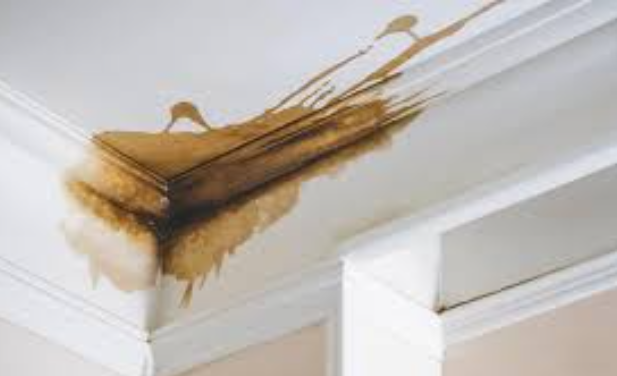
Yellow, brown, or gray stains on your walls or ceilings are among the most recognizable signs of hidden water damage. These marks form when water soaks through a material, carries minerals and pigments with it, and then leaves a visible ring as it dries.
One stain might mean a one-time leak that has since resolved. But if the stain is growing or if you see multiple rings around the same spot, that suggests an active or recurring leak that needs immediate attention.
What to check:
- Ceilings directly below bathrooms or kitchen areas on upper floors
- Walls adjacent to exterior plumbing or HVAC lines
- The corners where the ceiling meets the wall; water tends to collect there
- Areas near windows, where flashing or sealing may have failed
A stain on the ceiling does not always mean the leak is directly above it. Water travels along joists and structural members before finding a place to drip. This is why professional inspection with thermal imaging tools is often necessary to trace the true source.
For more on what happens to your floors when water damage goes undetected, read our resource on warped wood floor repair from water damage.
Sign 3: Paint or Wallpaper That Is Peeling, Bubbling, or Warping
Healthy walls hold paint and wallpaper firmly. When moisture builds up inside a wall, it breaks down the bond between the surface and whatever is applied to it.
Bubbling paint means moisture is trapped between the paint film and the wall material. Peeling paint along the top of a wall near the ceiling often indicates water is working its way down from a roof leak or an upstairs bathroom. Warped or lifting wallpaper near the floor usually points to moisture wicking up from the subfloor or crawl space.
These signs often appear gradually. You might notice a small bubble near a window one week and a larger patch three weeks later. That progression matters. It tells you the moisture source is ongoing, not a resolved incident.
A common mistake is to scrape and repaint without addressing the underlying moisture source. The paint will fail again, often faster the second time, because the wall material is now more saturated than before.
Sign 4: Soft, Warped, or Spongy Flooring
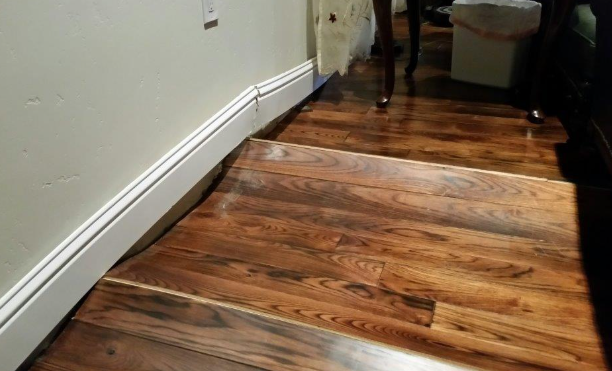
Walk across your floors slowly and deliberately in rooms that concern you. Pay attention to how the floor feels underfoot.
Hardwood that was once firm and flat should never feel spongy. Tile grout that has begun to crack or separate often signals moisture moving beneath the tile. Laminate flooring that shows bubbling or lifting at the seams is absorbing moisture from below.
Subfloor damage is one of the more costly consequences of prolonged hidden water damage. Once moisture penetrates the subfloor layer, it can compromise the structural stability of the entire floor and potentially the joists beneath it.
In kitchens, pay special attention to the area in front of the dishwasher and under the refrigerator, where ice maker lines are common sources of slow leaks. For a detailed look at how dishwasher leaks can compromise your floors, see our guide on dishwasher leak floor damage.
In bathrooms, soft spots near the toilet base or around the bathtub surround can indicate a long-term leak at the wax ring seal or a failing caulk line.
Sign 5: Unexpected Spikes in Your Water Bill
Your water usage patterns are remarkably consistent from month to month when nothing changes in your household. So when your bill jumps with no clear explanation, it is often because water is going somewhere it should not.
A leak behind a wall or under a floor that adds just a few gallons per day might not cause immediate visible damage. But over weeks and months, that water is accumulating somewhere inside your home structure.
Here is a simple test:
Turn off every water-using appliance and fixture in your home. Go outside and look at your water meter. If the dial or digital reading is still moving, you have water flowing somewhere in your system.
If your meter shows no movement but your bills have been climbing, the next step is to call a licensed plumber to inspect your supply lines, and then a qualified water damage restoration service provider to assess whether moisture has already entered your home structure.
Our team at PuroClean of Lansdale has helped many Montgomery County homeowners identify and address hidden leaks before they became full-scale flood situations. Read more about our emergency water damage mitigation services to understand how early intervention works.
Sign 6: Visible Mold in Unusual Places
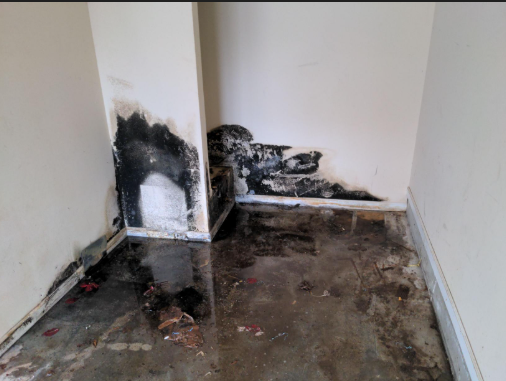
Finding mold on the grout of a bathroom wall after a hot shower is one thing. Finding mold in the corner of a bedroom, on the back of a closet, or near the ceiling of a room that has no obvious moisture source is another matter entirely.
Mold in unexpected locations is almost always a sign of hidden water damage nearby. Mold requires three things to grow: moisture, warmth, and an organic food source. Your drywall, insulation, and wood framing provide the food source. Your home provides the warmth. Hidden moisture completes the equation.
According to the EPA, mold can begin growing on wet materials in as little as 24 to 48 hours. This means that by the time you can see it with your eyes, it has likely been growing for days or longer.
A few important notes:
- Mold comes in many colors; black, green, gray, orange, and white. Not all mold is the dramatic black variety you see in headlines.
- Wiping mold from a surface without addressing the moisture source will not solve the problem. It will return.
- If mold covers more than 10 square feet, the EPA recommends professional remediation.
PuroClean of Lansdale provides professional commercial mold remediation and residential mold removal services throughout Montgomery County. If you suspect mold is linked to a hidden water source, please do not delay getting it checked.
Sign 7: Sounds of Running Water With No Obvious Source
This is one of the easiest signs of hidden water damage to overlook because it can seem harmless at first.
If you hear the sound of running water, dripping, or faint trickling when all fixtures and appliances are off, that sound is water moving somewhere it should not be. It might be inside a wall cavity, under a floor, or within a ceiling void.
Other sounds to pay attention to:
- A hissing sound near a wall can indicate a pressurized pipe leak.
- Dripping sounds in the ceiling after a rain event point to a roof or flashing issue.
- Bubbling sounds near a drain can mean a blocked or overwhelmed drainage line is sending water somewhere else.
These sounds are easy to dismiss, especially in busy households. But treating them as the warning signs they are can prevent significant damage.
What to Do When You Spot These Signs
If you have identified one or more of the signs of hidden water damage in your home, here is a practical course of action:
First, don’t panic. Early detection is genuinely good news, even if it doesn’t feel that way in the moment. You are ahead of a problem that could have been far worse.
Second, stop any active water sources if you can identify them; shut off supply lines, address roof access points where possible, or isolate the affected area.
Third, call a certified water damage restoration service provider. An experienced restoration team can use moisture meters and thermal imaging to map where hidden moisture is located and develop a drying plan that addresses the true extent of the damage, not just the visible surface.
Fourth, document what you can see for your insurance provider. Photographs, date stamps, and written notes are all valuable when filing a claim.
PuroClean of Lansdale offers free assessments for homeowners across Montgomery County who suspect hidden water damage. Our Certified Priority Response (CPR) Program means we work with pre-agreed protocols and direct insurer coordination to keep your claim process as smooth as possible.
Contact our team here or call (267) 834-5900 anytime, day or night.
For more related reading, explore our guide on water damage restoration in Montgomery County and our full post on 10 ways to prevent water damage before a problem develops.
How Montgomery County’s Climate Makes Homes More Vulnerable
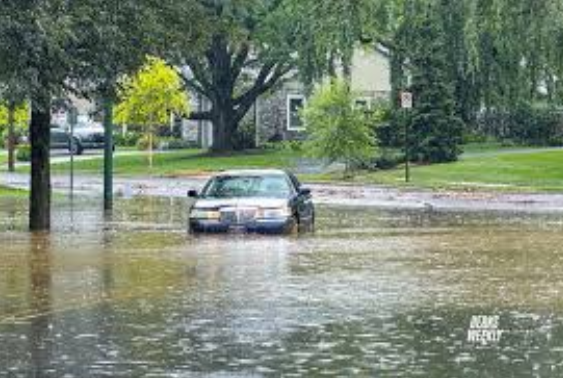
Montgomery County, PA experiences a genuinely challenging climate for homeowners. The region sees significant seasonal rainfall, heavy snowmelt in early spring, high summer humidity, and temperature swings that put stress on plumbing and building materials throughout the year.
Older homes in communities like Willow Grove, Abington, Ambler, and North Wales often have aging cast-iron pipes, original basement waterproofing, and decades-old caulking around windows and doors. These materials were not designed to last forever, and they tend to fail quietly rather than dramatically.
This is why many water damage restoration services near me searches in Montgomery County come after homeowners have already been living with undetected moisture problems for months.
If your home is more than 20 years old, a seasonal moisture inspection is genuinely worth considering. Catching a slow pipe leak or a minor roof infiltration in the fall is exponentially less disruptive and costly than discovering extensive hidden water damage in the spring.
Explore our area-specific guides for more localized insights: hidden water damage and restoration in Abington |restoration in Ambler |restoration in North Wales
PuroClean of Lansdale serves the full length of Montgomery County and is available 24/7 for emergencies. Whether you are a homeowner in Horsham, a property manager in Blue Bell, or a commercial property owner in Lansdale, our team is ready to help.
Follow us for prevention tips and community updates: Facebook |Instagram |LinkedIn |X / Twitter
Conclusion
Hidden water damage is one of the most underestimated threats to a Montgomery County home. It doesn’t announce itself with a flood or a dramatic moment. It works quietly, in spaces you rarely see, over weeks and months.
But now you know the seven signs to watch for: musty odors, wall and ceiling stains, peeling paint, soft or warped floors, unexplained water bill increases, mold in unusual places, and the sound of water where there should be none.
Knowledge is your first line of defense. Acting on that knowledge before damage escalates is your second.
Your home is too important to leave to chance. If you spotted even one of these signs today, call PuroClean of Lansdale at (267) 834-5900 right now; because the cost of waiting is always higher than the cost of finding out.