


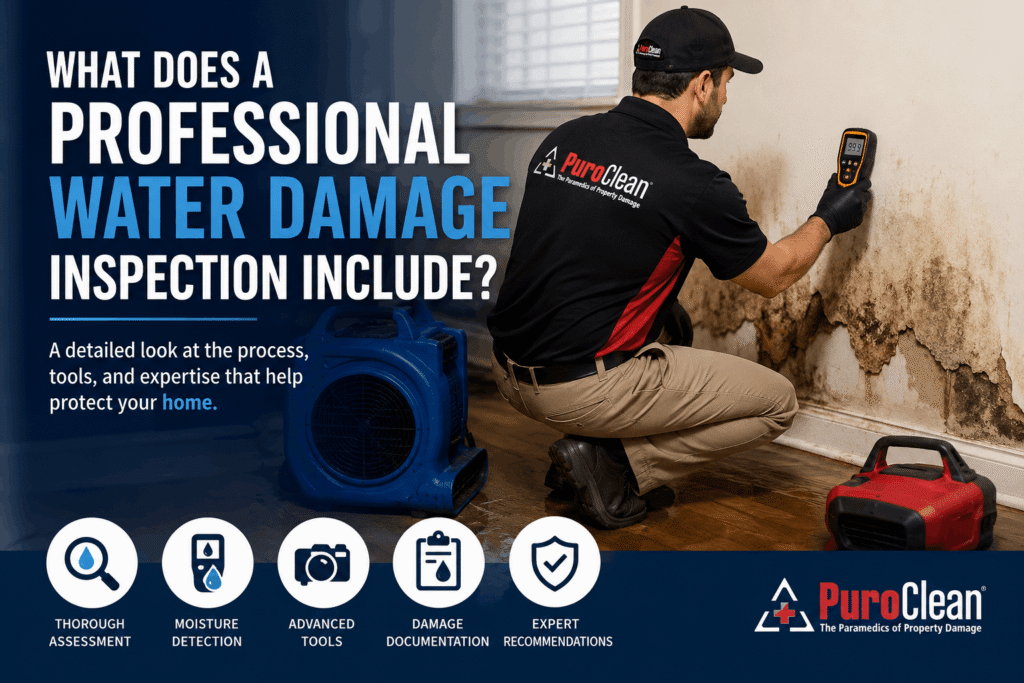
Water damage can happen when you least expect it. A burst pipe, leaking appliance, overflowing sink, roof leak, or severe storm can quickly leave your property vulnerable to costly damage. While removing visible water is important, the real challenge often lies in identifying hidden moisture that can lead to mold growth, structural issues, and long-term property damage.
This is why a professional water damage inspection is one of the most important steps in the restoration process. A thorough inspection helps determine the full extent of the damage, identifies hidden problem areas, and creates an effective restoration plan. For homeowners and business owners seeking water damage restoration Southlake TX, understanding what happens during an inspection can help you make informed decisions and protect your property.
In this guide, we’ll explain what a professional water damage inspection includes, why it’s essential, and how it helps ensure a successful restoration process.
Why a Professional Water Damage Inspection Matters
Many homeowners assume that if standing water is removed, the problem is solved. Unfortunately, water often travels into hidden areas that are difficult to see without specialized equipment.
A professional inspection helps:
- Identify hidden moisture
- Prevent mold growth
- Assess structural damage
- Determine restoration needs
- Reduce future repair costs
- Support insurance claims documentation
Without a proper inspection, moisture may remain trapped behind walls, under flooring, or inside insulation, creating problems that may not appear for weeks or even months.
What Happens During a Professional Water Damage Inspection?
A professional inspection follows a systematic process designed to locate visible and hidden damage.
Initial Property Assessment
The first step is a complete evaluation of the affected property.
During this stage, technicians assess:
- Source of water intrusion
- Areas impacted by water
- Type of water involved
- Safety hazards
- Visible signs of damage
Understanding where the water originated helps determine the appropriate restoration strategy.
For example:
- Clean water from supply lines
- Gray water from appliances
- Black water from sewage backups
Each category requires different restoration procedures.
Moisture Detection and Mapping
One of the most important parts of any inspection is moisture mapping.
Water rarely stays where it first appears. It can migrate through:
- Drywall
- Flooring
- Insulation
- Cabinets
- Crawl spaces
Professional restoration companies use specialized tools to locate hidden moisture.
Moisture Meters
Moisture meters measure moisture levels inside building materials.
They help technicians determine:
- Which materials can be restored
- Which materials require removal
- How extensive the damage is
Thermal Imaging Cameras
Thermal cameras help locate moisture behind surfaces without causing unnecessary damage.
These cameras identify temperature variations that often indicate moisture accumulation.
This technology allows restoration professionals to detect hidden damage that may otherwise go unnoticed.
Inspection of Walls and Ceilings
Water often travels vertically and horizontally through walls and ceilings.
During the inspection, professionals look for:
- Water stains
- Bubbling paint
- Soft drywall
- Ceiling discoloration
- Structural weakening
Even small water stains can indicate larger hidden issues.
Ignoring these signs may result in extensive repairs later.
Flooring Inspection
Flooring materials absorb water differently depending on the material type.
Inspectors evaluate:
Hardwood Flooring
Signs of damage include:
- Cupping
- Warping
- Buckling
Carpet and Padding
Professionals inspect:
- Saturation levels
- Underlying moisture
- Potential contamination
Tile Flooring
Although tile appears water-resistant, moisture can penetrate grout lines and become trapped underneath.
This often requires specialized drying equipment.
Cabinet and Built-In Fixture Inspection
Cabinets, vanities, and built-in structures can retain significant amounts of moisture.
A professional inspection evaluates:
- Interior moisture levels
- Structural swelling
- Delamination
- Potential mold growth
These materials often require targeted drying techniques to prevent replacement.
Crawl Space and Attic Evaluation
Hidden areas are among the most overlooked parts of a property after water damage.
Crawl Spaces
Inspectors check for:
- Standing water
- Excess humidity
- Mold growth
- Wood damage
Attics
Roof leaks frequently cause hidden damage in attic spaces.
Inspection may reveal:
- Wet insulation
- Mold development
- Damaged structural components
These areas can contribute to indoor air quality issues if left untreated.
Mold Risk Assessment
One of the primary reasons for a professional inspection is mold prevention.
Mold can begin developing within 24 to 48 hours after water exposure.
During the inspection, professionals look for:
- Existing mold growth
- Conditions favorable to mold development
- Areas requiring additional drying
Homes in Southlake, Grapevine, Keller, Colleyville, Trophy Club, Roanoke, Bedford, and Euless often experience humidity levels that can accelerate mold growth after water damage.
How Long Does Mold Start Growing After Water Damage
Structural Integrity Assessment
Water can weaken important structural components.
Inspectors evaluate:
- Framing
- Subfloors
- Support beams
- Drywall systems
- Roofing materials
This step helps determine whether repairs or reconstruction may be necessary.
Addressing structural concerns early can prevent larger restoration expenses.
Documentation for Insurance Claims
A professional inspection also creates detailed documentation for insurance purposes.
This documentation often includes:
- Photos of affected areas
- Moisture readings
- Damage reports
- Restoration recommendations
Proper documentation can help support claims and streamline communication with insurance providers.
[Internal Link Opportunity: Water Damage Insurance Claim Tips → Related Blog Article]
Creating a Restoration Plan
After the inspection is complete, restoration professionals develop a customized plan.
The plan may include:
- Water extraction
- Structural drying
- Dehumidification
- Cleaning and sanitization
- Mold prevention measures
- Reconstruction services if needed
Every property experiences water damage differently, which is why a customized plan is essential.
Common Mistakes Homeowners Make After Water Damage
Many property owners unintentionally worsen the situation.
Waiting Too Long
Delaying professional assistance allows moisture to spread.
Assuming Surfaces Are Dry
Materials can appear dry while retaining moisture internally.
Using Household Fans Alone
Consumer-grade fans rarely provide sufficient drying power for serious water damage.
Ignoring Hidden Areas
Many homeowners focus only on visible damage while hidden moisture continues to cause problems.
Professional inspections help eliminate these risks.
When Should You Schedule a Water Damage Inspection?
You should schedule an inspection whenever:
- Water enters your home unexpectedly
- A pipe bursts
- A roof leak occurs
- Flooding affects your property
- You notice musty odors
- Water stains appear on walls or ceilings
- Moisture remains after cleanup
The sooner an inspection is performed, the easier it is to prevent further damage.
Emergency Water Damage Cleanup
Why Professional Water Damage Restoration Is Worth It
Professional restoration companies have access to advanced equipment and training that homeowners simply do not have.
The team at PuroClean of Southlake uses industry-leading moisture detection tools, thermal imaging technology, and professional drying equipment to identify and address water damage thoroughly.
Whether you’re dealing with a minor leak or major flooding event, a professional inspection helps ensure no hidden damage is left behind.
For property owners seeking water damage restoration Southlake TX, investing in a thorough inspection can save thousands of dollars in future repairs.
Conclusion
A professional water damage inspection is much more than a visual assessment. It is a comprehensive process designed to locate hidden moisture, evaluate structural conditions, identify mold risks, and create an effective restoration strategy.
When water damage occurs, acting quickly can make the difference between a simple cleanup and a major restoration project. Understanding what a professional inspection includes helps homeowners make informed decisions and protect their property from long-term damage.
If you need water damage restoration Southlake TX, a professional inspection should always be the first step toward restoring your property safely and effectively.
Contact PuroClean of Southlake
Water damage can spread quickly and create hidden problems that become more expensive over time.
PuroClean of Southlake provides professional water damage inspections, water extraction, structural drying, mold prevention, and complete restoration services throughout Southlake, Grapevine, Keller, Colleyville, Trophy Club, Roanoke, Bedford, and Euless.
If your home or business has experienced water damage, contact PuroClean of Southlake today for a professional assessment and fast response.
Frequently Asked Questions
How soon should a water damage inspection be performed?
A water damage inspection should be scheduled as soon as possible, ideally within the first 24 hours. Early detection helps prevent mold growth and limits structural damage.
Can hidden water damage exist without visible signs?
Yes. Moisture often remains behind walls, beneath flooring, and inside insulation. Professional moisture detection equipment is often needed to locate hidden damage.
What equipment is used during a water damage inspection?
Restoration professionals commonly use moisture meters, thermal imaging cameras, hygrometers, and specialized detection tools to identify moisture and assess damage.
Does insurance cover water damage inspections?
Coverage depends on your policy and the cause of the water damage. Many covered water damage claims include inspection and assessment costs.
Can a water damage inspection prevent mold growth?
Yes. By locating hidden moisture early and implementing proper drying procedures, a professional inspection can significantly reduce the risk of mold growth.