


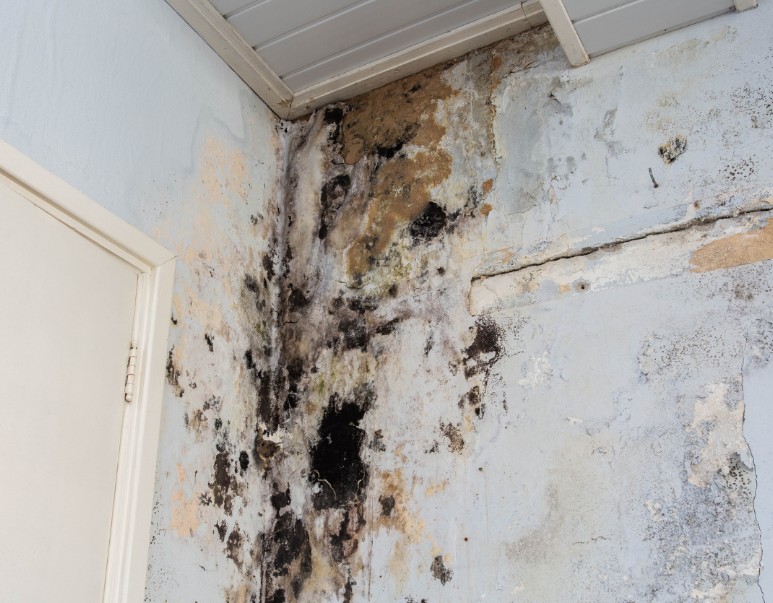
After a small kitchen fire in my St. Augustine, FL home, I contacted PuroClean Emergency Restoration Services for fire damage restoration. Water from putting out the fire created high humidity, raising concerns about mold. Their team removed water, dried the structure, cleaned soot, and treated surfaces, preventing mold and making my home safe again in just a few days.
How Did I Discover Fire and Water Damage in My Home?
It started on a quiet March morning. I was cooking breakfast when my stove caught fire. Luckily, I got out safely, but the fire department had to use a lot of water to put it out. My kitchen floor was soaked, and water had spread to the living room. The plaster walls, which are typical in older St. Augustine homes, absorbed moisture quickly.
At first, I didn’t think it was a huge deal. The water didn’t look deep, and I assumed it would dry on its own. But within hours, I noticed a damp smell and a few dark spots appearing along the baseboards.
I remembered reading that excess moisture after a fire can lead to mold. With the high humidity of early spring in St. Augustine, I knew the risk was serious.
Why Immediate Action Was Necessary
Timing mattered because moisture can seep into walls, floors, and furniture. The combination of water from firefighting, lingering humidity, and my home’s older construction could allow mold to form within a couple of days. I also had items in my kitchen and living room that I wanted to save, like rugs and cookware.
Addressing the issue early helps prevent further damage and allows the affected areas to dry properly. I realized that waiting could make drying slower and increase the likelihood of mold, which would create additional problems beyond the fire damage itself.
What Steps Did PuroClean Take to Prevent Mold?
When PuroClean Emergency Restoration Services arrived, they began with a thorough inspection. They measured moisture levels in walls, floors, and ceilings, checking even hidden areas behind cabinets and inside closets. They also inspected furniture and personal items to see what could be cleaned or needed temporary removal.
Next, they removed the standing water using professional extraction equipment. Some carpets and padding were too soaked to save, so these were taken out to let the floor dry fully. Air movers and dehumidifiers were positioned throughout the home to accelerate drying. It was interesting to see how much airflow and dehumidification helped; the humidity dropped noticeably after a few hours.
They cleaned soot from counters, walls, and ceilings, which prevents particles from encouraging mold growth. Areas that remained damp were treated with antimicrobial solutions to reduce any chance of mold forming. Items that could be salvaged were packed out, cleaned, deodorized, and stored off-site until the home was ready to receive them again.
Because it was March, extra care was needed. Spring in St. Augustine can be humid, and occasional rain can make drying slower. The team monitored moisture levels daily and adjusted dehumidifiers to ensure everything was completely dry before bringing back my belongings.
The water damage restoration process also included drying out cabinets, floors, and sections of plaster walls that had absorbed water. By combining fire damage restoration with water restoration techniques, they minimized the chance of mold and saved me from hidden future problems.
Estimated Costs and Timeframe
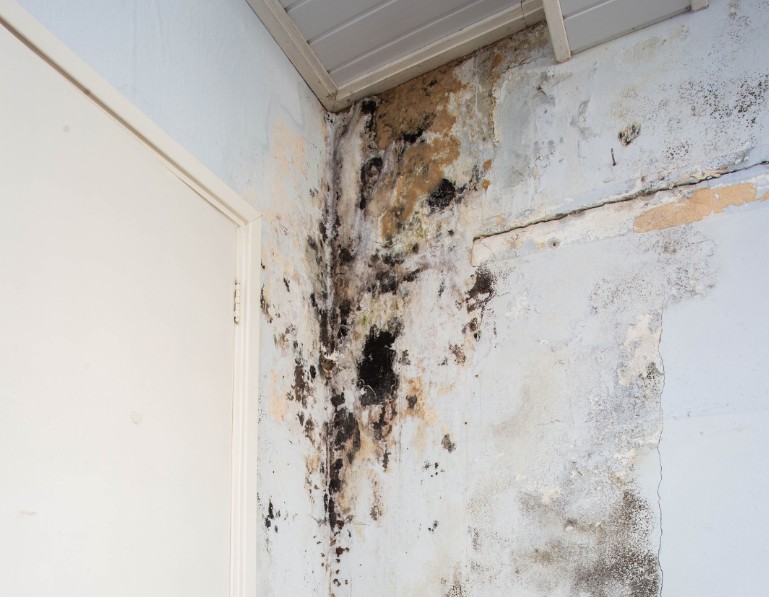
The restoration took about 3–4 days from start to finish. Based on local averages in St. Augustine for a kitchen fire with water damage, the total cost fell between $4,000 and $7,500. Several factors affected the price, including how much water was absorbed, the size of the kitchen, the number of items needing cleaning or packing, and local humidity levels.
Early spring humidity added complexity, requiring longer monitoring with dehumidifiers. Accessing tight spaces under cabinets and behind appliances also added to labor time. While it might seem simple to dry a few rooms, the process requires careful steps to make sure every corner is properly treated, reducing the risk of mold forming later.
Tips and Frequently Asked Questions
Can I prevent mold myself after a small fire?
Some small areas might dry with towels and fans, but hidden moisture can remain in walls, floors, or behind cabinets. Professional fire and water damage restoration is usually safer for preventing mold.
How quickly should water be removed after fire damage?
Even a few hours of standing water can allow moisture to soak into structures. Removing water immediately reduces the risk of mold and limits further damage.
Do I need to remove furniture and belongings?
Wet or soot-covered items may need to be cleaned or temporarily stored. Professionals can assess what can be saved and prevent contamination from lingering dampness.
Does humidity affect mold growth after a fire?
Yes. St. Augustine’s spring humidity can slow natural drying. Dehumidifiers and air movers are necessary to maintain proper drying rates and prevent mold.
Which areas are most at risk for mold after water damage?
Closets, under cabinets, behind appliances, and corners often hold hidden moisture. Checking these areas is important to prevent mold from starting unnoticed.
Why I Trusted PuroClean Emergency Restoration Services in St. Augustine, FL
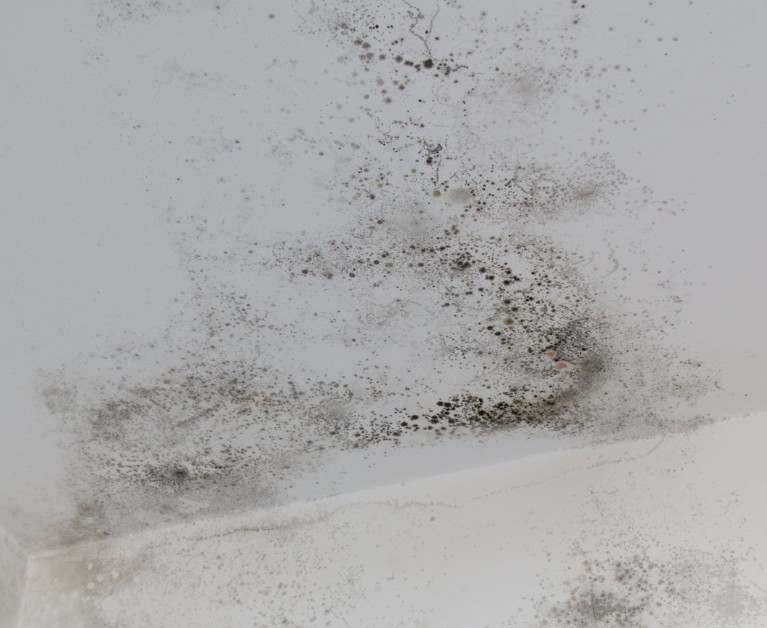
Their team knew local home construction and spring weather patterns. They handled both fire damage restoration and water restoration carefully, monitored humidity, and packed out items to reduce exposure to moisture. The process focused on drying, cleaning, and mold prevention. Their local knowledge helped ensure the job was done efficiently and thoroughly.
Taking Action After Fire Damage
Prompt action made all the difference for my home. Addressing water and fire damage early helped prevent mold and further structural issues. If you experience fire or water damage in St. Augustine, FL, you can speak with PuroClean Emergency Restoration Services directly or send a message online to start restoration and mold prevention for your property.