


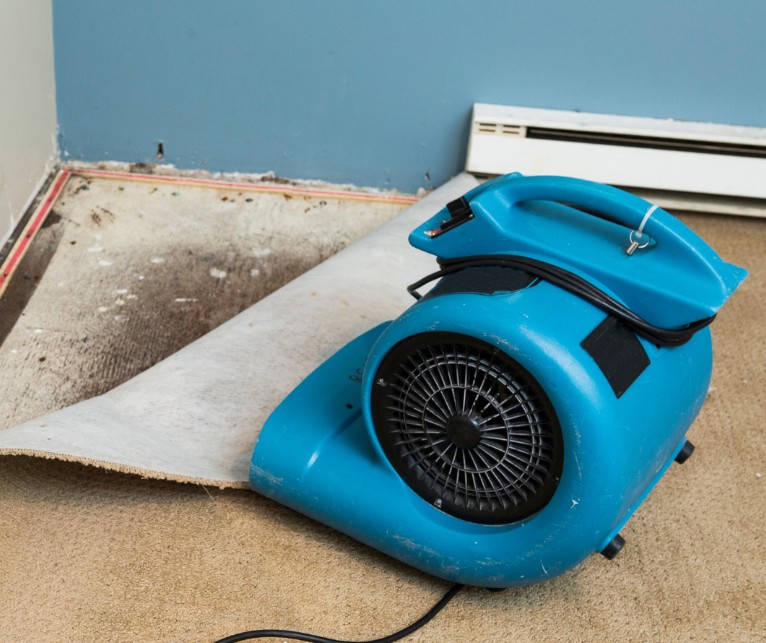
When I found water pooling in my St. Augustine home, I learned that water restoration means more than just cleanup. It includes identifying the source, removing water, drying the structure, and restoring damaged materials. Quick action helped prevent mold growth and further structural issues after the leak.
How I Discovered the Water Damage in St. Augustine
I live in an older home near the historic district, and February weather in St. Augustine can be unpredictable. One morning, I noticed a musty smell and damp spots on my ceiling. I thought it was just a small stain at first, but then the drywall started to sag, and the carpet felt damp under my feet.
That’s when I realized it was more than a cosmetic issue. The leak had been happening for some time, and the water had traveled through the ceiling and soaked the drywall and insulation. In a coastal city like St. Augustine, the humidity can make these issues worse because moisture stays trapped longer than you might expect.
I started searching for water damage restoration near me, and I wanted to understand what water restoration really meant. I knew I needed help, but I also wanted to make sure the problem was addressed correctly and not just temporarily patched.
What Water Restoration Involves in a Coastal Area
Water restoration is a step-by-step process. It begins with an inspection to determine the source of the water and the extent of the damage. In my case, the problem was a leaking pipe inside the wall. The water had spread beyond the visible area, and it was affecting both the ceiling and the flooring.
The team used moisture meters and hygrometers to check the walls and floors for hidden moisture. That was important because water can travel through the structure and hide in areas you cannot see. It is easy to miss the full scope of the damage if you only look at the surface.
Once the inspection was complete, they removed the wet drywall and soaked insulation. Then they used water extraction equipment to remove standing water from the area. After that, industrial-grade drying equipment was set up to pull moisture out of the structure. The goal was to dry the space safely and prevent mold growth.
Because it was February, the drying process needed extra attention. Even though it is cooler in winter, the humidity in St. Augustine can still be high. That slows evaporation and makes drying more challenging. The team monitored moisture levels daily to ensure the structure was drying properly.
During the restoration process, they also checked for secondary issues like odor and potential mold growth. They recommended carpet cleaning and checking the air conditioning drainage lines, since those can cause leaks during cooler months. It was helpful to know what to watch for in the future.
Why Water Mitigation Matters in St. Augustine
Water mitigation is part of the restoration process. It involves stopping the source of the water and preventing further damage. In my situation, that meant addressing the leaking pipe and removing water quickly so it would not spread.
Immediate mitigation helps prevent structural problems and reduces the risk of mold growth. In St. Augustine, where older homes and coastal humidity are common, prompt action is especially important. Even a slow leak can cause significant damage if it is left alone for too long.
How Long the Job Took and What It Cost
From what I learned in St. Augustine, a typical water restoration job like mine usually falls between $1,200 and $4,000, depending on the size of the affected area and how much drywall and insulation need to be replaced.
The work took about three to five days, including drying time. The first day was inspection and water removal. The next few days were focused on drying and monitoring moisture levels. Finally, the team replaced drywall and made sure the area was stable before finishing.
In February, the drying time can be longer because the weather stays humid and cooler. That meant the process needed more monitoring than it would in a dryer month. It was worth taking the extra time to make sure the structure was fully dry and safe.
Common Causes of Water Damage in St. Augustine Homes

From my experience and what I learned during the process, water damage can come from several sources. In St. Augustine, these issues are common in older homes and in areas with high humidity:
Leaking Pipes
A small leak inside a wall can go unnoticed for weeks. Once the water spreads, it can damage drywall, insulation, and floors. In my case, the leak was hidden until the ceiling started sagging.
Overflowing Appliances
Washing machines, sinks, and bathtubs can overflow if they are left unattended or if a pipe fails. The water can travel into floors and walls, causing damage that may not be visible at first.
Roof Leaks
Roof leaks can be caused by wear and tear, missing shingles, or storm damage. When water enters through the roof, it can affect ceilings and attic spaces. If left untreated, it can lead to mold growth and structural problems.
Storm Damage and Flooding
St. Augustine is a coastal city, so storms and heavy rain can cause flooding. Flash floods can happen quickly, and they can affect homes even if they are not in a flood zone.
Why I Chose PuroClean in St. Augustine, FL

What stood out to me was the structured approach and the attention to detail. The team handled the inspection, water extraction, and drying methodically, and they communicated the progress clearly. They also addressed secondary services like carpet cleaning and mold removal when needed, which made the process more complete.
In a city like St. Augustine, where older homes and coastal humidity can create hidden moisture issues, having a process-based approach made sense. The goal was not just to remove water but to restore the space safely and efficiently.
Next Steps If You Need Water Restoration in St. Augustine
If you notice signs of water damage in your home, it is important to act quickly. Water restoration in St. Augustine involves stopping the water source, removing water, drying the structure, and restoring affected areas.
If you need water restoration, call the team today or submit a request through their online form. They can help assess the situation, explain the process, and guide you through the next steps.