


Jump To:
That stubborn smell won’t go away. You’ve scrubbed every surface and burned through a dozen candles, but your home still reeks of smoke. The good news? Professional smoke and odor removal can eliminate even the most persistent smells.
Our team at PuroClean of Redmond/Woodinville has tackled countless smoke situations over 16 years serving the Greater Eastside. There’s a big difference between masking a smell and eliminating it. Let’s talk about what works and when to call in the pros.
Why Smoke Odor Lingers After a Fire
Smoke particles are incredibly tiny. We’re talking microscopic. These particles don’t just sit on surfaces; they penetrate deep into porous materials like drywall, carpet, fabric, and wood. That’s why wiping down your kitchen counters doesn’t touch the smell hiding in your walls.
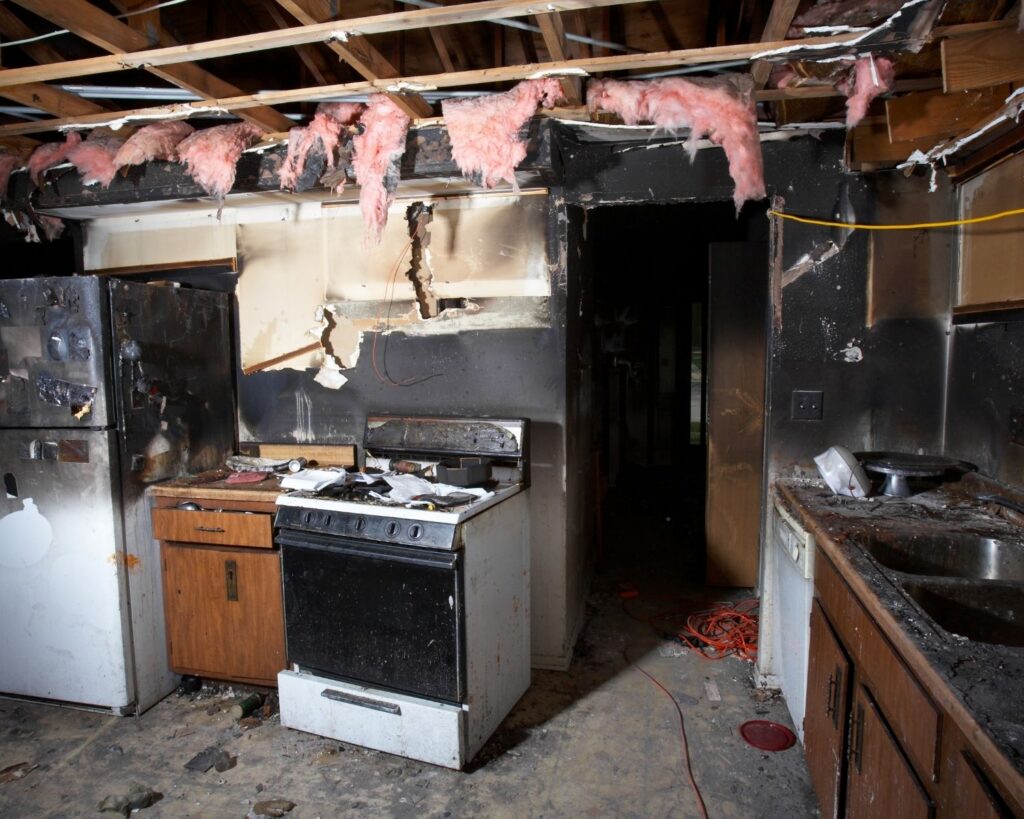
Different fires produce different types of smoke residue. A kitchen grease fire creates an oily, protein-based soot that’s notoriously difficult to remove. Wood-burning fires leave behind dry, powdery residue. Electrical fires produce sticky, acrid smoke that clings to everything. The IICRC S700 standard for fire and smoke restoration identifies multiple smoke residue categories, and each requires different treatment approaches.
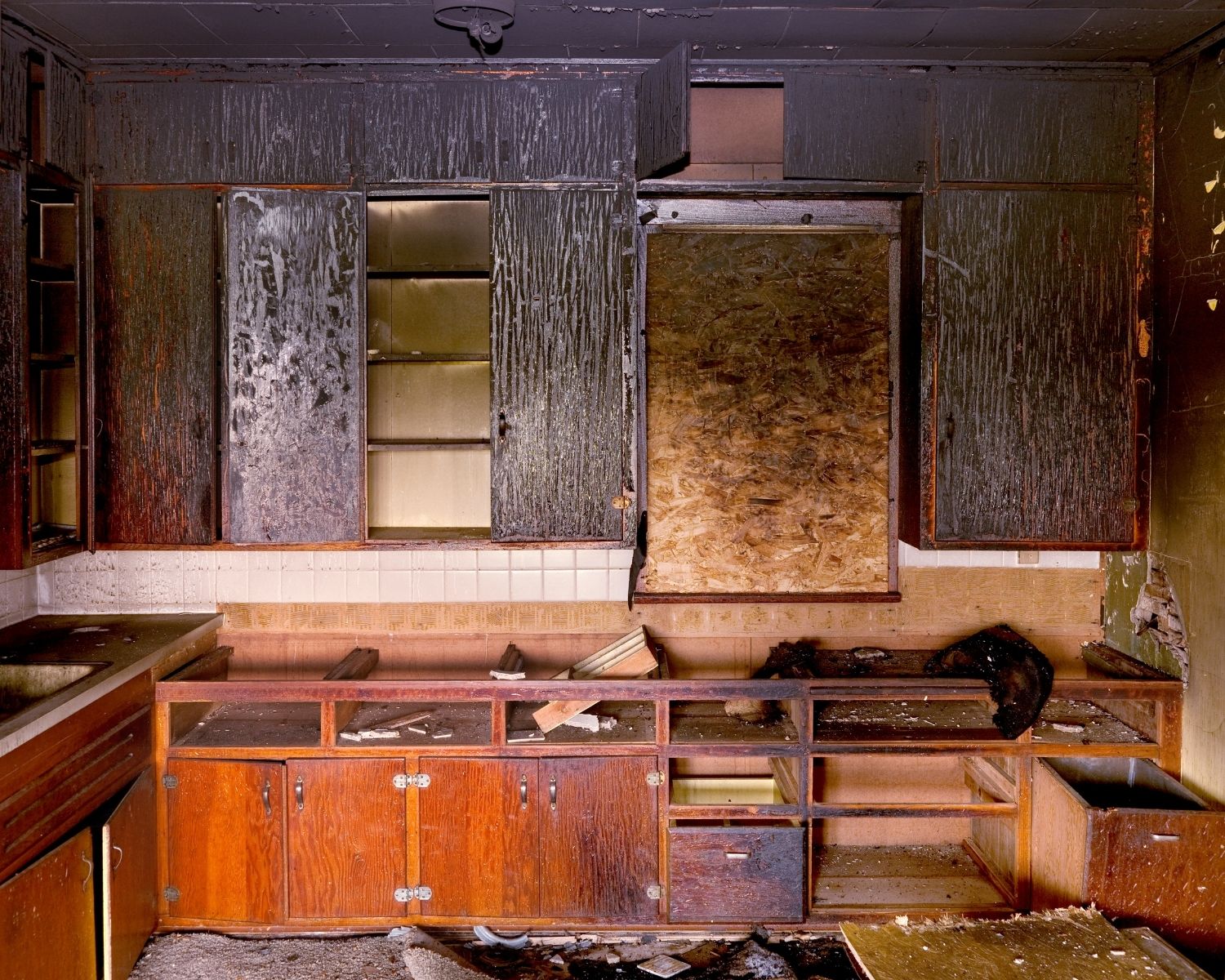
Kitchen fires produce protein-based smoke requiring specialized cleaning techniques.
How to Assess Smoke Damage in Your Home
Before you start scrubbing, you need to understand what you’re dealing with. A proper assessment helps you determine whether this is a weekend project or a job for professionals.
Visual Inspection Checklist
Walk through your home and look for these signs:
- Soot deposits on walls and ceilings, especially near air vents and in corners
- Discoloration on light-colored surfaces indicating smoke penetration
- Residue inside cabinets and closets suggesting smoke has spread throughout the structure
- Film on glass surfaces like windows, mirrors, and picture frames
- Odor concentration areas where the smell is strongest
Damage Severity Guide
| Level | Signs | Recommended Action |
|---|---|---|
| Light | Faint odor, minimal residue, localized to one room | DIY cleaning may be sufficient |
| Moderate | Noticeable soot, odor in multiple rooms, affected soft furnishings | Professional assessment recommended |
| Severe | Heavy soot, structural penetration, HVAC contamination | Professional restoration required |
Dealing with smoke damage in your home?
Our IICRC-certified technicians provide free estimates and 24/7 emergency response across the Greater Eastside.
Get a Free AssessmentDIY Smoke Odor Removal Techniques
For light smoke damage, you can tackle some cleanup yourself. But here’s the honest truth: DIY methods work best as a first response or for minor incidents. They rarely solve serious smoke penetration.
Ventilation First
Open everything. Windows, doors, interior doors between rooms. Create cross-ventilation with fans. This won’t eliminate embedded odors, but it removes airborne particles and gives you a cleaner starting point.
Surface Cleaning Methods
Hard surfaces respond well to a simple cleaning solution: mix one tablespoon of dish soap with one tablespoon of white vinegar in a quart of warm water. Work from the top down to prevent drips. For walls, use a dry chemical sponge first to lift loose soot before any wet cleaning.
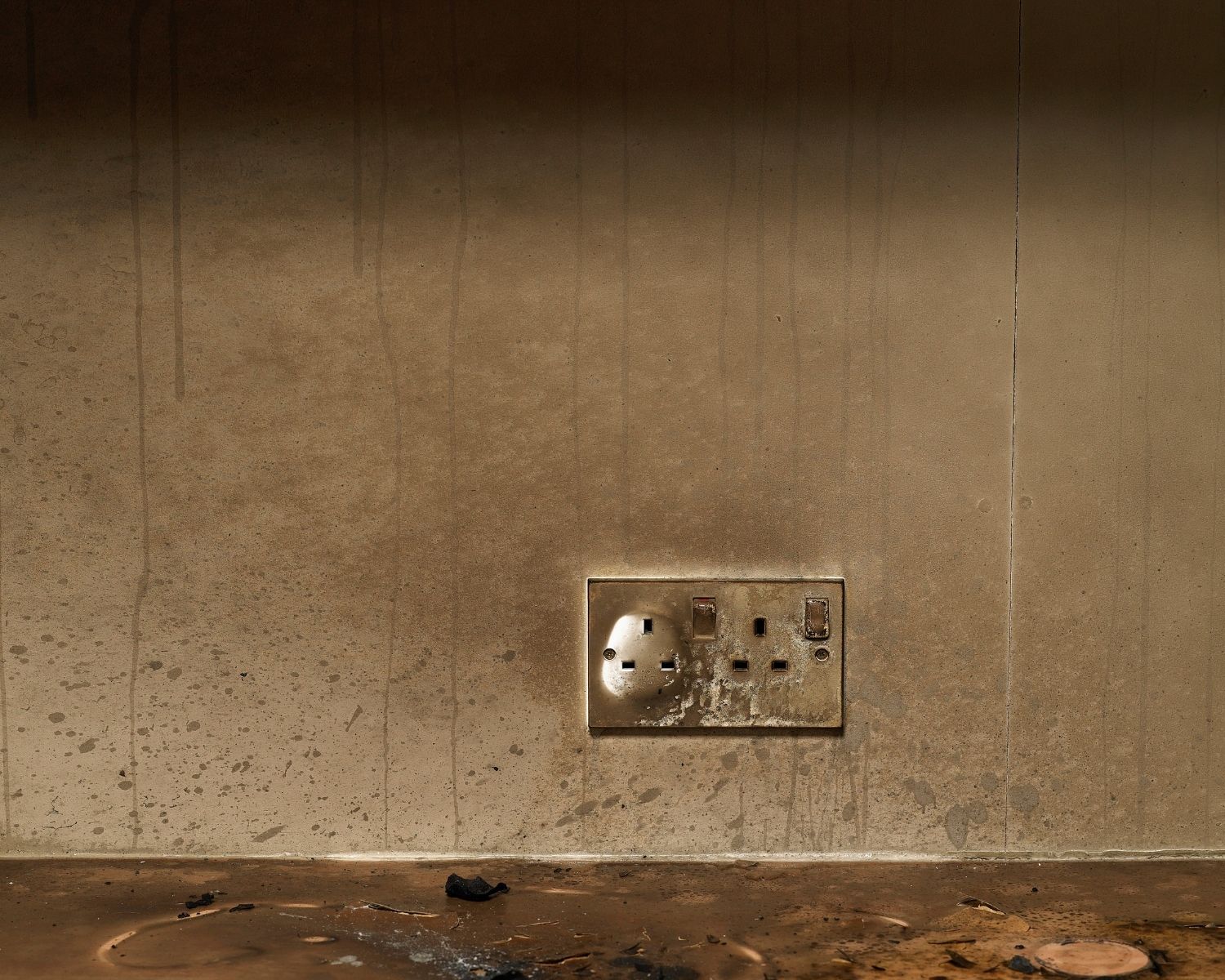
Soot on walls requires careful cleaning techniques to avoid spreading the residue.
Soft Materials and Fabrics
Washable items should be laundered with a cup of baking soda added to the detergent. For upholstered furniture, sprinkle baking soda liberally, let it sit overnight, then vacuum thoroughly. Repeat as needed.
Professional Deodorization Methods That Work
When DIY falls short, professional restoration companies use specialized equipment targeting smoke particles at the molecular level. According to the EPA’s guidance on indoor air quality, professional-grade air cleaning and source removal are often necessary for complete remediation.
Thermal Fogging
This technique creates a heated fog that penetrates the same spaces smoke particles reached. The deodorizing agents neutralize odors rather than masking them. Thermal fogging is particularly effective for smoke that has penetrated soft materials and hidden cavities.
Ozone Treatment
Ozone generators produce ozone molecules that break down odor-causing compounds at the molecular level. This method requires the home to be unoccupied during treatment. It’s powerful stuff, and it works on odors nothing else touches.
Hydroxyl Generators
These machines create hydroxyl radicals that safely neutralize odors while people can remain in the space. Particularly useful for ongoing odor treatment during the restoration process.
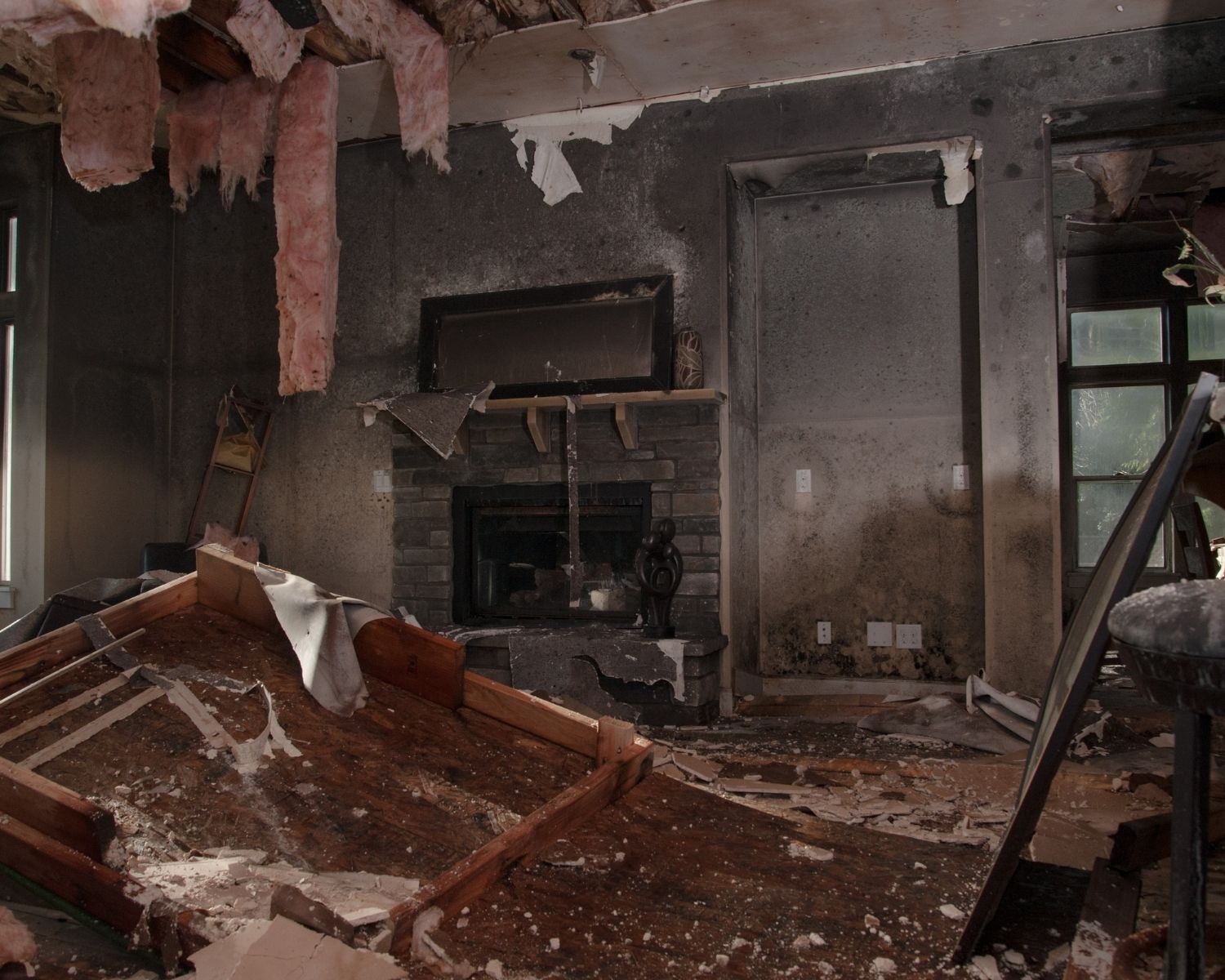
Fireplace fires can spread smoke damage throughout main living areas.
The Professional Smoke Removal Process
Step 1
Damage assessment and documentation
Step 2
HVAC inspection and cleaning
Step 3
Soot removal from surfaces
Step 4
Deodorization treatment
Step 5
Final odor verification
When to Call Fire Damage Restoration Experts
Knowing when to call for help can save you weeks of frustration and prevent long-term damage. Here are clear indicators that professional intervention is necessary:
- Smoke odor persists after multiple DIY cleaning attempts
- Soot is visible inside your HVAC ducts or near vents
- The fire involved synthetic materials like plastics or electronics
- Smoke damage extends beyond a single room
- You or family members experience respiratory irritation
- Your insurance company requires professional documentation
We’ve written extensively about fire damage assessment for Washington homeowners, and one thing we emphasize: early professional assessment often prevents secondary damage and reduces overall costs.
For a deeper understanding of the complete process, our guide on fire remediation stages walks through what to expect when professionals handle your smoke and fire damage restoration.
Frequently Asked Questions About Smoke Odor Removal
How long does smoke odor last without treatment?
Without proper treatment, smoke odor can linger for months or even years. Particles embed in porous materials and continue releasing odor molecules over time. Temperature changes often intensify the smell as materials expand and contract.
Can air fresheners eliminate smoke smell?
Air fresheners only mask smoke odor temporarily. They do nothing to remove the particles causing the smell. True odor elimination requires removing or neutralizing source particles themselves.
Does homeowners insurance cover smoke odor removal?
Most homeowners policies cover smoke damage restoration when it results from a covered fire incident, including deodorization and content cleaning. Document all damage with photos and keep receipts. We work directly with insurance adjusters to streamline the claims process.
How quickly should I address smoke damage?
Time matters significantly. Soot becomes more difficult to remove as it sets, and odors penetrate deeper into materials with each passing day. Ideally, professional assessment should happen within 24 to 48 hours of the incident.
Ready to Get Rid of That Smoke Smell for Good?
PuroClean of Redmond/Woodinville provides 24/7 emergency response and free estimates throughout King and Snohomish Counties.
Contact Our Team Today