 PuroClean of Redmond/Woodinville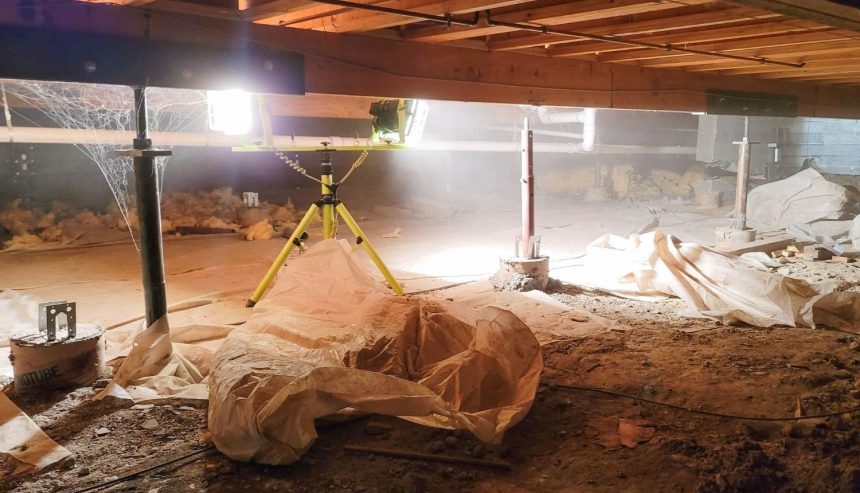
Jump To:
That musty smell wafting up from your floors? It might be more than just an old house quirk. Crawl space water damage affects thousands of Eastside homes every year, and most homeowners have no idea it’s happening until the problem becomes serious. At PuroClean of Redmond/Woodinville, our IICRC-certified technicians have spent nearly two decades helping King County and Snohomish County homeowners tackle these hidden disasters. The good news is that professional water damage restoration can address even the worst crawl space situations.
Below-grade spaces present unique challenges that above-ground rooms simply don’t face. The combination of limited access, poor ventilation, and proximity to groundwater creates ideal conditions for water intrusion. Let’s break down the specific challenges Eastside homeowners face and explore solutions that actually work.
Why Eastside Crawl Spaces Are Particularly Vulnerable
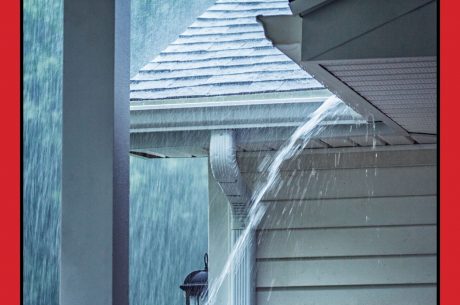
The Greater Eastside sits in a region known for persistent rainfall and seasonal flooding. Our soil composition, which includes significant clay content in many neighborhoods, doesn’t drain water efficiently. When atmospheric rivers dump inches of rain in short periods, that water has to go somewhere.
Crawl spaces bear the brunt of this weather pattern. They’re built at or below grade level, making them the lowest point in your home’s structure. Water always seeks the lowest point, and in many Eastside homes, that destination is directly beneath your living space. The problem compounds over time. Each rain event introduces more moisture, and without proper drainage or vapor barriers, that moisture accumulates.
Many homes built before current building codes lack adequate crawl space protection. Older homes in established neighborhoods often have minimal or deteriorated vapor barriers, insufficient ventilation, and outdated drainage systems. Building science has evolved significantly, and we now understand crawl space moisture dynamics much better than builders did decades ago.
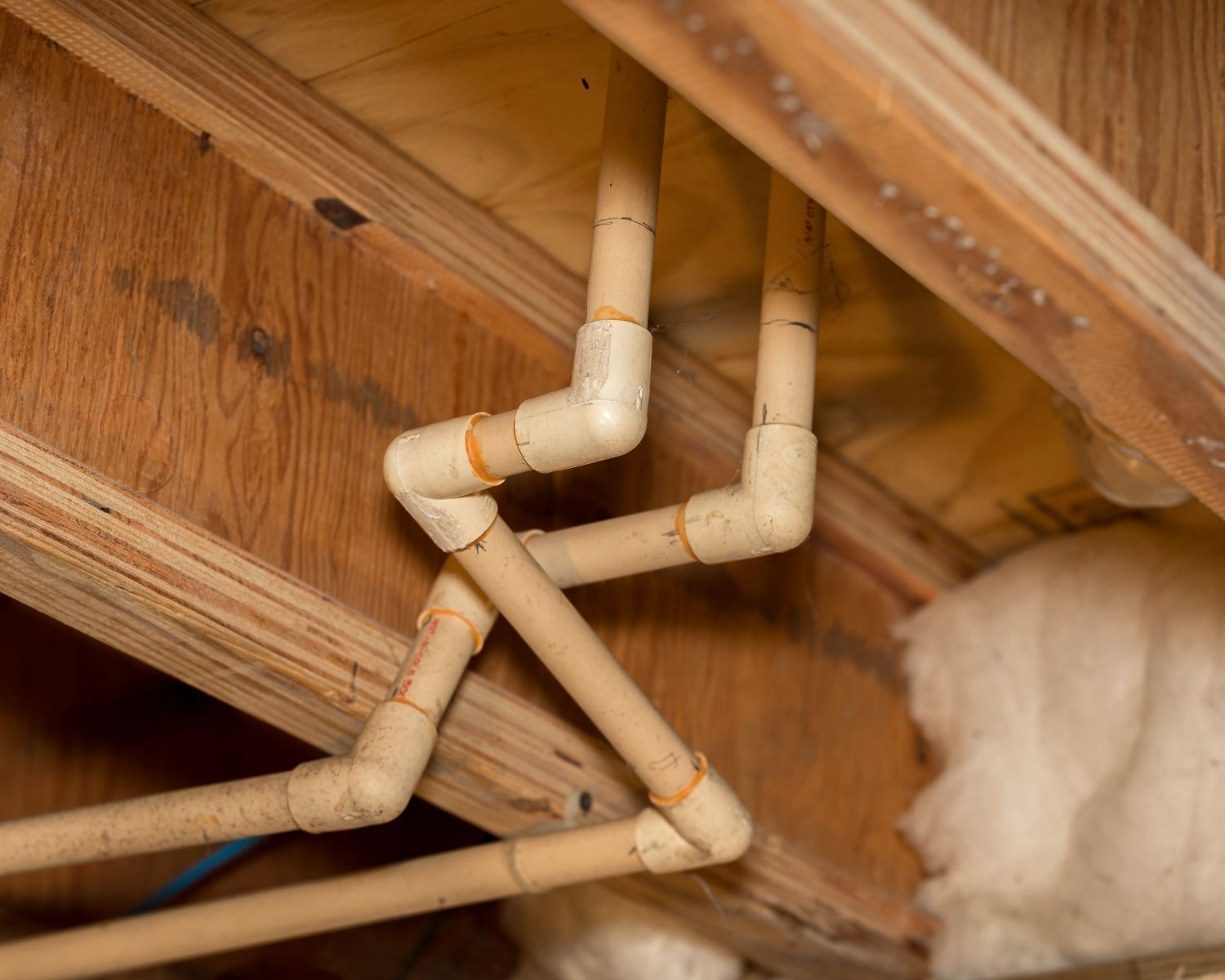
Crawl spaces contain critical plumbing infrastructure that requires protection from moisture damage.
Homes in Redmond, Woodinville, Bellevue, and Kirkland face additional pressure from the region’s water table. During wet months, groundwater can rise significantly, pushing moisture up through foundation cracks. We’ve responded to countless calls from homeowners who discovered standing water in crawl spaces they hadn’t checked in years.
7 Warning Signs of Crawl Space Water Damage
Most crawl space problems announce themselves before they become emergencies. The trick is knowing what to look for. Here are the indicators our Redmond restoration team encounters most frequently:
1. Musty or Earthy Odors Indoors
That damp, basement-like smell seeping through your floors isn’t normal. It usually indicates mold growth or standing water below. The odor often intensifies during humid weather or after rain.
2. Increased Humidity Throughout Your Home
Condensation on windows, clammy air, and that sticky feeling inside all point to excess moisture. Your crawl space contributes to your home’s overall humidity levels through the stack effect.
3. Warped or Buckling Hardwood Floors
Wood absorbs moisture from below. When crawl space humidity rises, your hardwood floors pay the price. Cupping, crowning, and gaps between boards are classic symptoms.
4. Visible Mold Growth on Surfaces
Black spots on floor joists, fuzzy white patches on concrete walls, or green growth on wood supports all indicate active mold colonies. According to the EPA’s guide on mold and moisture, controlling moisture is the key to controlling indoor mold growth.
5. Pest Infestations
Insects and rodents love damp crawl spaces. If you’re noticing more bugs or hearing scratching sounds beneath your floors, moisture may be creating an inviting habitat.
6. Cold Floors in Winter
Wet insulation loses its effectiveness completely. When crawl space moisture saturates your floor insulation, you’ll feel it through your feet.
7. Foundation Cracks or Efflorescence
White, chalky deposits on concrete indicate water is moving through your foundation. New cracks that appear after heavy rains suggest hydrostatic pressure is building against your foundation walls.
Concerned About Your Crawl Space?
Our team provides free crawl space assessments throughout King County and Snohomish County. We’ll identify moisture issues before they become major problems.
Schedule Your Free AssessmentCommon Causes of Crawl Space Flooding on the Eastside
Understanding what’s causing your crawl space water problem is half the battle. Different causes require different solutions. Here’s what we encounter most often:
Groundwater Intrusion
Rising water tables push moisture up through foundation cracks, gaps around pipe penetrations, and even through concrete itself. This issue intensifies during prolonged wet periods and is common in low-lying areas of Woodinville and parts of Kirkland near streams or wetlands.
Poor Surface Drainage
When grading around your foundation slopes toward the house instead of away from it, rainwater collects against your foundation walls. Clogged gutters and missing downspout extensions compound this problem dramatically. For more on atmospheric river impacts in our region, check out our guide on atmospheric river flooding and your crawlspace.
Plumbing Leaks
Supply lines and drain pipes run through most crawl spaces. Slow leaks can go undetected for months, creating ideal conditions for mold growth that requires professional remediation.
Sump Pump Failures
Many Eastside homes rely on sump pumps to manage crawl space water. When these fail during power outages or mechanical breakdowns, flooding follows quickly. Our article on sump pump failure recovery covers what to do.
Condensation Buildup
Warm, humid outside air meets cool crawl space surfaces and releases moisture. In our climate, this condensation can occur year-round. Inadequate ventilation makes this worse.
Crawl Space Water Sources: Quick Reference
| Water Source | Warning Signs | Primary Solution |
|---|---|---|
| Groundwater | Standing water after rain, damp soil | Drainage systems, sump pump |
| Surface Water | Water stains on walls, erosion at foundation | Grading correction, gutter maintenance |
| Plumbing Leaks | Localized wet areas, increased water bills | Plumbing repair, extraction |
| Condensation | Widespread dampness, dripping surfaces | Vapor barrier, dehumidification |
Professional Crawl Space Remediation: What to Expect
Fixing crawl space water damage isn’t a weekend DIY project. The confined space, potential hazards, and specialized equipment requirements make professional intervention essential. Here’s how our team approaches these projects:
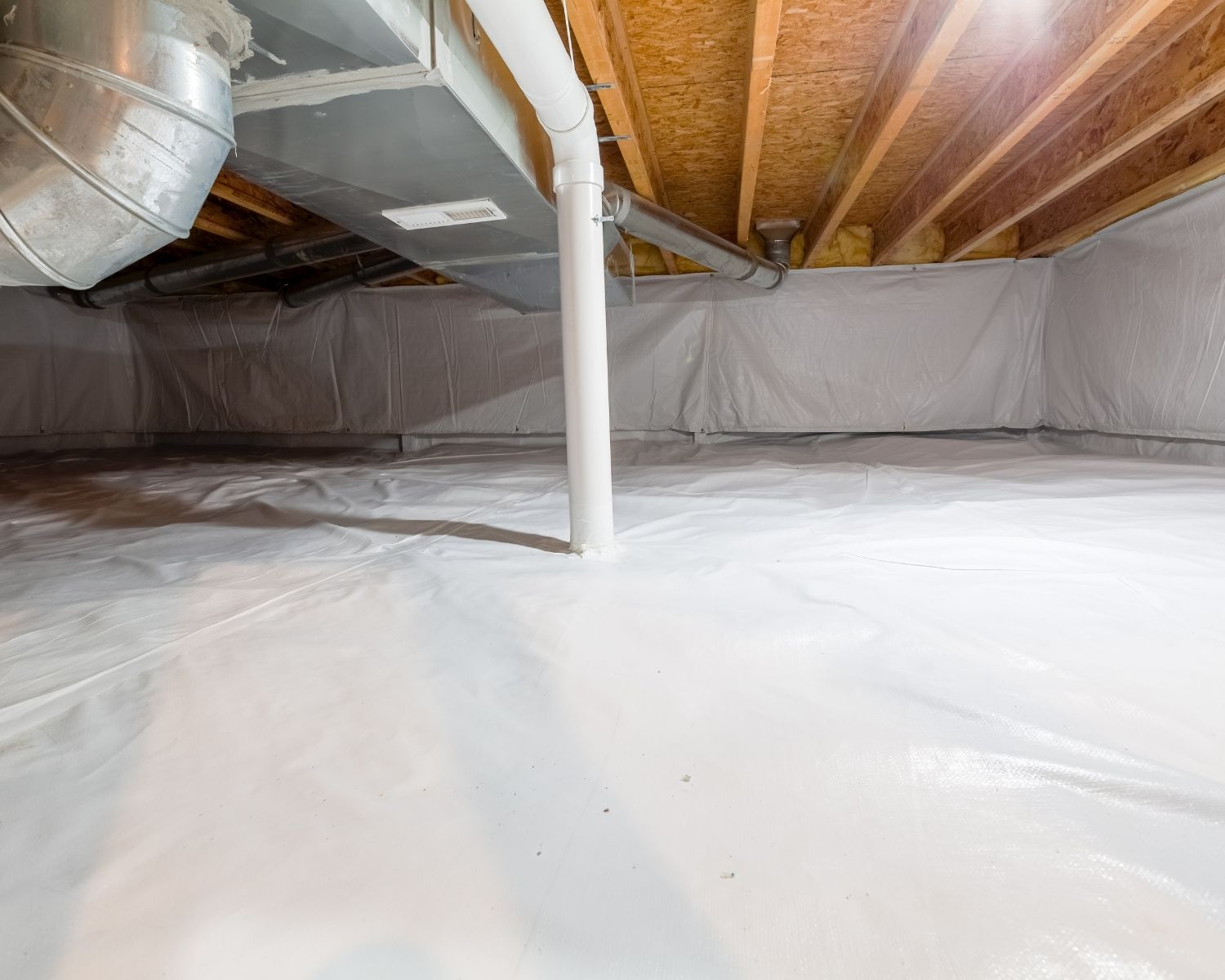
A properly encapsulated crawl space creates a moisture barrier that protects your home’s structural components.
Step 1: Comprehensive Assessment
We start with a thorough inspection of the entire crawl space. This includes moisture readings, structural evaluation, and identification of water entry points. You can’t fix what you haven’t properly diagnosed.
Step 2: Water Extraction
Standing water must go first. Our teams use commercial-grade pumps and extraction equipment designed for tight spaces. Speed matters here because the longer water sits, the more damage accumulates.
Step 3: Debris Removal
Contaminated insulation, damaged vapor barriers, and organic debris all need removal. This material often harbors mold spores and bacteria.
Step 4: Drying and Dehumidification
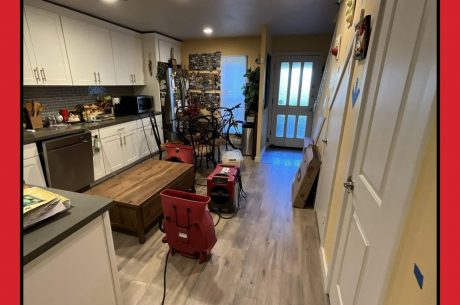
Industrial air movers and dehumidifiers work together to remove moisture from wood structures and concrete surfaces. We monitor moisture levels throughout this phase, adjusting equipment placement as conditions change.
Step 5: Antimicrobial Treatment
Once surfaces are dry, we apply EPA-registered antimicrobials to prevent future mold growth. The CDC recommends thorough cleaning and disinfection after any flooding event to protect occupant health.
Step 6: Structural Repairs and Prevention
Damaged wood may need replacement. We also address the root cause of water intrusion, whether that means drainage improvements or vapor barrier installation.
Crawl Space Protection Checklist for Eastside Homeowners
Prevention always costs less than remediation. These steps can significantly reduce your crawl space water damage risk:
Quarterly Inspection Tasks
- Visually inspect the crawl space for standing water or damp soil
- Check for new cracks in foundation walls
- Verify sump pump operation by pouring water into the basin
- Inspect vapor barrier for tears or displacement
- Look for signs of pest activity or nesting
Seasonal Maintenance
- Clean gutters and downspouts before fall rains
- Extend downspouts at least 6 feet from foundation
- Verify proper grading directs water away from your home
- Insulate exposed pipes before winter freezes
- Consider battery backup for sump pumps before storm season
Annual Professional Evaluation
- Schedule comprehensive moisture testing
- Have HVAC ducts inspected for condensation issues
- Evaluate drainage system performance
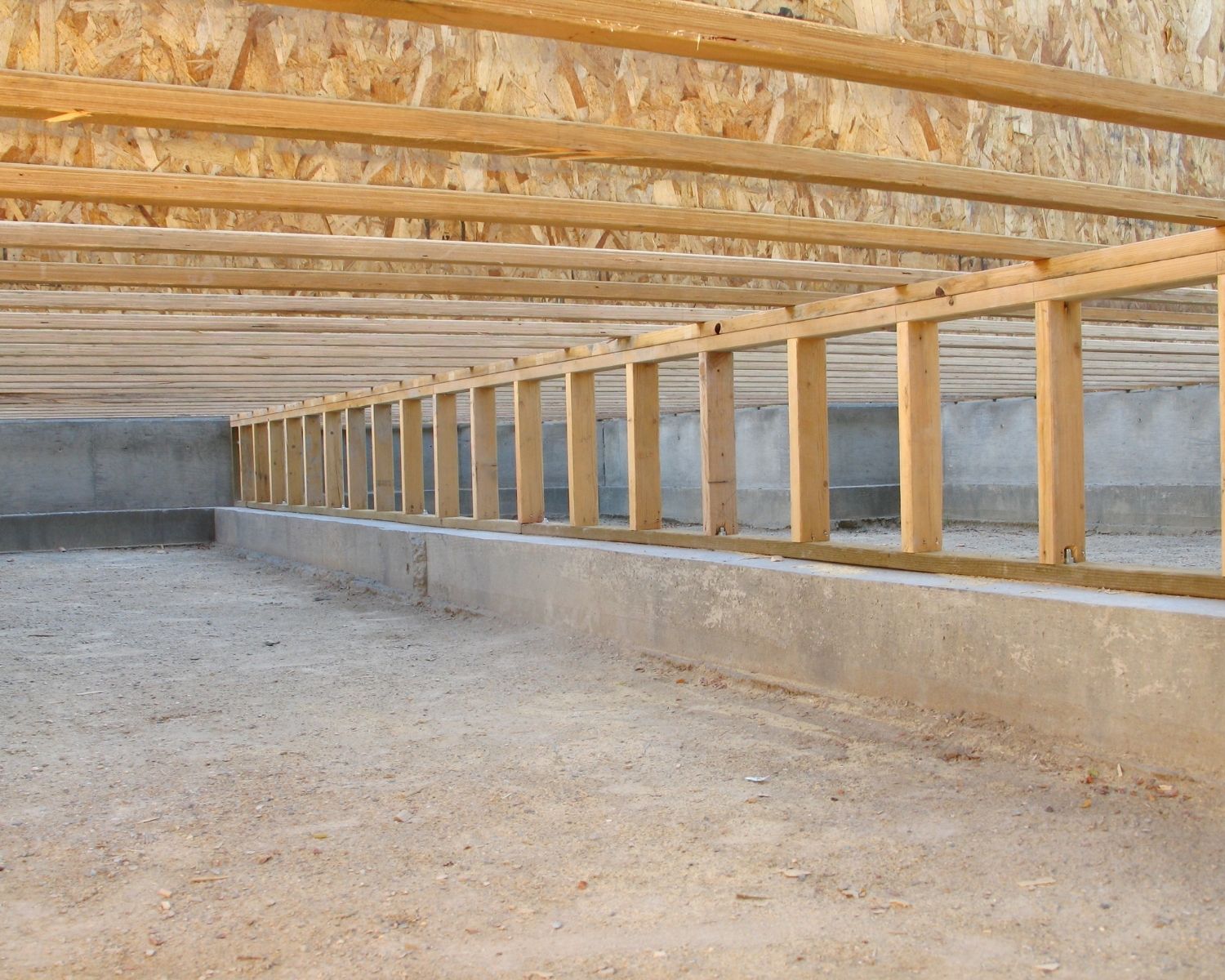
A well-maintained crawl space protects your home’s foundation and indoor air quality.
When to Call for Professional Help
Some crawl space issues require professional attention. Don’t wait if you discover standing water exceeding a few inches, visible mold growth on structural components, sagging floors or bouncy joists, or sewage contamination of any kind. These situations pose health risks and can cause progressive structural damage that worsens with time.
The confined nature of crawl spaces creates additional hazards. Limited ventilation can allow dangerous gases to accumulate. Electrical wiring, HVAC components, and plumbing all converge in these spaces. Professional restoration technicians have training and equipment specifically designed for safe crawl space work.
Our team responds to emergencies 24/7 throughout King County and Snohomish County. We understand that crawl space disasters don’t happen during convenient business hours. When you need help fast, contact our team and we’ll be there.
For more guidance on handling water damage discoveries, our article on what to do first after discovering mold provides step-by-step instructions for protecting your family and property.
Frequently Asked Questions
How quickly does crawl space water damage lead to mold growth?
Mold can begin developing within 24 to 48 hours of water exposure in favorable conditions. Crawl spaces provide ideal mold habitat due to limited light, organic materials like wood joists, and poor ventilation. The warm, humid conditions common in Pacific Northwest crawl spaces accelerate this timeline. Prompt water extraction and drying are essential to prevent mold colonization.
Can I dry out my crawl space myself with fans and dehumidifiers?
Consumer-grade equipment typically lacks the capacity for effective crawl space drying. Professional restoration requires commercial dehumidifiers capable of removing 20 to 30 gallons of moisture daily, combined with strategic air mover placement. Proper drying also requires moisture monitoring to confirm materials have reached safe levels. Without this verification, hidden moisture can lead to ongoing damage.
Does homeowner’s insurance cover crawl space water damage?
Coverage depends on the water source and your specific policy. Sudden events like burst pipes typically qualify for coverage. However, gradual seepage, groundwater intrusion, and flood damage usually require separate coverage. We work directly with insurance adjusters and can help document damage for your claim.
How often should I inspect my crawl space for water damage?
We recommend quarterly visual inspections at minimum, with additional checks after heavy rainfall or flooding events. Many Eastside homeowners find that inspections before and after the wet season catch problems early. Annual professional inspections provide thorough assessment including moisture readings that visual checks might miss.

 PuroClean of Redmond/Woodinville