


Jump to Section:
Finding mold in your home can feel like discovering an unwelcome houseguest who’s been throwing parties in your walls while you weren’t looking. Before you panic or grab that bleach bottle, take a deep breath. We’re here to walk you through exactly what to do next. At PuroClean of Redmond/Woodinville, we’ve helped countless homeowners in the Greater Eastside navigate this exact situation, and trust us, you’ve got this. The key is knowing what steps to take and when to call in the professionals for mold removal services.
Step 1: Don’t Touch, Don’t Disturb
Your first instinct might be to start scrubbing away at that suspicious dark patch, but hold up. Disturbing mold can actually make things worse by releasing spores into the air. Think of mold like glitter, once it’s airborne, it gets everywhere and becomes much harder to contain.

Mold growth like this from a pipe leak requires careful assessment before taking any action to avoid spreading spores throughout your home.
What to Do Instead:
- Keep the area undisturbed
- Avoid using fans or air conditioning that could spread spores
- Take photos for documentation (helpful for insurance and professional assessment)
- Note the size and location of the affected area
Step 2: Assess the Situation Safely
Not all mold situations are created equal. A small patch on your bathroom tile is very different from extensive growth behind your kitchen cabinets. Here’s how to safely evaluate what you’re dealing with.
Size Matters
According to the EPA, any mold growth larger than 10 square feet requires professional remediation. That’s roughly the size of a 3×3 foot area. If your mold problem is smaller than this, you might be able to handle it yourself with proper safety precautions.
Mold Assessment Guide
Location Check
Mold in certain areas is more concerning than others:
- High-concern areas: Inside walls, HVAC systems, crawl spaces, or areas with ongoing moisture issues
- Medium-concern areas: Bathrooms, kitchens, basements
- Lower-concern areas: Surface mold on non-porous materials like tile
Step 3: Protect Yourself First
Before you do anything else, your safety comes first. Mold exposure can cause respiratory issues, especially for people with allergies, asthma, or compromised immune systems, according to the CDC’s guidelines on mold and health.
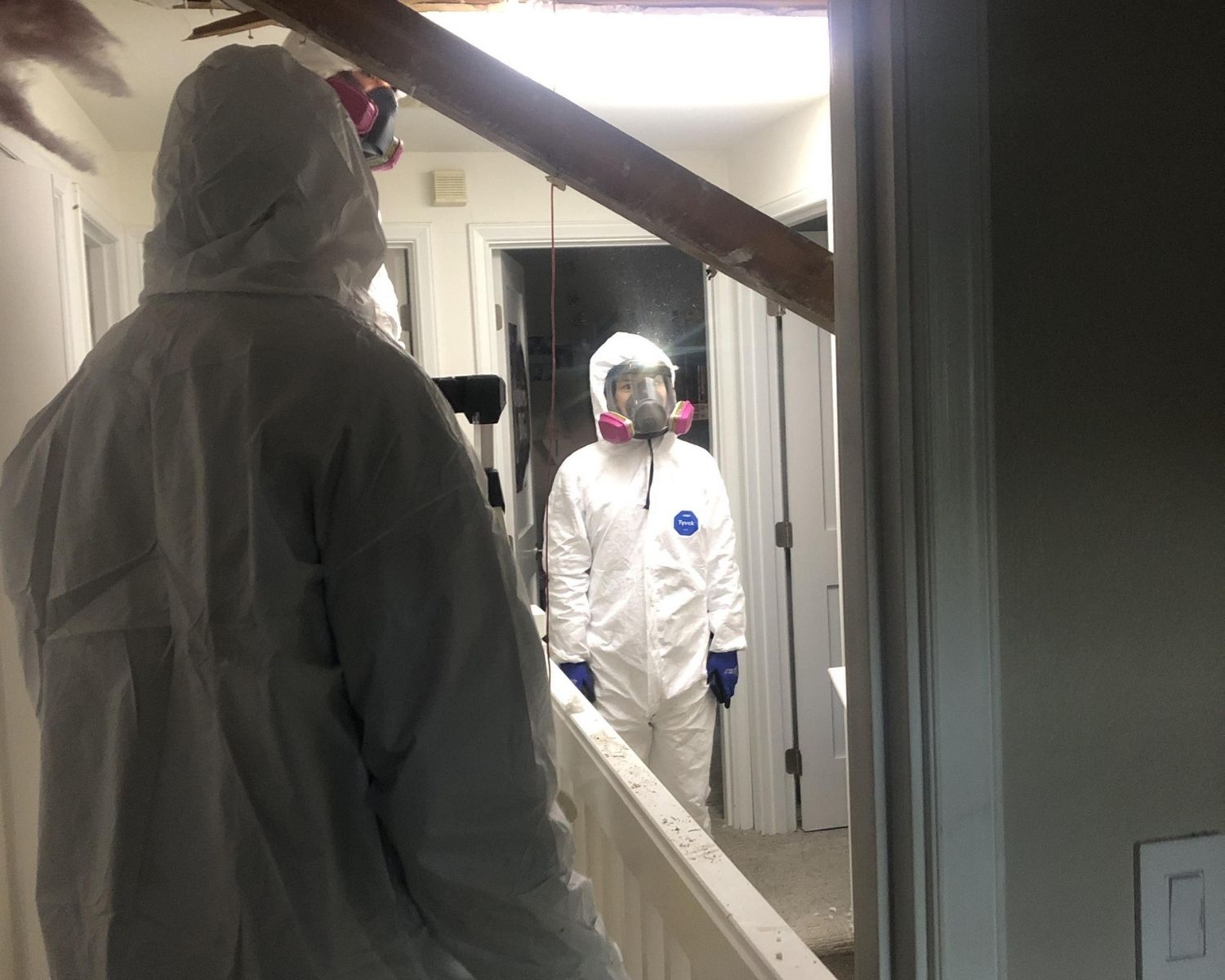
Professional-grade safety equipment like this is essential for safe mold remediation, whether you’re handling small cleanup jobs or calling in the experts.
Essential Safety Gear:
- N95 respirator mask (minimum)
- Rubber gloves
- Eye protection
- Long sleeves and pants
- Shoes you can easily clean or dispose of
Who Should NOT Handle Mold Cleanup:
- Pregnant women
- Children
- Anyone with respiratory conditions
- People with compromised immune systems
- Anyone allergic to mold
Need Professional Assessment?
Ready to take action but not sure where to start? Our team at PuroClean of Redmond/Woodinville offers free estimates and can help you determine the best course of action for your specific situation.
Get Your Free EstimateStep 4: Address the Moisture Source
Here’s the thing about mold: it’s like that friend who only shows up when there’s free food. In mold’s case, that “food” is moisture. If you don’t fix the underlying water problem, you’ll be fighting mold forever.
Common Moisture Sources in the Greater Eastside:
- Leaky pipes or fixtures (check under sinks and around toilets)
- Poor ventilation (especially common in our area’s older homes)
- Roof or window leaks (thanks to our beautiful but wet Pacific Northwest weather)
- Flooding or water damage that wasn’t properly dried
- High humidity levels (should be kept below 60%)
Step 5: Contain the Problem
If you’re dealing with a small area of mold (under 10 square feet) and feel comfortable tackling it yourself, containment is crucial.
DIY Containment Process
Seal Off Area
Use plastic sheeting and duct tape
Turn Off HVAC
Prevent spore circulation
Create Airflow
Fan blowing outside
Work in Sections
Minimize spore spread
Remember, this is only appropriate for small, surface-level mold on non-porous materials. When in doubt, call the pros.
Step 6: Know When to Call Professional Mold Remediation
Some situations absolutely require professional intervention. We’ve been serving the Northshore area for nearly 20 years, and we’ve seen it all. Here’s when you should pick up the phone instead of picking up that scrub brush.
Call Professionals When:
- The affected area is larger than 10 square feet
- Mold is inside walls, ducts, or other hard-to-reach places
- You suspect the mold is due to contaminated water (like sewage)
- You or family members are experiencing health symptoms
- Previous cleanup attempts have failed
- The property has experienced significant water damage
Our IICRC-certified team has the specialized equipment and expertise to handle even the most challenging mold situations safely and effectively.
Step 7: Document Everything
Whether you’re handling the cleanup yourself or calling in professionals, documentation is your friend.
What to Document:
- Photos of the affected areas (before, during, and after cleanup)
- Dates of discovery and cleanup efforts
- Any health symptoms experienced by household members
- Moisture readings and environmental conditions
- Cleaning products and methods used
This information is invaluable for insurance claims and helps professionals understand the full scope of the problem.
Understanding the Cleanup Process
For Small DIY Jobs:
Use appropriate cleaning solutions (never mix products), work in well-ventilated areas, and dispose of contaminated materials properly. After cleanup, monitor the area closely for any signs of return growth.
For Professional Remediation:
Professional mold remediation involves containment, air filtration, removal of contaminated materials, cleaning and disinfection, and moisture control. The process typically takes 3-5 days depending on the extent of contamination.
Just like water damage situations, mold problems can escalate quickly if not addressed properly. The key is acting fast while staying safe.
Prevention: Your Best Defense
Once you’ve dealt with your current mold situation, prevention becomes your best friend. Regular maintenance, proper ventilation, and quick response to water issues can save you from future mold headaches.
Quick Prevention Checklist:
- Fix leaks promptly
- Maintain humidity levels below 60%
- Ensure proper ventilation in bathrooms and kitchens
- Clean and maintain gutters
- Address any signs of hidden water damage immediately
Similar to how we handle basement flooding emergencies, quick action is essential when dealing with mold discoveries.
When Professional Help Makes Sense
Look, we get it. Nobody wakes up excited about spending money on mold remediation. But here’s the reality: proper professional mold removal often costs less than dealing with the health issues, property damage, and recurring problems that come from incomplete cleanup.
Our team has over 45 years of combined experience dealing with mold situations in homes just like yours throughout Snohomish and King County. We’ve seen what works, what doesn’t, and what safety shortcuts can cost you down the road. Learn more about our Redmond restoration services and how we’ve helped homeowners in your area.
For more information about water damage restoration and insurance coverage, which often goes hand-in-hand with mold issues, check out our comprehensive guide.
During our region’s heavy rain season, we also see increased mold problems following flooding events. Our guide on heavy rain flooding response can help you prevent both water damage and the mold problems that often follow.
Ready to Take Action?
Dealing with mold in your Greater Eastside home? Don’t let it become a bigger problem. Contact PuroClean of Redmond/Woodinville for a free estimate and expert guidance. Our IICRC-certified team is available 24/7 for emergency situations.
Get Free Estimate View Our ServicesFrequently Asked Questions
Q: How quickly does mold grow after water damage?
A: Mold can begin growing within 24-48 hours of water exposure. This is why it’s crucial to address any water issues immediately and ensure complete drying within this timeframe.
Q: Can I use bleach to kill mold on all surfaces?
A: Bleach only works on non-porous surfaces and doesn’t kill mold roots on porous materials like drywall or wood. For porous surfaces, professional remediation is often necessary to ensure complete removal.
Q: Is it safe to stay in my home during professional mold remediation?
A: It depends on the extent of the problem and the remediation methods used. Our team will assess your specific situation and provide clear guidance on whether temporary relocation is necessary for your safety.
Q: How can I tell if mold cleanup was successful?
A: Successful mold cleanup should eliminate visible mold, musty odors, and moisture sources. Professional remediation includes post-cleanup testing to verify complete removal. The area should remain mold-free when moisture levels are properly controlled.