


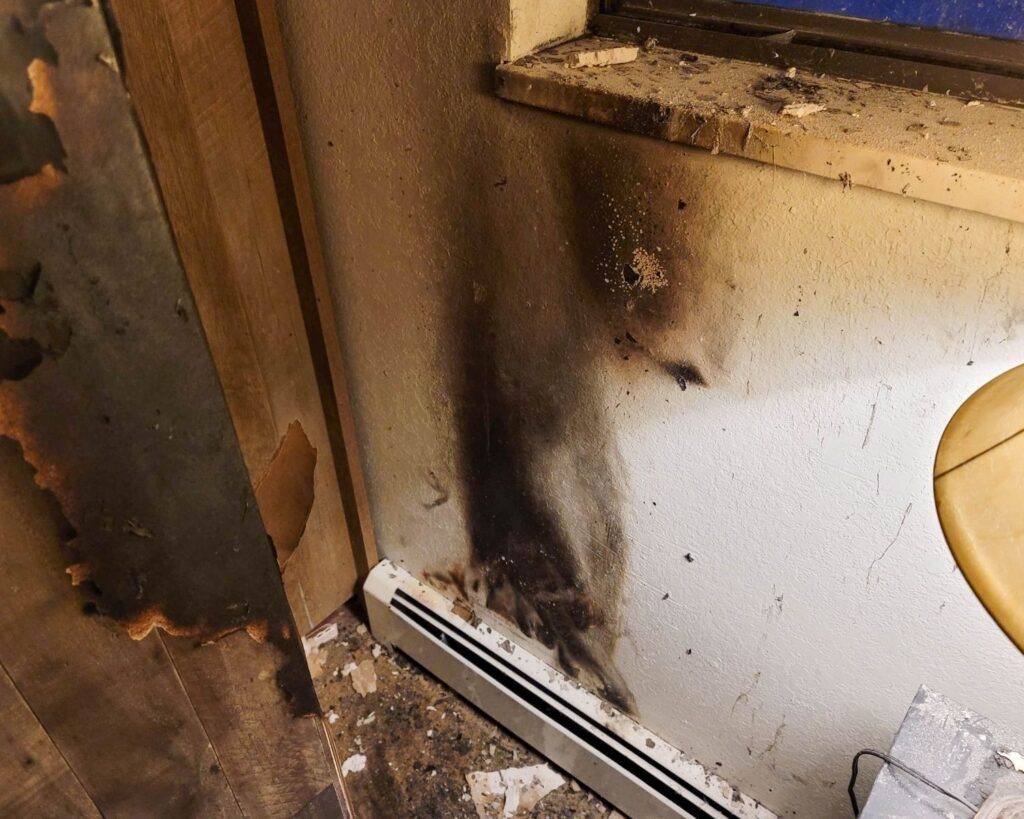
Jump To:
What Does a Fire Actually Do to Your Home’s Structure?
Which Warning Signs Mean a Home Is Unsafe to Enter?
Who Performs a Fire Damage Structural Assessment?
Should You Stay or Temporarily Relocate After a Fire?
A home is unsafe after a fire when the framing, floors, or foundation can no longer carry the weight they were built to hold. Sagging ceilings, charred joists, and cracked concrete are the obvious red flags. Our team at PuroClean of Redmond/Woodinville has provided IICRC certified fire damage restoration across the Greater Eastside for nearly two decades. Here’s the honest truth: you can’t judge safety by eye, because a house can look fine from the driveway and still hide real trouble behind the drywall.
So before you walk back in to grab the photo albums, let’s cover what fire does to a building, the signs that should stop you at the door, and how the stay-or-go call gets made.
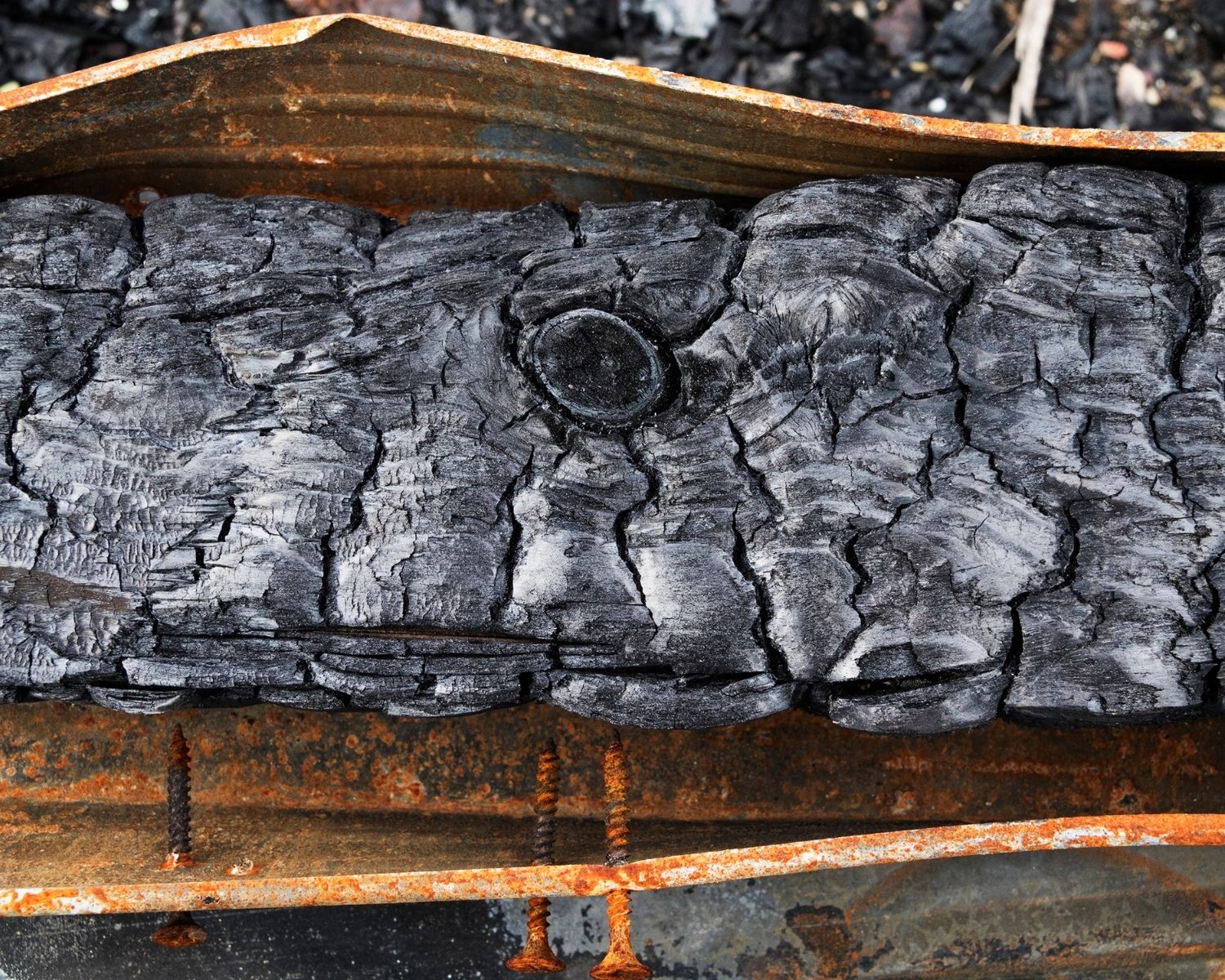
Charred framing can lose much of its strength, even when the damage looks shallow on the surface.
What Does a Fire Actually Do to Your Home’s Structure?
Fire weakens a home in three ways: flames burn away load-bearing wood, heat warps steel and cracks concrete, and the water used to put the fire out soaks everything left standing. Each one is a threat on its own. Together, they’re why a post-fire home needs more than a quick glance.
Wood framing takes the most visible hit. Charring eats into joists and studs, shrinking the solid wood that holds your roof up. Heat is sneakier. It can warp metal connectors and crack brick without leaving dramatic burn marks.
Then there’s the water: firefighters may pump hundreds of gallons into a burning home. That water soaks into subfloors, insulation, and wall cavities. Wet materials get heavy, swell, and lose strength, which is why professional water damage mitigation is almost always part of fire recovery. Soggy drywall over a charred joist is not a combo you want over your head, literally.
Just had a fire? Don’t go back in alone.
Our team at PuroClean of Redmond/Woodinville answers 24/7 and offers free estimates across the Greater Eastside. Reach out any hour, any day.
Which Warning Signs Mean a Home Is Unsafe to Enter?
Sagging rooflines, leaning walls, spongy floors, and doors that suddenly won’t close are the clearest signs a fire-damaged home is unsafe to enter. Any one of these means the structure has moved. If you spot them, stay out and wait for a pro to check, no matter how badly you want your things.
Here’s a quick reference you can actually use in the moment:
| What You See | What It Likely Means | What to Do |
|---|---|---|
| Sagging ceiling or roofline | Weak joists or trusses | Stay out entirely |
| Cracks in foundation or brick | Heat stress on masonry | Ask for an engineer’s check |
| Soft or bouncy floors | Burned or waterlogged subfloor | Don’t walk on it, flag it for inspectors |
| Doors or windows that jam | Frame shifting out of square | Note the spots for inspectors |
| Smell of gas or buzzing outlets | Damaged gas or power lines | Leave and call the utility company |
One more thing the eye misses: utilities. Fire damages gas lines, wiring, and pipes in ways that don’t show up until something fails. The USFA After the Fire guide says to keep utilities off until the fire department or a licensed pro says they’re safe. Resist the urge to flip breakers back on just to charge your phone.
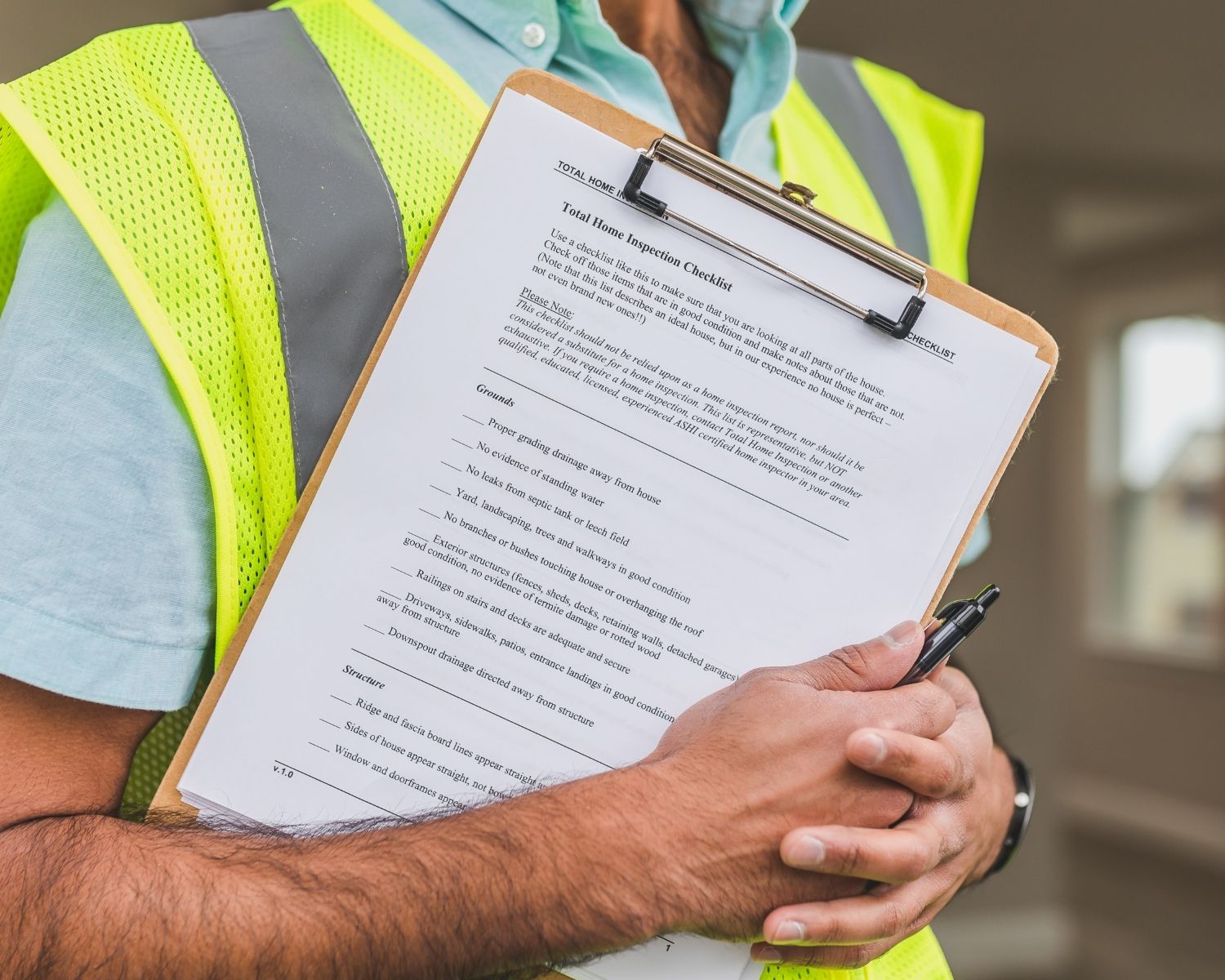
A proper assessment looks behind walls and under floors, where heat and water damage like to hide.
Who Performs a Fire Damage Structural Assessment?
A fire damage structural assessment usually involves the fire department, your local building official, and in serious cases a licensed structural engineer. Each plays a different role. The fire department flags the urgent dangers, the building official decides if you can legally live there, and the engineer checks the load-bearing parts up close.
Where does a restoration company fit in? Right alongside them: once the structure is cleared for entry, our IICRC certified crew records the damage room by room and boards up openings. Then mitigation starts: removing firefighting water and treating soot before it sets in. With over 45 years of combined team experience, we’ve worked plenty of Eastside losses where the smoke told a very different story than the flames did.
Those records matter for your claim, too. Our breakdown of professional vs DIY fire damage cleanup explains why. And if the home is ruled unsafe, don’t panic. That call is short-term, not a verdict on your home’s future.
Should You Stay or Temporarily Relocate After a Fire?
Relocate for a while if your home has structural red flags, no safe utilities, or heavy smoke residue in living areas. Even when a fire stays in one room, soot and odor travel through the whole HVAC system. Sleeping in that air isn’t good for anyone, especially kids and folks with breathing issues.
Most homeowner policies include loss of use coverage. It helps pay for a place to stay while your home isn’t livable, so talk to your adjuster early. The Red Cross home fire recovery resources can also help with lodging and basics in those first hard days.
Here’s some good news: leaving for a bit usually doesn’t mean losing your belongings. Many items that smell hopeless can be cleaned and freshened up. We covered the methods in our post on smoke odor removal techniques that actually work, and we’ve seen whole wardrobes come back from losses like this Woodinville fire damage cleanup. Pack a week of clothes and basics, lock up the house, and let the process work.

A short stay elsewhere keeps your family away from smoke while mitigation gets your home livable again.
Local Help When You Need It Most
Our team at PuroClean of Redmond/Woodinville responds to fire losses 24/7 across Redmond, Woodinville, and the Greater Eastside of WA. As the 2019 PuroClean Franchise of the Year, we hold every job to IICRC standards, from board-up to soot removal and firefighting water dryout. Free estimates, every time.
If a fire has turned your week upside down, give us a call or send our team a message. We answer day and night. We’ll help you figure out what’s safe, what can be saved, and what comes next.
Frequently Asked Questions
How long does a fire damage structural assessment take?
The fire department or building official can often walk through the same day. A full engineer’s review may take a few days to set up, depending on how bad the damage is.
Can I enter my home before the assessment if the fire was small?
Only if the fire department has told you it’s safe. Even small kitchen fires can damage wiring and weaken what sits above the flames, so get that all-clear first.
Who pays for temporary housing after a house fire?
Most homeowner policies include loss of use coverage, which helps pay for a place to stay while your home isn’t livable. Call your adjuster early to ask what your policy covers.
Does smoke damage alone make a home unsafe to live in?
It can. Heavy soot and smoke can foul the air even when the structure is sound. Soot removal and odor treatment should be done before your family moves back in.