


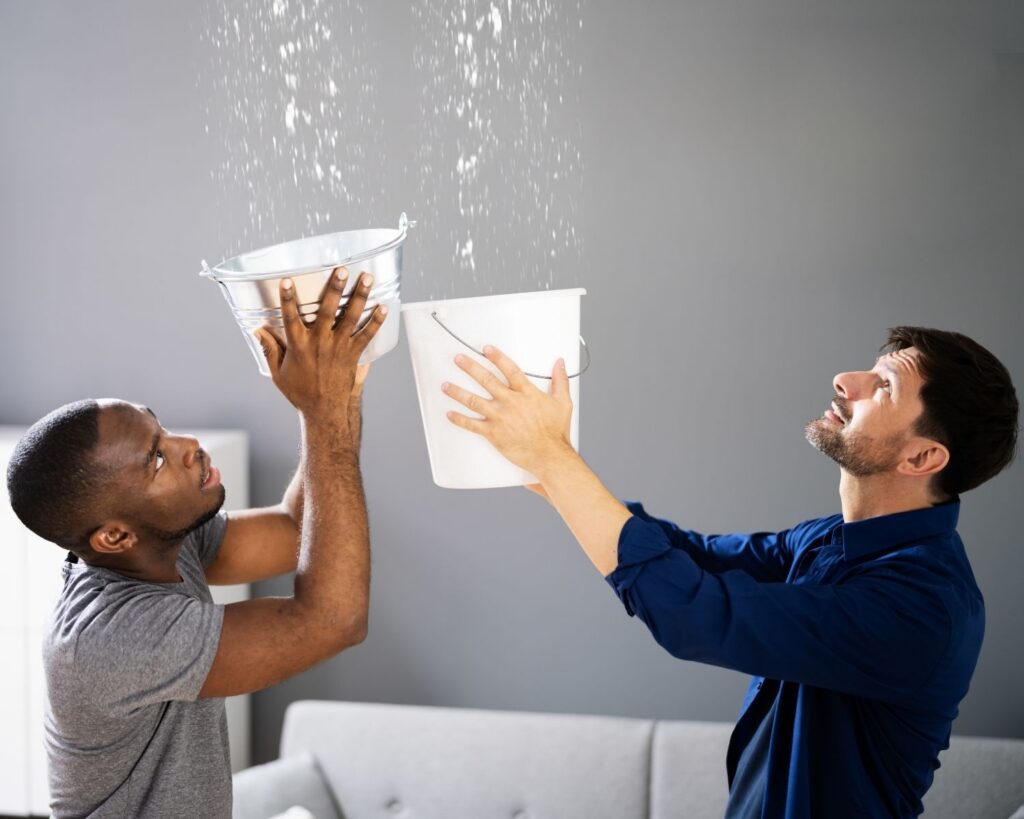
Water damage doesn’t send a polite warning before it arrives. One moment you’re enjoying your Snohomish County home, and the next you’re staring at a flooded basement. When that happens, the company you call can mean the difference between a smooth recovery and months of headaches. Finding qualified water damage restoration services in our corner of Washington requires knowing what to look for, and just as importantly, what to avoid.
Here in the Greater Eastside and throughout Snohomish County, we deal with unique weather patterns that keep restoration companies busy. Heavy rain seasons, occasional freezing temperatures in late December and January, and the moisture that comes with Pacific Northwest living all contribute to water damage risks. Choosing a local company that understands these regional challenges gives you a significant advantage.
Key Qualifications to Look For in a Water Damage Restoration Company
Not all restoration companies operate the same way. Some show up quickly but cut corners. Others have the right equipment but lack the training to use it properly. According to the Institute of Inspection, Cleaning and Restoration Certification (IICRC), water damage restoration must begin within 24 to 48 hours to prevent secondary damage. That tight window means you need to make a smart decision quickly.
IICRC Certification
This is non-negotiable. The IICRC sets the standards for the restoration industry, and certified technicians have completed rigorous training in water damage restoration and structural drying. Ask any company you’re considering whether their technicians hold IICRC certifications in Water Restoration (WRT) at minimum.
24/7 Emergency Availability
Water doesn’t care what time it is. A burst pipe at 2 AM needs the same immediate attention as one that happens at noon. Any company worth hiring offers genuine round-the-clock emergency response, not just a voicemail that promises a callback the next business day.
Local Experience
Snohomish County has its quirks. Our basements flood differently than those in Arizona. Our crawl spaces deal with moisture levels that would seem foreign to technicians from drier climates. A company with years of experience serving Woodinville, Redmond, Bothell, and surrounding areas understands these local conditions and knows exactly what to look for during an inspection.
Insurance Expertise
A good restoration company doesn’t just fix the damage. They help you navigate the insurance process. Look for teams that work directly with adjusters and understand what documentation insurance companies require. This expertise becomes invaluable when you’re trying to get your claim approved without delays.
Dealing with Water Damage Right Now?
Our IICRC-certified team at PuroClean of Redmond/Woodinville responds 24/7 throughout Snohomish and King Counties. We’ll assess the damage, work with your insurance company, and get your property dried out properly.
Get Emergency Help NowDocumenting the Damage: Photography Tips That Protect Your Claim
Before anyone touches anything, you need evidence. Your smartphone is your best friend during these first critical moments. The photos and videos you capture before restoration work begins can make or break your insurance claim.
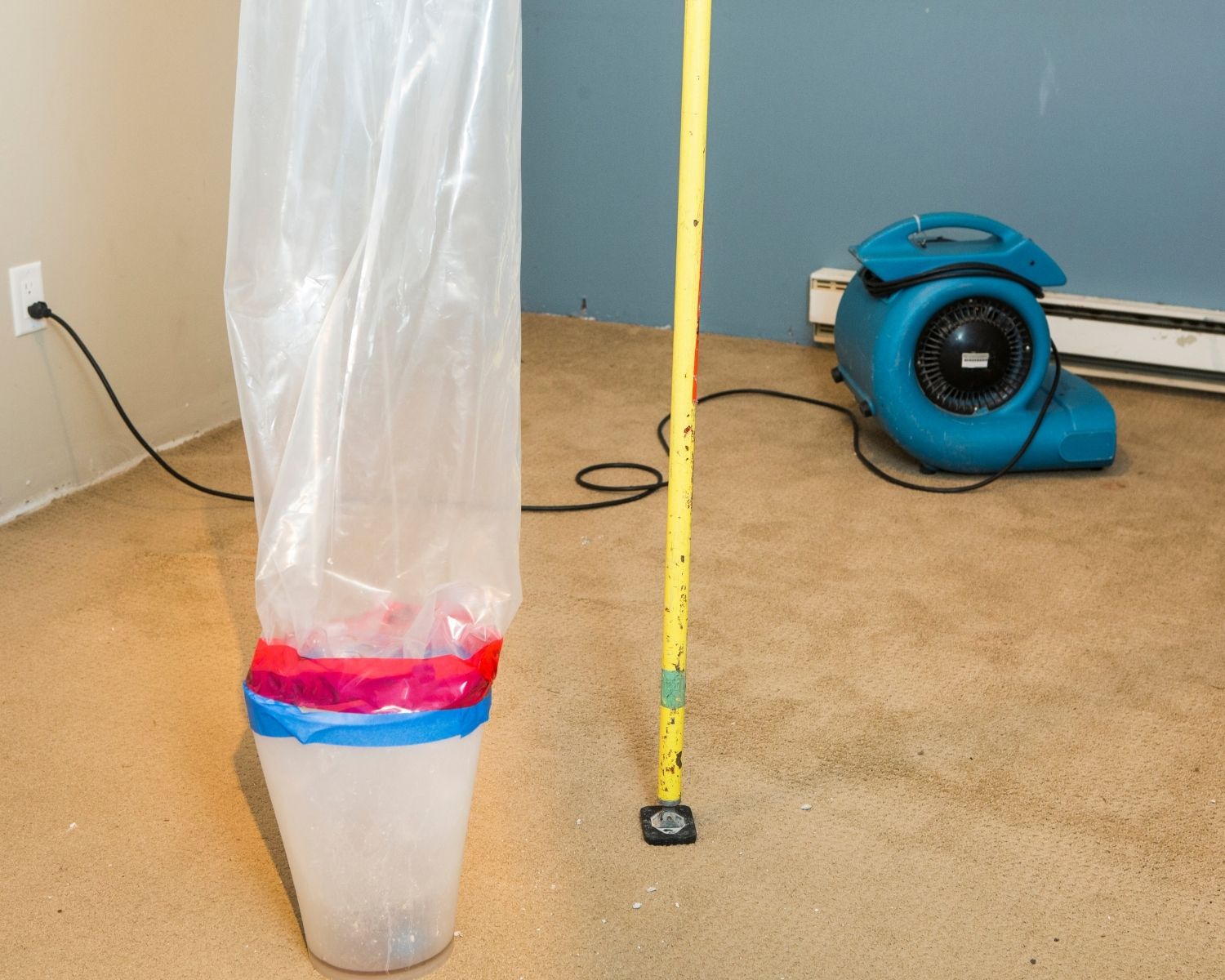
Professional drying equipment like air movers are essential for proper water damage restoration. Document the equipment used during the process.
Wide Shots First
Start by capturing the overall scene. Stand in doorways and corners to photograph entire rooms showing the extent of the damage. These wide shots establish context and help adjusters understand the scope.
Then Get Close
After the wide shots, move in for detailed images. Photograph water lines on walls, damaged baseboards, and buckled flooring. If water is actively pooling, capture that too. The more specific your documentation, the stronger your claim becomes.
Video Everything
Sometimes photos don’t capture the full picture. Walk through the affected areas with your phone recording video. Narrate what you’re seeing as you go. Mention dates, describe what happened, and note items that were damaged. For more detailed guidance, check out our article on how to document water damage for insurance claims.
Don’t Forget the Source
If you can safely identify where the water came from, photograph that too. A burst pipe, a leaking appliance, a roof failure, whatever caused the problem should be documented before repairs begin. This helps establish the cause of loss for your insurance claim, which is essential for getting coverage approved.
Timestamp Your Documentation
Most smartphones automatically timestamp photos, but make sure this feature is enabled. If you’re narrating video, state the date and time verbally. This creates a clear timeline that adjusters can reference.
Essential Paperwork for Your Water Damage Insurance Claim
Insurance companies run on paperwork. Having the right documents organized and ready speeds up your claim and reduces the chance of delays.

Dehumidifiers work alongside air movers to remove moisture from affected materials. Your restoration company should document equipment placement.
| Document | Why It Matters |
|---|---|
| Insurance policy copy | Confirms coverage types, limits, and deductible amounts |
| Photos and videos of damage | Visual evidence supporting your claim |
| Inventory of damaged items | Lists personal property affected with estimated values |
| Restoration company estimates | Professional assessment of repair costs |
| Moisture reading reports | Technical documentation of water intrusion extent |
| Receipts for emergency expenses | Reimbursement for temporary housing, supplies, etc. |
Your restoration company should provide detailed documentation including moisture readings, equipment placement logs, photos of their work in progress, and final reports showing the affected areas have been properly dried. This professional documentation supports your claim and demonstrates proper procedures were followed.
Claim Submission Best Practices That Speed Up Recovery
How you handle your insurance claim matters almost as much as the restoration work itself. Following these practices helps ensure a smoother process.
Report Immediately
Call your insurance company as soon as you’ve documented the initial damage. Most policies require prompt notification, and delays can complicate your claim. Get a claim number and the name of your assigned adjuster.
Mitigate Further Damage
Insurance policies typically require you to take reasonable steps to prevent additional damage. Having a restoration company on site quickly demonstrates you acted responsibly, which insurers view favorably.
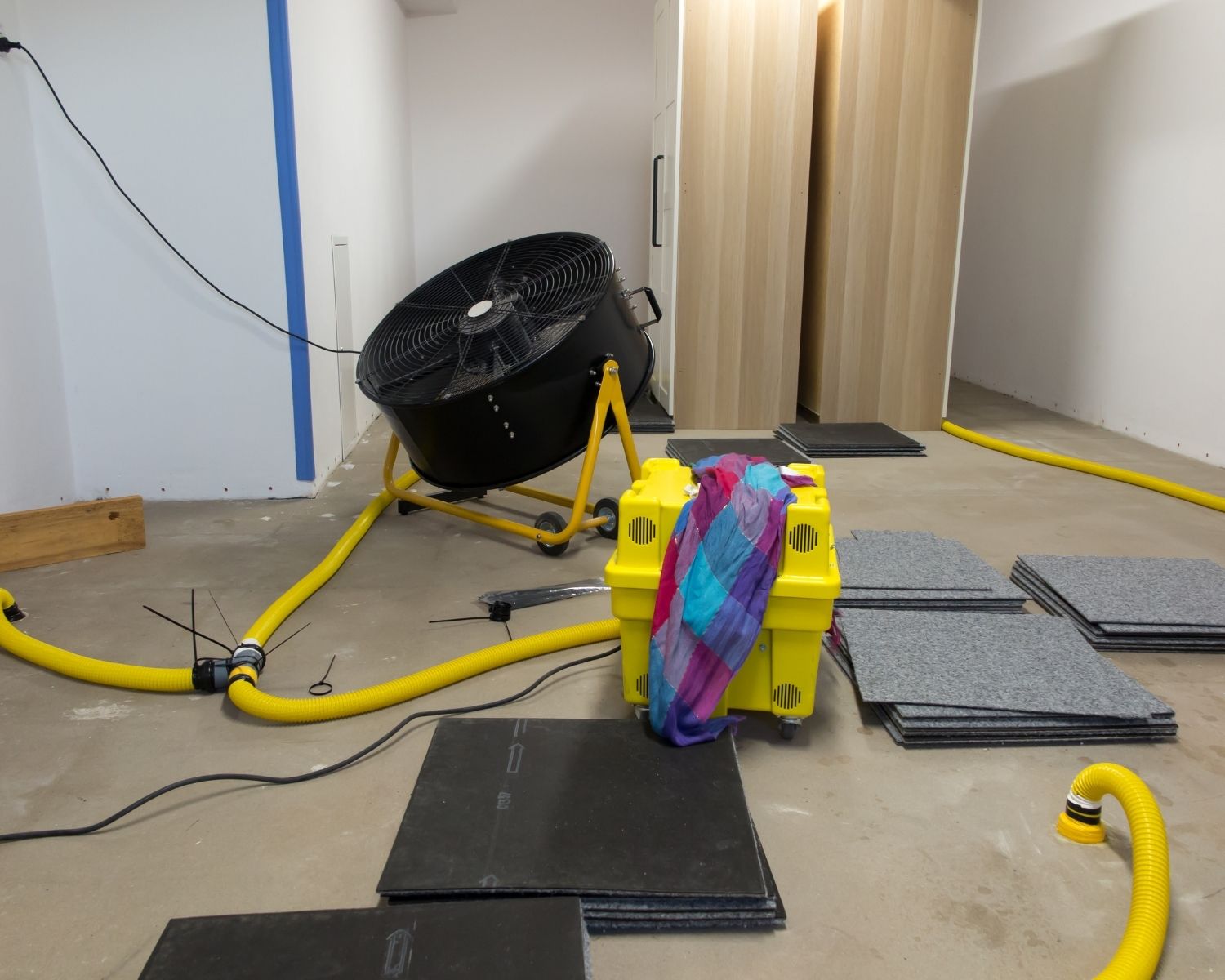
Concrete and masonry require specialized drying techniques. Professional restoration companies use targeted equipment to address different materials.
Keep Detailed Records
Document every conversation with your insurance company. Note dates, times, who you spoke with, and what was discussed. Save all emails and letters. If disputes arise later, this paper trail becomes invaluable. The CDC’s guidelines for flood cleanup also provide important safety information for the process.
Don’t Throw Anything Away Yet
Even if items are clearly ruined, keep them until your adjuster has seen them or told you they’re not needed. Disposing of damaged property before inspection can create claim problems.
Water Damage Timeline: What to Expect
Emergency extraction, documentation, initial drying equipment placed
Continuous monitoring, equipment adjustment, daily moisture readings
Final verification, equipment removal, documentation for insurance
Questions to Ask Before Hiring a Restoration Company
When you’re comparing companies, these questions help separate the professionals from the rest. Start with the basics: Are your technicians IICRC certified? This should be an easy yes.
Ask about their response time. How quickly can someone be on site? In Snohomish County, a company with local presence should respond within a couple of hours. Find out about their experience with insurance claims. Do they work with adjusters directly?
Ask what the process looks like. A professional company should explain exactly what they’ll do, what equipment they’ll use, and how long it typically takes. Vague answers or pressure to sign immediately are red flags. You might also read about common water damage mistakes property owners make to avoid them yourself.
The Local Advantage: Why Snohomish County Experience Matters
There’s something to be said for working with a company that knows your area. A restoration team familiar with Snohomish County water damage restoration understands the specific challenges our region presents. They know our atmospheric rivers can dump significant rainfall quickly, and they understand that homes across the Greater Eastside have different vulnerabilities.
This local knowledge translates into faster, more effective restoration. There’s no learning curve when the technician arrives. They’ve seen situations like yours many times before.
Making Your Decision
Choosing a water damage restoration company in Snohomish County comes down to verified credentials, local experience, 24/7 availability, and proven insurance expertise. Our team at PuroClean of Redmond/Woodinville has served the Northshore area for nearly two decades. We’re IICRC certified in water, and fire restoration, and our technicians bring over 45 years of combined experience to every job.
When water damage strikes your home, you deserve a team that responds quickly and treats your property like their own. If you’re facing water damage or want to know who to call when problems arise, contact our team for a free consultation.
Frequently Asked Questions
How quickly should a water damage restoration company respond in Snohomish County?
A qualified local restoration company should respond within 2-4 hours for emergencies. Water damage worsens rapidly, and IICRC standards recommend beginning mitigation within 24-48 hours to prevent further damage. Companies advertising 24/7 service should actually answer calls at any hour.
What photos should I take before the restoration company arrives?
Capture wide shots of entire affected rooms first, then close-up images of specific damage including water lines on walls and damaged flooring. Photograph the water source if safely accessible. Record video while narrating what you see. This documentation protects your insurance claim.
Will my homeowner’s insurance cover water damage restoration in Washington?
Most homeowner’s policies cover sudden and accidental water damage, such as burst pipes or appliance failures. However, flood damage from external sources typically requires separate flood insurance. Your restoration company should help document the damage and work with your adjuster.
What paperwork do I need for a water damage insurance claim?
You’ll need your insurance policy documents, photos and videos of damage, a detailed inventory of damaged items with estimated values, restoration company estimates and moisture reports, and receipts for emergency expenses. Keep records of all insurance company communications.