 PuroClean of Redmond/Woodinville
Jump To:
Filing a water damage insurance claim feels overwhelming when you’re already dealing with soaked carpets and damaged belongings. Here’s the thing though. The quality of your documentation often determines whether your claim gets approved quickly or drags on for months. At PuroClean of Redmond/Woodinville, our IICRC-certified water damage restoration team has helped hundreds of King County homeowners navigate this process. We’ve seen what works and what creates unnecessary headaches.
This guide walks you through exactly how to document water damage so your insurance company has everything they need to process your claim efficiently.
Why Documentation Matters for Your Insurance Claim
Insurance adjusters weren’t there when your pipe burst at 2 AM. They need evidence. Good documentation creates a clear timeline of events, proves the extent of damage, and shows you took reasonable steps to prevent further loss. Without it, you’re essentially asking them to take your word for it.
According to the Federal Emergency Management Agency (FEMA), proper documentation significantly speeds up the claims process and reduces disputes. The time you invest now saves frustration later.
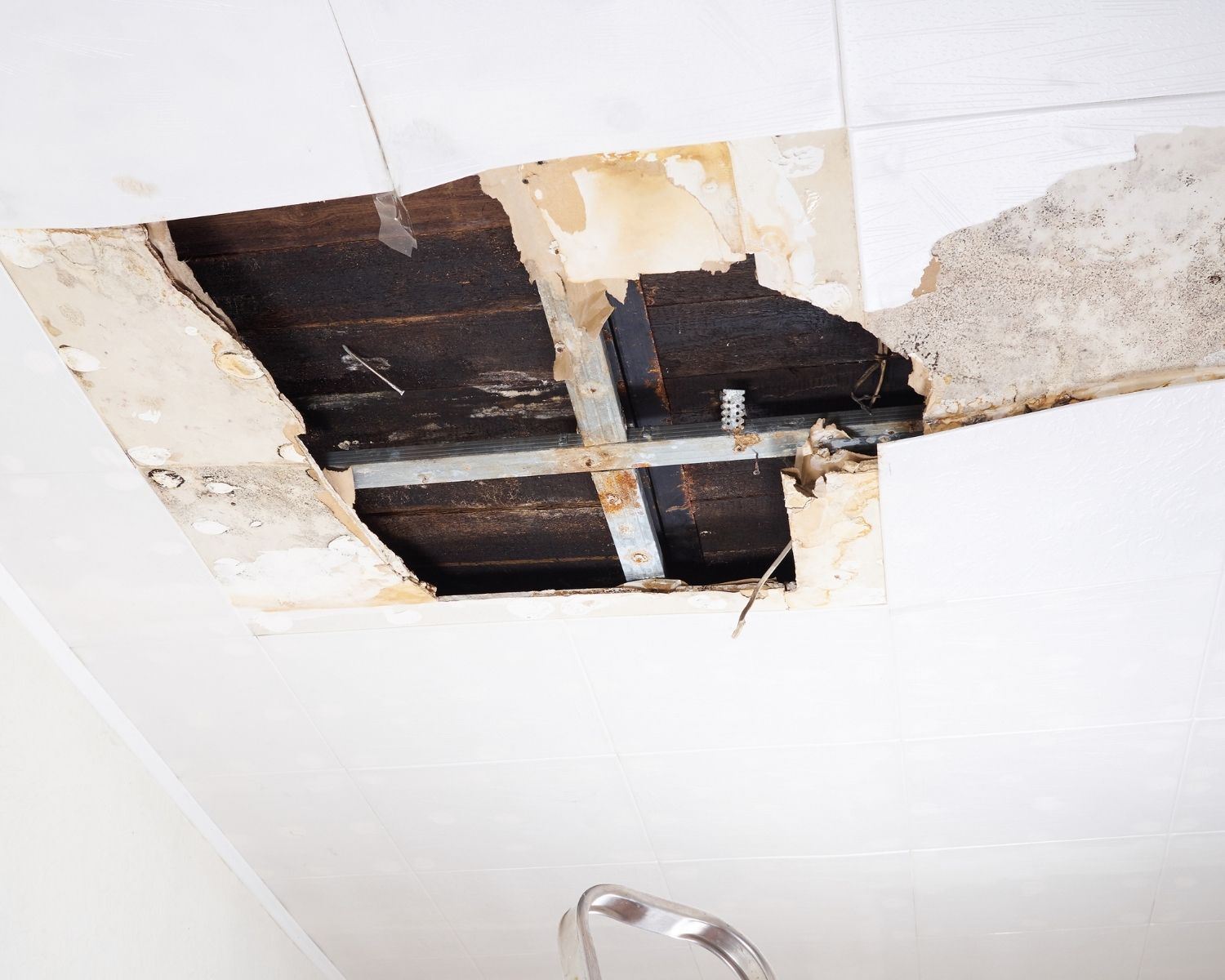
Visible ceiling damage like this needs to be photographed immediately, before any cleanup begins.
Most homeowners underestimate how much detail adjusters need. A quick photo of wet carpet won’t cut it. You need comprehensive visual evidence combined with written records. Think of yourself as building a case rather than just snapping a few pictures.
Photography Tips That Adjusters Actually Want
Your smartphone works fine for documentation photos. Fancy equipment isn’t necessary. What matters is capturing the right information in the right way.
Essential Shots to Capture
Start wide, then go close. Take overall room shots showing the full scope of damage. Then photograph specific damaged items and materials. Get close-ups of water lines on walls, damaged electronics, and affected personal belongings. Don’t forget hidden areas like inside cabinets and closets.
Dealing with Water Damage Right Now?
Our 24/7 emergency team can help you document damage properly while starting the restoration process.
Contact Our TeamPhoto Documentation Checklist
- Timestamp enabled on your camera (most smartphones do this automatically)
- Wide shots of each affected room from multiple angles
- Close-ups of water source if visible
- Damaged furniture, appliances, and personal items
- Water lines on walls showing flood height
- Any mold growth that develops (even small spots)
- Serial numbers and model numbers on damaged appliances
- Receipts or packaging for expensive items if available
Many homeowners make the mistake of cleaning up before documenting. We understand the urge to start fixing things immediately. But hold off on major cleanup until you’ve captured thorough photo evidence. Our team has seen claims complicated by well-meaning homeowners who made common water damage mistakes like throwing away damaged items before photographing them.

Insurance adjusters rely on your documentation to assess damage they may not see firsthand.
Required Paperwork Checklist
Photos tell part of the story. Paperwork tells the rest. Having organized records makes the claims process smoother for everyone involved.
| Document Type | Why It’s Needed |
|---|---|
| Insurance policy copy | Confirms coverage limits and deductibles |
| Written timeline of events | Establishes when damage occurred and actions taken |
| Inventory of damaged items | Lists everything affected with estimated values |
| Receipts and purchase records | Proves item value for reimbursement |
| Professional restoration estimates | Provides repair cost documentation |
| Communication log | Tracks all conversations with insurance company |
Your written timeline deserves special attention. Note when you first discovered the damage, what you did immediately, who you called, and when professionals arrived. Include approximate times. This timeline becomes valuable if questions arise later about response time or mitigation efforts.
For the damaged items inventory, be thorough but realistic. Include make, model, age, and approximate replacement cost. Don’t inflate values. Adjusters know what things cost, and inflated claims create delays and credibility issues.

Organized paperwork and accurate information help claims move through the process faster.
Claim Submission Best Practices
Timing matters with insurance claims. Most policies require prompt notification of damage. Call your insurance company as soon as reasonably possible after discovering water damage. Many insurers have 24-hour claim hotlines specifically for emergencies.
When you file, have your documentation ready but don’t feel pressured to provide everything immediately. It’s better to say you’ll follow up with additional documentation than to provide incomplete or inaccurate information. Ask for the adjuster’s direct contact information and your claim number.
Working with Restoration Professionals
Professional restoration companies work with insurance adjusters regularly. At PuroClean of Redmond/Woodinville, we provide detailed documentation of our work, including moisture readings, photos of the restoration process, and itemized estimates. This documentation follows IICRC industry standards for water damage restoration, which insurance companies recognize as the benchmark for professional work. This professional documentation strengthens your claim significantly.
Understanding water damage repair costs in advance helps you evaluate whether estimates seem reasonable. Our free estimates give homeowners a clear picture of restoration scope before committing to any work.
If your water damage leads to secondary issues like mold growth requiring professional remediation, document this progression carefully. Secondary damage claims need clear evidence connecting them to the original water event.
Keep Copies of Everything
This sounds obvious, but many homeowners hand over original documents without keeping copies. Digital backups stored in cloud storage provide extra security. Email important documents to yourself so they’re timestamped and accessible from anywhere.
For Redmond and Greater Eastside homeowners dealing with water damage, our team provides documentation assistance as part of our restoration services. We know what adjusters look for because we work with them constantly.
Frequently Asked Questions
How soon should I file my water damage insurance claim?
File your claim as soon as possible, ideally within 24 to 48 hours of discovering the damage. Most insurance policies require prompt notification, and delays can complicate your claim or raise questions about when the damage actually occurred.
Should I throw away damaged items before the adjuster visits?
No. Photograph and document all damaged items thoroughly before disposal. If items pose health risks and must be removed, take detailed photos including any brand labels, serial numbers, or receipts first. Keep damaged items when possible until your adjuster has seen them.
Can restoration companies help with insurance documentation?
Yes. Professional restoration companies regularly work with insurance adjusters and provide detailed documentation including moisture readings, progress photos, and itemized estimates. This professional documentation often strengthens claims and speeds up the approval process.
What if my claim is denied or underpaid?
Request a written explanation for the denial or underpayment. Review your policy carefully to understand your coverage. You can appeal the decision by providing additional documentation. Consider requesting a second inspection or consulting with a public adjuster if significant money is at stake.
Need Help With Water Damage in King or Snohomish County?
Our IICRC-certified team provides 24/7 emergency response, free estimates, and documentation assistance for insurance claims.
Get Emergency Help Now


 PuroClean of Redmond/Woodinville