


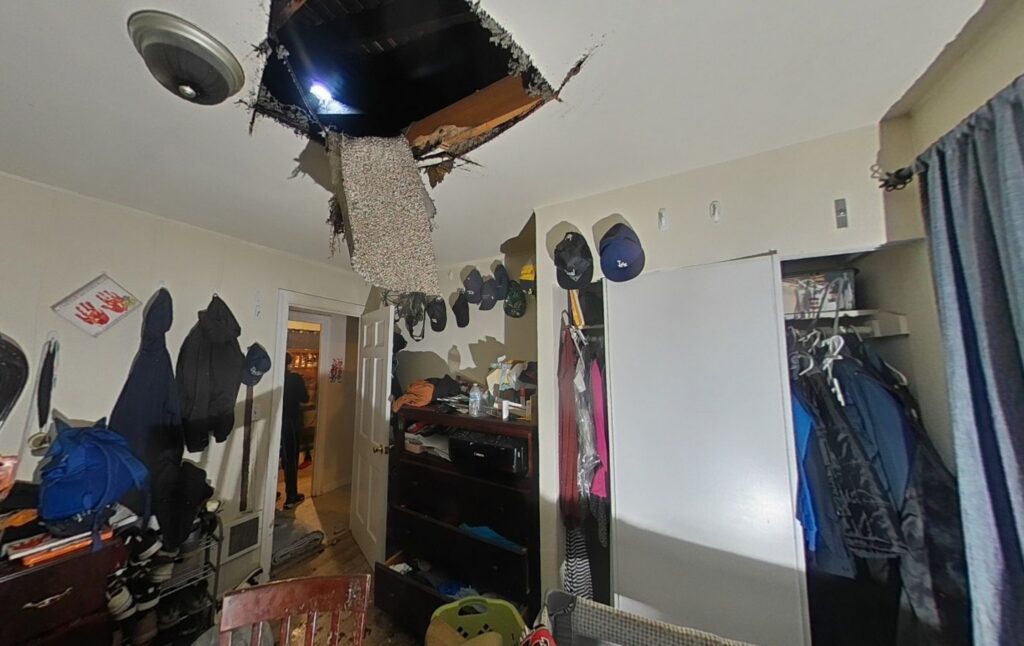
When a fire starts next door, the damage rarely stays polite enough to respect property lines. On this Redmond residential loss, heat, smoke, soot, and debris pushed well beyond the original source, leaving multiple rooms heavily affected. Our team at PuroClean of Redmond/Woodinville stepped in with fire and smoke damage restoration support, bringing an IICRC-certified, 24/7 response to a home that had gone from normal to overwhelming in a hurry.
The source was the unit next door, but the impact inside this home was serious. Bedrooms showed heat damage and ceiling failure. Hallways carried long runs of soot staining. The kitchen and laundry area took on smoke and residue, even though that was not where the fire started. By the time we documented the loss, the contents were a total loss because of the heat and asbestos concerns tied to the event.
What the first rooms told us
Some jobs tell the story in one glance. This one told it room by room. A child bedroom still had the bunk bed in place, but the surrounding contents had clearly taken too much heat. Another bedroom showed char, debris, and residue across the floor and bed area. In other words, this was not a light smoke cleanup. It was a whole-home mitigation project with safety concerns built in from the start.
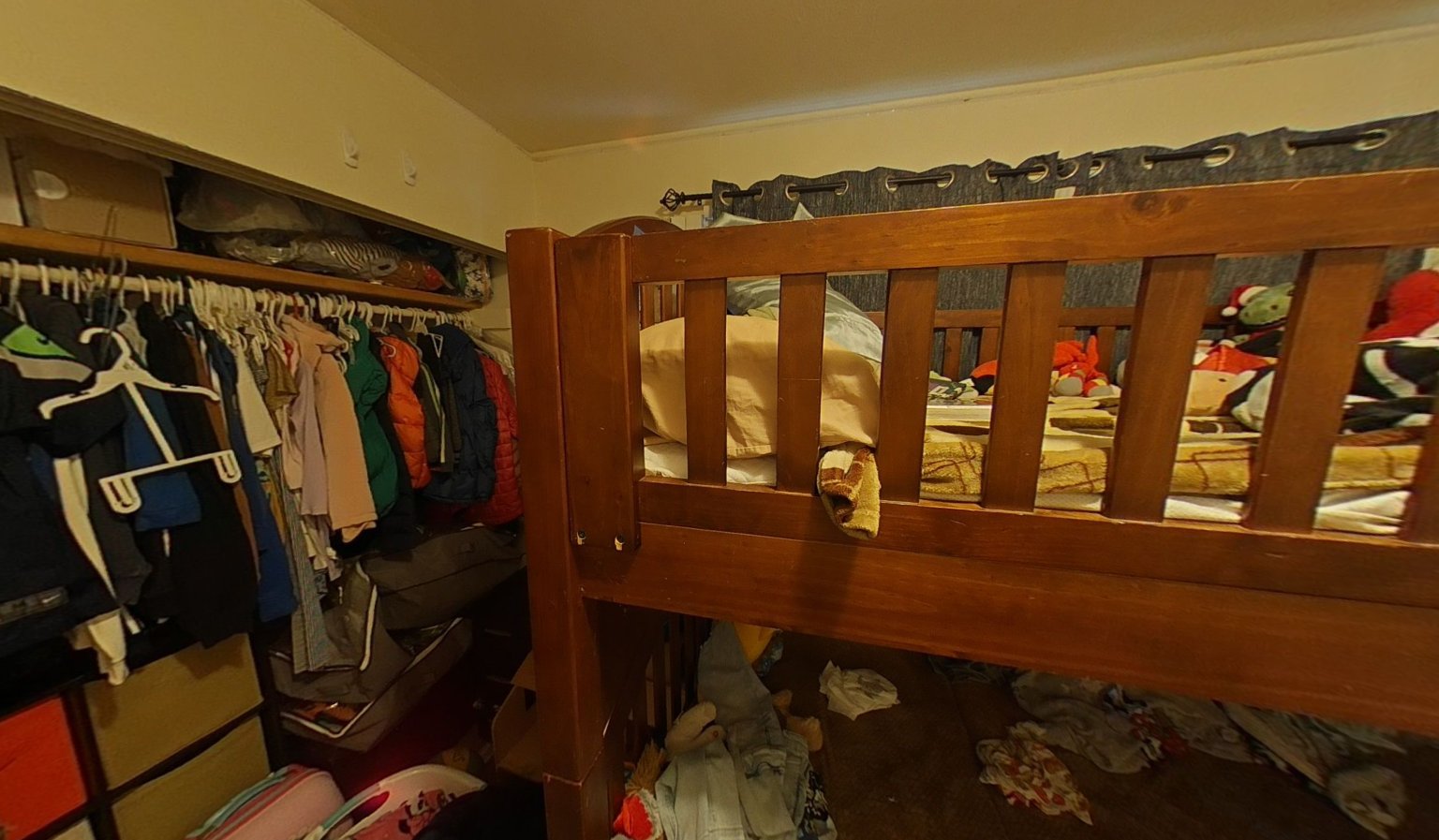
Child bedroom showing heavy heat impact and contents loss. |
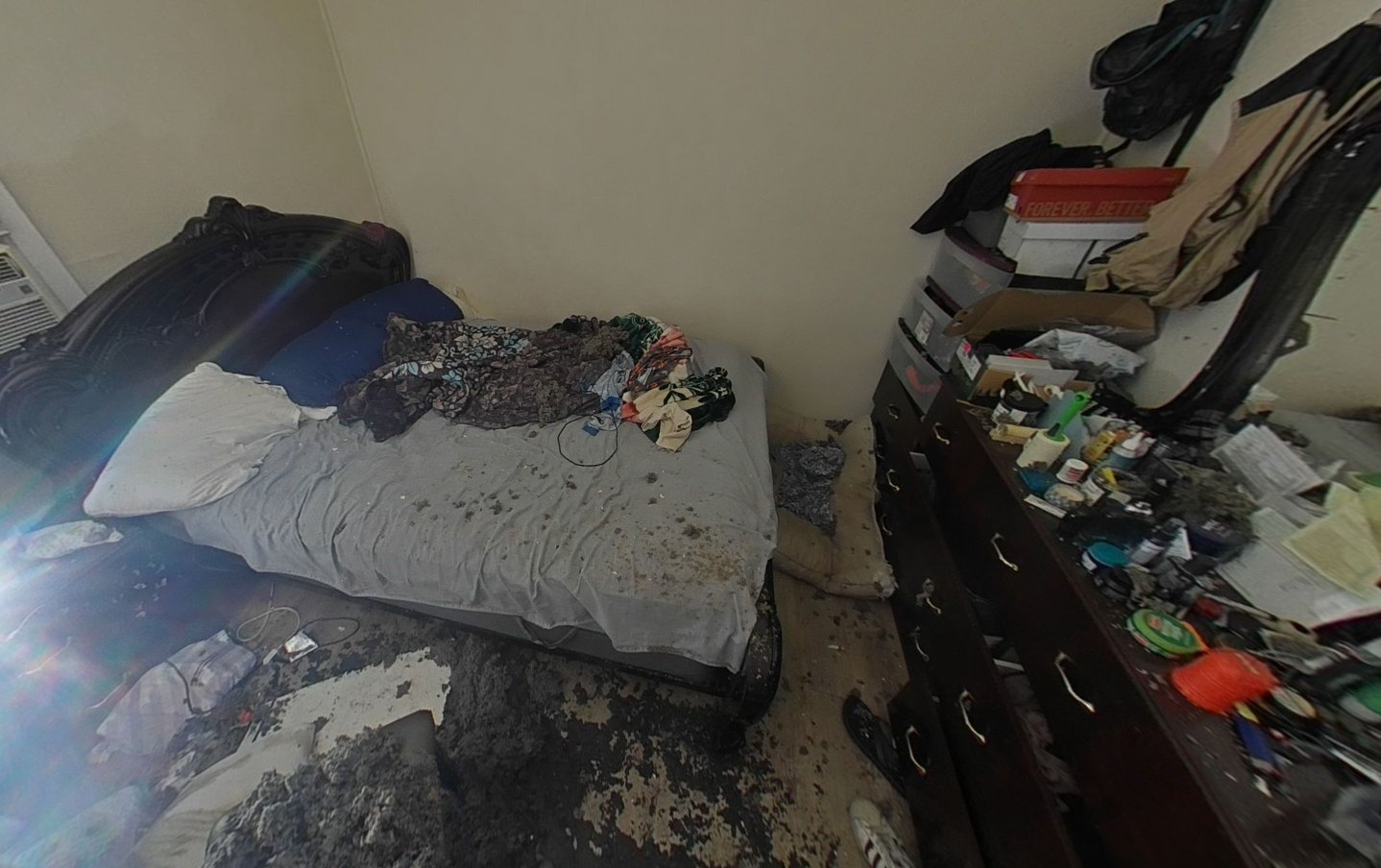
Bedroom with visible char, debris, and severe heat damage. |
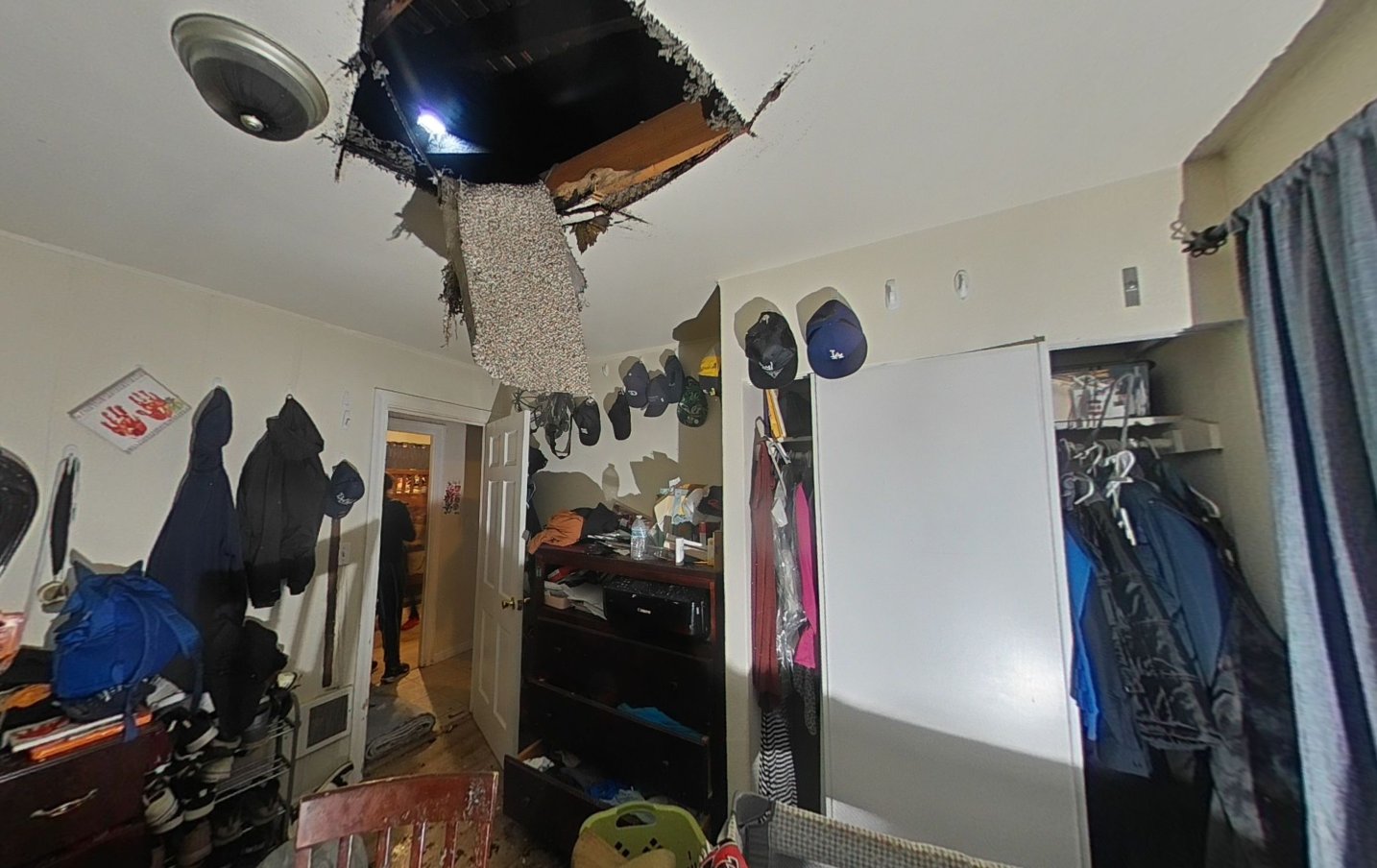
Ceiling failure showed how far the heat and damage had traveled. |
Why this Redmond fire loss escalated so quickly
The direct answer is simple: neighboring-unit fires can create widespread secondary damage even when flames never fully move through every room. Heat migrates. Smoke finds openings. Soot settles where you least want it. According to the IICRC S700 standard for fire and smoke damage restoration, restoration planning has to account for fire effects, residues, odor, and what can or cannot be safely cleaned.
- The origin was next door, but shared building spaces allowed heat and smoke to spread.
- Multiple rooms showed visible residue, staining, and structural material failure.
- The contents could not be treated as a normal clean-and-return situation because the loss involved heat exposure and asbestos concerns.
- Fast documentation mattered for both safety and the insurance process.
How we handled the fire damage mitigation
Our job was to bring order to a very chaotic scene. We documented affected areas, identified materials that needed proper specialty handling, and mapped out the cleaning and removal plan for the structure. Where firefighting moisture or damp materials were part of the picture, our process also connects with water extraction after a fire so hidden moisture does not become the next problem.
We also used the same step-by-step mindset behind our structural cleaning and decontamination work. That means separating salvageable structural surfaces from unsalvageable materials, controlling residue spread, and keeping the next phase clear for everyone involved. It is not glamorous work. It is careful work, and that is exactly what this home needed.
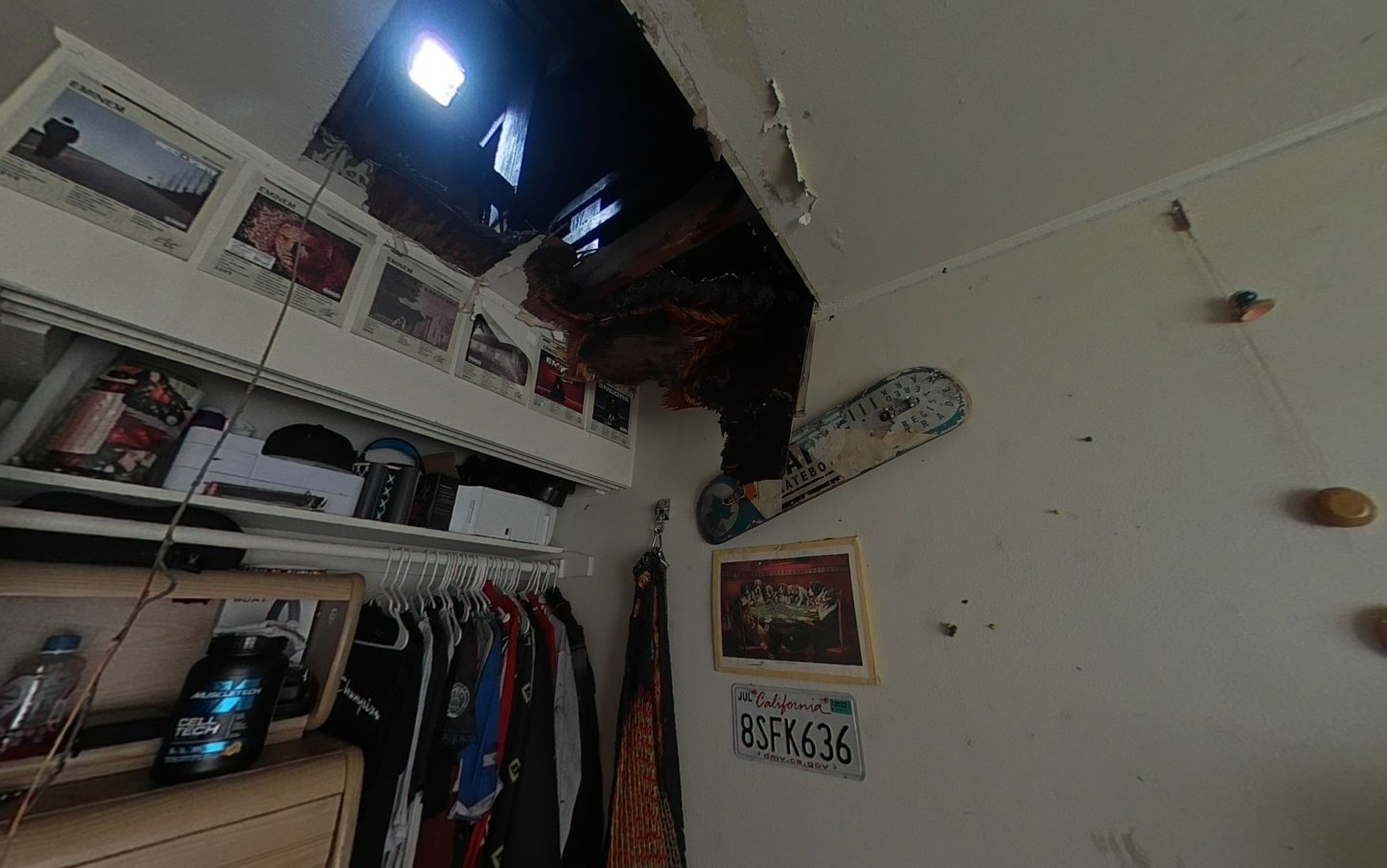
Closet damage showed the fire effects reached tucked-away spaces too. |
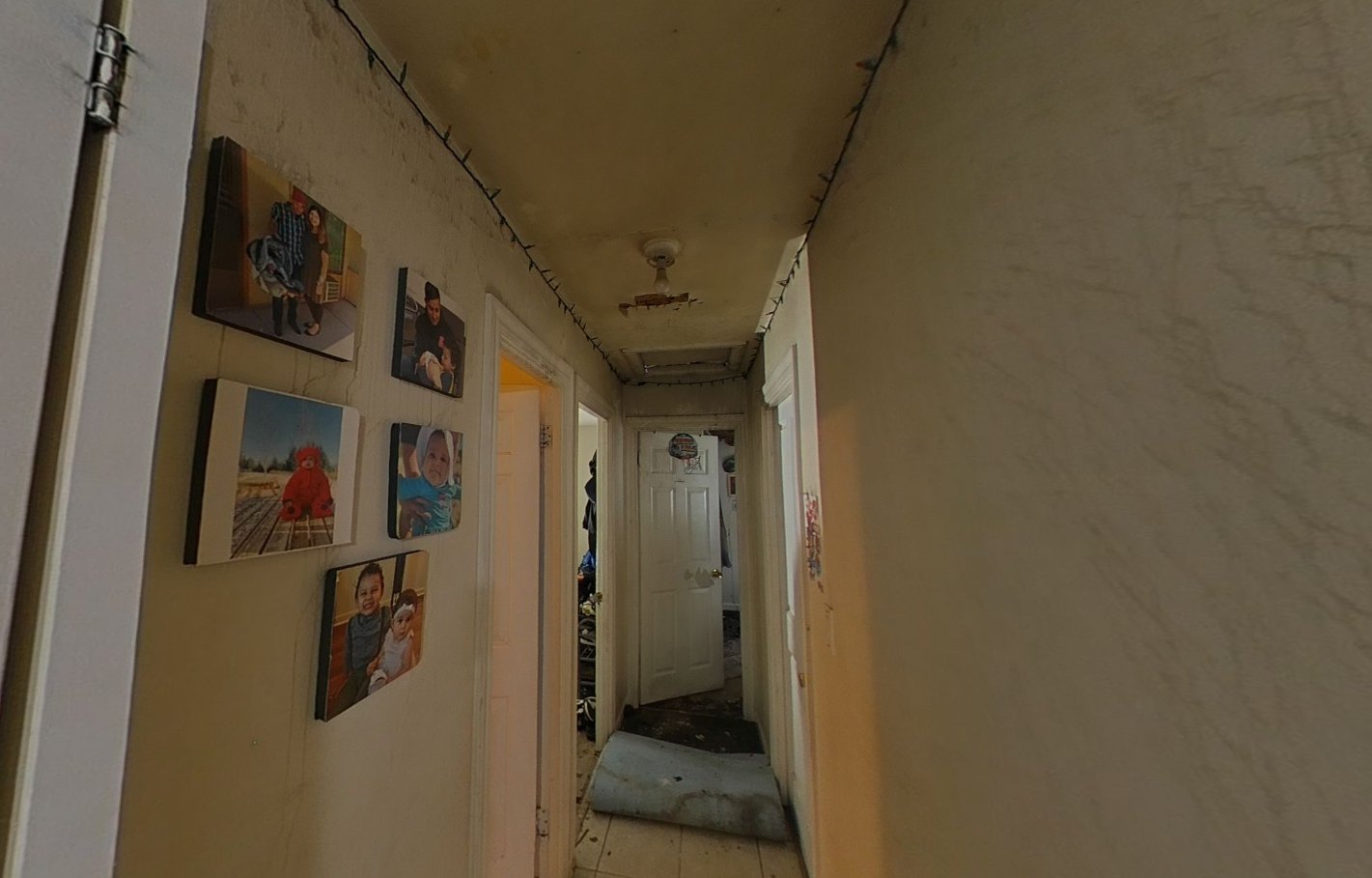
Long soot lines in the hallway made the spread easy to trace. |
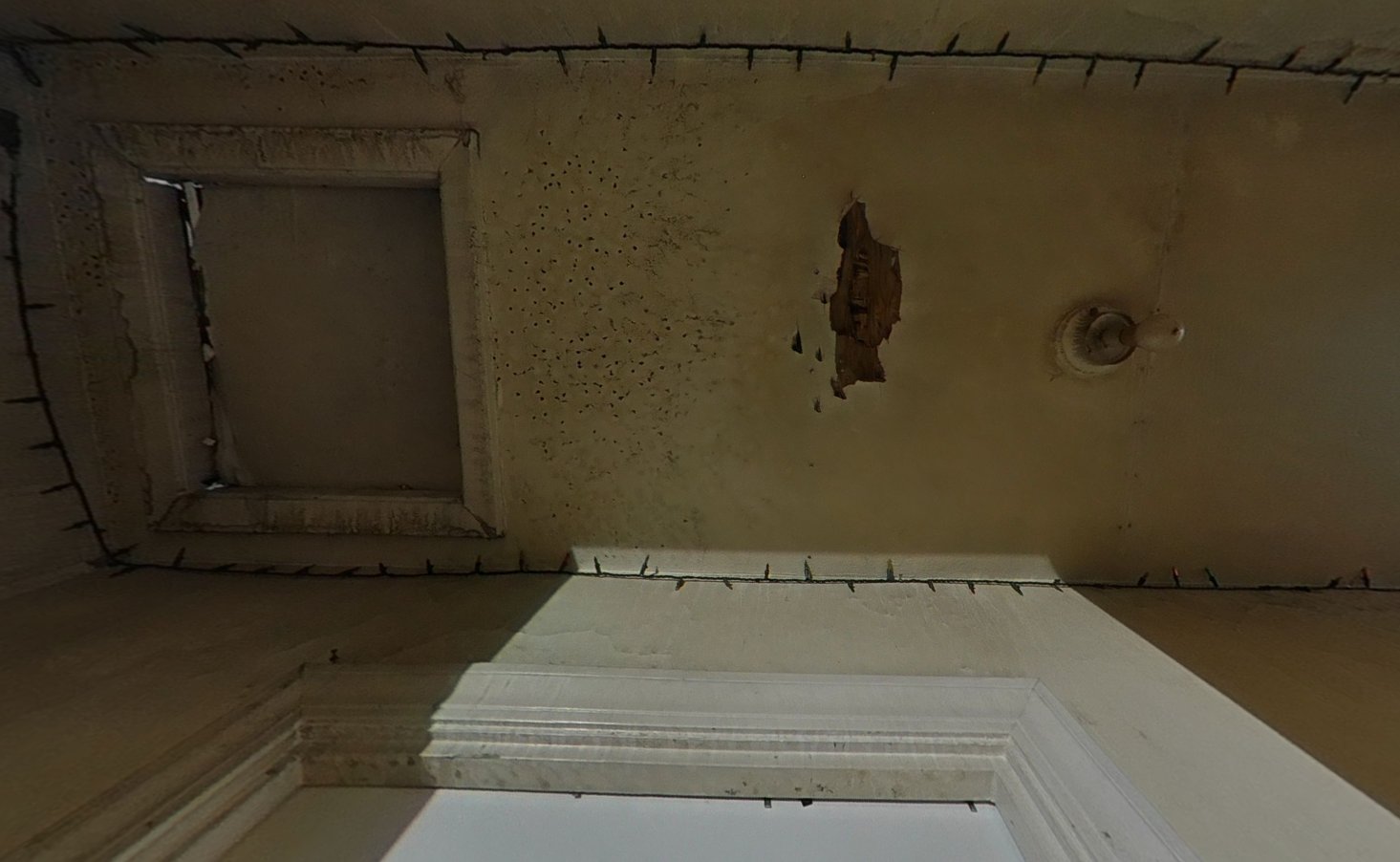
Close-up staining on the ceiling highlighted how persistent smoke residue can be. |
What the photos show homeowners should never ignore
Smoke damage is sneaky. One room can look manageable while the next room tells a very different story. That is why we tell homeowners not to judge a fire loss by the area with the most obvious burn marks. The hallway staining, the closet residue, the kitchen film, and the ceiling damage all matter because they change the cleaning plan, the safety plan, and the timeline.
The USFA and FEMA after-the-fire guide makes the same point in broader terms: once the fire is out, the recovery work is still serious and needs a careful, informed approach. For this home, that meant moving quickly, staying organized, and keeping the homeowner informed without pretending the damage was smaller than it was.
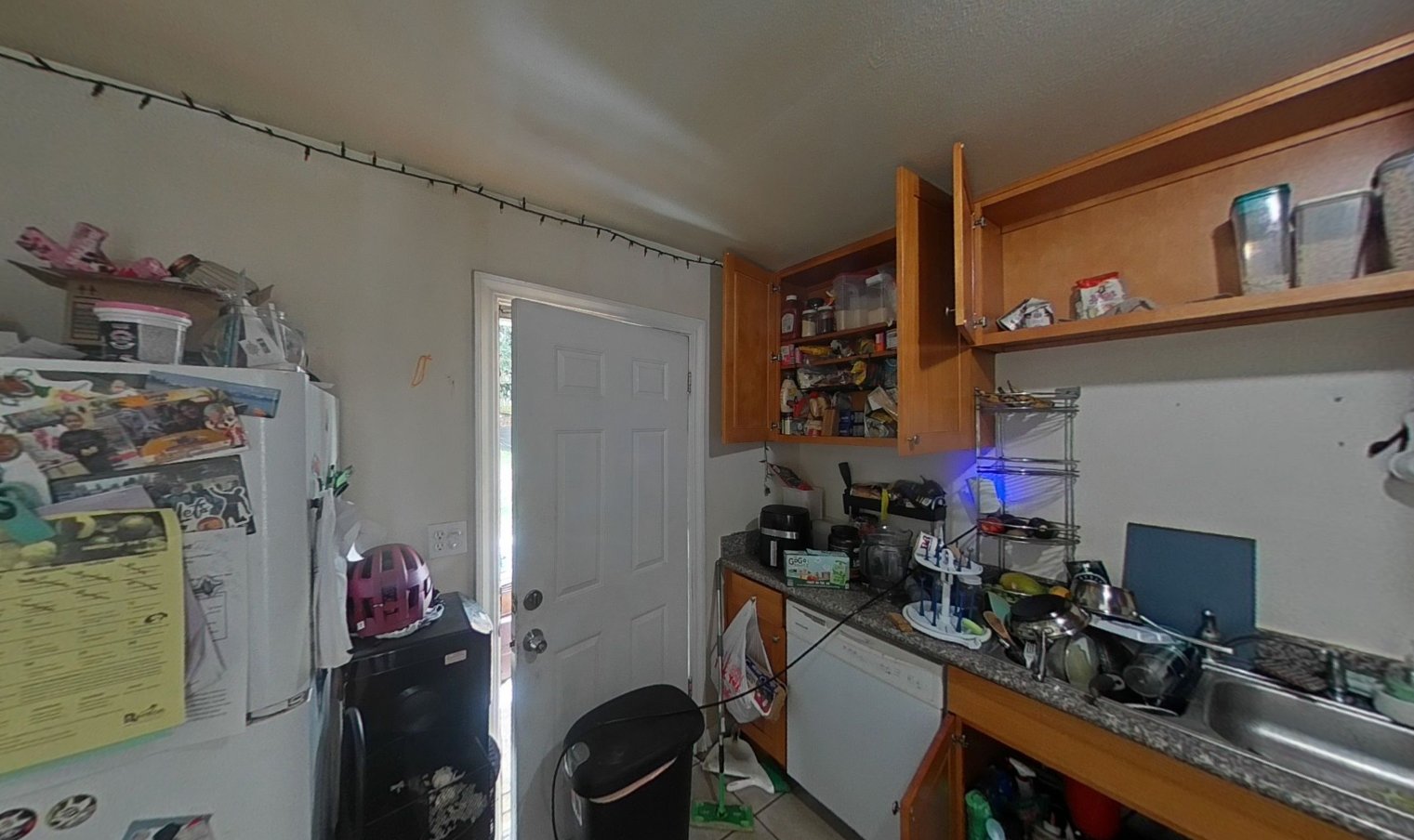
Kitchen surfaces held smoke film even away from the fire source. |
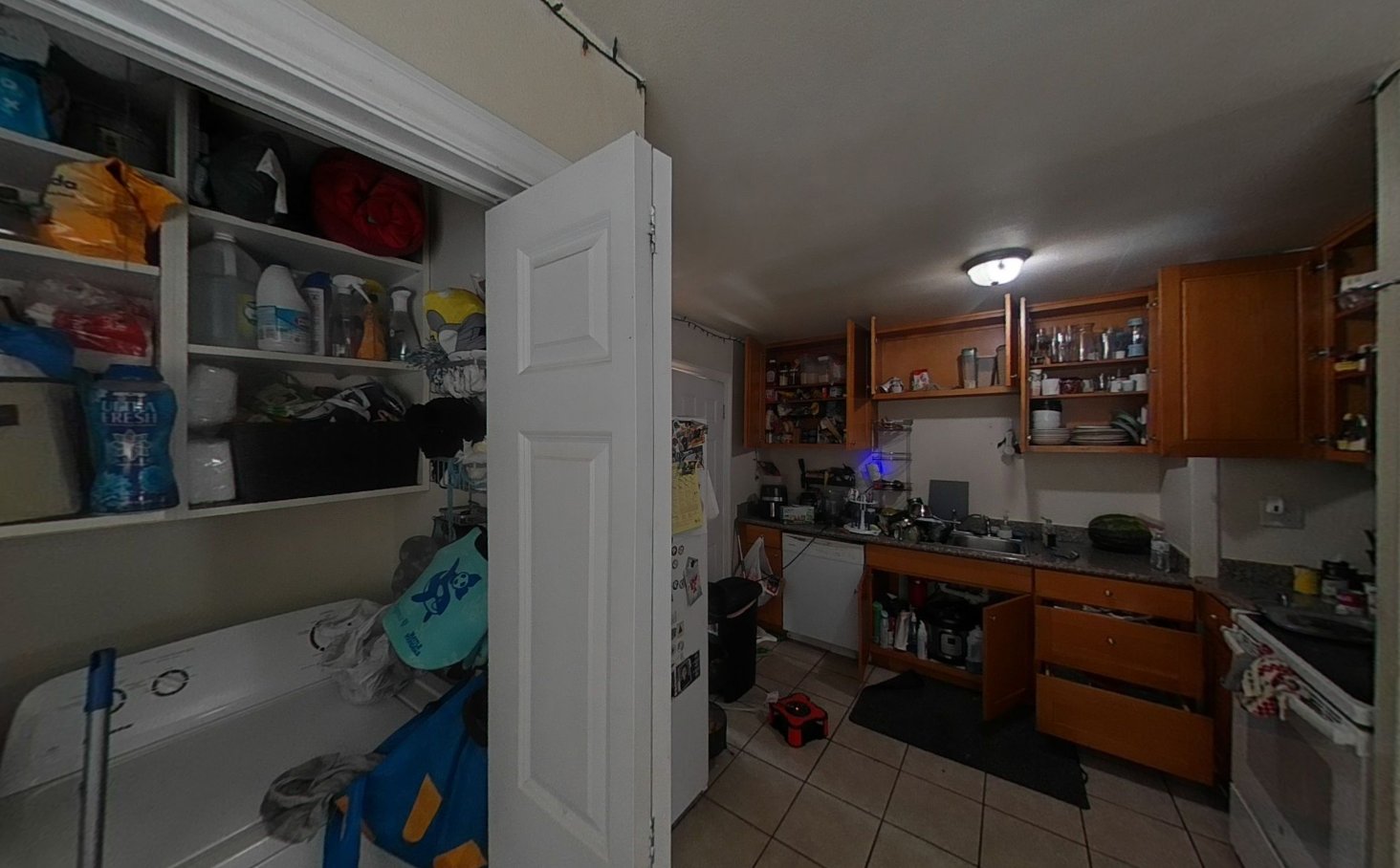
The kitchen and laundry area showed just how far smoke can travel. |
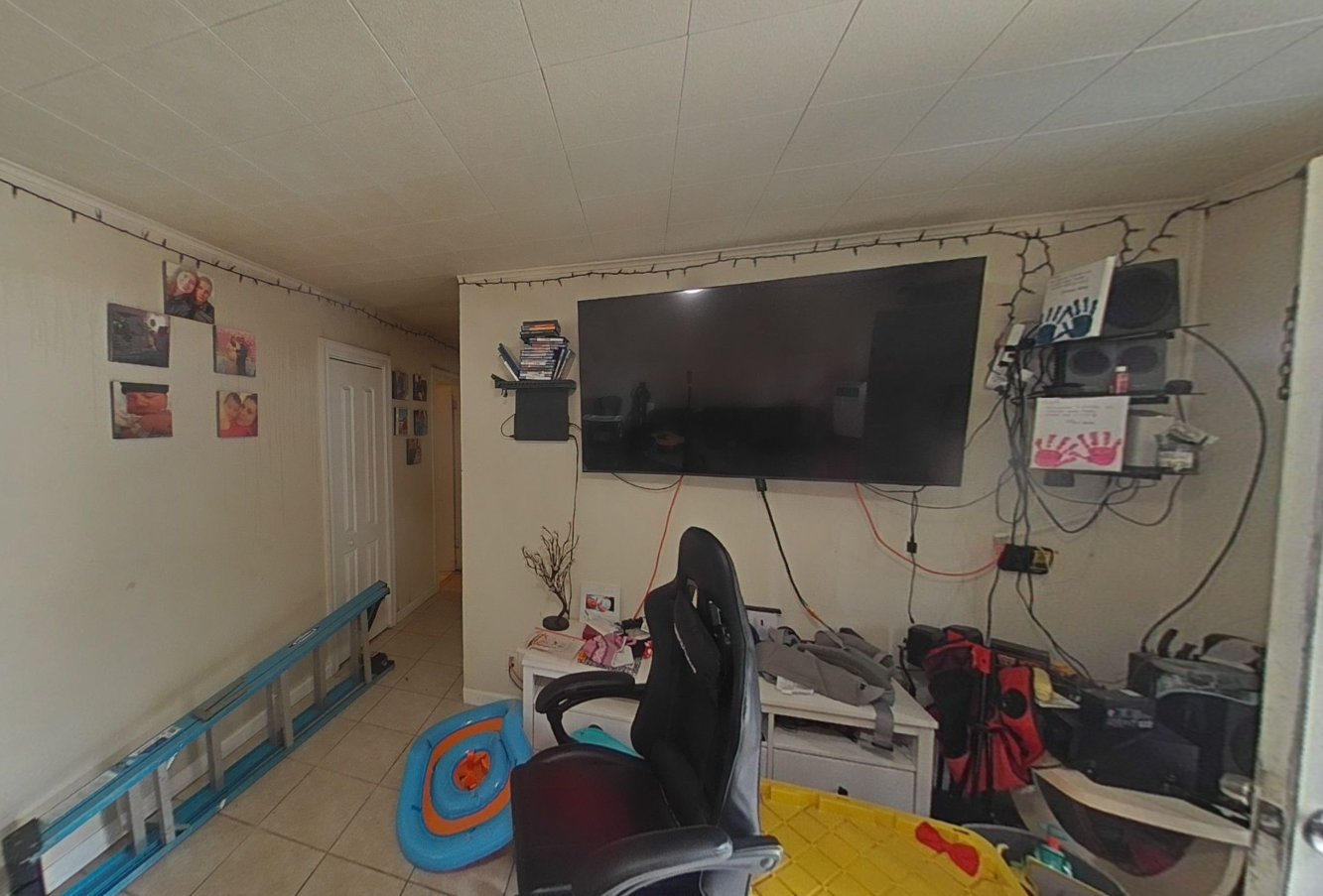
Living room smoke damage proved the loss extended well beyond one room. |
Related reading for Greater Eastside homeowners
If you want to understand what comes next after a fire, these resources are a good place to start: our guide to fire damage assessment for Washington homeowners, our breakdown of smoke odor removal techniques that actually work, and our case study on a Sammamish home’s journey from disaster to recovery.
Need calm, clear help after fire damage in Redmond?Fire losses are messy, emotional, and full of decisions nobody wants to make on the fly. Our team at PuroClean of Redmond/Woodinville is available 24/7, offers free estimates, and knows how to move a job from chaos to a clear plan.
|