


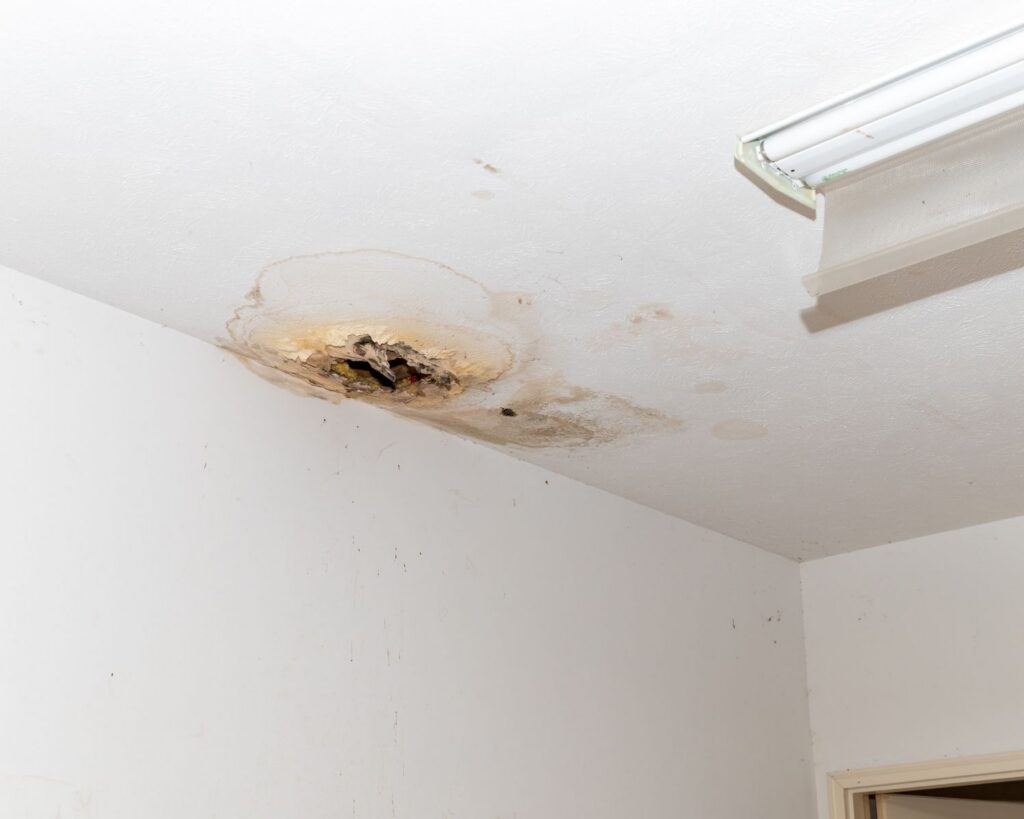
Spring in Redmond brings cherry blossoms, longer days, and unfortunately, some unique risks for homeowners. As temperatures rise and winter’s snow and ice begin melting, all that water has to go somewhere. Our team at PuroClean of Redmond/Woodinville has responded to countless water damage emergencies during the spring thaw season, and we’ve learned that a little preparation goes a long way.
The good news? Most spring thaw water damage is preventable.
Why Spring Thaw Creates Unique Water Damage Challenges
Here’s what catches many Pacific Northwest homeowners off guard: spring thaw damage often comes from multiple directions at once. Melting snow on your roof, saturated soil around your foundation, and backed up gutters can all conspire against your home simultaneously.
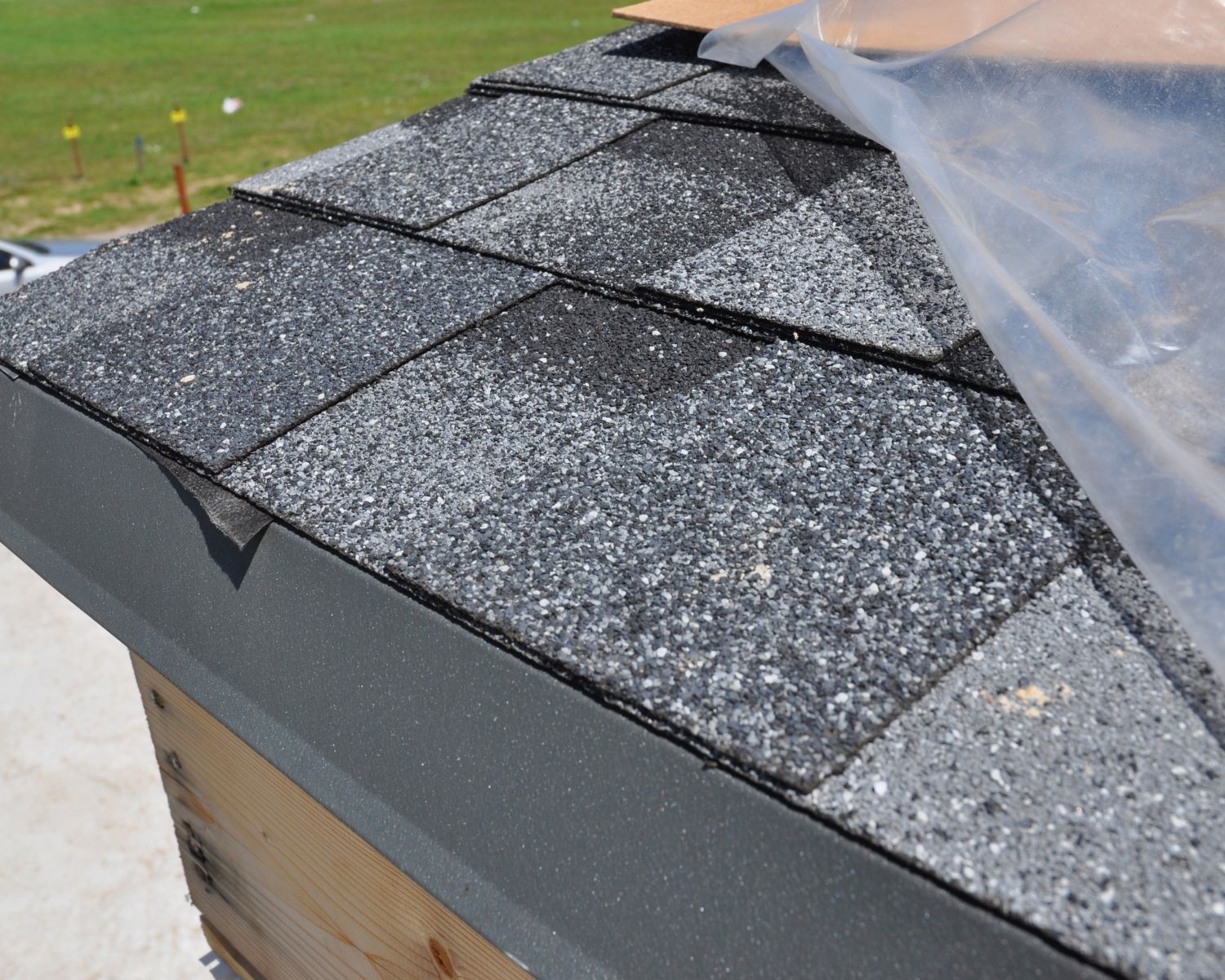
Roof leaks during spring thaw often appear suddenly as ice dams melt and reveal hidden vulnerabilities.
In Redmond and the Greater Eastside, our mild but wet winters mean homes rarely experience dramatic freeze and thaw cycles. But when we do get significant snowfall in late December and January, the subsequent melt can overwhelm drainage systems that weren’t designed for rapid runoff.
The Federal Emergency Management Agency (FEMA) notes that flooding from snowmelt can occur even without rain, particularly when ground remains partially frozen.
Warning Signs Every Redmond Homeowner Should Watch For
Water damage doesn’t always announce itself with a dramatic flood. Sometimes it whispers. Catching these early signs can save you thousands in repairs.
🔍 Spring Thaw Warning Signs
If you notice any of these signs, don’t wait. Our blog on hidden water damage signs covers additional indicators that often go unnoticed.
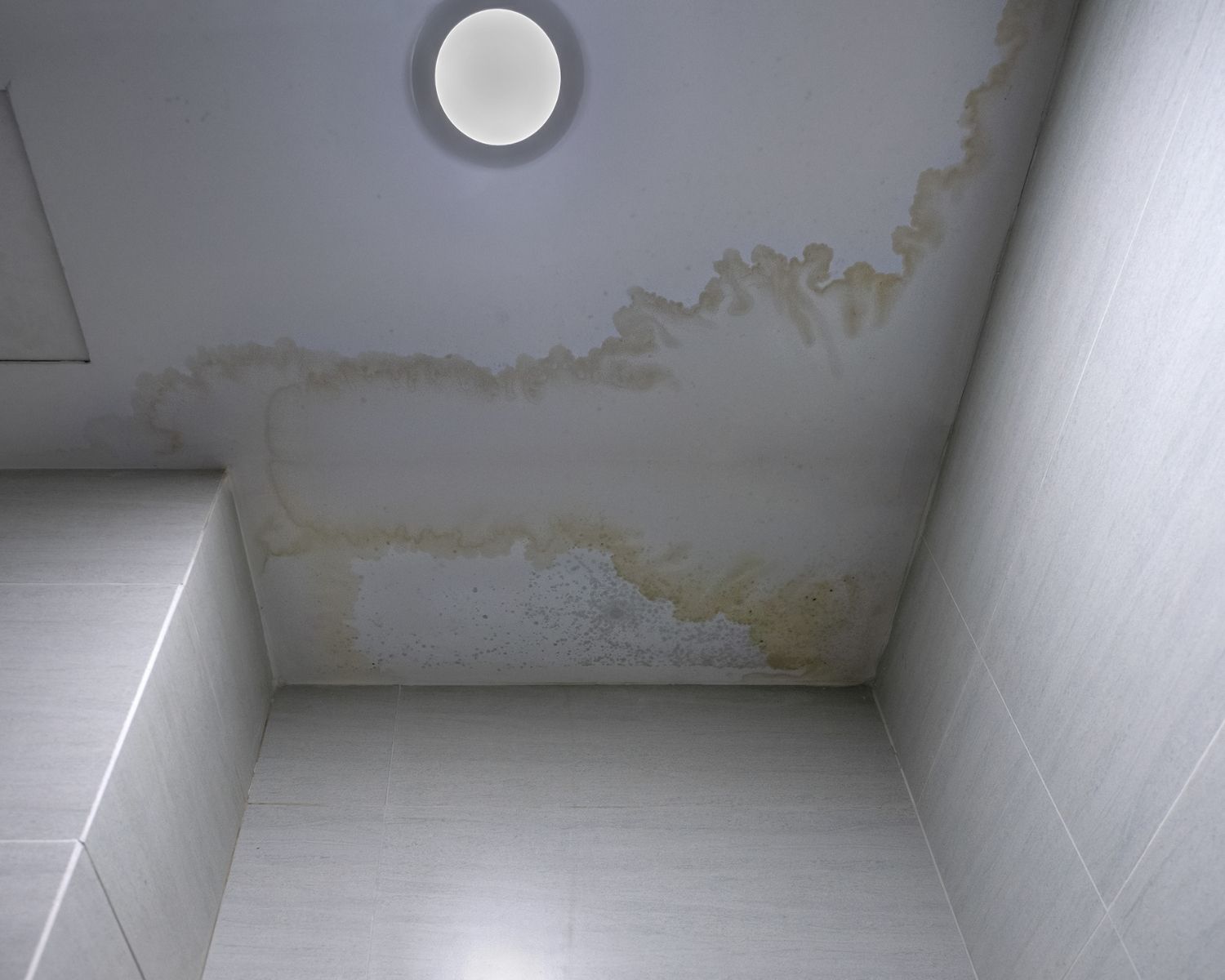
Ceiling stains like this one indicate water intrusion that needs immediate attention.
Spotted Signs of Water Damage?
Our IICRC-certified technicians provide free estimates and 24/7 emergency response throughout Redmond, Woodinville, and the Greater Eastside.
Get Your Free EstimateYour Spring Thaw Prevention Checklist
Prevention beats restoration every time. Here’s what we recommend as winter transitions to spring:
Exterior Tasks
- Clear gutters and downspouts of debris and ice blockages
- Extend downspout drainage at least 6 feet from your foundation
- Inspect roof for damage from winter storms
- Check window and door seals for gaps
Interior Tasks
- Test your sump pump before heavy melt begins
- Inspect attic for ice dam damage
- Check water heater and supply lines for wear
Speaking of insurance, knowing how to properly document water damage can make the claims process significantly smoother.
Salvage Priorities When Water Strikes
Despite your best prevention efforts, water damage can still happen. Knowing what to prioritize can save irreplaceable items and reduce overall damage.
| Priority | Items | Timeframe |
|---|---|---|
| Immediate | Documents, photos, electronics, medications | First 30 minutes |
| High | Furniture (place legs on foil), items on floors | First 2 hours |
| Important | Area rugs, curtains, upholstered items | Within 24 hours |
One thing we always tell homeowners: don’t risk your safety. If standing water is more than a few inches deep, or if you suspect electrical hazards, evacuate and call professionals immediately.
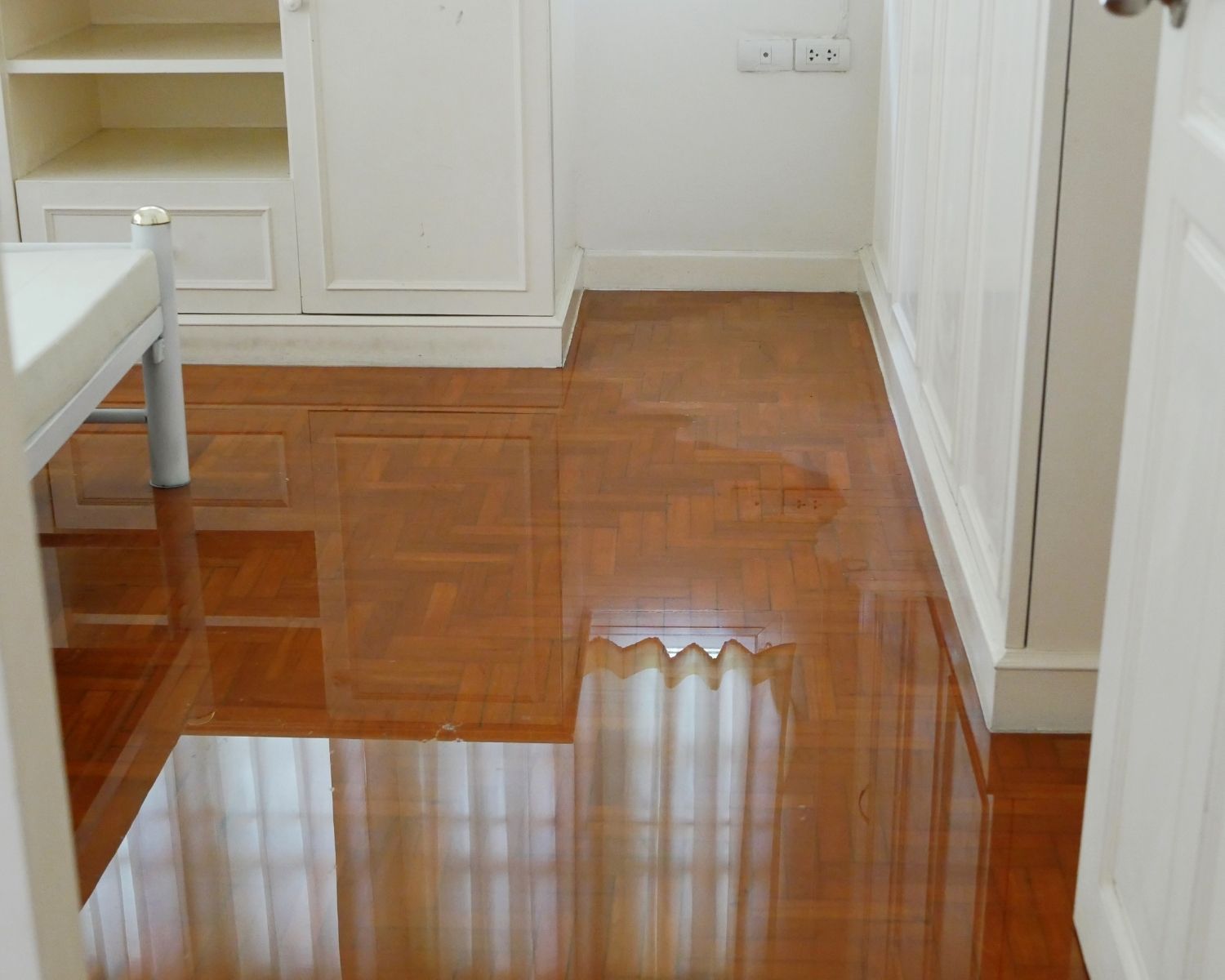
Significant water on flooring requires professional extraction equipment to prevent structural damage.
Professional Restoration Approaches for Spring Thaw Damage
Professional water extraction and dehumidification goes far beyond what household fans and towels can accomplish.
First, technicians assess the full extent of water intrusion using moisture meters and thermal imaging. Water often travels behind walls and under flooring, and finding all affected areas is critical. Then, industrial extraction equipment removes standing water, followed by strategic placement of air movers and dehumidifiers.
The EPA recommends that wet materials be dried within 24 to 48. Commercial dehumidifiers can remove 20 or more gallons of water from the air daily, compared to just a few pints from residential units.
For Redmond area homeowners, understanding local factors like our typical soil composition and basement construction types helps restoration professionals tailor their approach for the best results.
Frequently Asked Questions
Does homeowner’s insurance cover spring thaw water damage?
Coverage depends on the water source. Most policies cover sudden and accidental water damage from sources like burst pipes or ice dam leaks. However, gradual seepage and groundwater flooding are typically excluded. Review your policy and consider flood insurance if you live in a low-lying area.
What’s the difference between water damage mitigation and restoration?
Mitigation refers to the immediate emergency response: stopping the water source, extracting standing water, and beginning the drying process. Restoration involves returning the property to its pre-loss condition, which may include repairs. PuroClean of Redmond/Woodinville specializes in mitigation and cleanup services.
How can I tell if my crawl space has spring thaw water damage?
Signs include musty odors inside the home, increased humidity levels, visible moisture in the crawl space, sagging floors above the crawl space, and pest activity. Regular inspection during spring thaw is recommended for Greater Eastside homes where crawl spaces are common.
Ready to Protect Your Home This Spring?
PuroClean of Redmond/Woodinville offers free estimates and 24/7 emergency response. With nearly two decades serving the Northshore area and IICRC-certified technicians, we’re here when you need us most.
Contact Our Team Today