


Jump To:
- What IICRC Actually Means
- The S700 Standard for Fire Restoration
- Certified Work vs. Uncertified Work
- What to Ask Before You Hire
- FAQs
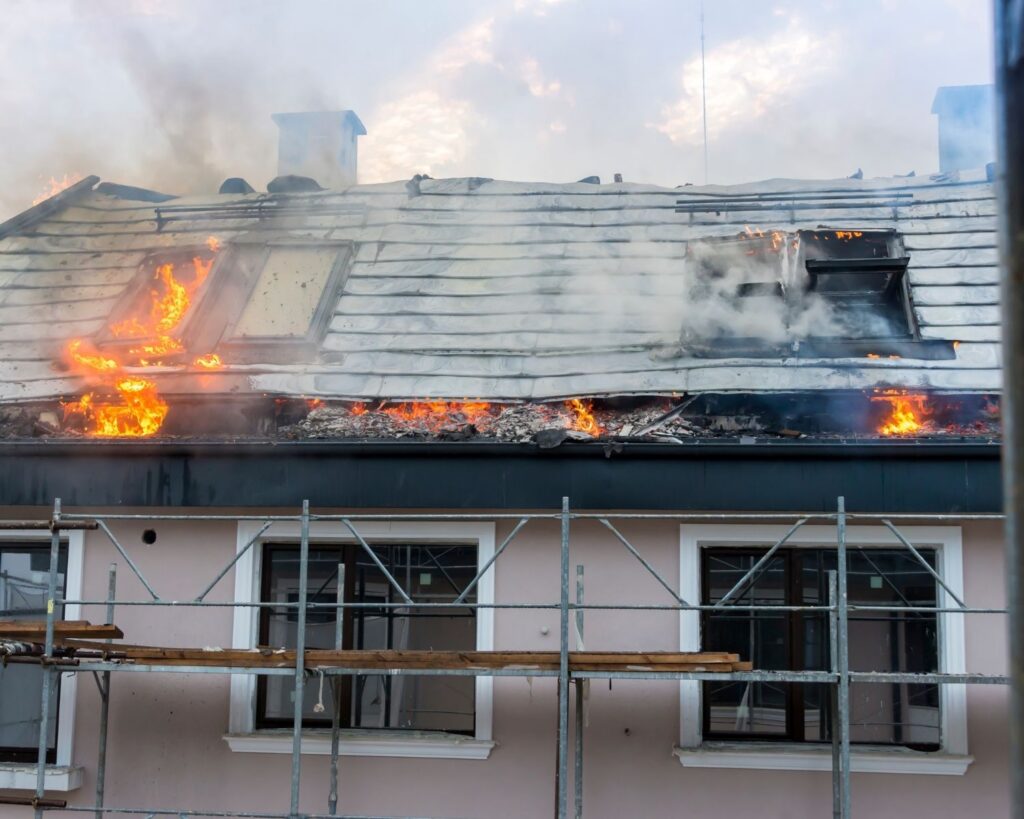
If you’re looking into IICRC standards for fire restoration after a house fire, you’re already ahead of most homeowners. Companies that follow these rules do better work, and companies that skip them? You can usually tell. Our team at PuroClean of Redmond/Woodinville has been IICRC-certified since 2009. We’d rather you understand what those letters mean than just see them on a business card.
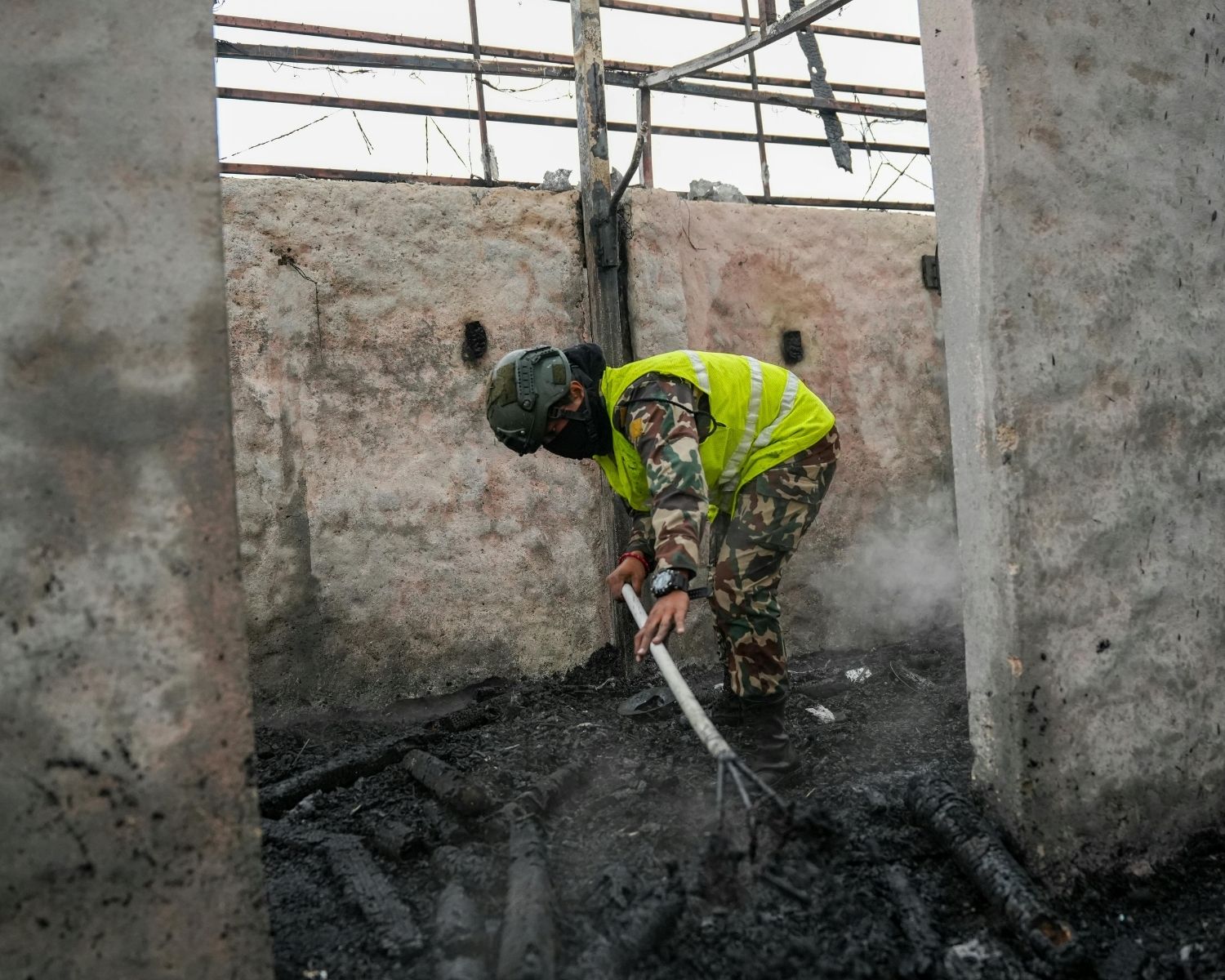
Certified technicians follow a specific written standard for every fire damage project, not just personal experience.
What IICRC Actually Means
IICRC stands for the Institute of Inspection, Cleaning and Restoration Certification. It’s an outside group that writes the rules our industry follows. The group sets the standards for how fire, water, and smoke damage should be handled. It also certifies the technicians and companies who can prove they know those rules.
Think of it like building codes. A licensed electrician follows the National Electrical Code. A certified restoration tech follows IICRC standards. It’s the agreed baseline for what good work looks like.
The IICRC S700 standard is the one for fire work. It lays out clear steps that go past surface cleaning. And these aren’t lifetime credentials. Techs have to keep training as the standards update.
The S700 Standard for Fire Restoration
S700 is the IICRC standard written for fire and smoke damage work. It covers the inspection, the damage check, the cleaning chemistry, and odor removal. It also explains why some materials get treated differently and when items are beyond saving. It’s the playbook our crews work from on every fire job.
Here’s what S700 covers on a typical project:
- Damage type. Fires get sorted by type: protein, natural, synthetic, complex. Each leaves a different residue and needs a different approach.
- Soot chemistry. Acidic soot eats into surfaces fast. The standard sets timelines so staining doesn’t become permanent.
- Air quality. Smoke settles in HVAC systems and porous materials. S700 covers how to test and treat both.
- Odor removal. Real removal, not masking. The standard lists methods that kill smoke at the source.
- Records. Every step gets logged. That matters when your insurance carrier needs proof of work done.
Dealing with fire damage on the Greater Eastside? Our IICRC-certified team responds 24/7.Get a Free Estimate
Certified Work vs. Uncertified Work
The biggest gap between certified and uncertified work shows up in the details you can’t see. A crew without IICRC training might wipe down walls, run a fan for a day, and call it done. Two weeks later, the smoke smell comes back. Why? Soot stays trapped in insulation, ductwork, and porous surfaces that nobody treated.
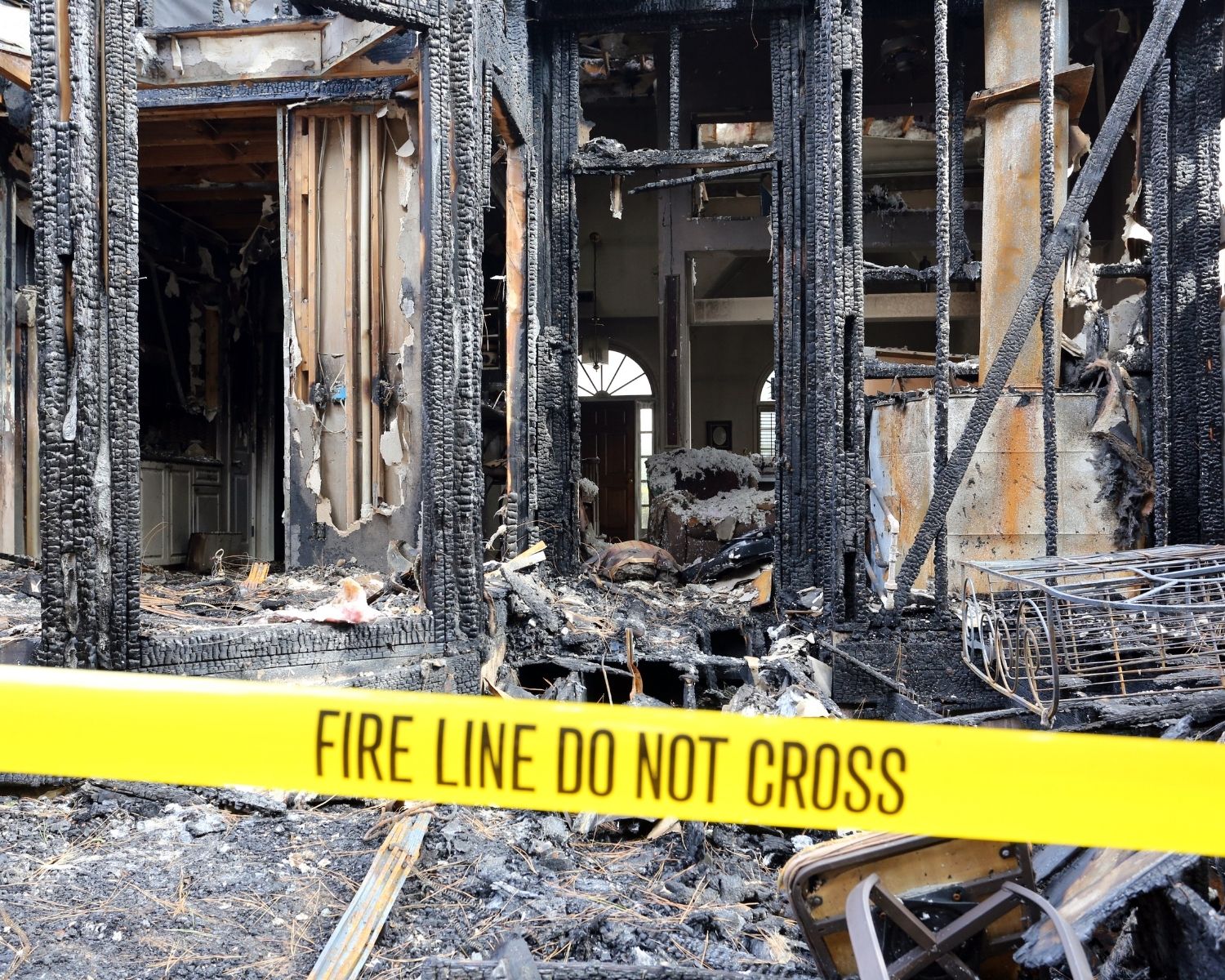
The right cleaning chemistry depends on the type of fire, not a one-size-fits-all approach.
Here’s a quick side-by-side of what changes when you hire a certified team:
| Certified Approach | Uncertified Approach |
|---|---|
| Fire type identified before cleaning starts | Same products used on every job |
| HVAC and ductwork addressed as part of scope | Visible surfaces only |
| Deodorization at the molecular level | Air fresheners and surface sprays |
| Documentation insurers actually accept | Vague invoices and missing records |
If you want a deeper read on this, our guide to professional versus DIY fire damage cleanup walks through what cuts corners cost you down the line.
What to Ask Before You Hire
Hiring a fire restoration company you’ve never met before is stressful, especially when you’re already dealing with the fire itself. A few quick questions tell you most of what you need to know. The good ones answer them right away. The ones to skip will get vague.
Ask any company:
- Are your techs IICRC-certified, and in which categories?
- How do you spot the type of fire residue before cleaning starts?
- Will you treat the HVAC system as part of the job?
- Do you give written records that insurance carriers accept?
- How do you handle soot and odor removal after the visible damage is gone?
For more on what to expect, our breakdown of the stages of fire remediation covers the full timeline. The USFA After the Fire guide is a solid homeowner resource for the broader recovery.

A good restoration team will explain the standards they follow before any work begins.
If your home in Redmond, Woodinville, or anywhere on the Greater Eastside has been hit by fire or smoke, our team is ready to help. We’re IICRC-certified, locally owned, and available 24/7. Reach out for a free estimate and we’ll walk you through the standards we follow.
Frequently Asked Questions
Is IICRC certification required by law for fire restoration companies?
No. It’s not required by law in Washington State. It’s a voluntary credential. Still, most insurance carriers prefer certified contractors. It’s the strongest signal of training and quality you’ll find.
How can I verify a company’s IICRC certification?
You can search the IICRC’s online directory of certified firms and techs on their website. Any real company will share their certification numbers if you ask. If a contractor gets cagey when you ask, that’s your answer.
Does IICRC S700 cover smoke damage from wildfires?
Yes. The S700 standard covers smoke damage from all sources. That includes wildfire smoke that gets into a home through windows, doors, and HVAC systems. The cleaning steps differ a bit from house fires, but the standard covers both.
Why does the type of fire matter for restoration?
Different fires leave different residues. A protein fire from cooking creates a thin, greasy film with a strong smell. A synthetic fire from electronics leaves sticky black soot. Each one needs different cleaners. The wrong one can drive residue deeper or wreck the surface.