


Introduction
Mold concerns can change the course of an Alexandria home sale quickly. A musty smell, water stain, or visible growth may cause buyers to pause, lenders to ask questions, and sellers to face repair costs before closing. The right response depends on the source of moisture, the extent of the problem, and the documentation available.
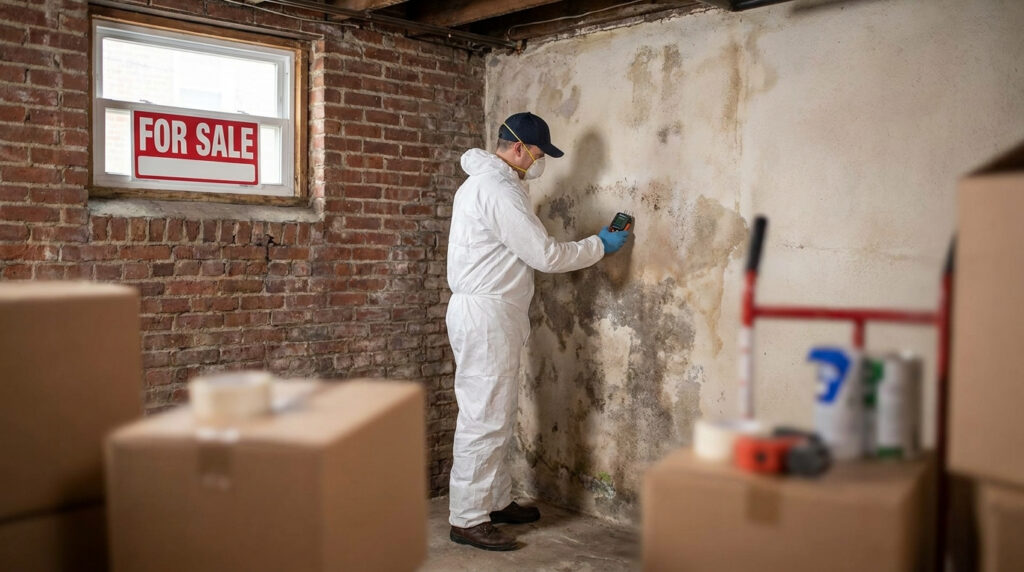
Alexandria homes range from historic properties with older basements to newer townhomes with complex HVAC systems. Each can develop moisture problems from roof leaks, plumbing failures, poor drainage, condensation, or inadequate ventilation. A mold inspection before buying a house gives buyers a clearer view of conditions that may not appear during a standard walk through.
Why Mold Matters In Alexandria Real Estate
Mold is not simply a cosmetic issue. It often points to a moisture condition that can damage drywall, flooring, insulation, framing, or personal property over time. The visible area may be small, while the water source behind a wall, under flooring, or near a crawl space is more extensive.
In Alexandria, older homes may have stone foundations, aging plumbing lines, original windows, and limited bathroom ventilation. These features can create recurring moisture patterns. Townhomes and condominiums can present different challenges, such as roof leaks from common elements, water migration between units, or HVAC condensate problems.
A buyer should distinguish between a minor surface issue and an active moisture problem. Small growth around a bathroom caulk line may be resolved with cleaning and improved ventilation. Growth around a ceiling stain, basement wall, or HVAC supply vent deserves further investigation because it may indicate an ongoing leak or humidity issue.
What A Standard Home Inspection Can Reveal
A general home inspector can identify many warning signs, including staining, elevated moisture readings, damaged materials, poor grading, missing exhaust ventilation, and signs of past water intrusion. The inspector may also recommend a specialist if conditions suggest hidden growth or a recurring source of moisture.
However, a general inspection does not always confirm the type or concentration of mold. Inspectors typically cannot see inside every wall cavity or beneath installed flooring. They also may not perform laboratory sampling unless that service is specifically included.
Buyers should read the inspection report carefully rather than focusing only on the word mold. The more useful details are the affected location, evidence of moisture, likely cause, recommended next action, and whether the issue appears active. Those facts guide negotiations and help determine whether further testing is worthwhile.
Steps Before You Make An Offer
A careful pre-offer review can reduce the chance of discovering a major moisture issue after you are under contract.
– Look for ceiling stains, peeling paint, warped flooring, damp basement walls, and condensation on windows.
– Notice odors in basements, closets, attics, crawl spaces, bathrooms, and areas near HVAC equipment.
– Ask how the property handles drainage, sump pumps, roof runoff, bathroom ventilation, and past water events.
– Review seller disclosures and prior repair invoices for leaks, flooding, plumbing repairs, roof work, or remediation.
– Consider the home’s age, foundation type, and layout before assuming a spotless room has no hidden moisture concern.
These early observations help you decide how strongly to structure inspection and repair protections in your offer.
How Buyers Should Structure Inspection Protections
Buyers in Alexandria should preserve the right to inspect the property during the contract contingency period. A home inspection contingency gives the buyer an opportunity to review conditions and seek repairs, a credit, a price adjustment, or release from the contract under the terms of the agreement.
If there are visible moisture concerns before the offer, discuss them with your real estate agent before writing the contract. The offer can address specific inspection rights, documentation requests, or access for a qualified mold assessor. Clear contract language is more effective than trying to reopen the issue after deadlines pass.
Avoid waiving inspections solely to make an offer more competitive. A competitive offer can still include a focused inspection strategy. For example, a buyer may shorten the inspection timeline while retaining the right to investigate suspected water intrusion in a basement or attic.
Laboratory testing is not necessary for every situation. Testing is most useful when growth is hidden, odors persist without an obvious source, occupants need a detailed exposure assessment, or the buyer and seller disagree about the scope of a condition. In many cases, identifying and correcting the moisture source matters more than obtaining a laboratory label.
Checks During A Mold Assessment
A qualified assessor should investigate the cause of moisture, not just collect samples from the air.
– Request moisture readings around affected drywall, flooring, windows, plumbing fixtures, and exterior walls.
– Ask whether the assessor can inspect attics, crawl spaces, utility rooms, and accessible areas behind appliances.
– Confirm whether suspected material needs removal or whether a limited cleaning and repair plan is appropriate.
– Obtain photos, location details, moisture findings, and recommended corrective work in a written report.
– Ask whether post-repair verification is recommended after larger remediation projects or extensive water damage.
A written assessment gives both parties a more reliable basis for repairs and negotiation than a verbal opinion alone.
Repair Negotiations After Inspection
Once an inspection identifies a mold-related issue, the key question is whether the cause has been corrected. A seller may offer to clean visible growth, but surface cleaning alone does not solve a roof leak, failed shower pan, plumbing leak, or drainage problem.
Buyers should ask for a repair scope that identifies the moisture source, damaged materials, remediation method, contractor qualifications, and completion date. If drywall or insulation is removed, the scope should also address rebuilding and finishing work. Vague promises to treat or spray an area leave too much uncertainty.
A repair credit can work for a limited and well understood issue. It may be less suitable when the extent of damage is unknown or when remediation must happen before closing. A buyer taking a credit also takes responsibility for coordinating contractors, managing unexpected discoveries, and completing repairs after ownership transfers.
For larger issues, buyers may prefer that the seller complete repairs before closing and provide invoices, warranties, photos, and any post-remediation documentation. The final walk-through should confirm that the agreed work was completed and that no new water damage occurred during repairs.
What Sellers Need To Address Before Listing
Sellers benefit from identifying water problems before the home goes on the market. A buyer who discovers a musty basement or visible ceiling stain during a showing may assume the worst, even if the issue has already been repaired. Early action allows the seller to explain the condition with facts instead of reacting under a contract deadline.
Start by correcting the source of moisture. Repair leaks, improve grading, clean gutters, extend downspouts, service HVAC drainage lines, and ensure bathrooms vent to the exterior. If materials are wet, damaged, or visibly affected, hire an appropriate professional to evaluate the area and recommend a repair scope.
Keep records of the work. Useful documents include invoices, paid receipts, photographs before and after repairs, roof or plumbing reports, moisture readings, remediation records, and transferable warranties. These records can reassure buyers and reduce confusion during the inspection period.
Do not cover stains with fresh paint without resolving the cause. New paint may improve appearance temporarily, but a qualified inspector can still identify moisture patterns. If the issue reappears after closing, the lack of supporting documentation can create conflict.
Disclosure Obligations For Virginia Sellers
Virginia sellers generally provide a residential property disclosure statement, but the form is not a substitute for direct, accurate communication about known defects. Sellers should complete required disclosures carefully and discuss known water intrusion, leaks, past remediation, or recurring moisture conditions with their agent.
A seller does not need to speculate about conditions they do not know exist. Still, ignoring a known basement leak, hiding visible growth, or failing to mention prior remediation can create serious problems after closing. Written records help establish what was known, what was repaired, and whether the condition was resolved.
If a past event was professionally repaired, explain it clearly. State the location, cause, repair date, contractor, and available documentation. Buyers are often more comfortable with a documented prior issue than with unexplained staining or an evasive answer.
Common Mistakes That Complicate A Sale
Mold disputes often become expensive because one party reacts too late or relies on incomplete information.
– Treating visible growth without locating the water source can allow the condition to return after closing.
– Relying on a verbal contractor estimate creates uncertainty about scope, cost, and completed work.
– Delaying specialist review can leave too little time for informed negotiation before contingency deadlines.
– Assuming every lab result requires major remediation can lead to unnecessary alarm and expense.
– Offering a large credit without understanding the repair scope can shift unknown risk to the buyer.
– Failing to retain repair records makes it harder to explain prior water issues to future buyers.
A timely inspection, a clear repair plan, and complete documentation keep the transaction focused on workable solutions.
When Walking Away May Be Sensible
Not every mold issue should end a transaction. Many are repairable once the moisture source is identified and the work is properly completed. The decision should depend on scope, uncertainty, cost, and the buyer’s comfort with the property.
Walking away may be reasonable if the source cannot be identified, the seller will not permit adequate investigation, widespread moisture damage is suspected, or the repair scope could affect major systems or structural components. A buyer should also consider whether the home’s price reflects the remaining risk and disruption.
For sellers, an unresolved issue can make future transactions harder as well. If one buyer terminates after finding significant moisture concerns, addressing the condition before relisting often protects the home’s marketability better than hoping the next buyer will overlook it.

Conclusion
Mold concerns do not have to derail an Alexandria home purchase or sale. The best outcomes come from finding the moisture source, defining the repair scope, and documenting the work clearly.
Buyers should use inspections to understand both visible conditions and hidden risk. Sellers should correct known problems before listing and provide honest records of completed work. Clear mold disclosure practices in Virginia help reduce surprises, support fair negotiations, and give both parties a stronger path to closing.
If a property shows signs of water intrusion, schedule a qualified assessment early enough to make informed decisions before contract deadlines create pressure.
FAQs
Q: Is a mold inspection necessary before buying a house in Alexandria?
A: It is not necessary for every property, but it is wise when there are odors, stains, past leaks, basement moisture, visible growth, or concerns in an attic, crawl space, or HVAC system. A standard home inspection can help determine whether specialist evaluation is needed.
Q: Can a seller refuse to make mold-related repairs?
A: A seller can decline repair requests unless the contract requires otherwise. The buyer may then negotiate a credit or price adjustment, accept the property under the agreed terms, or exercise an inspection contingency if available.
Q: Does mold always mean a home has a major problem?
A: No. Limited growth from bathroom humidity or a small past leak may be resolved with cleaning, ventilation improvements, and minor repairs. The concern becomes more serious when moisture is active, damage is widespread, or the cause remains unknown.