 PuroClean Property Savers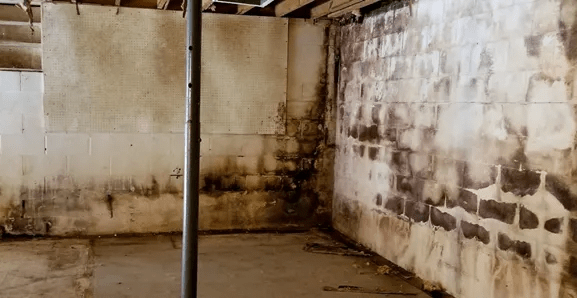
Table of Contents
Basement mold removal starts with fixing moisture, sizing the affected area, and choosing the right cleanup approach. If mold covers less than 10 square feet and the moisture source is resolved, careful DIY cleanup may be possible. Larger areas, recurring growth, or health concerns usually require professional help. Following these guidelines can help homeowners in Austin remove mold safely and prevent it from coming back.
What Is Basement Mold?
Basement mold is fungal growth that develops when spores settle on damp surfaces and begin to multiply. Basements are especially vulnerable due to groundwater intrusion, condensation, and limited ventilation.
Mold can grow on concrete, drywall, insulation, wood framing, carpets, and stored items. Addressing moisture is essential—cleaning alone will not solve the problem.
Mold can also grow in other areas of the home, especially in the bathroom. Learn about bathroom mold removal and prevention. Sometimes, mold can even grow where you least expect. Find out where mold can unexpectedly grow in your home.
Steps to Take for Basement Mold Removal
Austin’s climate can contribute to basement moisture through heavy rains, humidity, and temperature swings. Water intrusion after storms, plumbing leaks, or condensation on cool surfaces often creates ideal conditions for mold growth.
Poor airflow and low light further allow mold to spread unnoticed.
Step 1: Assess the Size of the Affected Area
Before beginning basement mold removal, determine how much surface area is affected.
- Under 10 square feet: DIY cleanup may be possible with proper precautions
- Over 10 square feet: Professional mold remediation is strongly recommended
- Hidden growth or recurring mold: Treat as a professional-level issue
If you’re unsure of the size or source, an inspection can prevent incomplete cleanup.
Step 2: Wear Proper Protective Gear
Mold removal releases spores into the air, which can irritate the lungs, skin, and eyes. Proper protection reduces exposure.
Wear:
- Long sleeves and pants
- Gloves
- Goggles
- A dust mask or respirator
Do not attempt cleanup without protection, especially if you have allergies or respiratory conditions.
Step 3: Fix the Moisture Problem First
Successful basement mold removal depends on eliminating moisture at the source. Mold will return if damp conditions persist.
Common moisture sources include:
- Flooding or water intrusion
- Condensation on walls or pipes
- Leaking plumbing
- Cracks in foundation walls or floors
Dry wet areas completely before removing mold.
Step 4: Locate All Mold Growth
Once moisture is controlled, identify visible and hidden mold. Mold may appear as discoloration, staining, or fuzzy growth.
Check:
- Walls and ceilings
- Behind stored items
- Insulation and wall cavities
- Furniture and flooring
If you’re unsure whether a substance is mold, testing kits can help confirm its presence.
Step 5: Contain the Area Before Cleaning
Containment prevents spores from spreading to other parts of the home.
- Seal doorways and vents with plastic sheeting
- Close off air circulation
- Lightly mist dry mold to reduce airborne spores
Proper containment is a critical safety step.
Step 6: Clean or Remove Affected Materials
Cleaning methods depend on surface type.
- Non-porous surfaces: Scrub with detergent and water or a mold-specific cleaner
- Porous materials: Drywall, carpet, or insulation may need removal and replacement
After cleaning, dry all surfaces thoroughly and vacuum with a HEPA-filtered vacuum.
DIY vs. Professional Basement Mold Removal
| Situation | DIY Recommended? | Professional Needed? |
|---|---|---|
| Small, visible area | Yes | No |
| Growth over 10 sq ft | No | Yes |
| Hidden mold | No | Yes |
| Health concerns | No | Yes |
| Recurring mold | No | Yes |
This comparison helps determine the safest and most effective approach.
Step 7: Prevent Mold from Returning
Prevention is the final—and most important—step.
- Use a dehumidifier to control humidity
- Waterproof basement walls and floors if needed
- Improve ventilation
- Insulate pipes and exterior walls
- Clean and inspect the basement regularly
Consistent moisture control reduces the risk of future mold growth.
When to Call PuroClean Property Savers
If mold is widespread, keeps returning, or affects indoor air quality, contact PuroClean Property Savers. Their team provides professional mold remediation services in Austin and can address both mold and its underlying moisture causes.
Professional remediation ensures thorough removal and long-term prevention.
FAQs: Basement Mold Removal
Can I remove basement mold myself?
Yes, if the area is small and the moisture problem is fixed. Larger or hidden growth should be handled professionally.
Is basement mold dangerous?
It can be, especially for people with allergies, asthma, or weakened immune systems.
Will bleach kill basement mold?
Bleach may remove surface stains but often fails to eliminate mold roots on porous materials.
How long does professional mold removal take?
Most projects take one to several days, depending on severity.
How can I prevent mold after cleanup?
Control moisture, improve airflow, and monitor humidity levels consistently.
Call to Action
If you’re dealing with persistent mold or unsure how to proceed with basement mold removal, contact PuroClean Property Savers in Austin, TX at (512) 956-5700 for a professional inspection and safe remediation.
Key Takeaways
- Basement mold removal starts with moisture control
- DIY cleanup is only safe for small, contained areas
- Protective gear and containment are essential
- Porous materials often need replacement
- Prevention focuses on humidity and waterproofing
- Professional help ensures complete and lasting results


 PuroClean Property Savers