


Table of Contents
Understanding Water Damage: Causes, Risks, and Solutions
This type of damage is a significant concern for homeowners and businesses alike, often leading to costly repairs and potential health hazards if not addressed promptly. This comprehensive guide explores the causes, risks, prevention tips, and restoration methods related to water damage. By understanding these aspects, you can safeguard your property and ensure a healthy living environment.
What is Water Damage?
Water damage refers to any harm caused to property by excessive water intrusion. It can result from natural disasters, plumbing failures, or other accidental leaks. The consequences range from minor cosmetic issues to severe structural damage and mold growth.
Common Causes
- Leaking or Burst Pipes: Faulty plumbing systems, frozen pipes, or aging materials can cause leaks or bursts, leading to property damage.
- Roof Leaks: Damaged shingles, clogged gutters, or poor maintenance can result in water seeping into your home.
- Flooding: Heavy rain, hurricanes, or overflowing rivers can lead to significant property damage.
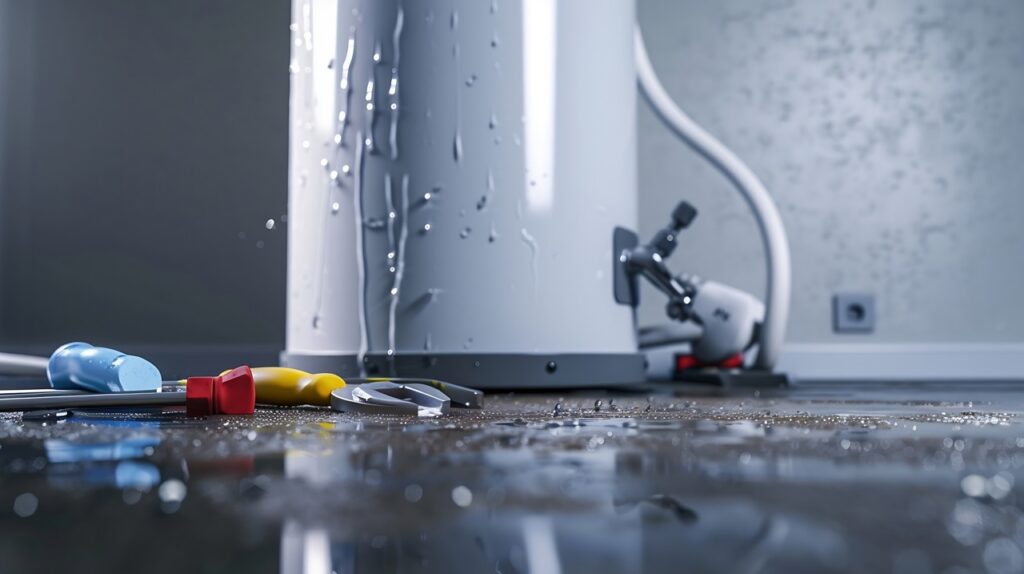
- Appliance Malfunctions: Faulty washing machines, dishwashers, or water heaters are common culprits.
- Sewage Backups: A clogged or damaged sewer line can cause contaminated water to backflow into your property.
The Risks
Water damage poses several risks, both immediate and long-term. Recognizing these risks can help you take timely action.
Health Hazards
- Mold Growth: Excess moisture creates an ideal environment for mold, which can trigger allergies and respiratory issues.
- Bacteria and Contaminants: Floodwater often contains harmful bacteria, viruses, and chemicals.
Structural Damage
- Foundation Weakening: Prolonged exposure to water can erode and weaken your building’s foundation.
- Warped Wood: Wood flooring and furniture may swell, warp, or rot.
- Electrical Issues: Water exposure to electrical systems increases the risk of short circuits and fires.
Financial Impact
- High Repair Costs: Extensive water damage often requires costly repairs or replacements.
- Decreased Property Value: Persistent water issues can lower your property’s market value.
How to Prevent Water Damage
Prevention is always better than cure. Here are actionable tips to protect your property from water damage:
Regular Maintenance
- Inspect your roof, gutters, and downspouts regularly. Clear debris to ensure proper drainage.
- Check plumbing systems for leaks or corrosion. Replace aging pipes proactively.
Install Preventive Measures
- Water Alarms: These devices detect leaks early and alert you.
- Sump Pumps: A sump pump prevents basement flooding by directing water away from your property.
- Backflow Valves: These valves prevent sewage from backing up into your home.
Landscape Wisely
- Ensure proper grading around your property to direct water away from the foundation.
- Plant water-resistant shrubs and trees that help absorb excess moisture.
Emergency Preparedness
- Keep an emergency kit with essential items like flashlights, batteries, and waterproof containers.
- Know the location of your main water shutoff valve to act quickly during leaks.
Effective Water Damage Restoration
If water damage occurs, swift action is crucial. Follow these steps for effective restoration:
Step 1: Assess the Damage
Determine the source and extent of the damage. Identify areas needing immediate attention, such as standing water or visible mold.
Step 2: Remove Standing Water
- Use pumps, wet vacuums, or buckets to extract excess water.
- Dry the area with fans, dehumidifiers, and proper ventilation.
Step 3: Clean and Disinfect
- Remove damaged materials like carpets and drywall.
- Sanitize surfaces with appropriate cleaning agents to prevent mold and bacteria.
Step 4: Repair and Restore
- Fix leaks and replace damaged materials.
- Consider professional water damage restoration services for severe cases or insurance claims.
When to Call a Professional
While minor water damage can be managed independently, severe cases require expert intervention. Call a professional if:
- Water damage affects structural integrity.
- There’s extensive mold growth.
- Contaminated water is involved (e.g., sewage or floodwater).
Professional restoration companies use advanced tools and techniques to mitigate damage effectively. They also assist with insurance claims, ensuring a smoother recovery process.
Final Thoughts
Water damage is a serious issue that requires prompt attention and preventive measures. By understanding its causes, risks, and solutions, you can minimize damage and protect your property. Remember, regular maintenance and emergency preparedness are your best defenses against water damage.
For more information on water damage prevention and restoration, visit reputable sources such as the Environmental Protection Agency (EPA) and the American Red Cross.
PuroClean Property Savers provides emergency restoration services 24 hours a day, seven days a week. Our services include water damage, fire & smoke damage, mold remediation, biohazard cleanup, reconstruction and large-scale commercial property damage. We service Austin, Bastrop, Buda, Cedar Creek, Cedar Park, Del Valle, Dripping Springs, Elgin, Georgetown, Hutto, Kyle, Leander, Manor, Marble Falls, Pflugerville, Round Rock, Taylor, and Wimberley. Our average “on-site” time is 60 minutes, and we work directly with your local insurance provider.
Our role goes beyond just repairing properties; it’s also repairing lives. Visit us online at “PuroClean Property Savers.” Give us a call now at (512) 956-5700 or email us at [email protected] to schedule a visit.
Explore more helpful articles:
- Top 5 causes for Water Damage in Your Property
- The Hidden Menace: Unraveling the 10 Perils of Water Damage Caused by Frozen Pipes
- 2024 Flood Season in Texas: Avoid Water Damage in Your Home?
- Causes and Prevention of Water Damage in Office Buildings in the Austin and Pflugerville areas
- PuroClean Property Savers Successfully Responds to Water Damage Claim in Austin
- The Ultimate Guide to Commercial Property Damage