24/7 Emergency Moisture Mapping Services in Austin, TX
Water can travel far beyond the place where it first enters a building. After a plumbing leak, appliance failure, roof problem, storm, or flood, moisture may become trapped behind walls, beneath flooring, above ceilings, or inside insulation. These affected areas are not always visible, even when surfaces appear dry.
PuroClean Property Savers provides professional moisture mapping in Austin, TX, for residential and commercial properties. Our technicians use specialized instruments to identify moisture, document its spread, and establish drying goals. The resulting information helps guide water extraction, structural drying, material removal, mold remediation, and repairs while reducing unnecessary disruption to unaffected areas.
Moisture mapping is the process of inspecting a property, measuring moisture levels, and recording where water has migrated through building materials. Technicians take readings from affected and unaffected areas to create a clearer picture of the water loss.
A moisture map may include walls, ceilings, flooring, cabinets, structural wood, insulation, and other materials. These readings help determine where drying equipment should be positioned, whether moisture is spreading, and how materials respond throughout the restoration process.
Because water does not always follow a direct path, the visible stain may not be located near the original leak. Moisture mapping helps technicians follow these patterns and identify areas that require further inspection.
Our process begins with a visual inspection and a review of the suspected water source. We examine visible damage, building materials, nearby rooms, and areas where water may have traveled through wall cavities or beneath flooring.
Infrared thermal imaging may be used to identify temperature differences that suggest moisture is present. Thermal cameras do not directly measure water, so their findings are confirmed with moisture meters, probes, and other instruments.
Non-invasive meters can help scan larger areas without damaging surfaces. When more precise information is required, penetrating probes may be used to measure moisture beneath the surface or inside specific materials. Relative humidity and temperature readings may also be recorded to evaluate indoor drying conditions.
The results are documented to create a moisture map showing affected areas and the approximate extent of water migration. This information can then be updated as drying progresses.
Moisture mapping in Austin helps our technicians determine the appropriate amount and placement of extraction equipment, air movers, and dehumidifiers. Equipment placement is based on the materials involved, the layout of the affected space, and the readings collected during the inspection.
Drywall, wood flooring, cabinets, carpet, concrete, and insulation absorb and release moisture differently. Some materials can be dried in place, while others may need to be removed if they are contaminated, heavily damaged, or preventing access to concealed moisture.
Rather than removing materials based only on appearance, our team uses moisture data to support each decision. This can help preserve unaffected building components while still providing access to areas that require drying.
An initial inspection shows where moisture is present, but continued monitoring helps determine whether drying is working. Our technicians return during the project to measure affected materials and compare new readings with the original moisture map.
Equipment may be repositioned or adjusted based on changes in humidity, temperature, and material moisture levels. Areas that are drying slowly receive additional attention, while equipment can be removed from spaces that have reached the established drying goals.
The Institute of Inspection, Cleaning and Restoration Certification maintains recognized standards and credentials for the inspection, cleaning, and restoration industries, including the IICRC S500 standard for professional water damage restoration. Our IICRC-certified technicians use established restoration practices when evaluating moisture conditions and documenting drying progress.
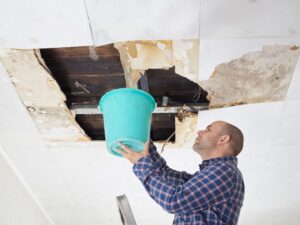
A moisture assessment may be appropriate after a burst pipe, overflowing fixture, leaking water heater, appliance malfunction, roof leak, HVAC condensation problem, storm, sewage backup, or flood. It can also help investigate musty odors, recurring mold, warped flooring, peeling paint, ceiling stains, or unexplained dampness.
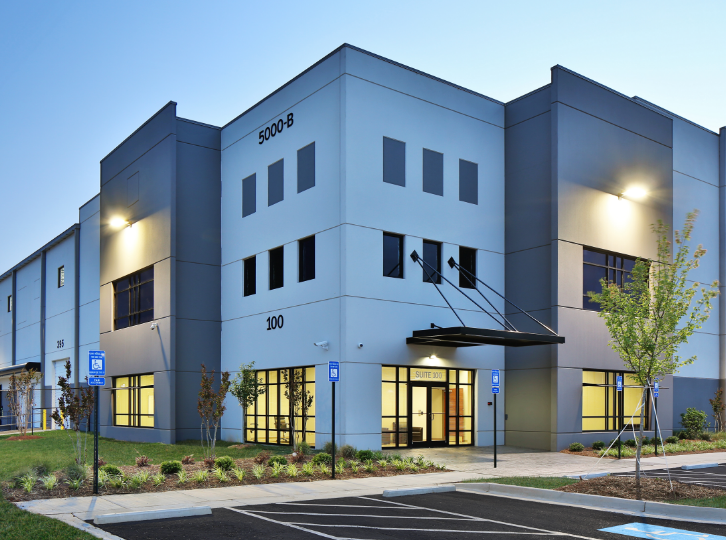
Commercial property managers may use moisture mapping to evaluate offices, apartment communities, retail facilities, and other buildings after a water incident. Detailed documentation can help clarify which rooms and materials were affected while supporting communication with owners, tenants, contractors, and insurance representatives.
Austin’s exposure to sudden heavy rainfall makes hidden moisture detection especially valuable after severe weather. Austin Watershed Protection states that Austin is located in the heart of “Flash Flood Alley” and is particularly vulnerable to flooding. The city also reports that approximately 10% of Austin’s land is within the floodplain and subject to flash-flooding hazards. Property owners can use Austin Watershed Protection and its FloodPro resources to learn more about local floodplains and drainage conditions.
Even when stormwater affects only one part of a property, moisture may migrate into adjoining rooms, lower levels, subfloors, or wall assemblies. Prompt inspection helps define the actual boundaries of the damage before restoration begins.
After moisture mapping is completed, PuroClean Property Savers can develop a targeted restoration plan. Depending on the findings, this may involve water extraction, dehumidification, structural drying, controlled material removal, cleaning, mold remediation, or reconstruction.
We document the affected areas and drying progress throughout the project. This provides property owners with a clearer understanding of the damage and may also support an insurance claim when coverage applies.
We serve North Austin, Central Austin, Downtown Austin, Mesa Park, Hyde Park, Wells Branch and Brentwood, providing trusted restoration services across every corner of the community.
Do not assume that a property is completely dry simply because no standing water is visible. For professional moisture mapping in Austin, TX, call PuroClean Property Savers at (512) 956-5700. Our team will inspect the affected areas, document hidden moisture, and help develop an appropriate plan for drying and restoration.
What Our Customers Say:
Find answers to common questions about our services
You can check the walls and ceilings for water stains, the floors for warping and buckling, and the pipes for corrosion, leaks, missing grout, and mold. Attics and basements may have damaged flooring, mildew or mold, dampness, and odors. Also, be sure to inspect the exterior of the home for cracked roof tiles, puddles, standing water, and whether the ground is sloping away from the house.
First, if safe, shut off the utilities in your home to avoid further damage. Don’t enter your home if it has suffered structural damage. Don’t walk through floodwater if electricity hasn’t been turned off, and avoid contaminants. Next, contact a water-damage restoration company, such as PuroClean Property Savers, as soon as possible. Don’t wait, as water can cause mold and irremediable damage to the wood, walls, and carpet. Then, depending on the extent of the damage and the recommendation of the remediation company, contact your insurance provider to start the claim process.
There are many variables that determine whether a flooded property can be saved: the amount of water, and even more important, the amount of time the water was in/around the property. Every situation is different, and PuroClean Property Savers expert restoration professionals can determine what can be salved once one site.
Property water damage can pose several dangers including structural instability, electrical hazards, mold and mildew growth leading to health issues, contamination from sewage or chemicals, and potential collapse of weakened structures.
Water flooding can cause extensive damage including structural damage to walls, floors, and foundations, damage to personal belongings, electrical hazards, and potential health risks from mold and bacteria growth. The longer water sits, the more severe the damage becomes.
Water damage can result from unexpected leaks, flooding from storms, plumbing failures, or appliance malfunctions. Our certified teams focus on rapid water removal, drying, and stabilization to help prevent further damage and mold growth.
 Explore Our Water Damage Mitigation Services
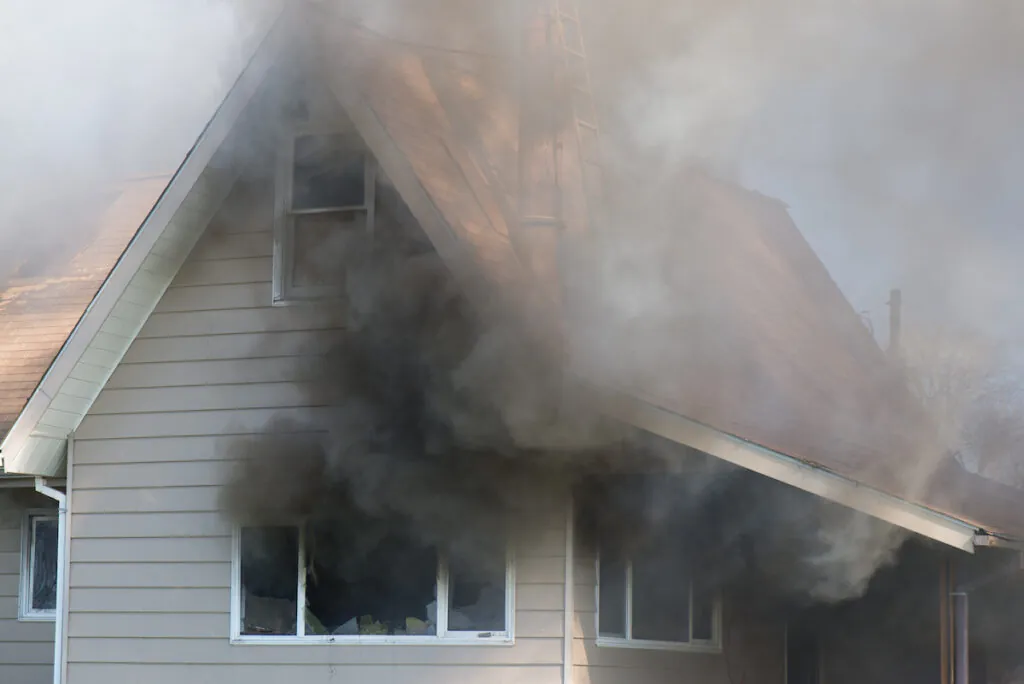
Even after a fire is extinguished, smoke, soot, and odor can continue to affect your home. Fire damage restoration services address visible damage while also helping reduce lingering effects that impact indoor air quality and surfaces.
Explore Our Fire and Smoke Damage Restoration Services
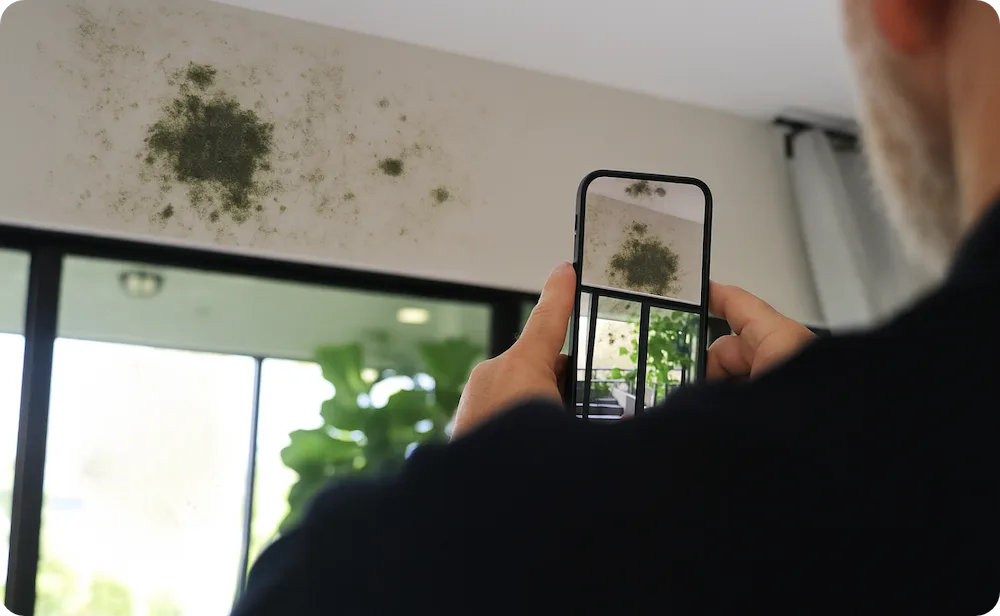
Mold often develops as a result of unresolved moisture or hidden water damage. Professional mold remediation helps identify affected areas, contain growth, and restore healthy indoor conditions.
Explore Our Mold Removal and Remediation Services
Biohazard situations, including crime scene cleanup and virus decontamination, require specialized cleaning and handling to protect health and safety. Biohazard cleanup services address contamination using proper protocols and professional care.
Explore Our Biohazard Cleanup Services
In some cases, property damage requires repairs beyond cleanup and mitigation. Reconstruction services help restore damaged areas of the home after water, fire, or other incidents, supporting a smoother transition from damage to recovery.
Explore Our Reconstruction Services Services
PuroClean provides 24/7 commercial property damage restoration services for businesses and facilities across the United States.
Explore Our Commercial Services
Water damage can result from unexpected leaks, flooding from storms, plumbing failures, or appliance malfunctions. Our certified teams focus on rapid water removal, drying, and stabilization to help prevent further damage and mold growth.
Explore Our Water Damage Mitigation Services

PuroClean Property Savers
(512) 956-5700
9705 Burnet Road, Suite 317, Austin, TX 78758


© 2026 PuroClean. All Rights Reserved.