


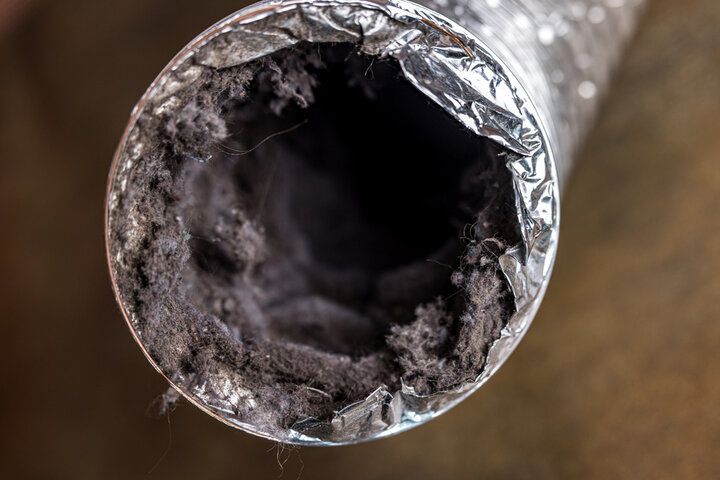
Detecting mold growth in your air ducts is crucial for maintaining good air quality in your home, and it’s important to take action as soon as possible. Poor air quality caused by mold growth can lead to unpleasant symptoms such as itchy eyes and nasal congestion. In this comprehensive guide, you will learn how to confidently identify signs of mold in your air vents and take proactive measures to ensure a cleaner and safer living environment.
The Negative Effects of Mold in Air Vents
Some of the most distressing problems linked to mold growth are the potentially detrimental health effects on anyone who comes into contact with it.
Aside from a musty smell, mold spores can cause people to experience health problems, such as coughing, sneezing, nasal blockage, itchy eyes, skin irritation, breathing difficulties, stuffy nose, runny nose, headaches, and other allergy-like symptoms. The longer one is exposed to mold and the more mold there is, the greater one’s chances of developing these conditions.
Mold exposure can also induce nausea, tiredness, diarrhea, and other symptoms in vulnerable people. Individuals with pre-existing respiratory problems are more prone to develop mold sensitivity after exposure, and people who are allergic to mold will be more severely affected.
How to Check for Mold in Air Ducts
Mold spores thrive in an environment that is warm and moist, such as an air duct. Therefore, mold may develop in your air ducts if you have an excessively wet atmosphere with no ventilation or any space that traps moisture in your walls and causes condensation.
Mold testing can help determine if you have mold in air ducts. Mold is often confused with dirt or dust, and you could waste your time and money in the removal process. Contact a certified mold inspector to confirm that the substance in your HVAC vents is mold. They offer laboratory analysis of samples taken from your air ducts.
Besides a mold test, you can also use your nose, as the fungus gives off a distinct musty odor. You may notice the smell when your heating or air conditioning is on. It will usually be strongest near the mold development vent. As a result, the scent may not be noticeable throughout the house but can still be detected in one room. On the other hand, the odor may continue to linger in adjacent areas and elsewhere throughout the structure.
Mold in air ducts that goes unaddressed for an extended period will spread throughout the rest of the HVAC systems. Eventually, you may detect the musty odor in every nook and cranny of your house.

Calling an HVAC technician to perform maintenance checks on your air conditioning unit is a proactive step in preventing mold growth in the vents.
How to Get Rid of Mold in Air Ducts
Here are our proven steps to get rid of mold in air ducts.
- Stop the HVAC unit. Don’t run the HVAC system if you suspect mold is growing in your AC ducts. Doing so prevents mold from spreading even more throughout your home.
- Examine the air duct type. Find out what comprises your ductwork: fiberglass, flex duct, or metal sheet. Depending on the duct material type, different cleaning methods and charges apply. Removing mold from bare sheet metal is much easier. However, if your ducts are made of fiberglass or insulated internally with fiberglass duct liner, they can’t be effectively cleaned and should be replaced.
- Hire a mold removal company. Removing mold from your sheet metal ducts is challenging, time-consuming, and dangerous. The cleaning must be done safely and correctly using specialized tools and cleaners to prevent mold from growing back. A professional mold removal company can also address the causes that allowed mold to grow in the first place.
- Know who you hire. The National Air Duct Cleaning Association (NADCA) regulates air duct cleaning services. Professional air duct cleaning involves using Environmental Protection Agency (EPA)-approved products and processes for effective mold removal. In addition, steam cleaning and other methods involving moisture should not be used on any ductwork. Ensure the company you hire adheres to NADCA standards and uses the recommended tools and products.
How to Prevent Mold in Air Ducts
Learning to eliminate mold in air ducts is only half of the work. Once the mold is removed following proper procedures, find out what caused it to grow and take steps to eliminate the causes. Follow these HVAC mold prevention guidelines:
- Control the humidity levels in your home. Use a dehumidifier if your home is prone to high humidity.
- Check for water leaks in the walls. If they’re too slow, you won’t be able to detect them right away, but over time, they’ll become ideal breeding grounds for mold in your air ducts and moisture damage throughout your house.
- Make sure that AC drain pans slope toward the drain. This helps remove standing water under the cooling coils of AC units. Also, ensure your HVAC components and drain pans are easily accessible for proper cleaning and maintenance.
- Get an HVAC Preventative Maintenance Plan. This is an effective method to monitor mold and keep your HVAC system healthy. It can assist in preventing the causes of mold by ensuring there are no problems that can allow moisture leaks. Regular maintenance prevents breakdowns and keeps your cooling mechanism operating smoothly.
- Get periodic air duct cleanings. Duct cleaning isn’t generally part of regular preventative maintenance. You’ll undoubtedly want duct cleaning if mold appears in the air ducts, but bear in mind that if you live in a humid environment or have recurring mold, you may benefit from having it done regularly.
- Install UV light and ionization air purifiers. These can eliminate mold and other particles, including viruses and germs. Passive systems can effectively remove particles on surfaces in your HVAC system (such as the coils and fan units.) At the same time, active systems can also destroy airborne contaminants, such as odors and harmful VOCs.
- Keep supply and return vents clear of obstructions to prevent condensation from causing mold in air vents. Consider adding ventilation in rooms with a lot of humidity, like bathrooms and kitchens.
Unsure if Your Air Quality is Less Than Optimal? PuroClean of Aventura is Here to Help!
It’s common for people to breathe in contaminated air without even realizing it, especially in their own homes. HVAC systems are designed to remove moisture from the air, but they can still develop mold growth over time. If you notice a musty smell in your home, it could be due to mold spores. However, there’s no need to worry because PuroClean of Aventura provides expert assistance in such cases. Our certified technicians can assess the extent of any mold damage and conduct a thorough and efficient remediation process. So if you suspect mold damage in your home, don’t hesitate to call us at (305) 907-7373, and we’ll be glad to help you out!