


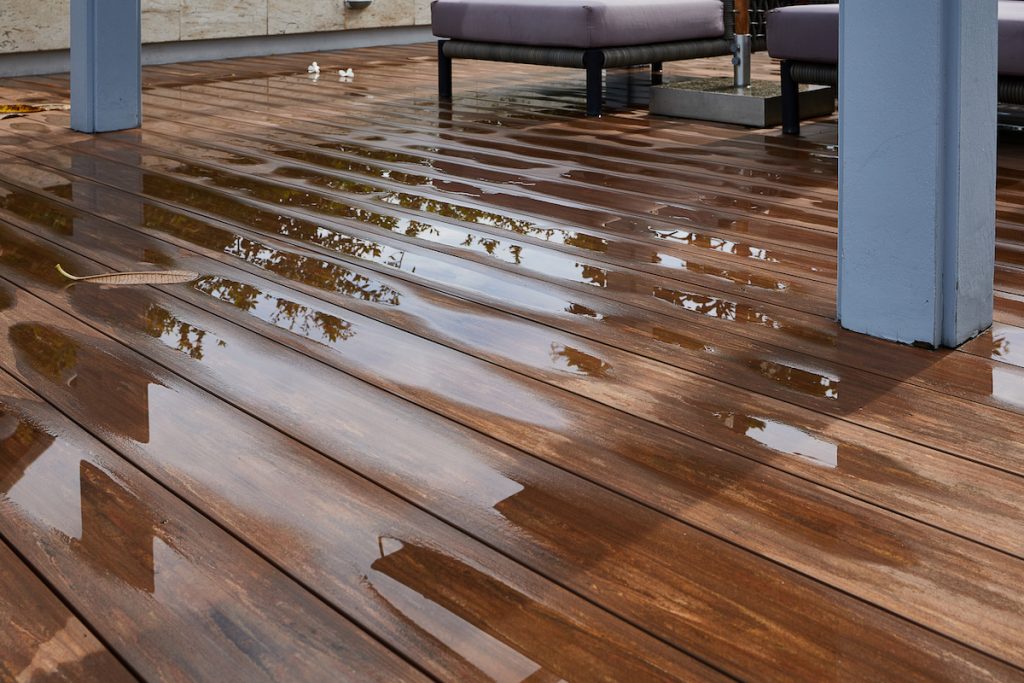

Flooded Hardwood Floor in Aventura? Here’s Exactly What to Do
A flooded hardwood floor in Aventura requires immediate action. Whether the water intrusion was caused by a burst pipe, washing machine failure, water heater leak, or storm-related flooding, time is the single most important factor in minimizing damage.
Hardwood is a natural material. It absorbs moisture quickly, expands, and can begin to warp within hours. The longer water remains, the higher the risk of cupping, crowning, mold growth, and structural damage beneath the flooring.
If you’re facing a flooded hardwood floor, here’s what you need to do immediately—before professional help arrives.
Step 1: Stop the Source of Water
If the flooding is caused by a plumbing issue, shut off the main water supply immediately. If the issue involves an appliance such as a washing machine or water heater, turn off the dedicated water valve.
Stopping the flow prevents further saturation and reduces long-term repair costs.
Step 2: Turn Off Power to the Affected Area
Water and electricity are a dangerous combination. Turn off power to the affected room at the breaker panel before entering standing water. Safety comes first.
Step 3: Document the Damage
Before moving anything, assess and document the damage thoroughly. Take clear photos and videos of:
-
The flooded hardwood flooring
-
Damaged baseboards and walls
-
Furniture and contents
-
The source of water
Create a list of damaged items. This documentation is critical for insurance claims. The Insurance Information Institute explains how proper documentation supports smoother claim processing (https://www.iii.org).
Step 4: Remove Furniture and Contents
Remove rugs, furniture, and any items sitting on the hardwood floor. Transfer them to a dry, well-ventilated area.
Wear protective gear including gloves, rubber boots, and a mask—especially if the water may be contaminated. If flooding came from outside or involved sewage, avoid direct contact.
Step 5: Remove Standing Water Immediately
Time is critical.
Use a wet/dry vacuum, mops, or absorbent cloths to extract as much surface water as possible. If water levels are deep, a sump pump may be necessary.
The longer water sits, the more it penetrates beneath the hardwood planks and into the subfloor. According to the Environmental Protection Agency (EPA), mold growth can begin within 24–48 hours in damp conditions (https://www.epa.gov/mold).
Act fast.
Step 6: Increase Airflow and Ventilation
Open windows and doors if weather permits. Promote cross-ventilation to accelerate evaporation.
Place industrial fans so they blow across—not directly down into—the hardwood surface. This encourages surface moisture removal without forcing water deeper between boards.
Step 7: Use Dehumidifiers and Air Movers
Professional-grade dehumidifiers are essential in hardwood floor drying. Position dehumidifiers in the center of the affected room and close windows once equipment is running to create a controlled drying environment.
Elevate equipment off the wet floor using stable platforms. Consistent humidity reduction prevents further expansion and warping.
Step 8: Clean Mud and Debris
If flooding involved stormwater, gently clean mud and debris using a non-abrasive brush and mild detergent while drying equipment operates.
Avoid harsh scrubbing. Hardwood finishes can be damaged easily. Rinse lightly with clean water if necessary and continue drying.
What About Cupping and Crowning?
After initial drying, hardwood may show signs of:
-
Cupping: Edges higher than the center
-
Crowning: Center higher than edges
Do not sand the floor prematurely. Wood must return to proper moisture content before corrective work begins. Premature sanding can permanently damage the boards.
Successful restoration depends on:
-
Speed of response
-
Type of wood
-
Duration of water exposure
-
Level of saturation beneath the surface
In many cases, professional drying can save the floor without full replacement.
Why Professional Water Damage Restoration Matters
Surface drying is not enough. Moisture often remains trapped beneath hardwood, inside subflooring, and within wall cavities.
Professional restoration teams use:
-
Moisture meters
-
Thermal imaging cameras
-
Commercial-grade dehumidification systems
-
Structural drying techniques
At PuroClean of Aventura, our certified technicians follow industry standards for water damage mitigation to ensure the structure is properly dried—not just visually dry.
Learn more about our professional Water Damage Restoration Services in Aventura here:
https://www.puroclean.com/pa-fl/services/water-damage-restoration/
When to Call PuroClean of Aventura
If:
-
Water has been present for more than a few hours
-
Hardwood shows visible warping
-
The source involves contaminated water
-
You suspect moisture beneath flooring
Call immediately.
Fast mitigation reduces structural damage, prevents mold growth, and limits costly replacement.
Final Thoughts
When dealing with a flooded hardwood floor in Aventura, speed determines the outcome. Stop the water, remove moisture, document damage, and begin drying immediately.
Then contact a professional disaster restoration company like PuroClean of Aventura to assess hidden moisture and implement the most effective drying plan.
Waiting increases damage. Acting quickly protects your home, your investment, and your peace of mind.