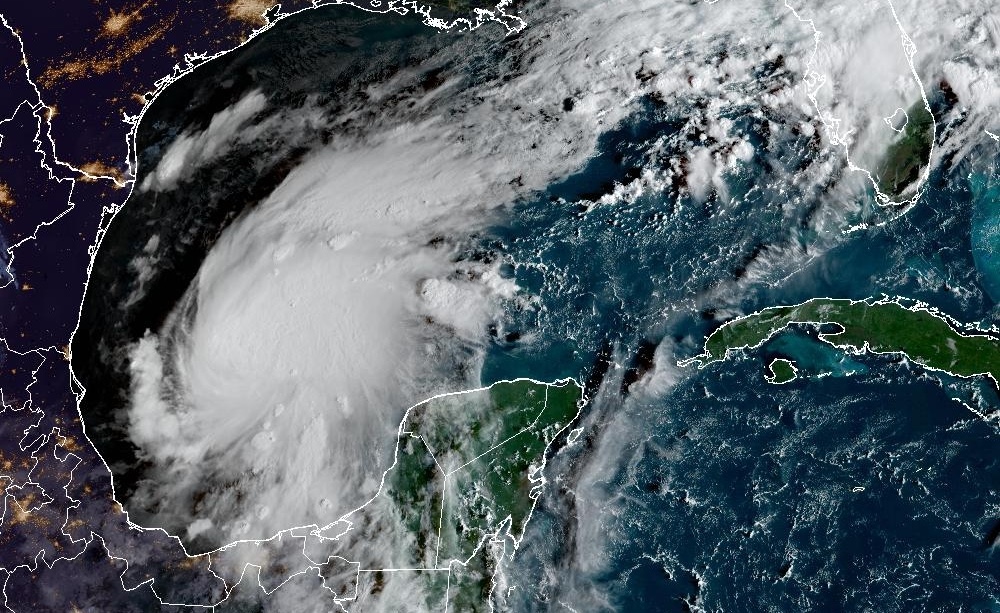
As October comes to a close, attention in Aventura naturally shifts toward cooler evenings, holiday plans, and welcoming seasonal visitors. After months of hurricane preparations, it can be tempting to put away emergency supplies and consider storm season finished.
Almost over? On the calendar, yes. A reason to stop preparing? Not yet.
Atlantic hurricane season officially continues through November 30, and tropical cyclones can occasionally develop outside those dates. The calendar marks a season, not a guaranteed end to storm risk. NOAA’s hurricane season overview explains these official dates and their limits.
For Aventura homeowners, condo residents, and business owners, the final weeks of hurricane season are a good time to refresh supplies, address maintenance concerns, and keep emergency plans ready.
Keep Your Emergency Kit Ready Through November
Do not pack away your emergency supplies just because holiday decorations are coming out. Review what you have used over the past few months and replace missing or expired items.
Keep drinking water, nonperishable food, flashlights, batteries, a battery-powered radio, first-aid supplies, and necessary medications accessible. Include phone chargers, power banks, and supplies for children, older adults, and pets.
Check that everyone in your household knows where the kit is stored. If you are returning to Aventura for the winter, inspect supplies when you arrive rather than assuming everything is still usable.
A stocked kit is useful beyond hurricanes, including during other power outages or disruptions.
Know Your Aventura Property’s Storm Surge Risk
Living near the water makes preparation especially important, but distance from the shoreline alone does not tell you whether evacuation may be necessary.
Review your address using Miami-Dade County’s storm surge planning resources. Storm surge planning zones help officials determine which areas may need to evacuate based on a storm’s expected effects. They are different from flood insurance zones.
Do not assume that living on an upper floor means an evacuation order does not apply. Your building’s location, access, and essential services still matter.
Condo residents should review building procedures and confirm how management will communicate urgent updates.
Refresh Your Evacuation and Communication Plan
A plan made earlier in the year may need updating. Visiting relatives, new pets, changes in mobility, or different work schedules can affect how your household responds.
Confirm where you would go, how you would get there, and who may need transportation assistance. Choose a contact outside the affected area who can help family members communicate if separated.
Save important numbers on your phone and keep a printed copy with your emergency supplies.
Follow Miami-Dade County’s evacuation instructions, including announcements about open evacuation centers. Not every center opens for every emergency, so avoid relying on an old shelter list.
Address Small Property Problems Before Another Storm
Use the remaining weeks of the season to investigate concerns you may have postponed.
Look for stains around windows, deteriorating door seals, loose exterior components, and signs of roof leaks. Arrange professional inspections where needed, particularly for areas that are elevated or difficult to access.
Keep accessible drainage pathways clear. For Aventura condos, report concerns involving balconies, exterior walls, roofs, or shared drainage to building management.
Review how you would bring in balcony furniture, planters, and loose decorations if severe weather threatens. Avoid waiting until strong winds arrive to begin outdoor preparations.
These checks also support everyday property maintenance after hurricane season ends.
Review Insurance Without Waiting for a Forecast
The end of hurricane season is not the end of flood risk. Most homeowners insurance policies do not cover flood damage, so review your coverage with your insurance professional.
Ask about building and contents protection, deductibles, exclusions, and the effective dates of any new coverage. Condo owners should clarify how their individual policies relate to the association’s insurance.
According to the National Flood Insurance Program’s purchasing guidance, NFIP policies generally have a 30-day waiting period, with certain exceptions. Do not assume a policy purchased when a storm approaches will protect you immediately.
Protect Documents and Digital Information
Keep copies of identification, insurance policies, property records, and emergency contacts in a waterproof container. Maintain secure digital copies that you can access away from your property.
Photograph important belongings and update your inventory when purchases or renovations change what you own.
Business owners should also confirm that essential files are backed up and that employees can access emergency communication instructions if the office becomes unavailable.
Know What to Do if Water Damage Occurs
Preparation can reduce risk, but it cannot guarantee that your property will avoid damage.
After a storm, wait until authorities say it is safe to return. Avoid entering areas with standing water, electrical hazards, or visible structural damage.
Once access is safe, document damage and arrange professional assessment promptly. Floodwater may contain contaminants, and wet materials require more than surface cleanup. The EPA’s commercial building water damage guidance distinguishes clean-water drying from situations involving contaminated water that require additional precautions.
PuroClean of Aventura Is Here When You Need Help
Hurricane season may be approaching its official finish, but keeping your supplies and plans ready remains a practical investment.
If storm-related water damage affects your home, condominium, or business, PuroClean of Aventura provides water damage restoration, emergency mitigation, and drying services, with 24/7 emergency availability.
Call PuroClean of Aventura at (305) 907-7373 or visit our website for professional restoration assistance.