


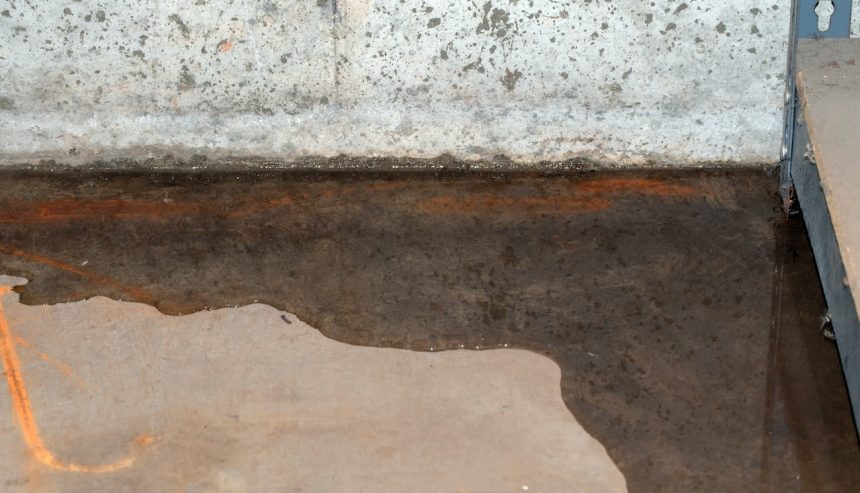
QUICK ANSWER: Basement Mold Smell After Rain
Basement mold smell after rain results from water intrusion, creating moisture where mold grows on organic materials, releasing distinctive musty odors. Racine and Milwaukee homeowners prevent this through seven key strategies: (1) improving drainage and grading, directing water away from foundations, (2) maintaining gutters and downspouts, preventing overflow against homes, (3) sealing foundation cracks, stopping water entry points, (4) upgrading sump pump systems with battery backup, and preventing flooding.
(5) installing basement dehumidifiers controlling humidity below 50%, (6) applying professional waterproofing to foundations and basements, and (7) enhancing ventilation, promoting air circulation, with southeastern Wisconsin’s Lake Michigan proximity, clay soil, and heavy rainfall creating unique basement moisture challenges requiring systematic prevention to protect homes from recurring mold odor problems.
You walk down to your Racine or Milwaukee basement after heavy rain and immediately smell it. That distinctive musty, earthy odor you know means trouble. Basement mold smell after rain has become a predictable pattern. Every time significant rainfall occurs, that smell returns within days. You have tried deodorizers, bleach cleaning, and even opening windows. Nothing works permanently.
The smell keeps coming back because you are treating symptoms rather than causes. The mold odor signals underlying moisture problems that rain events repeatedly expose. Without addressing the sources of water intrusion, the cycle continues indefinitely.
I have helped hundreds of Racine and Milwaukee homeowners finally eliminate the persistent basement mold smell after rain. The solution requires understanding why southeastern Wisconsin basements face unique moisture challenges and implementing systematic prevention strategies rather than reactive cleaning.
This comprehensive guide reveals seven proven prevention tips for eliminating basement mold smell after rain, why proximity to Lake Michigan and clay soil create specific challenges, and when professional intervention is necessary for permanent solutions. Because understanding basement moisture dynamics transforms a frustrating, recurring problem into a manageable situation with clear preventive actions.
Understanding Basement Mold Smell After Rain
What causes the musty odor in basements following rainfall?
Answer: Basement mold smell after rain results from water intrusion through foundation cracks, floor-wall joints, window wells, or poor drainage creating moisture where mold grows on organic materials like drywall, wood, carpet, and stored items, with mold releasing microbial volatile organic compounds (MVOCs) creating distinctive musty, earthy odors detectable at very low concentrations, signaling active mold growth requiring moisture source elimination rather than just odor masking.
Understanding the smell helps address root causes.
The science behind mold odor:
Mold produces microbial volatile organic compounds as it grows and digests materials. Two primary compounds create that distinctive smell: geosmin, producing an earthy odor, and 2-methylisoborneol, adding a musty quality. Your nose detects these at incredibly low concentrations, often before visible mold appears.
Why rain triggers the smell:
Heavy rainfall saturates soil around foundations. Water finds entry through cracks, gaps, and porous concrete. Basement humidity spikes from water intrusion and poor ventilation. These conditions activate dormant mold or create new growth, producing odor compounds within 24-48 hours.
Common mold growth locations:
Basement mold grows on drywall, especially near floors and in corners. Wood framing and floor joists absorb moisture. Carpet and padding retain water. Stored cardboard boxes and paper goods. Any organic material contacted by moisture becomes mold food.
According to the Environmental Protection Agency, mold requires moisture, organic material, and moderate temperatures to grow. Basements provide all three, making them prime mold locations when water intrusion occurs.
The danger signal:
Basement mold smell after rain functions as an early warning system. The odor tells you water is entering, humidity is elevated, and mold is actively growing. Ignoring this signal allows problems to worsen, requiring expensive remediation rather than preventive action.
Understanding what the smell means motivates addressing causes rather than symptoms, protecting both property and health through systematic prevention.
Prevention Tip 1: Improve Drainage and Grading
How does proper grading prevent basement mold smell after rain?
Answer: Proper grading with soil sloping away from foundations, a minimum 6 inches over the first 10 feet, directs rainwater away from homes rather than pooling against basements, preventing the water intrusion causing moisture and mold odor, with Racine and Milwaukee’s clay soil retaining water, making drainage improvements especially critical for preventing basement mold smell after rain in southeastern Wisconsin homes, where water goes determines whether basements stay dry.
Proper grading requirements:
Soil should slope away from foundations at least 6 inches over the first 10 feet, continuing for 10 feet minimum in all directions. This positive drainage directs water away rather than pooling against basement walls.
Common grading problems in Racine and Milwaukee:
Many homes have settled over decades, creating low spots against foundations. Landscaping changes sometimes block drainage. Patios and driveways installed improperly slope toward rather than away from houses. These problems channel rain directly to basements.
Correcting grading issues:
Add clean fill dirt to build up soil near foundations while maintaining proper slope. Compact added soil, preventing rapid settling. Seed or sod disturbed areas to prevent erosion. Verify drainage flows properly during the next rainfall.
French drain solutions:
Where surface grading cannot solve drainage problems, French drains provide excellent alternatives. Perforated pipes in gravel-filled trenches intercept water before reaching foundations, particularly effective for Racine and Milwaukee’s sloped properties or persistent water accumulation areas.
Clay soil considerations:
Southeastern Wisconsin’s clay soil absorbs water slowly and drains even more slowly. This makes drainage improvements more critical than in sandy soil areas. Professional assessment often identifies solutions homeowners miss.
Proper drainage represents the first defense against basement mold smell after rain, addressing problems before water reaches foundations, where it creates moisture and odor issues.
Prevention Tip 2: Maintain Gutters and Downspouts
Why do gutters matter for preventing basement mold smell?
Answer: Properly functioning gutters collect roof runoff, preventing thousands of gallons from cascading against foundations during rain, while clogged gutters overflow directly against homes, saturating soil and causing basement water intrusion, leading to mold odor, making regular gutter cleaning and downspout extensions discharging water 10+ feet from foundations essential prevention for basement mold smell after rain in Racine and Milwaukee. Gutters protect foundations from roof water.
The volume of roof water:
A 2,000 square foot roof sheds approximately 1,200 gallons of water during a one-inch rainfall. Without gutters directing this water away, it concentrates against foundations, overwhelming drainage capacity.
Gutter maintenance requirements:
Clean gutters twice yearly minimum, in spring and fall. Inspect and clean again after major storms. Check for proper pitch, ensuring water flows toward downspouts. Repair sagging sections or loose hangers. Seal leaking seams.
Downspout extensions are critical:
Short downspouts dumping water next to foundations guarantee basement problems. Extend downspouts a minimum of 10 feet from homes using extensions, underground pipes, or splash blocks. This simple improvement often eliminates the basement mold smell after rain.
Gutter guard considerations:
Quality gutter guards reduce maintenance needs while keeping debris out. Particularly valuable for Racine and Milwaukee homes with many trees. However, guards still require occasional cleaning and inspection.
Winter ice dam prevention:
Ice dams from inadequate attic insulation and ventilation allow water backup under shingles and into homes. Proper insulation and ventilation prevent ice dams, protecting both roofs and basements from water damage. Gutter maintenance represents one of the most effective yet often neglected prevention strategies for basement mold smell after rain, providing excellent return on minimal maintenance investment.
Prevention Tip 3: Seal Foundation Cracks
How do foundation cracks cause basement mold smell after rain?
Answer: Foundation cracks provide direct pathways for rainwater entering basements, with water intrusion through even hairline cracks creating moisture where mold grows, producing odor, while Racine and Milwaukee’s freeze-thaw cycles expand existing cracks, worsening water entry each season, making professional crack sealing using epoxy or polyurethane injection essential for preventing basement mold smell after rain by eliminating water entry points at their source.
Foundation cracks are direct water highways into basements.
How cracks develop:
Concrete shrinks as it cures, creating minor cracks. Freeze-thaw cycles expand water in cracks, widening them. Soil pressure from saturated clay pushes against foundations. Settling creates stress cracks. All these factors combine in Racine and Milwaukee, creating foundation vulnerabilities.
Types of cracks requiring attention:
Vertical cracks wider than 1/8 inch allow water entry. Horizontal cracks indicate pressure issues requiring professional evaluation. Diagonal cracks suggest settling. Stair-step cracks in block foundations follow mortar joints. Floor-wall joint gaps where basement floors meet walls.
Professional sealing methods:
Epoxy injection creates structural bonds for non-leaking cracks. Polyurethane foam injection works for actively leaking cracks, expanding to fill voids. Hydraulic cement for wider surface cracks. Each method appropriate for specific situations.
Why DIY often fails:
Hardware store crack fillers lack the strength to withstand the hydrostatic pressure from saturated soil. Surface applications do not reach crack depth. Improper materials fail within months. Professional injection methods bond to concrete molecularly, creating permanent seals.
Prevention timeline:
Seal cracks in late winter or early spring before heavy rains test foundations. Addressing cracks proactively prevents basement mold smell after rain rather than reacting to flooding and odor once problems are established. Foundation crack sealing eliminates direct water entry, preventing the moisture-creating basement mold smell after rain, and providing long-term protection with proper materials and techniques. Learn more about sealing foundation cracks for comprehensive waterproofing.
Prevention Tip 4: Upgrade Sump Pump Systems
Why are sump pumps essential for preventing basement mold smell?
Answer: Sump pumps remove water from basements before flooding occurs, preventing the moisture causing mold odor, with battery backup systems protecting during power outages common during storms, making reliable sump pump systems with proper discharge, regular testing, and backup power essential for preventing basement mold smell after rain in Racine and Milwaukee, where spring storms and heavy rainfall create frequent basement water challenges. Sump pumps provide the last line of defense against basement flooding.
How sump pump systems work:
Water drains to the sump basin through interior drainage tile or natural seepage. When water reaches the set level, the pump activates, removing water through the discharge pipe to an exterior location away from the foundation.
Why backup systems matter:
Storms bringing heavy rain often cause power outages. Without electricity, primary pumps fail exactly when you need them most. Battery backup pumps activate automatically, protecting during outages.
Water-powered backup alternatives:
These systems use municipal water pressure, creating suction to remove water without electricity. Work during extended outages as long as the water pressure is maintained. Ideal for Racine and Milwaukee homes on municipal water.
Regular testing requirements:
Test sump pumps monthly by pouring water into the basin until the pump activates. Verify the pump starts automatically, removes water quickly, and discharges outside properly. Check float switch operation. Replace pumps showing signs of failure before emergencies.
Discharge line importance:
Discharge pipes must carry water a minimum of 10 feet from foundations, preferably to drainage areas or storm sewers. Lines should slope properly and include check valves preventing backflow. Freeze-protected lines prevent winter problems.
Warning signs of pump failure:
The pump runs continuously without shutting off. Cycling on and off rapidly. Strange noises during operation. Water is rising in the basin despite the pump running. Visible rust or corrosion. These signs warrant immediate replacement before the next rain.
Reliable sump pump systems with battery backup prevent flooding, creating basement mold smell after rain, and provide essential protection during Racine and Milwaukee’s severe weather events.
Prevention Tip 5: Install Basement Dehumidifiers
How do dehumidifiers prevent basement mold smell after rain?
Answer: Basement dehumidifiers control humidity below 50% where mold cannot grow, removing moisture from air even after water intrusion stops, preventing the damp conditions creating basement mold smell after rain, with whole-basement or large-capacity units specifically designed for below-grade spaces, providing continuous moisture control essential in Racine and Milwaukee’s humid climate exacerbated by Lake Michigan proximity. Controlling humidity prevents mold growth even when moisture enters.
Why basements stay humid:
Below-grade spaces naturally accumulate moisture from ground contact, concrete moisture wicking, poor ventilation, and humid outdoor air infiltration. After rain, humidity spikes from water intrusion and slow drying.
Dehumidifier capacity requirements:
Basement dehumidifiers should handle space volume plus excess moisture from water events. Look for units removing 50-70 pints daily for average basements. Energy Star-rated models provide efficiency. Self-draining units eliminate manual emptying.
Optimal humidity levels:
Maintain basement humidity between 30-50%. Below 30% can cause concrete cracking and increase energy use. Above 50% allows mold growth and creates musty odors. Hygrometers monitor humidity, guiding dehumidifier settings.
Placement considerations:
Position dehumidifiers centrally in basements for best air circulation. Keep away from walls, allowing airflow on all sides. Elevate slightly off the floors for drainage access. Ensure adequate clearance for air intake and exhaust.
Maintenance requirements:
Clean filters monthly for optimal performance. Empty collection buckets daily if not auto-draining. Clean coils annually, preventing efficiency loss. Replace units showing declining performance rather than attempting repairs.
Whole-house systems:
For comprehensive moisture control, whole-house dehumidifiers integrate with HVAC systems, controlling humidity throughout homes. These professional systems provide superior control over portable units.
Basement dehumidifiers provide ongoing moisture control, preventing the damp conditions where mold grows, creating a basement mold smell after rain, and offering continuous protection between water events.
Prevention Tip 6: Professional Basement Waterproofing
When is professional waterproofing necessary for a basement mold smell?
Answer: Professional basement waterproofing becomes necessary when a persistent basement mold smell after rain continues despite drainage improvements and basic prevention, chronic flooding occurs, visible water intrusion appears on walls, or musty odors develop immediately following rainfall, with interior drainage systems, exterior waterproofing, and vapor barriers providing comprehensive solutions for Racine and Milwaukee’s challenging basement moisture conditions.
Some basement moisture problems require professional intervention.
Interior drainage systems:
Perimeter drains along the basement floor-wall joints collect water before entering the living space. Pipes direct water to sump pump basins. Systems work with hydrostatic pressure rather than fighting it. Combined with vapor barriers, interior systems provide excellent protection.
Exterior waterproofing:
Applied to foundation exteriors during excavation, waterproof membranes and coatings prevent water from contacting concrete. Drainage tile at the footers directs water away. More comprehensive than interior approaches but requires excavation.
When to choose each approach:
Interior systems work when exterior access is difficult or during occupied seasons. Exterior waterproofing ideal during construction, major renovations, or severe water problems. Many Racine and Milwaukee homes benefit from combined approaches.
Vapor barrier installation:
Plastic sheeting on basement walls directs wall seepage downward to drainage systems. Prevents moisture absorption into finished materials. Creates a barrier between the damp concrete and the living space.
Professional assessment value:
Waterproofing specialists identify all moisture sources, recommend appropriate solutions, and implement systems correctly. This expertise prevents wasted money on wrong solutions or improper installation.
Warranty protection:
Reputable waterproofing companies warranty work for extended periods. This protection provides peace of mind and financial security if the basement mold smell after rain persists after treatment.
Professional basement waterproofing provides comprehensive solutions when prevention measures alone cannot eliminate persistent basement mold smell after rain, particularly in challenging Racine and Milwaukee conditions.
Prevention Tip 7: Enhance Basement Ventilation
How does ventilation prevent basement mold smell after rain?
Answer: Proper basement ventilation promotes air circulation, removing humid air and preventing stagnant conditions where mold thrives, with exhaust fans, open windows during dry weather, and air circulation systems helping basements dry faster after rain, reducing mold growth and odor, though Racine and Milwaukee’s humid summers require balanced ventilation, avoiding the introduction of excessive outdoor moisture worsening rather than improves basement conditions.
Air movement helps basements dry and stay dry.
Natural ventilation strategies:
Open basement windows during dry, low-humidity days, promoting air exchange. Create cross-ventilation by opening windows on opposite walls. Avoid ventilation during humid summer days when outdoor moisture exceeds indoor levels.
Mechanical ventilation options:
Exhaust fans remove humid basement air to the exterior. Fresh air intakes bring drier air from upper floors or outdoors when appropriate. Whole-house ventilation systems control air exchange, optimizing moisture removal.
HVAC system integration:
Ensure HVAC systems adequately serve basements with proper return and supply vents. Balanced airflow prevents humid air stagnation. Consider dedicated basement HVAC zones for better control.
Humidity monitoring guides ventilation:
Use hygrometers to track indoor and outdoor humidity. Ventilate only when outdoor humidity is lower than basement humidity. This prevents introducing moisture, worsening the basement mold smell after rain.
Avoiding ventilation mistakes:
Opening windows during humid summer days brings moisture into basements rather than removing it. Unbalanced ventilation, creating negative pressure, can pull ground moisture through concrete. Professional assessment prevents counterproductive ventilation approaches.
Year-round strategies:
Winter ventilation helps during the heating season when indoor air is drier. Spring and fall offer good ventilation opportunities. Summer requires dehumidification more than ventilation in Racine and Milwaukee’s humid climate. Proper ventilation enhances other prevention strategies, helping basements dry faster and maintain conditions preventing basement mold smell after rain, though it must be applied judiciously, considering southeastern Wisconsin’s humid climate.
Racine and Milwaukee Specific Challenges
What unique factors affect basement mold in Racine and Milwaukee?
Answer: Racine and Milwaukee face unique basement moisture challenges, including Lake Michigan proximity, creating persistent high humidity, clay soil retaining water against foundations, aging housing stock lacking modern moisture barriers, combined sewer systems backing up during heavy rain, and intense storm patterns overwhelming drainage systems, making comprehensive prevention strategies essential for eliminating basement mold smell after rain in southeastern Wisconsin homes.
Regional conditions create specific basement challenges.
Lake Michigan humidity impact:
Proximity to large water bodies significantly increases ambient humidity, especially during the summer months. This persistent moisture makes basements perpetually damp, creating ideal mold conditions worsened by any water intrusion.
Clay soil moisture retention:
Southeastern Wisconsin’s clay-heavy soil absorbs water slowly and drains even more slowly. After rain, soil stays saturated for extended periods, creating constant hydrostatic pressure against foundations and persistent basement humidity.
Older housing vulnerabilities:
Many Racine and Milwaukee homes predate modern building codes. Original construction lacked vapor barriers, adequate drainage, and proper waterproofing. These deficiencies create ongoing basement moisture problems requiring retrofitting.
Combined sewer challenges:
Some older neighborhoods have combined storm and sanitary sewers. Heavy rainfall overwhelms these systems, causing sewage backups through basement floor drains, creating contamination beyond a simple basement mold smell after rain.
Intense rainfall patterns:
Climate trends show increasing rainfall intensity with more frequent heavy precipitation events. Drainage systems designed for historical rainfall patterns struggle with current storm intensity, creating basement flooding.
Seasonal freeze-thaw cycles:
Wisconsin winters bring freeze-thaw cycles, expanding foundation cracks, and damaging waterproofing. Spring brings snowmelt combined with rain, creating maximum water intrusion risk and the worst basement mold smell after rain.
Understanding these regional factors helps Racine and Milwaukee homeowners implement appropriate prevention strategies rather than generic solutions inadequate for southeastern Wisconsin’s specific challenges.
Frequently Asked Questions: Basement Mold Smell After Rain
How do I get rid of basement mold smell after rain?
Eliminating basement mold smell after rain requires addressing moisture sources rather than just the odor. Improve drainage by directing water away from foundations, maintain gutters and downspouts, seal foundation cracks, ensure sump pump reliability, control humidity with dehumidifiers, and enhance ventilation. If odor persists despite prevention efforts, professional mold inspection identifies hidden growth requiring remediation. Simply masking odor with deodorizers or bleach cleaning provides temporary relief while underlying mold continues growing and moisture problems persist.
Is basement mold smell dangerous?
Yes, basement mold smell indicates active mold growth releasing spores and mycotoxins that can cause respiratory problems, allergic reactions, asthma attacks, and other health issues, especially in children, the elderly, and immunocompromised individuals. The musty odor comes from microbial volatile organic compounds (MVOCs) signaling mold metabolism. While the odor itself may not directly harm health, it warns of mold exposure risks. Persistent basement mold smell after rain warrants investigation and remediation, protecting family health rather than ignoring warning signals.
Why does my Racine basement smell musty only after it rains?
Racine basements develop a musty smell after rain because rainfall saturates clay soil, creating hydrostatic pressure, forcing water through foundation cracks, floor-wall joints, or porous concrete, increasing basement moisture where dormant mold activates, or new growth begins producing odor compounds. Between rain events, humidity may decrease, allowing odors to dissipate temporarily. However, a recurring basement mold smell after rain indicates persistent water intrusion requiring drainage improvements, foundation sealing, or waterproofing rather than just periodic odor treatment.
Can dehumidifiers eliminate basement mold smell?
Dehumidifiers help prevent basement mold smell after rain by controlling humidity below 50%, where mold cannot grow, but cannot eliminate existing mold, causing odors. For current mold problems, dehumidifiers provide moisture control during and after remediation, preventing recurrence. Combined with proper ventilation, dehumidifiers maintain conditions preventing new mold growth. However, basement mold smell from established growth requires professional removal, addressing contaminated materials and moisture sources, with dehumidifiers, then preventing future problems through ongoing humidity control.
How often should I run basement dehumidifiers in Milwaukee?
Milwaukee basement dehumidifiers should run continuously during humid months (typically May through September), maintaining humidity between 30-50%, with periodic operation during other seasons as needed based on humidity monitoring. After heavy rain, run dehumidifiers continuously until humidity stabilizes, preventing basement mold smell after rain. Auto-drain dehumidifiers or models connected to floor drains enable continuous operation without manual emptying. Energy-efficient models minimize operating expenses while providing essential moisture control, protecting Milwaukee basements from persistent humidity and mold problems.
Does basement mold always smell musty?
Not all mold produces strong odors, but basement mold smell after rain typically indicates significant growth. Some mold species produce more volatile organic compounds, creating stronger musty smells than others. Early mold growth may not generate a detectable odor until colonies establish. Hidden mold behind walls or under flooring may create mild odors not immediately noticed. However, a distinctive earthy or musty basement smell following rain strongly suggests active mold growth requiring investigation even without visible signs, as odor often appears before growth becomes obvious.
When should I call professionals for a basement mold smell?
Call professional mold specialists when the basement mold smell after rain persists despite prevention efforts, visible mold exceeds 10 square feet, suspected toxic mold appears, health symptoms develop from exposure, musty odor intensifies rather than improves, or water damage events like flooding occur. Professionals provide inspection with moisture mapping, finding hidden problems, testing, identifying mold species, and certified remediation following proper containment and removal protocols. For Racine and Milwaukee homeowners, professional assessment often identifies moisture sources that DIY approaches miss, providing long-term solutions rather than temporary fixes.
Professional Mold Solutions for Racine and Milwaukee.
When the basement mold smell persists after rain despite prevention efforts, professional assessment and remediation protect your home and health.
PuroClean of Burlington provides complete mold services for Racine and Milwaukee, including:
✓ Comprehensive Mold Inspection with moisture mapping ✓ Professional Mold Testing identifying species and levels ✓ Certified Mold Remediation following IICRC standards ✓ Moisture Source Identification preventing recurrence ✓ Complete Odor Elimination through source removal ✓ Structural Drying Services after water events ✓ Prevention Recommendations for long-term protection ✓ Insurance Documentation supporting claims
Basement moisture situations we address:
Basement flooding | Chronic dampness | Mold growth | Musty odors | Water intrusion | Foundation leaks | Humidity problems
Serving Racine, Milwaukee and surrounding areas:
Racine | Milwaukee | Kenosha | Waukesha | West Allis | Greenfield | Oak Creek | Franklin | Caledonia | Mount Pleasant
Why choose PuroClean of Burlington:
🏠 Regional Expertise understanding Lake Michigan moisture challenges 🏠 IICRC Certified mold remediation specialists 🏠 Veteran-Owned bringing disciplined service excellence 🏠 Complete Solutions from inspection through prevention 🏠 Proven Results eliminating recurring odor problems 🏠 Insurance Specialists maximizing coverage
Beyond mold services:
Complete water damage restoration
Fire and smoke damage restoration
Biohazard cleanup
Do not let basement mold smell after rain continue damaging your home and affecting your health. Professional solutions provide permanent answers.
Persistent Basement Mold Smell? Get Expert Assessment.
PuroClean of Burlington: Mold Specialists Serving Racine & Milwaukee
(262) 342-2226
Professional Inspection | Certified Remediation | Prevention Strategies
Protecting Southeastern Wisconsin Homes from Basement Moisture
Summary: Preventing Basement Mold Smell After Rain
Basement mold smell after rain results from water intrusion, creating moisture where mold grows, producing distinctive musty odors. Racine and Milwaukee homeowners prevent this through seven proven strategies: improving drainage and grading, directing water away from foundations, maintaining gutters and downspouts, preventing overflow, sealing foundation cracks, eliminating water entry, upgrading sump pump systems with battery backup, installing basement dehumidifiers, controlling humidity, applying professional waterproofing for comprehensive protection, and enhancing ventilation, promoting drying.
Southeastern Wisconsin’s Lake Michigan proximity, clay soil, aging housing stock, and intense rainfall patterns create unique basement moisture challenges requiring systematic prevention rather than reactive cleaning. Understanding regional factors enables implementing appropriate solutions rather than generic approaches inadequate for Racine and Milwaukee conditions.
When basement mold smells after rain persists despite prevention efforts, professional mold inspection identifies hidden problems and moisture sources homeowners miss. Certified remediation eliminates existing contamination while prevention strategies stop recurrence. For persistent basement mold smell affecting your Racine or Milwaukee home, call PuroClean of Burlington at (262) 342-2226 for professional assessment, certified remediation, and prevention strategies ensuring long-term protection from basement moisture and mold problems.
PuroClean of Burlington 📞 Call Now: (262) 342-2226 🕒 Available 24/7 — Because disasters don’t wait.
🔗 Quick Links: Instagram | Google Reviews & Directions | Facebook | Pinterest