


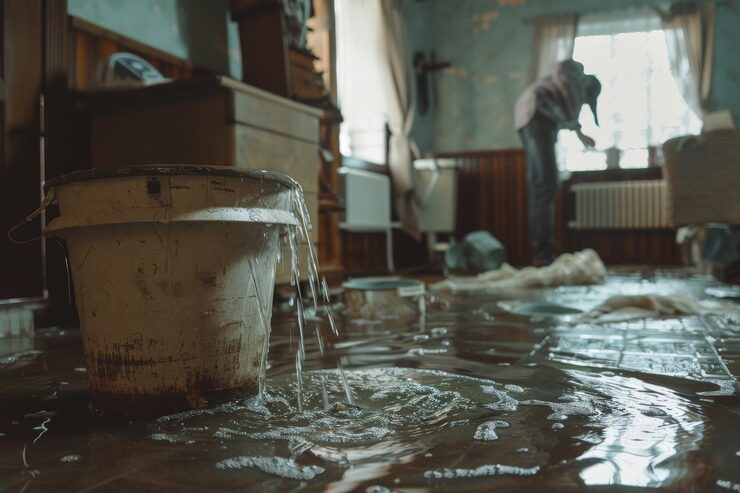
Tips to Prevent Spring Water Damage
Essential tips to prevent spring water damage in Wisconsin homes include (1) cleaning gutters and extending downspouts minimum 10 feet from foundations before spring rains, (2) testing sump pumps monthly and installing battery backup systems preventing flood during power outages, (3) inspecting and sealing foundation cracks before freeze-thaw cycles expand them, (4) ensuring proper grading with soil sloping away from homes directing snowmelt and rain away, (5) inspecting roofs for winter damage and completing repairs before spring storms.
(6) maintaining basement waterproofing through drainage improvements and moisture control, (7) trimming trees and managing landscapes preventing damage and drainage problems, and (8) preparing emergency supplies and plans for rapid response when water damage occurs despite prevention efforts, with Wisconsin’s spring combining rapid snowmelt, heavy rainfall, and saturated soil creating highest annual water damage risk requiring proactive protection.
Spring arrives in Wisconsin, bringing warming temperatures, melting snow, and, unfortunately, the highest water damage risk of the entire year.
You probably know the pattern well. Twelve inches of snow sit on the ground in March. Temperatures suddenly spike to 50 degrees. That snow melts rapidly, releasing tremendous water volume. Then spring thunderstorms arrive, dumping two inches of rain in an hour. Your property must handle snowmelt PLUS rainfall simultaneously.
I respond to more water damage emergencies during the Wisconsin spring than all other seasons combined. I have seen the same preventable problems year after year. Clogged gutters overflow against foundations. Sump pumps fail during power outages. Foundation cracks that were hairline in the fall become gushing leaks by May.
But here is what I have also witnessed: Wisconsin homeowners who follow proven prevention strategies weather spring storms without damage while their neighbors deal with flooded basements and insurance claims.
This comprehensive guide reveals eight essential tips to prevent spring water damage, protecting Wisconsin homes from the unique combination of snowmelt, spring storms, and saturated soil that makes our state particularly vulnerable each year.
Because understanding and implementing these strategies transforms spring from a season of anxiety into just another beautiful Wisconsin transition.
Tip 1: Clean Gutters and Extend Downspouts Before Spring
How do gutters and downspouts prevent spring water damage?
Answer: Cleaning gutters and extending downspouts represents the single most important tip to prevent spring water damage because clogged gutters overflow against foundations saturating soil and creating basement flooding, while properly functioning gutters direct roof runoff away from homes, with downspout extensions carrying water minimum 10 feet from foundations preventing soil saturation, hydrostatic pressure, and water intrusion that cause majority of Wisconsin spring basement flooding incidents.
Gutters are your first line of defense against spring water damage.
Why spring gutter cleaning matters:
Winter fills gutters with leaves, twigs, ice, and debris. Spring arrives, and all that snow on your roof melts. If gutters are clogged, thousands of gallons of water overflow directly against your foundation. This creates the worst possible scenario for basement flooding.
The proper gutter maintenance timeline:
Clean gutters in late fall after leaves drop. Inspect and clean again in early spring before major snowmelt and spring rains begin. This twice-yearly cleaning prevents most gutter-related water damage.
Downspout extension is critical:
According to the Federal Emergency Management Agency, downspouts should discharge water a minimum of 10 feet from foundations. Short downspouts dumping water next to foundations guarantee basement water problems. Use downspout extensions, underground drainage pipes, or splash blocks directing water far from your home.
Gutter maintenance checklist:
Remove all debris from gutters and downspouts. Check for proper pitch, ensuring water flows toward downspouts. Repair sagging sections or loose hangers. Seal leaking seams and joints. Ensure downspout connections are secure. Verify extensions discharge far from foundations.
Consider gutter guards:
Quality gutter guards reduce maintenance needs while keeping debris out. Particularly valuable for Wisconsin homes with many trees. However, guards still require occasional cleaning and inspection to ensure proper function.
This simple maintenance represents one of the most effective tips to prevent spring water damage, yet many homeowners neglect it until problems develop.
Tip 2: Test Sump Pumps and Install Battery Backup
Why is sump pump maintenance essential for preventing spring water damage?
Answer: Sump pump testing and battery backup installation rank among the most critical tips to prevent spring water damage because spring storms frequently cause power outages exactly when pumps face maximum water volume, with non-functioning sump pumps allowing rapid basement flooding, while monthly testing identifies problems before emergencies and battery backup systems provide automatic protection during outages preventing thousands in water damage during Wisconsin’s volatile spring weather.
Your sump pump is your basement’s last defense against flooding.
Monthly sump pump testing:
Pour water into the sump basin until the pump activates. Verify the pump starts automatically and removes water quickly. Listen for unusual noises indicating bearing wear or motor problems. Check the discharge line, ensuring water flows outside and away from the foundation. Test the float switch operation by lifting it manually.
Battery backup systems are essential:
Spring storms that bring heavy rain also cause power outages. Without electricity, your sump pump sits useless while your basement floods. Battery backup pumps activate automatically when primary pumps lose power or fail, providing hours of protection.
Water-powered backup alternatives:
These systems use municipal water pressure, creating suction that removes water without electricity. Work during extended outages as long as the water pressure is maintained. Ideal for Wisconsin homes on municipal water systems.
Warning signs requiring immediate attention:
The pump runs continuously without shutting off. Pump cycles on and off rapidly. Strange grinding or rattling noises during operation. The water level is rising in the basin despite the pump running. Visible rust or corrosion on pump components.
Professional inspection value:
Annual professional sump pump inspection identifies developing problems before failure. Technicians clean pumps, test check valves, verify discharge lines, and ensure systems function optimally. This proactive maintenance prevents emergency failures during spring flooding.
Sump pump reliability makes the difference between dry basements and disaster, making this among the most important tips to prevent spring water damage for Wisconsin homeowners with below-grade living spaces.
Tip 3: Inspect and Seal Foundation Cracks
How does sealing foundation cracks prevent spring water damage?
Answer: Inspecting and sealing foundation cracks before spring ranks among essential tips to prevent spring water damage because Wisconsin’s freeze-thaw cycles expand small cracks into major water entry points, with water intrusion accelerating during spring when soil saturation creates maximum hydrostatic pressure against foundations, while professional crack sealing using epoxy or polyurethane injection creates permanent waterproof barriers stopping leaks before spring rains and snowmelt test foundation integrity.
Foundation cracks represent direct pathways for water entry into basements.
Winter damage assessment:
Walk through your basement in late winter or early spring, inspecting all foundation walls for cracks. Look for new cracks or existing cracks that widened during winter freeze-thaw cycles. Mark the crack ends with a pencil and date to monitor any continued growth.
Types of cracks requiring attention:
Vertical cracks wider than 1/8 inch allow water entry. Horizontal cracks indicate pressure issues requiring professional evaluation. Diagonal cracks suggest settling or movement. Stair-step cracks in block foundations follow mortar joints. Floor-wall joint gaps where the basement floor meets the walls.
Professional sealing methods:
Epoxy injection for structural cracks bonds concrete permanently. Polyurethane foam injection for actively leaking cracks expands to fill voids and stop water flow. Hydraulic cement for wider surface cracks. Each method appropriate for specific crack types and conditions.
Why timing matters:
Seal cracks in late winter or early spring before heavy rains and snowmelt create maximum pressure. Waiting until cracks actively leak during spring storms means water damage is already occurring. Proactive sealing prevents problems rather than reacting to flooding.
DIY versus professional repair:
Minor hairline cracks under 1/16 inch can sometimes be sealed DIY with quality concrete crack filler. However, wider cracks, actively leaking cracks, or any structural concerns require professional assessment and repair, ensuring proper techniques and permanent solutions.
Foundation crack sealing represents proactive protection, making it one of the most valuable tips to prevent spring water damage before problems develop. Learn more about sealing foundation cracks for comprehensive waterproofing.
Tip 4: Ensure Proper Grading and Drainage
How does proper grading prevent spring water damage?
Answer: Maintaining proper grading with soil sloping away from homes represents fundamental tips to prevent spring water damage because incorrect grading directs snowmelt and rainfall toward foundations rather than away, creating soil saturation and hydrostatic pressure causing basement flooding, while proper 6-inch slope over first 10 feet directs water away from homes, with additional drainage improvements like French drains and swales handling heavy spring runoff preventing water accumulation against Wisconsin foundations.
Ground slope determines where spring water goes.
Proper grading requirements:
Soil should slope away from foundations a minimum of 6 inches over the first 10 feet. This slope continues for at least 10 feet total in all directions. Creates positive drainage, directing water away rather than pooling against homes.
Common grading problems:
Many Wisconsin homes have settled over decades, creating low spots against foundations. Landscaping changes over the years sometimes create berms blocking drainage. Patios and driveways installed improperly slope toward rather than away from homes. These problems channel spring water directly to basements.
Correcting grading issues:
Add clean fill dirt to build up soil near foundations. Maintain proper slope, ensuring stability. Compact added soil, preventing rapid settling. Seed or sod disturbed areas to prevent erosion. Verify drainage flows properly during the next rainfall.
French drain installation:
For properties where surface grading cannot solve drainage problems, French drains provide excellent solutions. Perforated pipes in gravel-filled trenches intercept water before reaching foundations. Particularly effective on sloped properties or areas with persistent water accumulation.
Swale creation for directing water:
Strategic swales channel water to appropriate drainage areas. These shallow ditches lined with grass or stone direct runoff away from homes toward streets, storm sewers, or low areas away from structures.
Preventing erosion:
Spring runoff creates erosion problems. Mulch landscaping beds to prevent soil washing away. Plant ground covers on slopes to hold soil. Install erosion control fabric on steep grades. Manage water flow, preventing property damage.
Proper drainage management represents ongoing maintenance, making it among the most important tips to prevent spring water damage, protecting Wisconsin properties year after year.
Tip 5: Inspect Roofs for Winter Damage
Why is a spring roof inspection critical for preventing water damage?
Answer: Spring roof inspection ranks among essential tips to prevent spring water damage because Wisconsin winters stress roofing through freeze-thaw cycles, ice dam damage, snow weight, and high winds, with compromised shingles, damaged flashing, and weakened seals allowing water intrusion during spring storms, while early damage detection and repair before heavy spring rains prevents interior water damage, ceiling stains, and mold growth from roof leaks.
Your roof endures tremendous stress during Wisconsin winters.
Winter roof damage patterns:
Ice dams lift shingle edges, creating entry points for water. Freeze-thaw cycles make shingles brittle and prone to cracking. Snow weight stresses the roof structure and fasteners. High winds tear damaged shingles. All this winter stress creates vulnerabilities that spring rains exploit.
Professional roof inspection benefits:
Roofing professionals identify subtle damage invisible from ground level. They spot loose or damaged shingles, compromised flashing around chimneys and vents, failed seals at penetrations, and structural concerns. Early detection allows repair before spring storms cause interior water damage.
DIY visual inspection from the ground:
Use binoculars to examine the roof from the ground. Look for missing, curled, or damaged shingles. Check for granule loss in gutters, indicating shingle deterioration. Inspect flashing around chimneys and roof penetrations. Note any sagging areas suggesting structural concerns.
Attic inspection reveals problems:
Enter the attic on a sunny day, looking for light penetrating through the roof, indicating holes or gaps. Inspect for water stains on the roof decking or rafters showing previous leaks. Check insulation for dampness or mold. Ensure adequate ventilation, preventing condensation and ice dam formation.
Priority repairs before spring:
Replace damaged or missing shingles. Repair or replace failed flashing. Seal gaps around roof penetrations. Address any structural concerns. These repairs prevent small problems from becoming major water damage during spring storms.
Emergency tarping availability:
When inspection reveals damage requiring extensive repair, emergency tarping protects homes until work is completed. Professional tarping withstands Wisconsin weather, preventing additional damage during repair planning and execution.
Roof maintenance represents preventive protection, making regular inspection one of the most valuable tips to prevent spring water damage from above.
Tip 6: Maintain Basement Waterproofing Systems
How does basement waterproofing prevent spring water damage?
Answer: Maintaining basement waterproofing systems including interior drainage, exterior waterproofing, and moisture barriers provides comprehensive tips to prevent spring water damage because spring creates maximum water intrusion pressure from saturated soil, rapid snowmelt, and heavy rainfall, with properly functioning waterproofing capturing and directing water away before entering living spaces, while neglected systems allow spring flooding causing extensive damage, mold growth, and property value loss.
Basement waterproofing requires ongoing maintenance for effectiveness.
Interior drainage system maintenance:
If your Wisconsin home has interior perimeter drainage, ensure systems function properly. Check for clogs in drain pipes. Verify proper slope toward the sump basin. Ensure nothing blocks drain tile openings. Test that water flows freely to the sump pump.
Sump basin inspection:
Remove the sump basin cover, inspecting for debris, sediment, or blockages. Clean the basin if necessary. Verify the check valve prevents water backflow. Ensure the float switch moves freely without obstructions. Test pump operation after cleaning.
Dehumidifier operation:
Basement dehumidifiers control moisture, reducing mold risk and musty odors. Empty and clean units regularly. Replace filters as recommended. Ensure proper operation before spring humidity increases. Set to maintain humidity below 50%, preventing mold growth.
Vapor barrier condition:
If walls have vapor barriers directing moisture to drainage systems, inspect for tears or separation. Repair damaged sections, maintaining continuous moisture protection. Proper barriers prevent water absorption into wall materials.
Exterior waterproofing inspection:
For homes with exterior waterproofing, inspect visible foundation sections for coating damage or deterioration. Note any areas where the waterproof membrane appears compromised. Professional inspection determines if exterior waterproofing needs attention.
Window well maintenance:
Basement window wells accumulate debris and can fill with water. Clean wells, removing leaves and debris. Ensure drainage holes function properly. Consider window well covers to prevent water and debris accumulation during spring storms.
Comprehensive basement protection through maintained waterproofing systems represents a multi-layered defense, making system maintenance critical among tips to prevent spring water damage in Wisconsin homes.
Tip 7: Trim Trees and Manage Landscaping
How do trees and landscaping affect spring water damage prevention?
Answer: Tree and landscape management constitute important tips to prevent spring water damage because overhanging branches fall during spring storms damaging roofs and gutters, tree roots crack foundations and pipes creating water entry points, while strategic landscaping either helps or hinders drainage, with proper tree trimming, root management, and drainage-friendly plant selection preventing structural damage and directing spring runoff away from Wisconsin homes.
Your landscaping impacts water damage risk significantly.
Spring tree trimming priorities:
Remove dead or dying branches that could fall during spring storms. Trim branches overhanging roofs, preventing gutter damage and accumulation. Cut back limbs touching siding or near windows. Eliminate branches that could contact power lines during high winds.
Tree root management:
Large trees near foundations develop roots seeking water and creating foundation cracks or pipe damage. Monitor trees within 20 feet of homes. Consider root barriers preventing foundation contact. Professional arborists assess trees that potentially threaten structures.
Strategic landscaping for drainage:
Avoid planting water-loving trees and shrubs near foundations, as they increase soil moisture. Choose drought-tolerant species for areas near homes. Plant moisture-loving varieties in low areas away from structures, where they help absorb excess water.
Mulch management:
Mulch landscaping beds for moisture retention and weed control. However, avoid piling mulch against foundations, creating moisture problems and pest attraction. Maintain 6-inch gap between mulch and foundation walls.
Ground cover for erosion control:
Spring runoff causes erosion on slopes and in drainage paths. Plant ground covers, ornamental grasses, or install erosion control fabric to prevent soil loss. Stable soil maintains proper grading, protecting foundation waterproofing.
Rain gardens for water management:
Strategic rain gardens in low areas capture and absorb runoff. Native plants suited to periodic saturation thrive in these areas. Rain gardens reduce water reaching foundations while creating attractive landscape features.
Thoughtful landscape management supporting rather than hindering drainage represents overlooked tips to prevent spring water damage, requiring attention during early spring property preparation.
Tip 8: Prepare Emergency Supplies and Response Plans
Why are emergency preparations important for spring water damage prevention?
Answer: Emergency preparation represents final essential tip to prevent spring water damage because despite prevention efforts, spring storms sometimes overwhelm defenses requiring immediate response, with emergency supplies including flashlights, batteries, backup power, tarps, and professional contact information enabling rapid water damage mitigation preventing mold growth within 24-48 hours, while advance planning reduces panic and ensures effective response when Wisconsin’s unpredictable spring weather causes unexpected flooding.
Even with perfect prevention, emergencies can occur requiring rapid response.
Essential emergency supplies:
Flashlights and batteries for power outage situations. A battery-powered or hand-crank radio receiving weather alerts. Portable sump pump or wet-dry vacuum for water removal. Heavy-duty tarps and plastic sheeting for emergency covering. Duct tape and tools for quick repairs. Emergency contact list, including restoration professionals.
Important document protection:
Store important documents, photos, and valuables in waterproof containers or on upper floors. Digitize critical records, maintaining cloud backups. This preparation prevents irreplaceable loss during unexpected flooding.
Know utility shutoffs:
Identify and label the main water shutoff, electrical panel, and gas shutoff if applicable. Ensure all household members know locations and proper shutdown procedures. Quick utility shutoff prevents additional damage during water emergencies.
Professional contact information:
Program emergency numbers into phones before problems occur. Keep contact information for water damage restoration, plumbers, electricians, and insurance agents readily accessible. Having these resources available enables immediate response rather than scrambling during crises.
Insurance policy understanding:
Review homeowners’ insurance understanding water damage coverage, deductibles, and claim procedures before spring storms arrive. Know whether coverage includes sewer backup, sump pump failure, or surface water flooding. Consider additional coverage if gaps exist.
Evacuation planning:
For homes prone to severe flooding, have evacuation plans, knowing where family members go if basements or lower levels become unsafe. Identify safe items that can remain versus valuables requiring removal during flooding events.
Professional restoration response:
Keep 24/7 emergency restoration contact information accessible. Professional water damage companies respond immediately, extracting water, beginning structural drying, and preventing mold growth. Calling professionals within the first 24 hours makes a tremendous difference in the total damage extent.
Emergency preparedness represents the final layer of protection, completing comprehensive tips to prevent spring water damage, ensuring Wisconsin homeowners can respond effectively when prevention alone proves insufficient against severe spring weather.
Frequently Asked Questions: Tips to Prevent Spring Water Damage
What is the most important prevention tip for spring water damage?
The single most important tip to prevent spring water damage is ensuring sump pump functionality with battery backup before spring arrives. Spring storms frequently cause power outages exactly when pumps face maximum water volume from snowmelt and rainfall. Testing sump pumps monthly, installing battery- or water-powered backup systems, and having professional inspections help prevent the most common cause of spring basement flooding in Wisconsin. While all prevention strategies matter, sump pump reliability provides a last-line defense when other measures become overwhelmed.
When should Wisconsin homeowners start spring water damage prevention?
Wisconsin homeowners should begin implementing tips to prevent spring water damage in late winter, typically February or early March. Clean gutters before major snowmelt begins. Test sump pumps while access remains easy. Inspect and seal foundation cracks before freeze-thaw cycles expand them. Complete roof repairs before spring storms. Early preparation ensures systems function properly when spring weather arrives, rather than discovering problems during emergencies when solutions become difficult and expensive.
Can proper maintenance really prevent all spring water damage?
While comprehensive maintenance following the tips to prevent spring water damage significantly reduces risk, no prevention guarantees complete protection against severe weather events. Proper gutters, working sump pumps, sealed foundations, correct grading, and maintained waterproofing systems prevent the most common water damage scenarios. However, extreme rainfall, rapid snowmelt, or unprecedented flooding can overwhelm even well-maintained systems. This reality makes emergency preparedness and professional restoration contact information essential components of comprehensive protection strategies.
How often should sump pumps be tested?
Sump pumps should be tested monthly year-round, with extra attention before and during spring when failure risk and consequences are highest. Monthly testing involves pouring water into the basin until the pump activates, verifying proper operation, and checking the discharge flow. Additionally, a professional annual inspection identifies developing problems before failure. Battery backup systems require quarterly testing to ensure readiness. This regular maintenance schedule represents critical tips to prevent spring water damage through sump pump reliability.
Do Wisconsin homes need special spring preparations?
Yes, Wisconsin homes require specific spring preparations addressing unique challenges, including rapid snowmelt from winter accumulation, heavy spring rainfall coinciding with snowmelt, freeze-thaw cycles damaging foundations and roofs, clay soil holding moisture creating prolonged saturation, and volatile weather causing flooding then freezing. These conditions make tips to prevent spring water damage particularly important in Wisconsin compared to areas with different climates, requiring proactive maintenance and preparation specifically targeting spring’s combination of snowmelt, rainfall, and saturated soil.
What should homeowners do if water damage occurs despite prevention?
If water damage occurs despite prevention efforts, call professional water damage restoration immediately at (262) 342-2226 for a 24/7 emergency response. Prompt professional water extraction and structural drying within 24 hours prevents mold growth and minimizes damage. While waiting for professionals, if safe, shut off electricity in affected areas, remove standing water if possible, move valuables to dry areas, and document damage with photos for insurance claims. Professional restoration prevents small water problems from becoming major mold and structural damage.
Are professional inspections worth the investment?
Yes, professional inspections represent valuable tips to prevent spring water damage by identifying problems homeowners miss. Roofing professionals spot subtle damage invisible from ground level. Foundation specialists recognize structural concerns beyond obvious cracks. Sump pump technicians identify developing failures before emergency breakdowns. Waterproofing experts assess system effectiveness, recommending improvements. While inspections have an upfront expense, preventing one major water damage event through early problem detection provides tremendous return on investment, making professional assessment worthwhile for Wisconsin homeowners.
Professional Water Damage Restoration: When Prevention Needs Backup
Even with diligent prevention following all tips to prevent spring water damage, Wisconsin’s volatile spring weather sometimes overwhelms defenses, requiring professional help.
PuroClean of Burlington provides complete water damage services, including:
✓ 24/7 Emergency Response throughout Wisconsin spring storm season ✓ Immediate Water Extraction using truck-mounted commercial equipment ✓ Complete Structural Drying preventing mold growth within 24-48 hours ✓ Moisture Detection with thermal imaging finding hidden water ✓ Dehumidification Services controlling humidity during drying ✓ Content Pack-Out protecting salvageable belongings ✓ Mold Prevention through rapid response and proper drying ✓ Insurance Coordination handling claims from documentation through completion ✓ Complete Reconstruction rebuilding water-damaged areas
Spring water damage situations we handle:
Basement flooding | Sewage backups | Sump pump failures | Roof leaks | Foundation water intrusion | Spring storm damage | Pipe bursts | Appliance failures
Serving Burlington and southeastern Wisconsin:
Burlington | Kenosha | Racine | Lake Geneva | Elkhorn | Delavan | Whitewater | Walworth County | Milwaukee
What makes PuroClean of Burlington different:
💧 Rapid Emergency Response typically within 1-2 hours 💧 Veteran-Owned Company serving Wisconsin with integrity 💧 IICRC Certified Technicians in water damage restoration 💧 Advanced Equipment for professional extraction and drying 💧 Complete Documentation for insurance claims 💧 Proven Prevention Advice helping avoid future damage
Beyond emergency response, we provide:
- Water damage prevention consultations
- Property assessments identifying vulnerabilities
- Maintenance recommendations protecting homes
- Educational resources for Wisconsin homeowners
- Mold remediation if water damage creates growth
Do not let spring water damage devastate your Wisconsin home. Implement prevention strategies now, and know professional help is available 24/7 when needed.
Spring Water Damage Emergency? Get Immediate Professional Help.
PuroClean of Burlington: 24/7 Water Damage Restoration
(262) 342-2226
Rapid Response | Complete Drying | Mold Prevention
Serving All Southeastern Wisconsin
IICRC Certified | Veteran-Owned | Insurance Specialists
Summary: Essential Tips to Prevent Spring Water Damage
Essential tips to prevent spring water damage in Wisconsin homes include cleaning gutters and extending downspouts before spring rains, testing sump pumps monthly and installing battery backup systems, inspecting and sealing foundation cracks before freeze-thaw expansion, ensuring proper grading directing water away from foundations, inspecting roofs for winter damage and completing repairs, maintaining basement waterproofing systems, trimming trees and managing drainage-friendly landscaping, and preparing emergency supplies with professional restoration contacts for rapid response.
Wisconsin spring combines rapid snowmelt, heavy rainfall, saturated clay soil, and freeze-thaw cycles, creating ideal conditions for water damage that require proactive prevention through maintenance, inspection, and preparation. Implementing these eight strategies significantly reduces the risk of basement flooding, protects property values, and provides peace of mind during spring’s volatile weather patterns.
When water damage occurs despite prevention efforts, immediate professional response within 24 hours prevents mold growth and minimizes total damage. Call PuroClean of Burlington at (262) 342-2226 for 24/7 emergency water damage restoration serving Burlington and all southeastern Wisconsin with rapid response, complete drying, mold prevention, and insurance coordination, ensuring homes recover completely from spring water damage events.
PuroClean of Burlington 📞 Call Now: (262) 342-2226 🕒 Available 24/7 — Because disasters don’t wait.
🔗 Quick Links: Instagram | Google Reviews & Directions | Facebook | Pinterest