
Table of Contents
Frozen pipes are one of the most common causes of winter water damage in Columbus, OH. When water inside pipes freezes, it expands and creates pressure that can crack or burst plumbing lines. If a pipe ruptures, flooding can occur within minutes. To prevent costly damage, insulate exposed plumbing, maintain indoor heat, and shut off water in vacant properties. If a pipe bursts, contact PuroClean immediately for professional water damage restoration.
Why Frozen Pipes Are a Serious Winter Risk
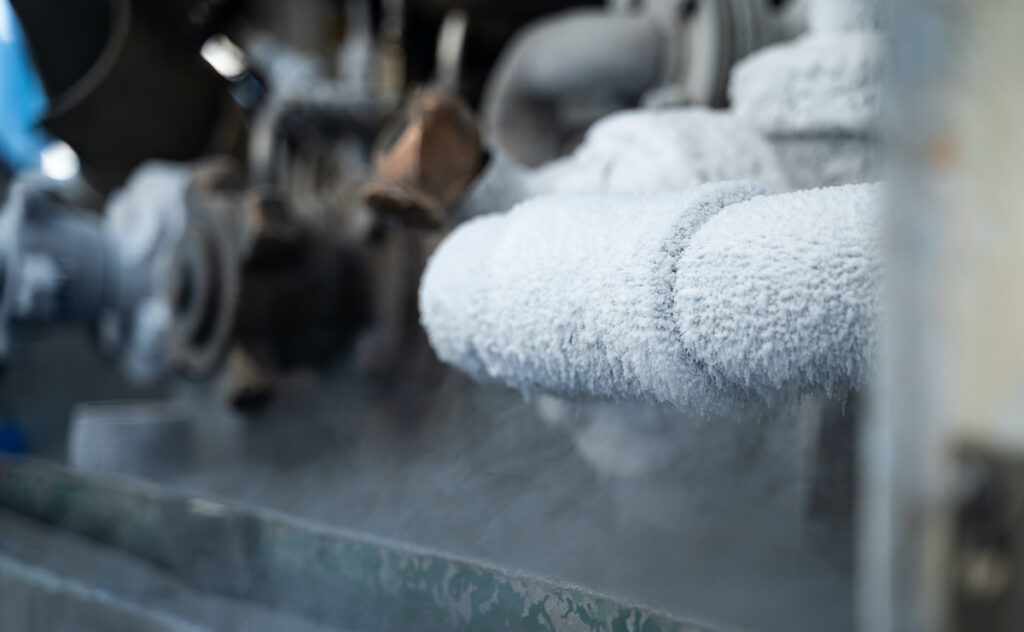
Frozen pipes occur when water inside plumbing lines drops to 32°F or below and turns to ice. As water freezes, it expands by approximately 9%, placing extreme pressure on pipe walls.
This pressure can:
- Split copper, PVC, or galvanized steel pipes even if the ice blockage forms in a different section of the line, because the pressure builds between the blockage and the faucet.
- Cause hidden cracks that remain undetected until the ice thaws and water begins flowing again.
- Lead to significant interior flooding, especially in wall cavities or ceiling spaces where plumbing is concealed.
Columbus winters frequently bring temperatures in the teens or lower, combined with wind that pushes cold air into wall cavities and unfinished areas.
Real Examples of Frozen Pipe Damage in Columbus
Recent cases demonstrate how quickly damage can escalate.
Commercial Property Case
At a Children’s Hospital, a main fire suppression line froze due to remodeling work that allowed cold air into a previously insulated area.
The consequences included:
- A burst line that flooded a hallway, café area, and part of a pharmacy.
- Extensive carpet saturation and moisture infiltration beneath flooring materials.
- Emergency water extraction and structural drying to prevent mold growth and secondary damage.
Construction-related exposure is a common cause of burst pipes in winter.
Residential Condo Case
In Blacklick, Ohio, a condo experienced severe water damage after frozen pipes formed in a shared wall cavity.
Contributing factors included:
- An adjoining unit without heat, allowing cold air to travel through shared structural spaces.
- Ongoing fire-related repairs that left areas vulnerable to airflow.
- The main water supply remaining active while the property awaited insurance repairs.
When the pipe thawed, water spread throughout the second-floor bathroom and lower areas.
Why Pipes Freeze in Columbus Homes
Several risk factors increase vulnerability to winter pipe damage.
- Uninsulated plumbing lines in basements, crawl spaces, attics, or garages are more exposed to cold temperatures.
- Vacant or unheated properties allow indoor temperatures to drop below safe thresholds, especially overnight.
- Open wall cavities during renovations, which expose pipes to outdoor air.
- Multi-family housing conditions, where neighboring units without heat can indirectly affect shared plumbing.
Wind plays a major role by forcing cold air into cracks, vents, and unfinished areas.
How to Prevent Frozen Pipes
Proactive prevention significantly reduces risk.
Maintain Consistent Indoor Heat
Keep your thermostat set to at least 55°F, even if you are away from home. This ensures interior plumbing remains above freezing, especially during overnight temperature drops.
Insulate Vulnerable Plumbing
Proper insulation includes:
- Wrapping exposed pipes in foam pipe insulation sleeves to reduce heat loss.
- Sealing gaps around exterior walls, crawl spaces, and utility penetrations where cold air enters.
- Adding insulation to attics and basements to stabilize internal temperatures.
Insulation is especially important in older Columbus homes.
Allow Faucets to Drip
During extreme cold, allow faucets connected to exterior walls to drip slightly.
This helps by:
- Relieving pressure within the plumbing system.
- Preventing ice buildup from forming a solid blockage.
- Allowing continuous water movement, which slows freezing.
Even a small trickle can make a difference.
Shut Off Water in Vacant Properties
If a property will remain vacant:
- Turn off the main water supply.
- Drain plumbing lines if possible.
- Have someone periodically check indoor temperatures.
This reduces the risk of uncontrolled flooding if freezing occurs.
What to Do If Pipes Freeze
If you suspect frozen pipes, act quickly.
- Turn off the main water supply to prevent flooding if the pipe bursts.
- Open faucets connected to the affected line to relieve pressure.
- Apply gentle heat using a hair dryer or heating pad—never use an open flame.
- Contact a professional if you cannot locate the freeze or suspect a rupture.
Never ignore reduced water pressure during winter; it can signal a frozen line.
Frozen Pipes vs. Burst Pipes
| Condition | What Happens | Risk Level |
|---|---|---|
| Frozen pipe | Ice blocks water flow but pipe remains intact | Moderate |
| Burst pipe | Pipe cracks or splits due to pressure | Severe |
| Slow thaw leak | Small crack releases water gradually | High |
Even minor cracking can cause significant water damage inside walls.
When to Call a Restoration Professional
Contact a professional if:
- Water begins leaking from ceilings or walls.
- You notice swelling drywall or sagging ceilings.
- Carpets or flooring become saturated.
- You cannot stop active water flow.
Immediate mitigation prevents mold growth and structural deterioration.
PuroClean in Columbus, OH provides 24/7 emergency water damage restoration and structural drying services.
Frequently Asked Questions
At what temperature do pipes freeze?
Pipes typically begin freezing when temperatures drop to 32°F or below, especially when sustained for several hours. Wind exposure increases the risk.
How long does it take for pipes to freeze?
Pipes can freeze in as little as 6 hours under extreme cold conditions, particularly if uninsulated.
Can frozen pipes thaw without bursting?
Yes, but the pressure buildup can cause hidden cracks. Inspection is recommended after thawing.
Is water damage from frozen pipes covered by insurance?
Most homeowners policies cover sudden pipe bursts, but neglect or lack of heating may affect claims. Review your policy.
Should I leave heat on when traveling in winter?
Yes. Maintain indoor temperatures at or above 55°F to reduce freezing risk.
Call PuroClean in Columbus, OH
If your home or business experiences water damage from frozen pipes, fast action is critical. Professional drying and mitigation reduce long-term structural and mold risks.
Contact PuroClean in Columbus, OH at (614) 309-5739 for 24/7 emergency water damage restoration services.
Key Takeaways
- PuroClean in Columbus provides expert water damage restoration services.
- Frozen pipes can burst due to pressure from expanding ice.
- Columbus winters increase risk, especially during wind and renovation work.
- Insulating plumbing reduces freezing potential.
- Allowing faucets to drip helps relieve internal pressure.
- Shut off water in vacant properties during winter.
- Immediate action prevents extensive structural damage.