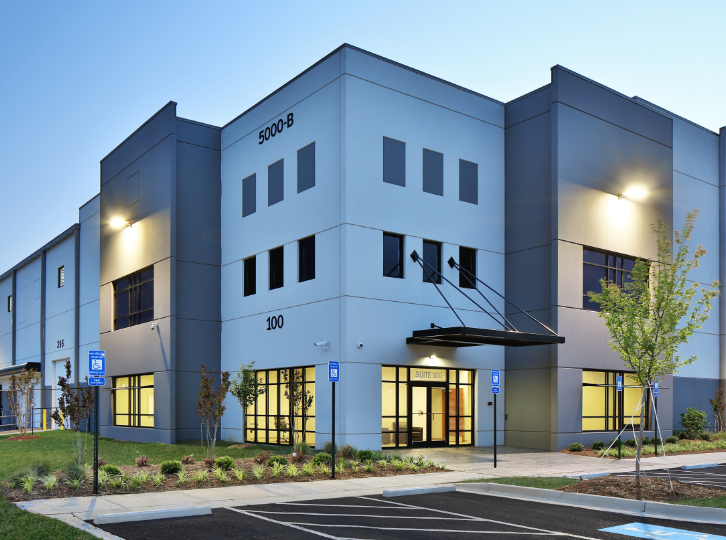
PuroClean of Columbus — 2967 E 6th Ave. Ste 100, Columbus, OH 43219
Marble Cliff is a fully incorporated village of fewer than 600 residents occupying less than a quarter square mile on the west bank of the Olentangy River — surrounded on nearly every side by Columbus and Grandview Heights. Incorporated in 1901, the village takes its name from the Devonian-era limestone outcroppings along the river’s west bank that early quarrymen mistook for marble. Its primary residential streets — Cambridge Boulevard, Roxbury Road, Cardigan Road, Lacock Road, and Hampstead Road — are lined almost entirely with homes built between 1910 and 1945: large Tudor revivals, Colonial Revivals, and English Cottage-style homes with steeply pitched rooflines, multi-wythe brick exteriors, and original slate or clay tile roofing.
That historic housing stock, combined with the village’s position immediately above the Olentangy flood plain along Riverside Drive, defines Marble Cliff’s property damage profile. These are high-value, architecturally significant homes where water, mold, or fire damage is expensive to restore correctly — and where owners have strong expectations about preserving original materials. The village is almost entirely residential, so virtually every PuroClean call here is a high-stakes single-family loss.
Damage types we handle throughout Marble Cliff:
PuroClean of Columbus is located at 2967 E 6th Ave., Ste 100 — approximately 5 miles from Marble Cliff. Our technicians reach most village addresses within 20 to 25 minutes of dispatch, one of the shorter response windows in our Franklin County service area.
Our primary route travels west on E 6th Ave to I-670 westbound, exiting at Northwest Boulevard and heading north. Northwest Boulevard forms Marble Cliff’s western boundary and connects directly to West Fifth Avenue and all of the village’s east-west residential streets — Roxbury Road, Cardigan Road, Lacock Road, and Hampstead Road. For Riverside Drive properties on the Olentangy-facing eastern edge, we cut east through the village from Northwest Boulevard or approach via Dublin Road through Grandview Heights when storm congestion makes the western route slower.
Marble Cliff is served by its own paid-on-call fire department — one of the smallest municipal departments in Ohio. PuroClean coordinates with Marble Cliff Fire on joint responses and is familiar with the village’s narrow street widths, which require careful equipment staging on Cambridge Boulevard for larger truck-mounted extraction units.
Marble Cliff’s Devonian limestone and dolomite bedrock — the formation that inspired the village’s name — creates a drainage behavior unlike most of Franklin County. Rather than percolating downward through glacial till, water moving through the soil above the bedrock travels laterally along the bedrock surface toward lower elevations. For homes on the eastern side of Cambridge Boulevard and Roxbury Road, this means storm water generated uphill accumulates against downslope foundation walls rather than draining away — a failure mode that thermal imaging and full-perimeter moisture mapping identifies more reliably than a standard visual inspection.
On Riverside Drive, FEMA Flood Insurance Rate Maps designate portions of the Olentangy corridor as Zone AE, the highest-risk Special Flood Hazard Area classification. River overflow losses are excluded from standard HO-3 policies — NFIP flood coverage or private flood insurance is required for a compensable claim. The USGS stream gauge on the Olentangy at Columbus (03225500) gives Riverside Drive homeowners the real-time data they need to anticipate rising water before it arrives at the foundation.
Marble Cliff’s 1920s and 1930s Tudor and Colonial Revival homes carry two weather-driven vulnerabilities that newer construction avoids entirely. Original clay tile and Welsh slate roofing — with service lives of 75 to 150 years — develops individual failures as tiles crack and fasteners corrode, admitting water that wicks through ceiling plaster well before it becomes visible from inside. Steeply pitched rooflines with dormers and complex valleys are also prime ice dam territory: inadequate attic insulation in kneewall spaces allows heat to escape, melting snow that refreezes at the cold eave overhang and backs water beneath the roofing material. PuroClean’s thermal imaging maps the full moisture migration path from a single roof failure across multiple rooms in a single inspection visit.
Owned & Operated by Rick Gutridge
2967 E 6th Ave. Ste 100, Columbus, OH, 43219
(614) 309-5739
Water damage can result from unexpected leaks, flooding from storms, plumbing failures, or appliance malfunctions. Our certified teams focus on rapid water removal, drying, and stabilization to help prevent further damage and mold growth.
 Explore Our Water Damage Mitigation Services
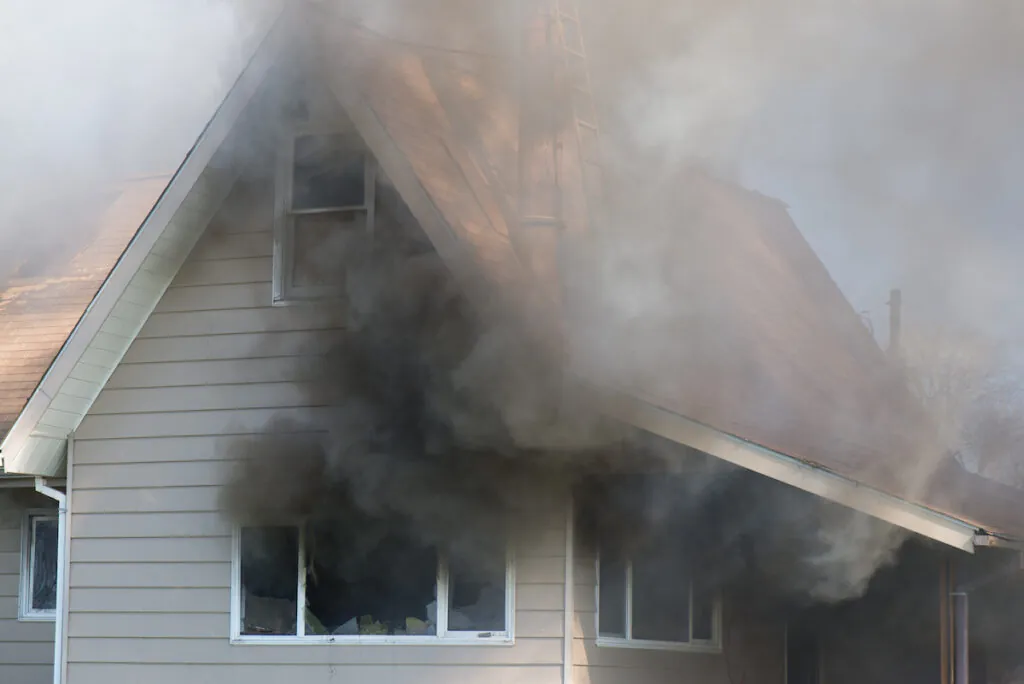
Even after a fire is extinguished, smoke, soot, and odor can continue to affect your home. Fire damage restoration services address visible damage while also helping reduce lingering effects that impact indoor air quality and surfaces.
Explore Our Fire and Smoke Damage Restoration Services
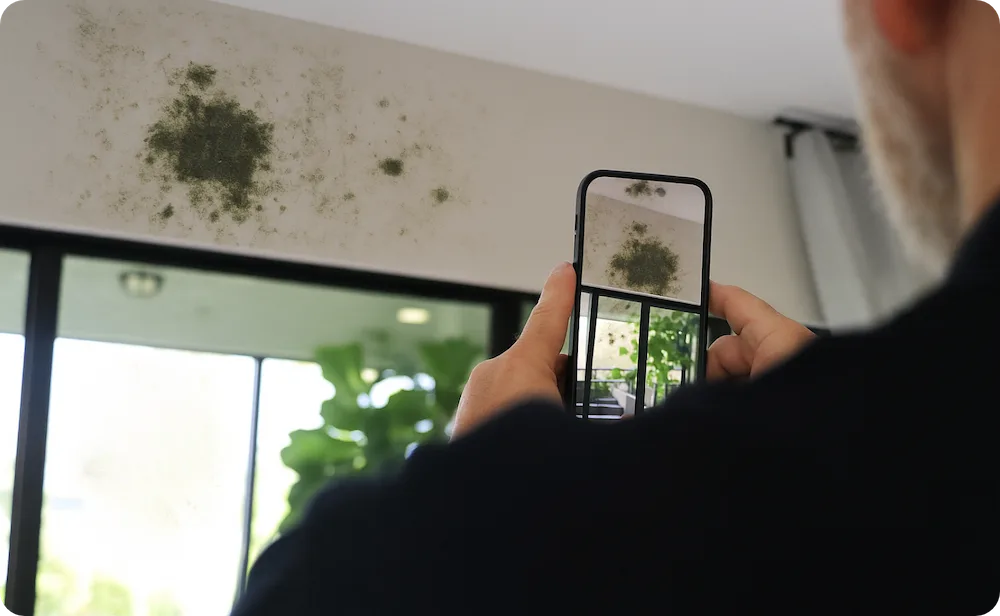
Mold often develops as a result of unresolved moisture or hidden water damage. Professional mold remediation helps identify affected areas, contain growth, and restore healthy indoor conditions.
Explore Our Mold Removal and Remediation Services
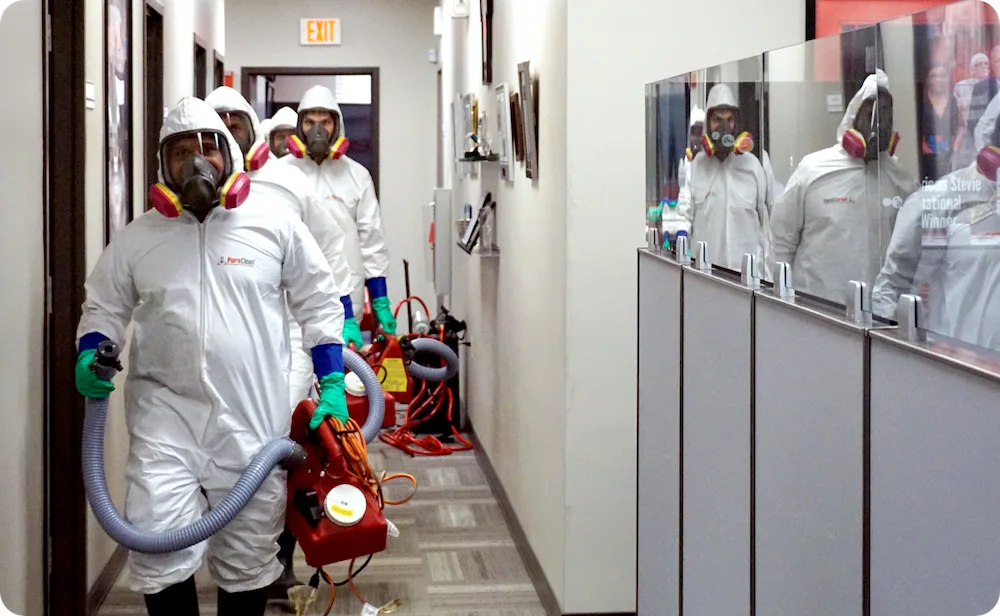
Biohazard situations, including crime scene cleanup and virus decontamination, require specialized cleaning and handling to protect health and safety. Biohazard cleanup services address contamination using proper protocols and professional care.
Explore Our Biohazard Cleanup Services
In some cases, property damage requires repairs beyond cleanup and mitigation. Reconstruction services help restore damaged areas of the home after water, fire, or other incidents, supporting a smoother transition from damage to recovery.
Explore Our Reconstruction Services Services
PuroClean provides 24/7 commercial property damage restoration services for businesses and facilities across the United States.
Explore Our Commercial Services
Water damage can result from unexpected leaks, flooding from storms, plumbing failures, or appliance malfunctions. Our certified teams focus on rapid water removal, drying, and stabilization to help prevent further damage and mold growth.
Explore Our Water Damage Mitigation Services
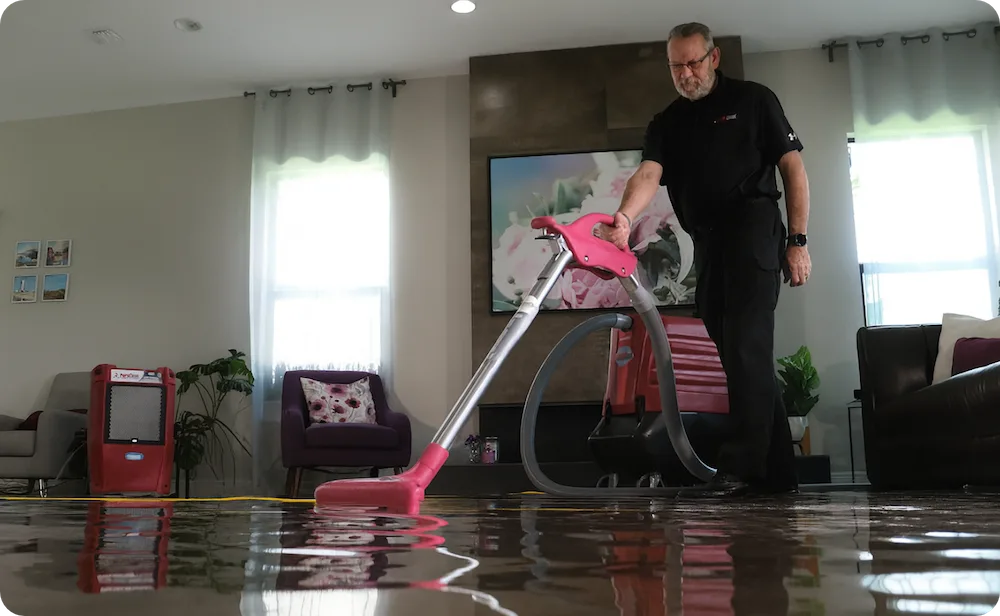
Questions we hear from Marble Cliff property owners about restoration, insurance, and protecting historic homes.
We begin with thermal imaging and non-invasive moisture meters to map the full migration path — not just the visible stain, but everywhere moisture has traveled through the plaster and lath system. Plaster that retains its mechanical key to the lath can often be dried in place without demolition. Where removal is unavoidable, we document all original finish details — texture, aggregate, color — and photograph original construction throughout, giving you and your plaster restoration contractor a complete reference for matching the historic finish. The goal is always minimum necessary intervention, not default demolition.
If water entered from Olentangy overflow, the adjuster’s position is almost certainly correct — flood losses are explicitly excluded from HO-3 policies regardless of cause. The practical path forward is NFIP flood insurance or a private flood policy before the next storm season; both carry a 30-day waiting period, so timing matters. One exception worth examining: if any portion of the loss involved a sump pump failure independent of the river overflow, and your policy carries a water backup endorsement, that component may be separately compensable. PuroClean’s documentation identifies source and intrusion pathway precisely enough to support that coverage analysis.
The maintenance exclusion is frequently contested on roof-origin mold claims, and its application depends on whether the triggering roof failure was sudden and accidental — a slate cracked by hail, for instance — or truly chronic neglect. PuroClean’s assessment documents moisture progression patterns, wood moisture gradients, and mold colony growth in ways that help establish the timeline and cause of the initial intrusion. That documentation is what a public adjuster or property insurance attorney uses to challenge a denial. On the remediation side, Douglas fir sheathing with surface mold that retains structural integrity can often be treated with HEPA vacuuming, antimicrobial application, and encapsulant rather than full replacement — a significantly lower cost scope achievable even without insurance coverage.
Yes. Marble Cliff issues its own building permits through the village administration — reconstruction work here does not go through Columbus or Grandview Heights. The village’s part-time building official means permit turnaround and inspection scheduling runs on a different timeline than larger surrounding municipalities, and our project manager handles permit applications as part of our reconstruction scope rather than leaving that to the homeowner. For historically significant properties, we coordinate with the State Historic Preservation Office (SHPO) where applicable. We also flag Ordinance or Law coverage with every Marble Cliff client — the gap between 1920s construction standards and current Ohio Building Code can be substantial, and that coverage funds the difference when reconstruction must meet modern code requirements.
We ask you to notify guests through the hosting platform before we arrive so our technicians are expected. On-site, our crew introduces themselves, explains the work, and treats guests’ belongings with the same care as an owner’s possessions — documenting all guest-area work thoroughly. On the insurance side, this is where STR properties frequently encounter coverage gaps: standard HO-3 policies typically exclude losses during commercial rental use. If you’re operating without an STR endorsement or dedicated vacation rental policy, your carrier may deny the claim. Some hosting platforms offer host protection insurance, but coverage is limited. PuroClean’s Xactimate-based documentation supports a claim under any available coverage avenue.
What Our Customers Say:
When you need water damage restoration services near you, call the experts at PuroClean. We are here day or night, 24/7, to help remove any standing water quickly and begin your water restoration service. We monitor the drying process so you can rest assured that your property is dried thoroughly. We offer commercial water restoration services for businesses and residential water damage restoration for homeowners.

PuroClean Fire & Water Experts
(614) 309-5739
2967 E 6th Ave. Ste 100, Columbus, OH 43219


© 2026 PuroClean. All Rights Reserved.