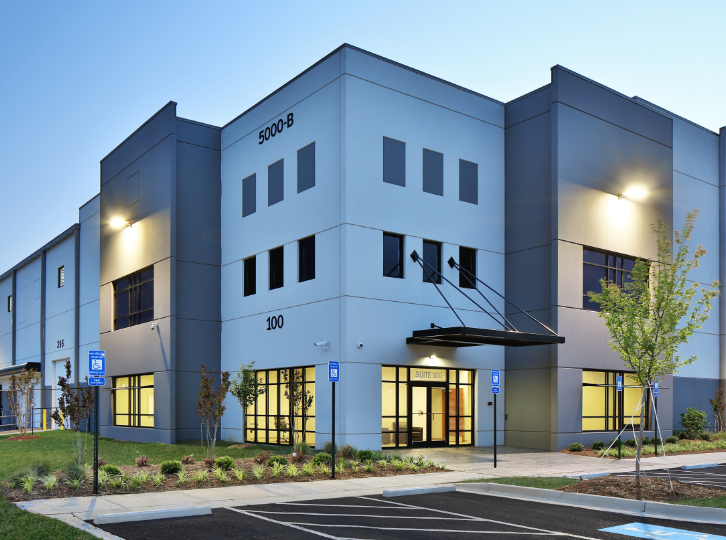
PuroClean of Columbus — 2967 E 6th Ave. Ste 100, Columbus, OH 43219
Grandview Heights is an independent city of roughly 9,000 residents tucked inside the western edge of Columbus — bordered by the Olentangy River to the east, Grandview Avenue to the west, First Avenue to the north, and a rail corridor to the south. Incorporated as a village in 1906 and elevated to city status in 1931, Grandview has maintained its own municipal services and school district even as Columbus grew up around it on every side.
The residential streets between Grandview Avenue and the Olentangy — King Avenue, Goodale Boulevard, Dublin Road, Doone Avenue, Guilford Avenue, and the numbered east-west avenues — are lined almost entirely with homes built between 1910 and 1955: brick Tudor revivals, craftsman bungalows, American foursquares, and Cape Cods. Many have been extensively renovated, but their original foundations, plumbing stacks, and drainage infrastructure remain in place beneath updated kitchens and finished basements. That combination — high-equity homes with aging systems, immediately adjacent to the Olentangy flood plain — defines Grandview’s property damage profile. Fifth Avenue and Grandview Avenue add a commercial layer: restaurants, retail shops, and medical offices in 1920s-era storefronts subject to the same pipe age and drainage vulnerabilities as the residential stock.
Damage types we handle throughout Grandview Heights:
PuroClean of Columbus operates from 2967 E 6th Ave., Ste 100 — approximately 4.5 miles from the center of Grandview Heights. Our technicians reach most Grandview addresses within 20 to 30 minutes of dispatch, making it one of the faster response zones in our Franklin County service area.
Our primary route travels west on E 6th Ave to I-670 westbound, exiting at US-33 and heading north on Dublin Road — which bisects Grandview north-to-south and gives direct access to Riverside Drive, Grandview Avenue, and all the numbered east-west avenues. For properties near King Avenue and the Grandview Yard development at the northern end of the city, we continue north on Dublin Road past Fifth Avenue or approach via Northwest Boulevard from the Marble Cliff side. For the Grandview Avenue commercial corridor between First and Fifth avenues, we exit I-670 directly at the Grandview Avenue ramp.
Because Grandview Heights is an independent municipality, emergency responses are handled by the Grandview Heights Fire Division rather than Columbus Fire — a department our crews coordinate with regularly. During active Olentangy flooding, we monitor Riverside Drive access in real time and adjust our approach route accordingly.
The Olentangy River defines Grandview’s eastern boundary and its most persistent flood risk. FEMA Flood Insurance Rate Maps identify Special Flood Hazard Areas along Riverside Drive and the river-facing parcels on Doone Avenue and Guilford Avenue. Losses from Olentangy overflow are excluded from standard HO-3 homeowner’s policies — NFIP flood coverage or a private flood policy is required for a compensable claim. Homeowners on or near Riverside Drive should carry a water backup endorsement on their HO-3 in addition to flood coverage, since sump pump failures and river-driven groundwater intrusion are separate perils that require separate coverage provisions.
Grandview’s soils mirror the broader Franklin County glacial profile — Brookston silty clay loam and Patton silt loam dominate the Olentangy corridor, both classified as poorly to very poorly drained. On the upland streets away from the river, decades of urban development have reclassified much of the original soil as Urban Land complex, where compacted fill under older concrete block foundations channels water laterally toward basement walls rather than away from the structure. This lateral drainage behavior is a common cause of the chronic basement seepage that Grandview homeowners deal with year after year.
Grandview’s balloon-frame and early platform-frame wood construction — standard in the 1910s through 1930s homes on the numbered avenues — means a slow plumbing leak inside a wall can travel vertically through continuous stud bays from basement to attic without obstruction. Thermal imaging during PuroClean’s initial assessment routinely identifies moisture migration across multiple floors that a visual inspection would miss entirely. The city’s mature tree canopy adds a parallel risk: root intrusion into original clay sewer laterals under homes where century-old trees have reached full maturity is a primary driver of the Category 3 sewage backup events that require full biohazard remediation protocols.
Owned & Operated by Rick Gutridge
2967 E 6th Ave. Ste 100, Columbus, OH, 43219
(614) 309-5739
Water damage can result from unexpected leaks, flooding from storms, plumbing failures, or appliance malfunctions. Our certified teams focus on rapid water removal, drying, and stabilization to help prevent further damage and mold growth.
 Explore Our Water Damage Mitigation Services
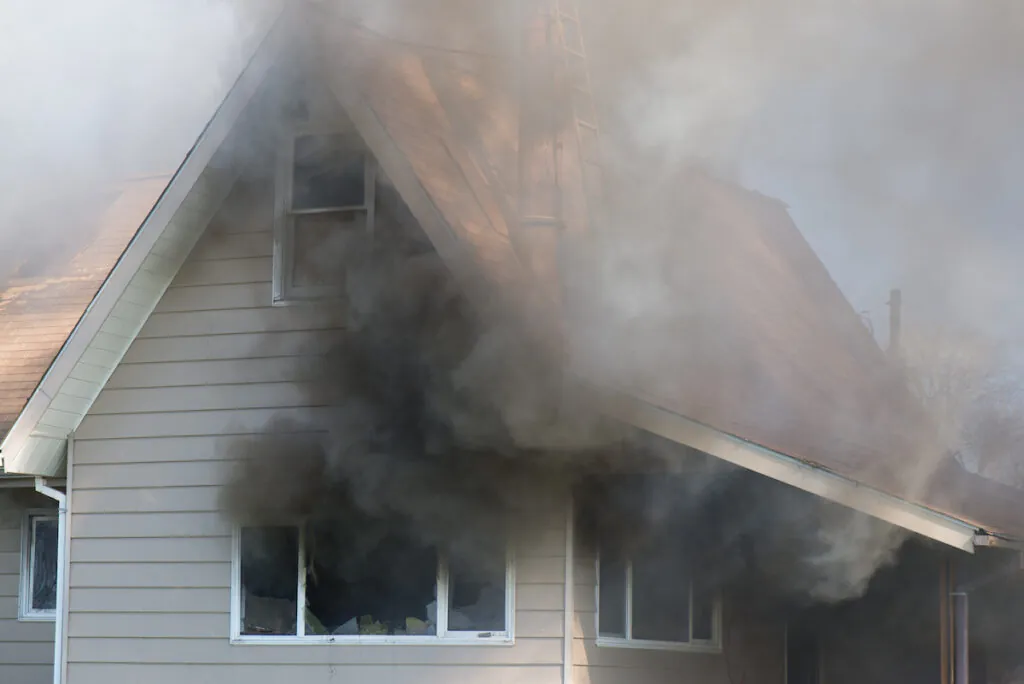
Even after a fire is extinguished, smoke, soot, and odor can continue to affect your home. Fire damage restoration services address visible damage while also helping reduce lingering effects that impact indoor air quality and surfaces.
Explore Our Fire and Smoke Damage Restoration Services
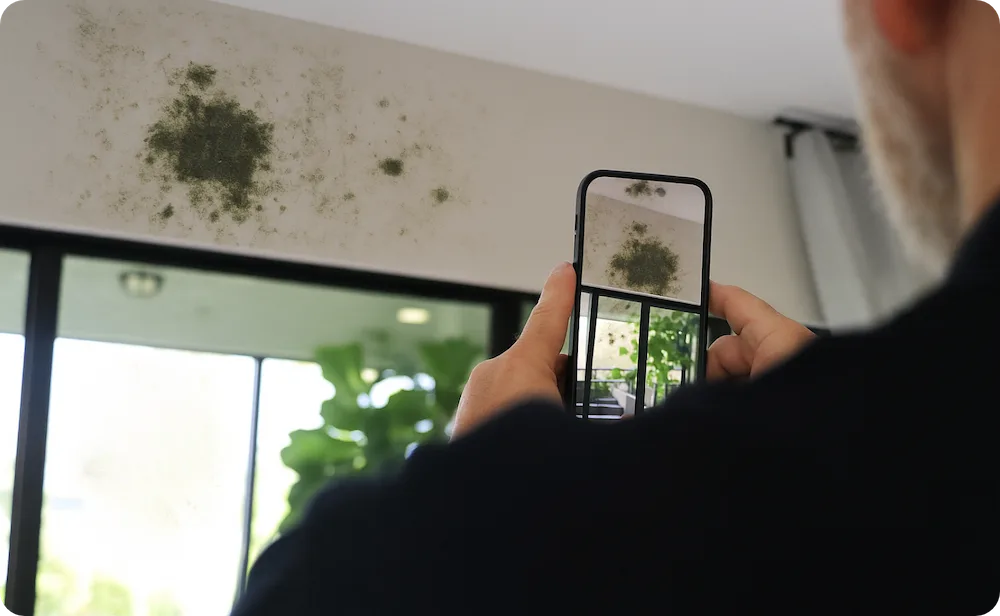
Mold often develops as a result of unresolved moisture or hidden water damage. Professional mold remediation helps identify affected areas, contain growth, and restore healthy indoor conditions.
Explore Our Mold Removal and Remediation Services
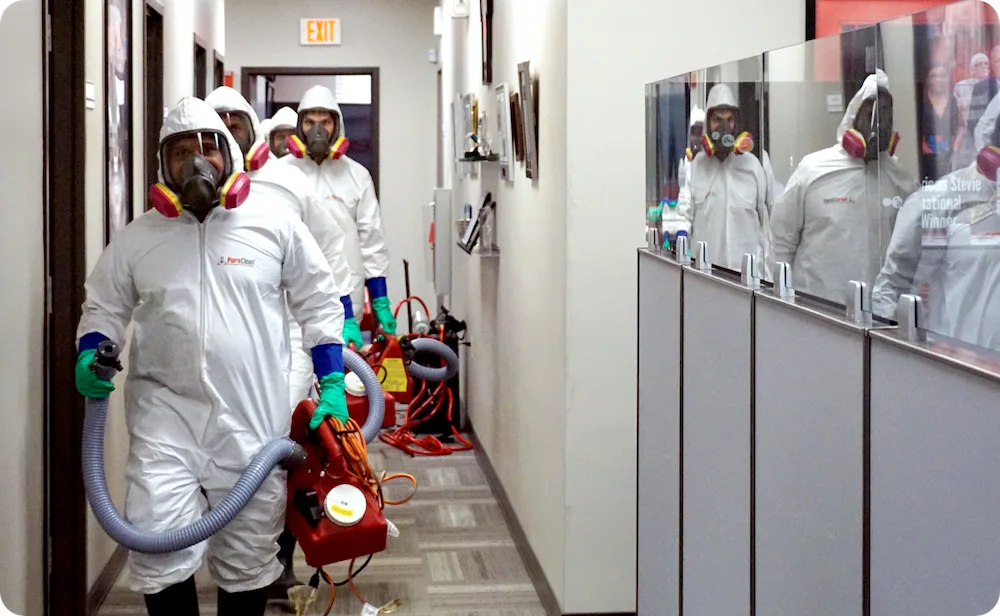
Biohazard situations, including crime scene cleanup and virus decontamination, require specialized cleaning and handling to protect health and safety. Biohazard cleanup services address contamination using proper protocols and professional care.
Explore Our Biohazard Cleanup Services
In some cases, property damage requires repairs beyond cleanup and mitigation. Reconstruction services help restore damaged areas of the home after water, fire, or other incidents, supporting a smoother transition from damage to recovery.
Explore Our Reconstruction Services Services
PuroClean provides 24/7 commercial property damage restoration services for businesses and facilities across the United States.
Explore Our Commercial Services
Water damage can result from unexpected leaks, flooding from storms, plumbing failures, or appliance malfunctions. Our certified teams focus on rapid water removal, drying, and stabilization to help prevent further damage and mold growth.
Explore Our Water Damage Mitigation Services
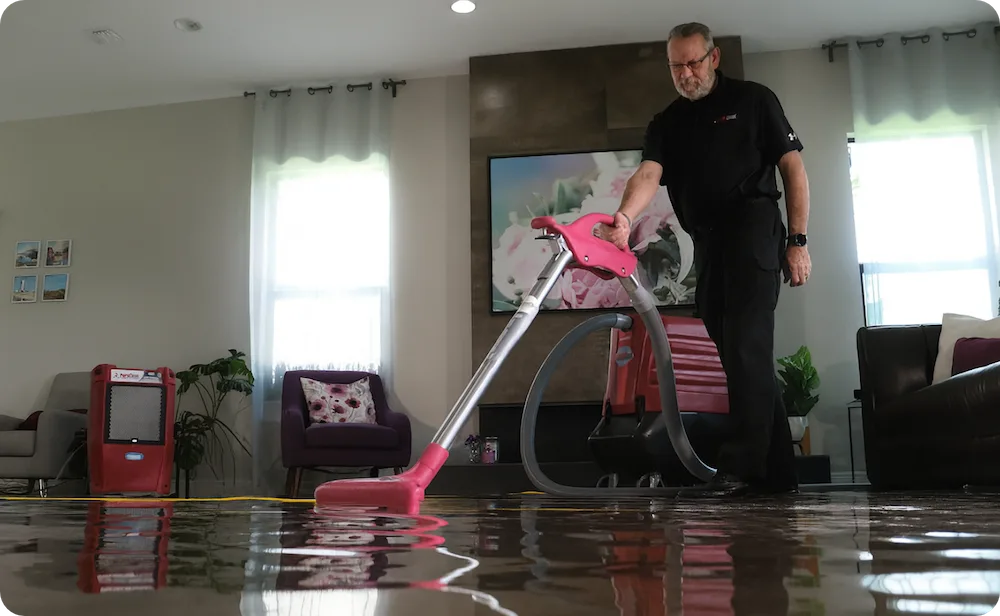
Answers to the questions we hear most often from Grandview Heights homeowners and business owners.
The answer depends on how water is entering. If it’s groundwater seepage or surface water from Olentangy flooding, that’s a flood loss — excluded from your HO-3 and covered only by a separate NFIP flood policy or private flood insurance. If your sump pump failed independently and your policy carries a water backup endorsement, that component may be separately compensable. Many Riverside Drive losses involve both sources, and PuroClean’s moisture assessment documents the intrusion pathway with enough specificity to support coverage allocation between your HO-3 and flood policy — giving your adjuster the documentation needed to evaluate each component on its own terms.
We use two tools that read moisture through plaster surfaces without demolition. Non-invasive pin-less moisture meters detect changes in electrical resistance caused by moisture in the substrate behind the plaster face. Thermal imaging cameras identify temperature differentials from evaporative cooling at moisture-laden areas inside the wall — showing us precisely where moisture is present and how far it has migrated. In most cases this gives us enough information for a targeted drying plan that preserves original plaster wherever it remains structurally sound. Where mold is confirmed inside the wall system, we remove the minimum scope necessary and can coordinate with skilled plaster repair contractors to restore original finishes.
Yes — smoke and soot migration through shared walls, HVAC connections, and ceiling plenums in Fifth Avenue’s attached commercial buildings is a documented problem after fire events. Protein smoke residue from cooking fires is particularly persistent: minimal visible soot but powerful odor that penetrates drywall, ceiling tiles, and HVAC components. PuroClean assesses your space with air quality instruments, identifies all affected surfaces, and prepares a complete restoration scope — HEPA air scrubbing, hydroxyl generator treatment, surface cleaning, and content restoration. On the insurance side, your neighbor’s commercial liability policy may be liable for your loss under subrogation, and our Xactimate documentation gives your carrier or attorney the evidence needed to pursue that claim.
Ohio’s residential property disclosure law (ORC 5302.30) requires sellers to disclose known material defects including prior water intrusion. If previous owners had documented knowledge and failed to disclose it, you may have a claim — and PuroClean’s written assessment documenting what appears to be long-standing mold growth can serve as evidence in a disclosure dispute. On the remediation side, don’t wait on a legal timeline: mold conditions worsen and affect your family’s health in the interim. IICRC S520-compliant remediation with post-remediation verification air sampling by an independent industrial hygienist is the appropriate response, and we recommend retaining an Ohio real estate attorney in parallel.
Under Ohio Revised Code Chapter 5321, a landlord or authorized contractor may enter a rental unit without advance notice to address an emergency that materially affects health or safety — a burst pipe qualifies. If the tenant is present, our technicians introduce themselves, explain the work, and treat the space respectfully. If not, we document entry with timestamped photos and provide written notice of work performed. All moisture reports, equipment logs, and invoices are addressed to you as property owner in the format your commercial landlord insurer requires. We also note any pre-existing conditions observed during mitigation — a contemporaneous record that protects you under Ohio landlord-tenant law.
What Our Customers Say:
When you need water damage restoration services near you, call the experts at PuroClean. We are here day or night, 24/7, to help remove any standing water quickly and begin your water restoration service. We monitor the drying process so you can rest assured that your property is dried thoroughly. We offer commercial water restoration services for businesses and residential water damage restoration for homeowners.

PuroClean Fire & Water Experts
(614) 309-5739
2967 E 6th Ave. Ste 100, Columbus, OH 43219


© 2026 PuroClean. All Rights Reserved.