 PuroClean Fire & Water Experts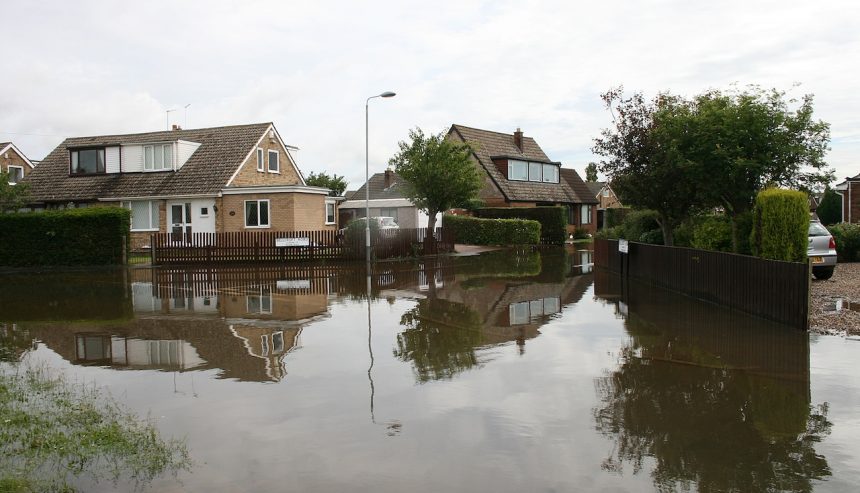
Table of Contents
For Ohio renters, protecting belongings from unexpected damage is a priority, especially when it comes to natural disasters like floods. But many tenants wonder, does renters insurance cover flood damage in Ohio?
While renters insurance provides essential protection for personal items in cases of fire, theft, and specific water-related incidents, it generally does not include flood damage. In this article, we’ll break down what renters insurance covers, Ohio-specific insurance guidelines, tips for protecting your valuables, and additional coverage options to safeguard your belongings.
What Renters Insurance Actually Covers

Renters insurance is designed to protect tenants from losses due to events like theft, fire, and certain types of water damage.
A standard renters insurance policy protects tenants against losses caused by theft, fire, smoke, and certain types of water damage—but not flooding. Typical policies include three main types of coverage:
- Personal Property Coverage: Pays to replace or repair your belongings (like clothing, electronics, or furniture) damaged by covered perils.
- Liability Coverage: Helps cover costs if you accidentally damage someone else’s property or cause injury within your rental space.
- Additional Living Expenses (ALE): Covers hotel or temporary housing if your rental becomes uninhabitable after a covered event.
While this coverage is essential, flood damage from rising water or storms is excluded. You’ll need a separate flood insurance policy to cover that risk.
Does Renters Insurance Cover Flood Damage in Ohio?
In Ohio—just like in most states—flood damage is not covered by renters insurance. Policies will typically pay for water damage caused by internal issues, such as burst pipes or appliance leaks, but not for water entering from outside.
If heavy rainfall, snowmelt, or a nearby creek causes water to seep into your rental, your standard renters policy won’t apply. That’s where flood insurance comes in. Flood insurance is specifically designed to cover:
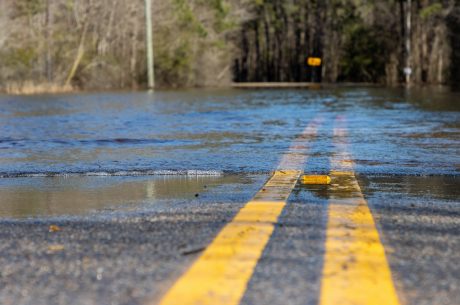
- Damage caused by overflowing rivers, heavy rainfall, or storm surges
- Loss of personal property such as furniture, electronics, and clothing
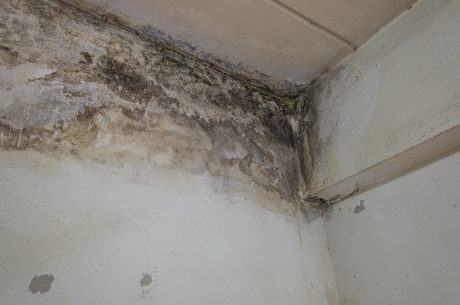
- Mold or mildew resulting from standing floodwater (if caused by a covered event)
According to the Federal Emergency Management Agency (FEMA), just one inch of water in your home can cause up to $25,000 in damage—making separate flood coverage an important investment for Ohio renters.
Why Flood Damage Requires Separate Insurance Coverage

Due to the high costs associated with flood-related repairs and replacements, the insurance industry has designated flood insurance as a separate policy.
Flooding is one of the costliest natural disasters in the U.S., and because it affects large areas simultaneously, it’s excluded from standard policies. The high cost of widespread flood events led insurers to separate flood coverage under the National Flood Insurance Program (NFIP) and private flood carriers.
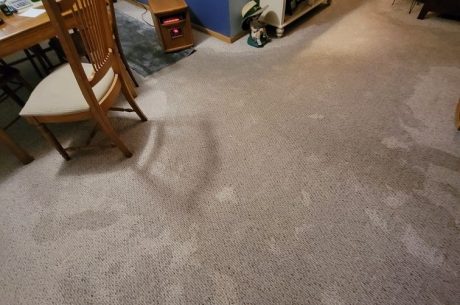
Floodwater often damages multiple parts of a property—walls, flooring, furniture, and even wiring—requiring full-scale restoration. Unlike a burst pipe, which affects one section of a unit, floods can ruin nearly everything at once.
That’s why PuroClean Fire & Water Experts in Columbus recommends renters in low-lying or flood-prone areas secure flood insurance before the rainy season begins.
How to Obtain Flood Insurance as an Ohio Renter
For tenants in Ohio, obtaining flood insurance often involves purchasing a policy through the National Flood Insurance Program (NFIP). This federally-backed program provides flood insurance to property owners, renters, and businesses. Private insurers also offer additional flood insurance coverage, which might include options that go beyond the NFIP’s basic policies.
- Through the National Flood Insurance Program (NFIP): NFIP offers standard flood policies that are available through most insurance providers. Policies cover up to $100,000 in personal property for renters, which can be sufficient for most rental homes.
- Private Insurance Options: Some private insurers offer supplemental flood policies with higher coverage limits. These options may be a better fit for tenants with valuable possessions or specific needs outside NFIP limitations.
Ohio Renters: Legal Guidelines and Flood Zone Awareness
Flood insurance isn’t legally required for tenants in Ohio, but it’s strongly recommended for those living near rivers, lakes, or low-lying neighborhoods such as Franklinton, German Village, or Grove City.
While your landlord’s policy covers the building itself, it does not protect your personal belongings. Tenants are responsible for securing their own renters and flood insurance coverage.
Ohio’s state emergency management office encourages renters in FEMA-designated flood zones to consider additional protection, especially given recent increases in heavy rainfall and flash floods in Central Ohio.
Understanding Flood Zones in Ohio

Living in a flood-prone zone significantly increases the risk of flood damage, making flood insurance a prudent choice.
Ohio residents can check their flood zone status through the Federal Emergency Management Agency (FEMA) flood map service. Tenants who are aware of their flood zone status can better understand the risks and take steps to secure appropriate coverage to protect their possessions.
Additional Insurance Options for Renters in Flood-Prone Areas
In addition to flood insurance, renters can look into other options to cover potential gaps:
- Personal Property Floater or Rider: This provides extra coverage for valuable items like electronics, jewelry, or art.
- Excess Flood Insurance: For high-value items, excess flood insurance offers protection that goes beyond standard policy limits, ensuring greater coverage for more expensive belongings.
- Water Backup and Sump Pump Overflow Coverage: While not specifically flood insurance, this add-on covers damage from water backups due to sump pump failures or sewer backups, which are more common during severe storms.
Tips for Ohio Tenants to Protect Their Belongings from Flood Damage
Even with the right insurance, prevention plays a huge role in protecting your property. Ohio renters can minimize losses by:
- Elevating valuables: Keep electronics and important documents off the floor.
- Using waterproof containers: Store critical items in sealed plastic bins or waterproof bags.
- Documenting possessions: Take photos or videos of high-value items for insurance claims.
- Staying informed: Sign up for local flood alerts from the City of Columbus Department of Public Utilities.
Taking these proactive steps can significantly reduce the financial and emotional toll of flood damage.
Professional Restoration Services with PuroClean Fire & Water Experts
If flood damage occurs, professional restoration services can help minimize the aftermath and restore your living space. In Ohio, PuroClean Fire & Water Experts specializes in water and flood damage restoration. Our expertise ensures quick and thorough repairs, helping tenants restore their belongings and prevent further damage. Contact us today at (614) 309-5739 to prevent further damage and the spread of mold.
Frequently Asked Questions
1. Does renters insurance cover flood damage in Ohio?
No. Standard renters policies don’t cover flood damage from external water sources like heavy rain or overflowing rivers.
2. What kind of water damage does renters insurance cover?
It covers accidental leaks or burst pipes inside your unit—but not flooding from outside sources.
3. How much does flood insurance cost in Ohio?
Flood insurance for renters typically ranges from $100–$300 per year, depending on your location and coverage limits.
4. Is flood insurance worth it for renters in Columbus?
Yes. With Ohio’s unpredictable weather and aging infrastructure, even renters outside high-risk zones can experience flooding.
5. Who should I call if my rental experiences flood damage?
Contact your landlord and your insurance provider immediately, then call PuroClean Fire & Water Experts for emergency restoration service.
Summary
- Standard renters insurance doesn’t cover flood damage in Ohio.
- Flood coverage is available through the NFIP or private insurers.
- Tenants in Columbus and surrounding areas should evaluate their flood risk.
- For fast, professional restoration after flood or water damage, call PuroClean Fire & Water Experts at (614) 309-5739.
 PuroClean Fire & Water Experts