


Table of Contents
If your property has been affected by smoke damage, acting quickly and documenting everything can significantly improve your smoke damage insurance claims outcome. Smoke damage is often more extensive than what is immediately visible, affecting walls, furniture, HVAC systems, electronics, and indoor air quality. Understanding what insurers typically look for, what documentation matters, and when to involve restoration professionals can help property owners in Columbus, OH move through the claims process with fewer delays and fewer surprises.
What Counts as Smoke Damage?
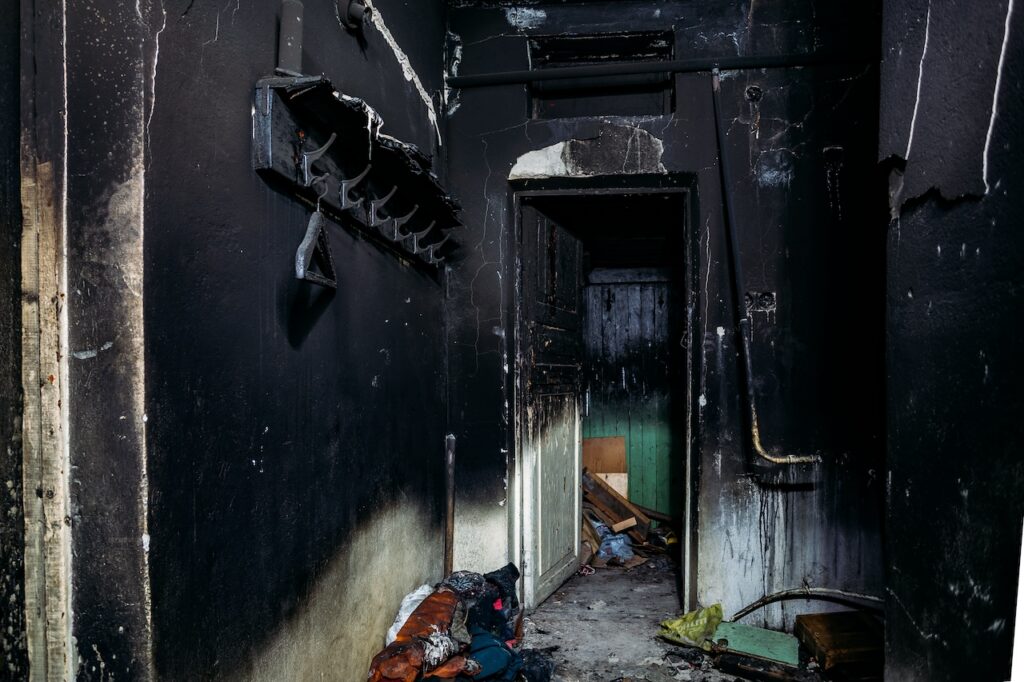
Smoke damage includes more than black soot on walls or ceilings. After a fire or nearby smoke event, microscopic particles can settle throughout the property, including inside ventilation systems, upholstery, carpeting, and electronics.
This means damage may include both visible and hidden contamination.
Common forms of smoke damage include:
- Soot residue: Fine particles can stain walls, ceilings, cabinets, and other surfaces while continuing to cause deterioration if not cleaned properly.
- Smoke odor contamination: Persistent odors may become trapped in porous materials such as carpeting, drywall, furniture, and insulation.
- HVAC contamination: Smoke particles can circulate through ductwork and spread contamination throughout the property.
- Electronics damage: Corrosive soot residue can affect appliances, computers, televisions, and other electronics.
- Air quality concerns: Smoke and ash may contain irritants and harmful particles that affect indoor conditions.
When filing smoke damage insurance claims, documenting both visible and less obvious damage is critical.
How Smoke Damage Insurance Claims Usually Work

Smoke and ash may contain harmful chemicals and particles if not properly removed.
Most property owners insurance policies may cover smoke damage if the cause is a covered event, but exact coverage depends on policy language, exclusions, and limits.
The claims process generally follows a predictable path:
| Step | What Happens |
|---|---|
| Damage occurs | Fire or smoke event affects the property |
| Claim notification | Policyholder contacts the insurance company |
| Documentation | Photos, videos, receipts, and damage records are gathered |
| Inspection | Adjuster reviews the property |
| Restoration assessment | Professional restoration estimates are prepared |
| Claim review | Insurer evaluates scope and coverage |
| Settlement | Approved compensation is issued based on policy terms |
The faster this process begins, the easier it often is to preserve evidence and reduce additional complications.
How to Strengthen Your Insurance Claim
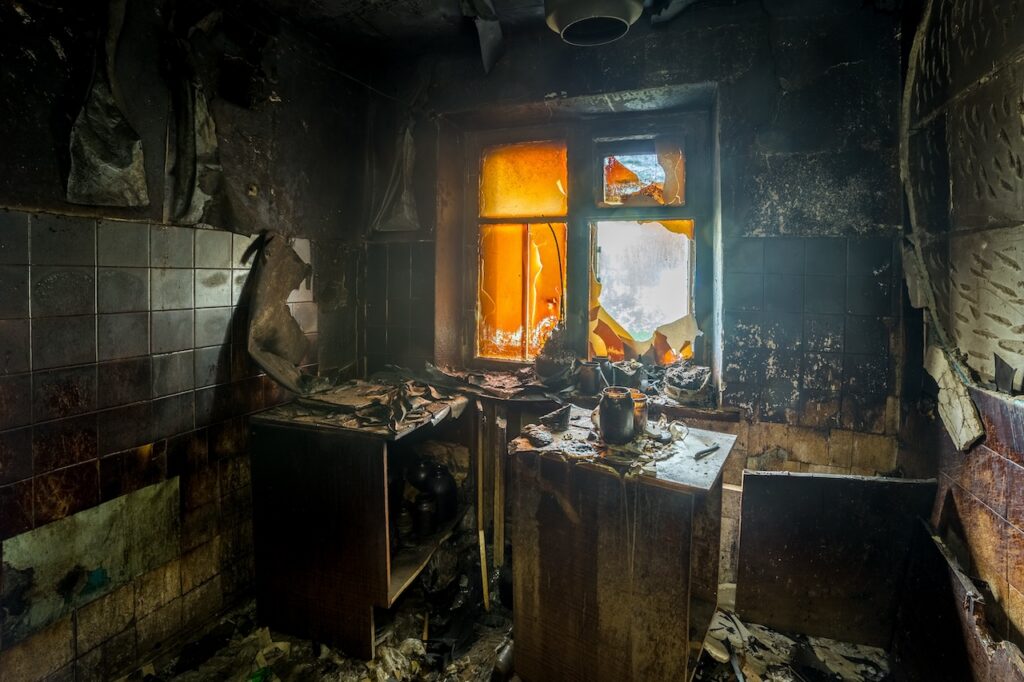
Documenting the damage is one of the most critical steps in the insurance claim process.
Property owners who stay organized are often in a stronger position during claim review.
Helpful best practices include:
- Keep a claim communication log: Record calls, emails, adjuster names, dates, and claim updates.
- Save every receipt: Temporary lodging, emergency mitigation, protective measures, and restoration invoices may be relevant.
- Create a damaged contents inventory: Listing affected belongings helps support compensation discussions.
- Use professional inspections: Restoration documentation often identifies issues casual inspections miss.
Clear documentation supports stronger fire damage claim documentation overall.
Step-by-Step: Filing Smoke Damage Insurance Claims
1. Prioritize Safety First
Before starting the insurance process, make sure the property is safe to enter. Fire damage can create structural instability, electrical hazards, and poor indoor air quality due to lingering smoke particles. If emergency responders or restoration professionals advise staying out of the property, follow that recommendation.
2. Contact Your Insurance Company Quickly
Reporting the damage promptly helps establish an official claim and starts the review process sooner. When contacting your insurer, be prepared to provide key information such as:
- Policy details: Your policy number and account information help the insurer locate your coverage quickly.
- Incident information: Be ready to explain when the damage occurred and provide a brief description of what happened.
- Contact information: Make sure the insurer has the best phone number and email address to reach you during the claims process.
3. Document the Damage Thoroughly
Strong documentation is one of the most important parts of successful smoke damage insurance claims. The goal is to show the full scope of the damage, not just the most obvious areas.
Helpful documentation may include:
- Photos and videos: Capture both wide-angle room views and close-up images showing soot, smoke staining, damaged belongings, and affected surfaces.
- Damage records and receipts: Keep records of emergency expenses, temporary mitigation work, hotel stays, or other costs related to the incident.
Detailed evidence makes it easier to support your claim if questions arise later.
4. Prevent Additional Damage If It Is Safe
Most insurance policies expect property owners to take reasonable steps to prevent further damage after an incident. This may involve protecting exposed areas from weather, limiting contamination spread, or arranging emergency stabilization.
However, avoid beginning major cleanup or disposal work before proper documentation unless immediate action is necessary for safety reasons.
5. Get a Professional Restoration Assessment
Smoke damage is often more extensive than it appears at first glance. A professional restoration assessment can help identify hidden contamination affecting structural materials, HVAC systems, moisture-damaged areas, and surfaces impacted by soot or smoke odors.
Professional documentation can also strengthen property damage insurance claims by providing a more complete picture of the actual restoration needs.
Common Problems With Smoke Damage Insurance Claims
Even straightforward claims can encounter delays or disputes if documentation is incomplete or the damage is underestimated.
- Damage Is Underestimated. Visible soot is only one part of smoke damage. Hidden contamination inside ductwork, insulation, carpeting, and porous materials may be overlooked during an initial inspection. Professional restoration assessments can help identify less obvious damage that should be included in the claim.
- Coverage Disputes. Not every policy handles smoke damage in the same way. Disagreements may arise regarding the cause of the loss, coverage exclusions, maintenance-related issues, or whether secondary damage should be included. Reviewing your policy details early can help avoid confusion later.
- Delayed Claim Processing. Claims may move slowly when insurers are waiting for missing paperwork, incomplete documentation, or clarification about the damage. Keeping organized records of communications, receipts, and submitted documents can help reduce unnecessary delays.
FAQs About Smoke Damage Insurance Claims
Does homeowners insurance cover smoke damage?
Many homeowners insurance policies may cover smoke damage if it results from a covered event, but policy details vary. Coverage limits, exclusions, and deductible requirements all matter.
Can I clean smoke damage before the insurance adjuster arrives?
Emergency stabilization may be appropriate, but major cleanup before documentation can create claim complications. Always document thoroughly first.
How long do smoke damage insurance claims take?
Timeframes vary depending on claim complexity, documentation quality, insurer response times, and dispute issues. Simple claims may move faster than extensive structural losses.
What if smoke damage is not visible?
Hidden smoke contamination can still affect HVAC systems, insulation, electronics, and porous materials. Professional inspections help identify less obvious damage.
Does smoke odor count as property damage?
Yes, persistent smoke odor may indicate contamination inside materials and may be part of a legitimate restoration scope.
Get Help With Smoke Damage Restoration in Columbus
Navigating smoke damage insurance claims can feel overwhelming, especially when dealing with hidden contamination, documentation requirements, and property disruption. Professional restoration support can help identify the full extent of damage while giving you clearer documentation for the claims process.
PuroClean provides smoke and fire damage restoration services for homes and businesses in Columbus, OH. If your property has been affected by smoke damage, contact PuroClean at (614) 309-5739 for professional assessment and restoration support.
Key Takeaways
- Fast action helps protect both the property and the claim outcome
- Smoke damage insurance claims should begin as soon as safely possible
- Smoke damage includes hidden contamination, not just visible soot
- Thorough documentation strengthens claim accuracy
- Professional restoration assessments may uncover overlooked damage
- Claim delays often happen because of incomplete records
- Smoke odor and HVAC contamination may be legitimate damage concerns
Check out more topics in our blog: