


Preparedness Tips for Before, During and After the Storm
Quick Takeaway:
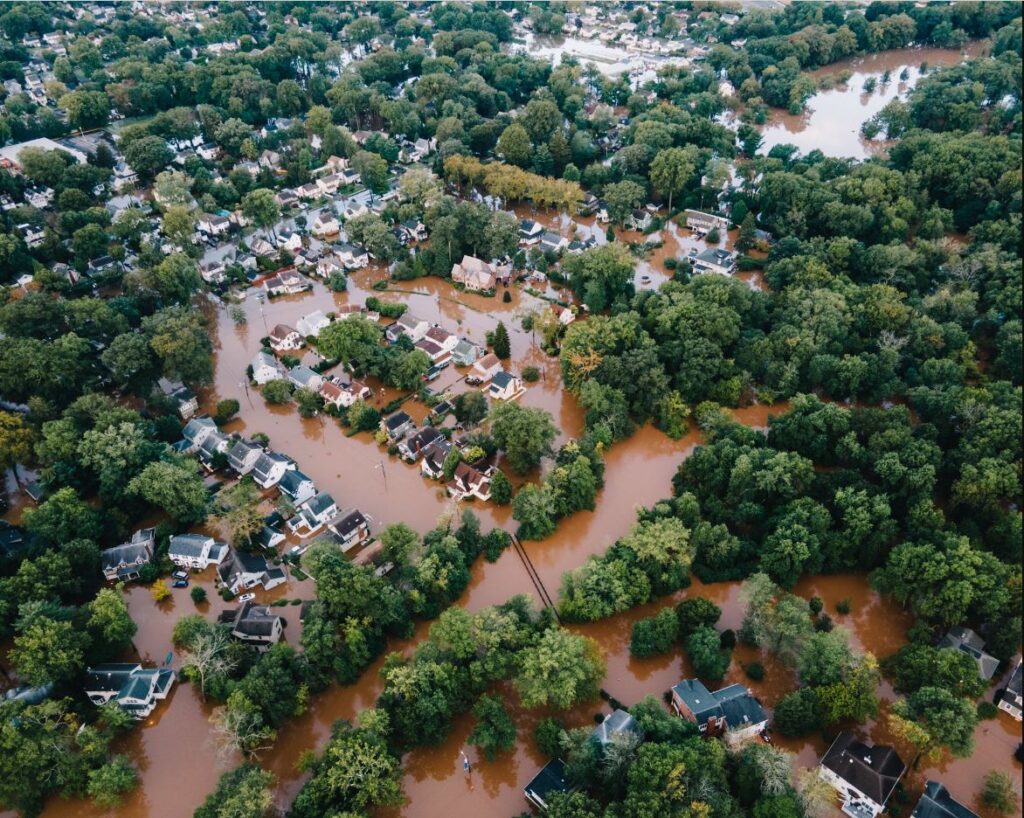
Hurricanes do more than threaten New Jersey’s coastline with heavy rain. Storms like Ida, Sandy, and Irene have shown that inland towns face devastating flooding, power outages, and even tornadoes.
The best protection is preparation: know your risks, make a plan, and act early.
What’s Covered
About Hurricane Season
Hurricanes in New Jersey
Preparation Tips:
Before the Storm
During the Storm
After the Storm
Emergency Flood Cleanup Help
Additional Resources
When is the Atlantic Hurricane Season?
Officially, the Atlantic hurricane season runs from June 1 to November 30.
The highest risk for Cranford and the rest of New Jersey is concentrated in the ten-week stretch from mid-August to late October. Property prep and emergency kits should be ready before that window opens, not after a storm is already forecast.
If you need post-hurricane help with water damage, flood cleanup or restoration in Union, Essex and nearby NJ Counties, call PuroClean Restoration Services at (908) 577-9120. We’re ready to help!
Hurricanes in New Jersey: More Than a Coastal Threat
When people think of hurricanes in New Jersey, the shoreline usually comes to mind. But hurricanes are not just a coastal problem. Hurricanes and tropical storms also deliver widespread damage well inland.
New Jersey residents in areas like Cranford, Matawan, and towns across Central Jersey have faced severe flooding, tornadoes, and infrastructure damage, even after the storm had passed.
For many inland residents, the scale of flooding has been both surprising and devastating.
Hurricane Ida’s Inland Impact on New Jersey
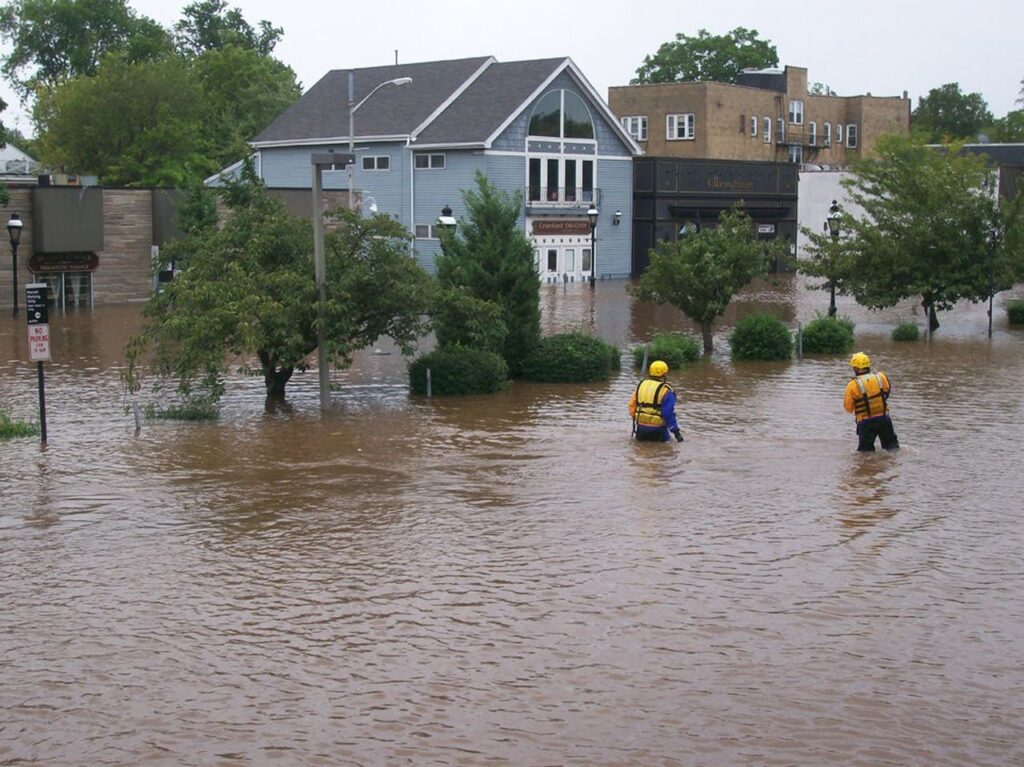
In September 2021, the remnants of Hurricane Ida turned New Jersey into a flood zone, with some towns seeing 5 to 8 inches fall in just six hours. The flooding killed at least 30 people statewide and overwhelmed rivers and stormwater systems. Three confirmed tornadoes were associated with the storm.
In Cranford and nearby towns, streets became rivers, homes were flooded, and families were displaced. Ida proved that even inland communities are vulnerable to catastrophic hurricane impacts.
A Pattern of Impactful Storms
Ida is part of a troubling pattern of powerful storms in New Jersey:
Hurricane Sandy (2012): Caused $37 billion in damage in New Jersey, killed 34 people in the state, and left millions without power. Coastal towns in Ocean and Monmouth counties were among the hardest hit (The Nature Conservancy).
Hurricane Irene (2011): “…Caused an estimated $6.5 billion in property damages” statewide, according to the National Oceanic and Atmospheric Administration (PDF). Hurricane Irene damaged buildings and caused flooding statewide. More than 40 lives were lost.
Tropical Storm Floyd (1999): Dropped more than 14 inches of rain in parts of New Jersey, leading to record-breaking floods, mass evacuations, and long-term flood control projects like the Green Brook Flood Control Project.
Hurricane Season Preparation Tips
What Should I Do Before a Hurricane?
Before a hurricane, secure your property (roof, windows, garage, outdoor items), build a 3-day emergency kit, get flood insurance, and know your evacuation route. Once a watch is issued, charge devices, fuel your car, and sandbag entry points. After the storm, avoid floodwater, wait for a professional inspection, and call a certified restoration company immediately if your home takes on water.
- Know your risk. Learn your community’s flooding risk and your evacuation zone. (For Cranford-area residents, see flood zone resources below.)
- Understand evacuation routes. Familiarize yourself with local emergency routes so you can leave quickly and safely if needed.
- Check your property’s elevation. Knowing whether your home is in a flood-prone area helps you better prepare for water damage risks.
- Be aware of nearby dams and levees. Understand whether they pose a potential hazard if a storm hits.
- Make a family plan. Choose a meeting place in case you’re separated, outline how you’ll communicate, and decide where you’ll go if evacuation becomes necessary, such as a shelter or a relative’s home.
- Get flood insurance. Standard homeowners’ insurance policies don’t cover flooding. If you don’t have a policy, now is the time to get one.
- Secure important documents. Keep copies of property deeds, insurance papers, and other key records in your disaster kit.
- Protect valuables. Store irreplaceable items like family photos or diplomas in waterproof containers with tight lids, placed safely on higher shelves.
- Back up your data. Protect electronic files by backing them up to the cloud or an external drive in case devices are damaged
Create an Emergency Kit
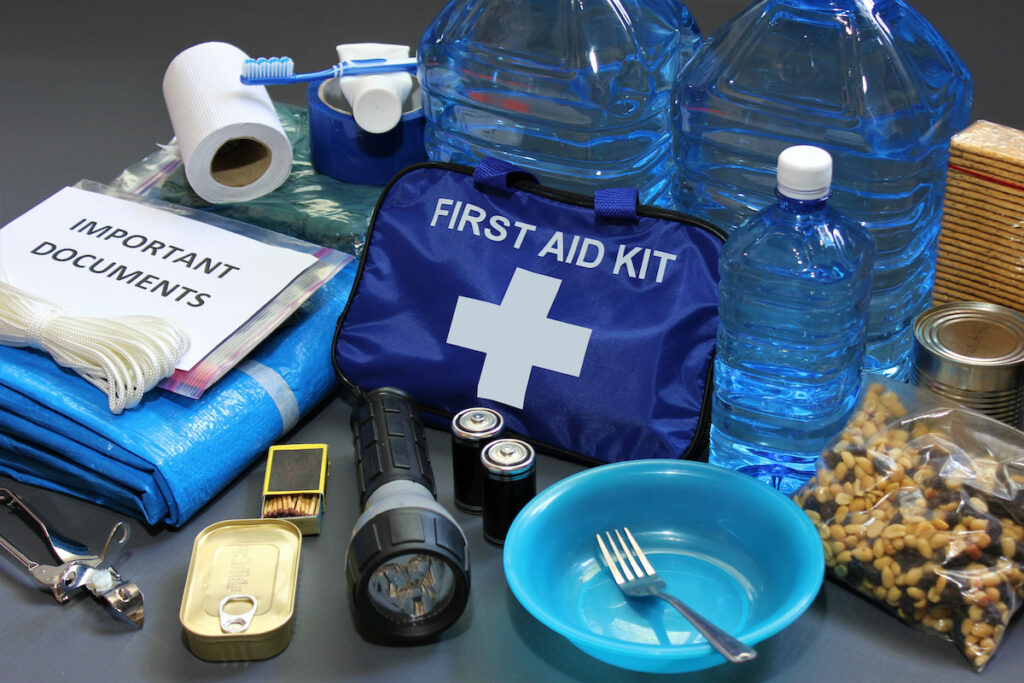
Riding out the storm at home, be prepared to lose power and water. You may not be able to leave for several days. FEMA recommends that you gather supplies for your household (including your pets).
Water & Food
- At least a 3-day supply of drinking water (1 gallon per person, per day)
- Non-perishable food for at least three days
- Manual can opener
Medical and Pets
- Prescription medications
- First aid kit
- Pet food, water, and medications
Communication & Power
- Battery-powered or hand-crank radio (tuned to NOAA Weather Radio)
- Spare batteries
- Flashlight with extra batteries
- Cell phone with an extra charger
Tools & Safety
- Whistle to signal for help
- Plastic sheeting and duct tape for a temporary shelter
- Moist towelettes and garbage bags for sanitation
- Pliers or wrench to turn off utilities
- Local maps
Secure Your Property
Hurricanes have sustained winds of 74 mph or higher. Even tropical storms bring wind damage, with winds from 39 to 73 mph (National Weather Service).
Taking time to prepare your property before a storm can reduce damage and limit costly repairs. Here are important steps to help protect your home:
- Secure your roof. Roofs are especially vulnerable to high winds. Reinforce your roof with straps or clips, and waterproof around chimneys and vent pipes. Loose shingles should be secured with heavy-duty adhesive.
- Maintain gutters and downspouts. Clean them regularly. Clogs could cause water to back up into your home. Make sure they’re firmly attached and not sagging.
- Protect your windows. High winds can easily shatter glass. The best protection comes from permanent storm shutters made of steel, aluminum, or other strong materials. If storm or hurricane shutters aren’t available, use plywood. (Avoid tape; it doesn’t stop windows from breaking.)
- Seal gaps with caulk. Caulking around windows, doors, chimneys, and roof penetrations can help keep water from seeping inside.
- Reinforce your garage. Garage doors are easily damaged by high winds. Use a storm-rated brace kit, install a metal post system, or cover the door with strong panels. Double-wide doors need extra attention. Check your local building codes for wind-resistance requirements.
- Trim trees and shrubs. Loose or dead branches can become dangerous projectiles in a storm. Cutting them back helps protect your home—and your neighbors’ homes, too.
- Secure outdoor items. Tie down or bring inside anything that strong winds could pick up, including lawn furniture, grills, potted plants, and pet houses.
- Safeguard appliances and electronics. Unplug devices during the storm and use surge protectors to help prevent damage if power goes out.
What Should I Do When a Storm is Hours from Arriving?
As a hurricane approaches, pay attention to official alerts and learn the difference between a storm watch and a storm warning. Also, check your car and cell phone, pile sandbags and turn your refrigerator to the coldest setting.
Stay Informed
- Storm or Hurricane Watch – 48 hours before possible impact
- Storm or Hurricane Warning – 36 hours before expected impact
Sign up to receive local alerts and learn how to receive real-time alerts from emergency alert systems like the Emergency Alert System (EAS) and the Wireless Emergency Alerts (WEA).
Many NJ communities also use Nixle and Swift911 to send localized emergency alerts.Understanding these alerts gives you the time you need to act quickly and keep your family safe.
Last-Minute Hurricane Preparation
- Pile up sandbags at least two feet high to slow floodwaters.
- Check your car. Make sure your vehicle is in good working condition and fill up the gas tank. If you’re going to evacuate, stock your vehicle with emergency supplies.
- Charge your cell phone to have a full battery if the power goes out.
- Turn your refrigerator to the coldest setting so food lasts longer during a power outage.
What Should I Do During the Hurricane?
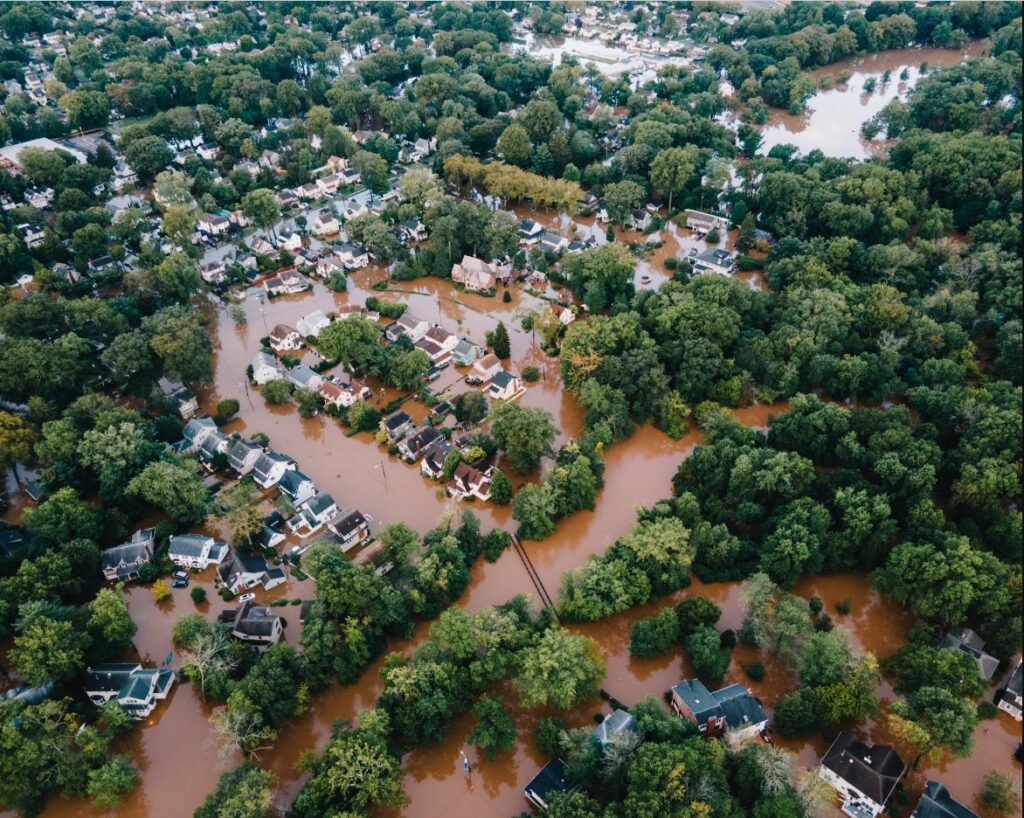
During the storm, focus on survival and follow official instructions to stay safe. Stay inside away from windows, avoid electrical appliances and lightning risks, and move to higher ground only if flooding traps you — never a closed attic. If the eye passes over, stay put; the storm isn’t over yet.
- Evacuate quickly when advised. If local authorities issue an evacuation order, grab your emergency kit and leave immediately. Follow designated evacuation routes. Don’t take shortcuts.
- Get inside quickly. If you’re outdoors and the storm is approaching, head inside right away to avoid injury from flying debris.
- Seek higher ground. If you live in a low-lying area or a mobile home, relocate to a designated storm shelter or higher elevation before conditions worsen.
- Stay away from windows. Once inside, avoid windows, skylights, and glass doors. Choose an interior room, a windowless room or a lower-level bathroom as your safe spot.
- Avoid electrical hazards. Strong winds and water can damage wiring. Don’t use electrical appliances during the storm to reduce the risk of fire or shock.
- Turn off the power if flooding is likely. If your home is at risk of flooding, turn off the electricity at the main fuse box, but only if it’s safe to do so. Wait for local officials to confirm it’s safe before turning it back on.
- Use generators and grills outside only. Never use gasoline-powered or charcoal-burning devices indoors. They can produce deadly carbon monoxide.
- If flooding traps you inside, head up. Go to the highest level of your home, but not a closed attic, where rising water could trap you.
- Be mindful of lightning. Avoid using the shower, landline phones, or electrical equipment during a storm to reduce the risk of lightning-related injuries.
- Don’t be fooled by calm weather. If the eye of the storm passes over, it may feel like it’s over, but it can resume suddenly. Stay inside until local officials confirm it’s safe to go out.
- Stay informed. Use a battery-powered radio or, if power allows, check the TV for real-time updates from emergency services.

Don’t wait for water damage and flooding to become mold damage. Call PuroClean Restoration Services at (908) 577-9120. 24/7 Emergency Service
What Should I Do After the Storm?
After the storm, hidden dangers like floodwater, unstable structures, and electrical hazards can pose serious risks.
- Follow local guidance. Stay tuned to emergency alerts for important updates and safety instructions.
- Avoid floodwaters. Never walk or drive through flooded areas. Just six inches of fast-moving flood waters can knock an adult off their feet, and one foot can carry away a vehicle (National Weather Service). Floodwater may also contain debris, sewage, or downed power lines.
- Be aware of displaced animals. Especially watch for snakes and rodents. If they have been flooded out, they will be looking for a new home, and it could be yours.
- Wait for professional inspections. Don’t enter a damaged building until a licensed professional has checked for structural issues and inspected electrical systems, gas lines, and plumbing.
- Document the damage. Take clear photos of any property damage before beginning cleanup. Contact your insurance company to start the claims process.
- Protect yourself during inspection. Wear proper safety gear, including gloves, safety glasses, rubber boots, and a mask when checking your home or property.
- Avoid electrical hazards. Never touch wet electrical equipment, especially if you’re standing in water.
- Be cautious with food safety. Discard any food that may have come into contact with floodwaters or that wasn’t kept at a safe temperature. When in doubt, throw it out.
- Use clean drinking water. Don’t drink tap water unless local authorities have confirmed it’s safe.
- Understand the risks of water damage. Even if you’ve followed all the proper steps to prepare, water damage can still occur. Everything that gets wet must be thoroughly dried, cleaned, and disinfected right away to prevent further damage or health risks. In some cases, certain items may need to be discarded if they cannot be safely restored.
You Might Like: What to Throw Out After a Flood
Finally, make sure to download a copy of this handy Emergency Preparedness Document and use it to gather and record important numbers, such as your property or medical insurance provider, A/C repair service, etc.
For Flood Cleanup Services, Contact PuroClean Restoration Services
Storm Damage Doesn’t Wait. Neither Should You.
If your Cranford-area home has water damage, flooding, or mold growth after a storm, every hour increases the risk of permanent damage and mold growth. PuroClean Restoration Services is IICRC-certified and locally based in Cranford, NJ — ready to respond fast when you need us most.
📞 Call now: (908) 577-9120
Rapid response, 24/7 emergency service
Direct insurance billing to simplify your claim
IICRC-certified technicians,
Locally owned, serving Cranford, NJ and nearby cities.
Additional Resources
- NJ.gov: Hurricane Survival Guide for New Jersey (PDF)
- FEMA: Flood Map Service Center
- FEMA: Ready Emergency Supply List (PDF)
- FCC: The Emergency Alert System