 PuroClean Disaster Restoration
 Executive Summary
Flooding can devastate your Greenfield home, but the real danger often begins after the water recedes. Without proper mold remediation, your carpets, drywall, and joists can harbor dangerous mold growth that threatens both your health and your home’s structural integrity. This guide provides a comprehensive checklist for addressing post-flood damage, focusing on the critical 24 to 48-hour window when mold prevention is most effective. Whether you’re dealing with basement flooding from heavy Indiana rainfall or a burst pipe, understanding the remediation process can save you thousands in structural repairs.
What Should I Do Immediately After My Greenfield Home Floods?
Time is your greatest ally in preventing mold growth. The moment you discover flooding, your priority should be safety first, then rapid response. Begin by shutting off electricity to affected areas and documenting all damage with photos and videos for insurance purposes.
Within the first 24 hours, water extraction becomes critical. Standing water creates the perfect breeding ground for mold spores already present in your home. Professional water extraction equipment can remove water far more effectively than household wet vacuums, reaching deep into carpet padding and subfloors where moisture hides.
How Do I Inspect Carpets for Hidden Moisture and Mold?
Carpets present a unique challenge because they consist of multiple layers that trap moisture. Surface drying means nothing if water remains in the padding or has seeped into the subfloor beneath.
Start by pulling back corners of your carpet to inspect the padding underneath. If the padding feels damp or shows any discoloration, it needs replacement. Carpet padding is inexpensive compared to the cost of mold remediation, and trying to save it usually backfires. Use a moisture meter to check readings in different areas. Anything above 16% moisture content requires immediate attention.
Check for that telltale musty odor. Your nose often detects mold before your eyes can see it. If you smell that earthy, damp scent, mold is already growing somewhere in the carpet system.
What Are the Warning Signs of Mold in Drywall?
Drywall acts like a sponge during flooding. It wicks water upward through capillary action, meaning flood damage at floor level can affect drywall two feet up the wall. Many Greenfield homeowners make the mistake of thinking their drywall is fine if it looks dry on the surface.
Look for these telltale signs: discoloration appearing as brown, yellow, or gray stains; bubbling or warping of the drywall surface; peeling paint or wallpaper; soft spots when you press against the wall; and visible mold growth, which often appears as black, green, or white fuzzy patches.
Use a moisture meter on your walls at various heights. Professional remediation typically requires removing drywall up to 12 to 24 inches above the visible water line because of that wicking effect. Cutting corners here invites hidden mold growth that emerges months later.
How Can I Tell If My Floor Joists Are Damaged or At Risk?
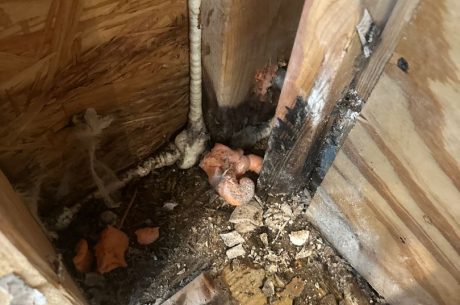
Floor joists represent the skeleton of your home’s floor system. When these wooden beams absorb water, they become vulnerable to both mold growth and structural weakening. From your basement or crawl space, inspect joists with a flashlight and moisture meter.
Healthy wood should feel firm and dry. Press a screwdriver against the joist surface. If it sinks in easily or the wood feels spongy, you have water damage that requires professional assessment. Look for dark staining, which indicates prolonged moisture exposure, and check for visible mold growth, particularly in the grooves and crevices where joists meet other framing members.
Pay special attention to areas where joists connect to exterior walls or sit in joist hangers. These spots trap moisture and often show damage first. If you notice any sagging in your floors above, this suggests serious joist compromise that needs immediate structural evaluation.
What Is the Proper Process for Drying Out Structural Elements?

Proper drying requires more than opening windows and hoping for the best. Professional-grade air movers create airflow patterns that direct moisture-laden air away from wet surfaces. Dehumidifiers then remove that moisture from the air, preventing it from settling elsewhere in your home.
Position air movers at angles that maximize airflow across wet surfaces without blowing debris around. For carpets, lift them away from tack strips and create airflow underneath. For walls, remove baseboards to allow air circulation behind the drywall bottom edge.
Dehumidifiers work best in enclosed spaces. Close doors and windows in the affected area to prevent new humid air from entering. Empty collection tanks regularly or set up continuous drainage if your unit supports it. Monitor moisture levels daily, aiming to reduce readings by several percentage points each day until you reach normal levels around 12 to 15 percent for wood materials.
Should I Try to Save Building Materials or Replace Them?
This question haunts every flood victim trying to balance budget concerns with safety. The reality is that some materials simply cannot be adequately cleaned and dried, making replacement the only safe option.
Carpet padding always requires replacement after flooding. It’s impossible to dry thoroughly and becomes a mold incubator. Carpets themselves can sometimes be saved if dried within 24 to 48 hours, but only if the water was clean. Sewage backup or floodwater contaminated with chemicals, bacteria, or other hazards requires complete carpet removal.
Drywall presents a gray area. Standard drywall exposed to clean water for less than 48 hours can sometimes be dried and saved. However, if water was contaminated, if drywall remained wet beyond 48 hours, or if you see any mold growth, replacement becomes necessary. Remember that drywall is relatively inexpensive compared to the health costs and property damage from hidden mold.
Wood joists and framing can often be dried and treated if caught early. However, any wood showing rot, substantial mold growth, or structural weakness requires replacement or reinforcement by a structural engineer.
A Real Story from Greenfield: The Hidden Cost of Waiting
The Martinez family experienced this firsthand last spring when heavy storms caused their finished basement to flood with three inches of water. They acted quickly, extracting the water within hours and setting up fans to dry things out. The carpet looked dry after a few days, so they put their furniture back and thought they had dodged a bullet.
Three months later, their teenage daughter developed respiratory problems. A persistent cough wouldn’t go away despite multiple doctor visits. The basement started smelling musty, and they noticed the carpet felt damp in certain areas despite no recent water intrusion. When they finally called for professional mold testing, inspectors found extensive mold growth throughout the carpet padding and in the drywall behind their entertainment center.
The remediation cost them over $15,000 because the mold had spread to areas far beyond the original flood zone. Their daughter’s health issues resolved within weeks of completing the remediation, but the experience taught them an expensive lesson: thorough, immediate professional remediation costs far less than dealing with hidden mold months later.
What Professional Equipment Makes a Difference in Mold Prevention?
Professional restoration companies bring tools that make the difference between successful remediation and hidden mold problems. Industrial dehumidifiers remove up to 10 times more moisture per day than residential units. Thermal imaging cameras detect moisture behind walls and under floors without destructive testing. Moisture meters provide precise readings at various depths in materials.
Air scrubbers with HEPA filtration remove mold spores from the air during remediation, preventing contamination of unaffected areas. Negative air machines create pressure differentials that prevent spores from spreading to other rooms. Injection drying systems force warm, dry air into wall cavities and under flooring to dry areas impossible to reach otherwise.
These tools, combined with trained technicians who understand building science and mold behavior, deliver results that DIY efforts simply cannot match.
How Long Does Professional Remediation Typically Take?
Most residential post-flood mold remediation projects in Greenfield homes take three to seven days, though extensive damage can require two weeks or more. The timeline depends on several factors: the amount of water involved, how long materials stayed wet before remediation began, the types of materials affected, and weather conditions during drying.
Day one typically involves water extraction, removal of unsalvageable materials, and setup of drying equipment. Days two through five focus on monitoring moisture levels and adjusting equipment placement as needed. Final days include antimicrobial treatment, final moisture verification, and beginning reconstruction once everything tests dry.
What Should I Look for in a Greenfield Restoration Company?
Choose a company with IICRC certification in water damage restoration and applied microbial remediation. This ensures technicians have received proper training in industry standards. Ask about their response time for emergencies. Mold prevention depends on rapid response, so 24/7 availability matters.
Request references from recent local projects and check online reviews specifically mentioning mold remediation outcomes. Verify they carry proper insurance including general liability and pollution liability coverage. Make sure they provide detailed moisture mapping and documentation throughout the process, which you’ll need for insurance claims.
A quality company explains the process clearly, never pressures you into unnecessary services, and provides written estimates before beginning work. They should also coordinate directly with your insurance company to streamline the claims process.
How Can I Prevent Future Mold Problems After Remediation?
Successfully remediating current mold doesn’t protect against future growth if underlying moisture sources remain. Address the root cause of the flooding through sump pump installation or upgrade, improved drainage around your foundation, gutter cleaning and maintenance, and basement waterproofing if groundwater intrusion is common.
Monitor indoor humidity levels, keeping them between 30 and 50 percent year-round. Use dehumidifiers in basements and crawl spaces during humid Indiana summers. Ensure proper ventilation in bathrooms and kitchens where moisture naturally accumulates.
Conduct regular inspections of areas prone to moisture, particularly basements, crawl spaces, and around plumbing fixtures. Catching small leaks early prevents major flood damage later.
Frequently Asked Questions
How quickly does mold start growing after a flood?
Mold spores can begin germinating within 24 to 48 hours in the right conditions. Visible mold growth typically appears within three to five days, though some mold varieties grow faster in warm, humid environments.
Can I clean mold off surfaces myself?
Small areas of surface mold on non-porous materials like tile can be cleaned with proper protective equipment. However, mold on porous materials like drywall and wood, or any area larger than 10 square feet, requires professional remediation to ensure complete removal and prevent health exposure.
Will my homeowner’s insurance cover flood mold remediation?
Coverage depends on your specific policy and the water source. Sudden internal water damage from burst pipes is typically covered. Gradual leaks and flooding from external sources usually require separate flood insurance. Review your policy and contact your insurer immediately after discovering damage.
How do I know if the mold remediation was successful?
Professional companies conduct post-remediation verification testing, which includes moisture readings confirming all materials are dry and air quality testing showing spore counts have returned to normal levels. Request documentation of these tests.
What health risks does mold pose to my family?
Mold exposure can cause respiratory issues, allergic reactions, asthma attacks, headaches, and fatigue. People with compromised immune systems, children, and elderly family members face higher risks. Some mold types produce mycotoxins that cause more serious health effects.
Can I stay in my home during mold remediation?
This depends on the extent of remediation and your family’s health status. Small projects might allow you to stay in unaffected areas. Extensive remediation often requires temporary relocation to protect your health from disturbed spores and to allow unobstructed work.
Conclusion
Post-flood mold remediation is not a DIY project where you can afford mistakes. The health of your family and the structural integrity of your Greenfield home depend on thorough, professional remediation that addresses both visible damage and hidden moisture. The 24 to 48-hour window after flooding represents your best opportunity to prevent mold growth that can cost tens of thousands to remedy later.
Don’t wait until you see visible mold or smell that musty odor. By then, the problem has already established itself deep in your building materials. If your Greenfield home or any property in the surrounding Indianapolis neighborhoods has experienced flooding, contact PuroClean Disaster Restoration immediately at (317) 467-4436. Their certified technicians provide 24/7 emergency response with the professional equipment and expertise needed to protect your home and family from the devastating effects of post-flood mold growth.
 PuroClean Disaster Restoration