 PuroClean Disaster Restoration
 Executive Summary
Fire damage creates lingering smoke odors that penetrate deep into walls, furniture, and belongings. This guide reveals professional techniques used in Greenfield, Indianapolis to eliminate smoke smell without the cost and disruption of repainting. You’ll discover thermal fogging, ozone treatment, and proven DIY methods that neutralize odor molecules at their source. Whether you experienced a kitchen fire or electrical blaze, these strategies help restore your home’s air quality quickly and effectively.
Introduction
The acrid smell of smoke after a fire can linger for months, creating an unhealthy environment and constant reminder of the traumatic event. Many Greenfield homeowners assume repainting is their only option, but professional restoration techniques offer faster, more effective solutions that address the root cause of smoke odors.
What causes smoke smell to persist in walls after fire damage?
Smoke particles are microscopic and incredibly invasive. When fire occurs, heated air pushes these particles deep into porous materials like drywall, insulation, and wood framing. The smell you detect isn’t just surface residue but molecules embedded within your wall structure.
Traditional cleaning only addresses visible soot, leaving embedded particles untouched. Temperature changes and humidity fluctuations can reactivate these particles, causing odors to return weeks after you thought the problem was solved.
Can smoke smell be removed without removing drywall?
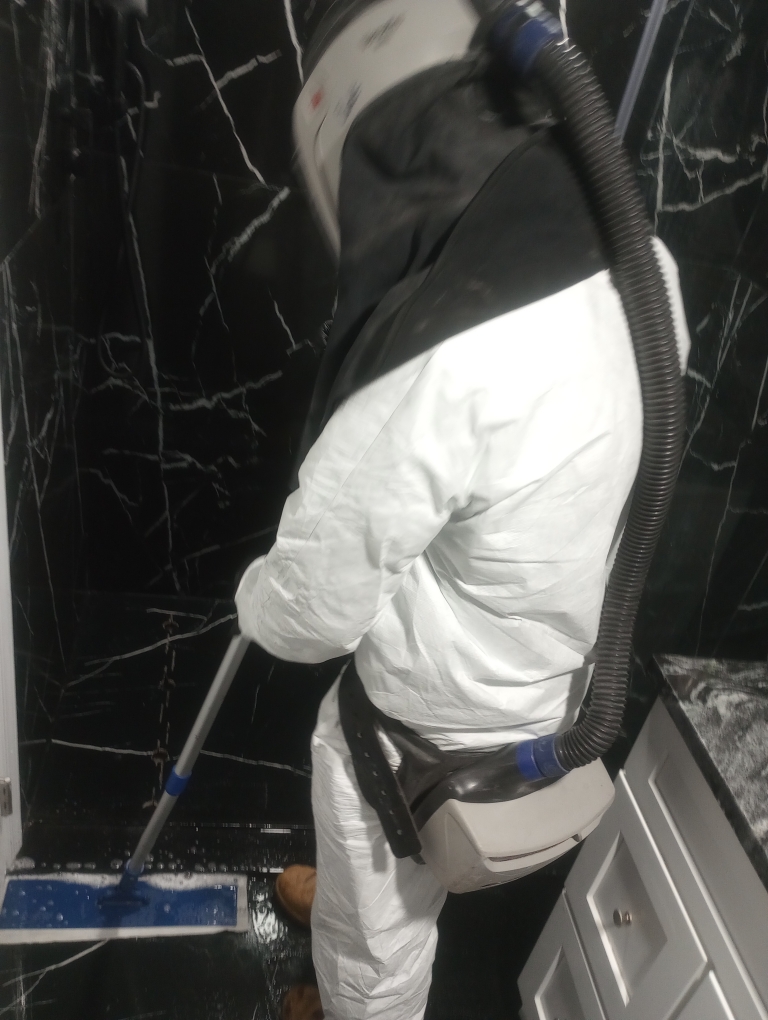
Yes, professional restoration methods neutralize smoke odors without demolition in most cases. The key is using technology that penetrates as deeply as the smoke particles themselves.
Thermal fogging releases a petroleum-based solution heated to form a dry fog with particle sizes similar to smoke. This fog penetrates the same spaces smoke reached, bonding with odor molecules and neutralizing them chemically. The process works because the deodorizer follows the exact path smoke took during the fire.
Ozone generators provide another powerful option for molecular odor elimination. Ozone (O3) is an unstable molecule that breaks apart and bonds with smoke particles, chemically altering them so they no longer produce odor. This treatment requires temporarily vacating your home but reaches everywhere air circulates, including inside wall cavities.
The Martinez Family’s Kitchen Fire Recovery
Sarah Martinez was preparing dinner when grease ignited in her Greenfield kitchen last fall. Though firefighters contained the blaze to one room, smoke spread throughout her 1,800-square-foot home. Insurance adjusters suggested repainting every room, a process that would take weeks and cost thousands.
Desperate to avoid displacement during her daughter’s senior year, Sarah contacted restoration professionals who assessed the damage. They determined the fire itself caused minimal structural harm, but smoke had penetrated walls, carpets, and her HVAC system.
The restoration team implemented a three-phase approach: thorough cleaning of all surfaces, hydroxyl generator treatment for 72 hours, and HVAC system decontamination. Within five days, Sarah’s home smelled fresh without a single wall being repainted. The experience taught her that smoke odor is a chemical problem requiring chemical solutions, not just cosmetic fixes.
How does hydroxyl technology work for smoke odor removal?
Hydroxyl generators create hydroxyl radicals, naturally occurring molecules found in Earth’s atmosphere when sunlight interacts with water vapor. Unlike ozone, hydroxyls are safe around people, pets, and plants, meaning you don’t need to leave during treatment.
These radicals aggressively seek out and break down volatile organic compounds (VOCs) that create smoke odor. The technology is particularly effective for fires involving plastics, synthetics, or chemical materials that produce complex odor compounds.
Treatment typically runs continuously for 3-7 days depending on fire severity. The generators work alongside air scrubbers that capture particulate matter, creating a dual-action approach to air quality restoration.
What should I do immediately after fire damage to prevent odor from setting?
Time is critical when dealing with smoke damage. The longer particles remain in contact with surfaces, the deeper they penetrate and the harder removal becomes.
First, increase ventilation by opening windows and using fans to create cross-flow air circulation. This prevents smoke from settling deeper into materials. However, don’t use your HVAC system yet as it may spread contamination throughout your home.
Remove soft goods like curtains, bedding, and removable upholstery for professional cleaning. These items absorb smoke readily and will continue releasing odors if not properly treated.
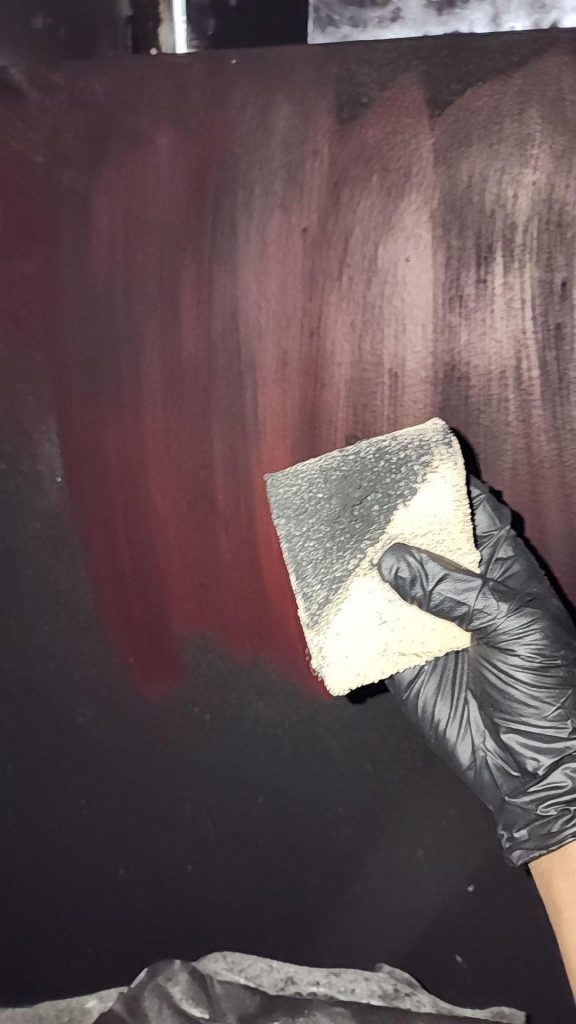
Wipe down hard surfaces with dry chemical sponges designed for soot removal. Unlike wet cleaning, these sponges lift particles without pushing them deeper or spreading them across surfaces. Work from top to bottom to prevent recontamination.
Can air purifiers eliminate smoke smell from walls?
Air purifiers help but cannot eliminate embedded odors alone. They filter particles currently in the air but don’t address molecules trapped within porous materials.
HEPA filters capture 99.97% of airborne particles down to 0.3 microns, including soot and ash. Activated carbon filters absorb gaseous odors and VOCs. Used together, these technologies significantly improve air quality during recovery.
For maximum effectiveness, place air purifiers in each affected room and run them continuously for several weeks. Change filters more frequently than normal as they’ll quickly become saturated with smoke particles.
However, air purifiers work best as part of a comprehensive strategy that includes surface cleaning and molecular odor neutralization. Think of them as maintenance tools rather than primary solutions.
How do I clean walls to remove smoke smell without painting?
Professional-grade cleaning uses a specific sequence to maximize odor removal without damaging surfaces.
Start with dry cleaning using chemical sponges to remove loose soot. These specialized sponges contain rubber polymers that attract and hold soot particles without smearing.
Next, apply a TSP (trisodium phosphate) solution or specialized smoke degreaser. Mix according to manufacturer directions and test in an inconspicuous area first. Work in small sections, using gentle circular motions with a sponge. Rinse thoroughly with clean water to prevent residue buildup.
For stubborn odors, apply an odor-sealing primer before deciding whether repainting is necessary. Products like Kilz or Zinsser BIN contain odor-blocking technology that encapsulates remaining particles. Many homeowners find this step eliminates the need for new paint entirely.
What if smoke smell persists in specific rooms?
Concentrated odors in particular areas often indicate hidden smoke penetration that surface cleaning missed.
Check inside closets, cabinets, and behind large furniture where smoke may have settled but cleaning was less thorough. Remove items and clean all interior surfaces, including shelving and walls.
Inspect air vents and returns in affected rooms. Smoke travels through ductwork and deposits on interior surfaces, creating persistent odor sources. Professional duct cleaning removes this contamination and prevents recirculation.
Examine baseboards, crown molding, and other trim work where gaps allow smoke to enter wall cavities. Sealing these openings with caulk prevents continued off-gassing from interior spaces.
Does the type of fire affect smoke odor removal difficulty?
Absolutely. Different materials produce distinct smoke characteristics that require tailored approaches.
Protein fires from cooking create greasy, sticky residues with particularly stubborn odors. These require enzymatic cleaners that break down organic compounds chemically.
Synthetic material fires from plastics, electronics, or modern furnishings produce chemical-laden smoke that’s especially toxic and odorous. These situations often require professional intervention with specialized neutralizers.
Wood fires create comparatively cleaner smoke with larger particles that respond well to standard cleaning and ozone treatment.
Understanding your fire type helps select appropriate restoration methods and set realistic expectations for odor removal timelines.
When should I call professionals instead of DIY smoke removal?
While minor smoke damage from small incidents may respond to diligent DIY efforts, several situations warrant professional assessment.
If smoke affected multiple rooms or traveled through your HVAC system, the contamination scale likely exceeds DIY capabilities. Professionals have equipment to test air quality, identify hidden contamination, and treat entire structures efficiently.
Health symptoms like persistent coughing, headaches, or respiratory irritation indicate harmful particulate levels that require professional remediation. Smoke contains carcinogens and toxic compounds that pose serious health risks.
When homeowner’s insurance covers fire damage, professional documentation and restoration often maximizes your claim value. Restoration companies work directly with insurance adjusters and understand documentation requirements.
If initial DIY attempts don’t produce noticeable improvement within a week, the smoke has likely penetrated beyond surface levels where household methods are effective.
How much does professional smoke odor removal cost compared to repainting?
Professional odor elimination typically costs 40-60% less than full interior repainting while delivering faster results.
Thermal fogging, hydroxyl treatment, and professional cleaning for an average 1,500-square-foot home runs between $1,500-$3,500 depending on damage severity. Treatment usually completes within 3-7 days.
Repainting the same home, including prep work, primer, and two coats of quality paint, costs $4,000-$8,000 and takes 2-3 weeks. This doesn’t address odors in flooring, furniture, or HVAC systems.
Insurance often covers professional restoration as part of fire damage claims, making it even more cost-effective. Always review your policy and document all damage thoroughly.
What equipment do professionals use that homeowners cannot access?
Restoration companies employ specialized technology designed specifically for disaster recovery.
Industrial ozone generators produce concentrations far exceeding consumer models, penetrating deeply into structural materials. These units require training to operate safely as high ozone levels are harmful to living things.
Thermal foggers heat deodorizing solutions to temperatures that create ultra-fine particles capable of matching smoke’s penetration pattern. Consumer foggers lack the heating capacity to produce effective particle sizes.
Hydroxyl generators used professionally produce radical concentrations that would be impractical for homeowner purchase given their cost ($3,000-$8,000 per unit) and specialized nature.
Air scrubbers with multi-stage filtration move thousands of cubic feet per minute, exchanging room air dozens of times per hour. This circulation speed dramatically accelerates odor removal.
Can I use vinegar or baking soda to remove smoke smell from walls?
These household items provide mild odor absorption but lack the chemical action needed for significant smoke damage.
Vinegar’s acetic acid can neutralize some alkaline odors and clean light soot, but it doesn’t penetrate porous materials or chemically alter embedded smoke particles. Bowls of vinegar may reduce airborne odors temporarily but won’t resolve structural contamination.
Baking soda absorbs odors through surface contact but requires direct exposure to odor sources. Sprinkling it on carpets before vacuuming helps, but it can’t reach smoke inside walls or ductwork.
For minor smoke exposure from a single candle or small cooking incident, these methods may suffice. For actual fire damage, they serve best as supplementary measures alongside professional treatment.
How long does it take for smoke smell to disappear after treatment?
Timeline varies based on fire severity, materials involved, and treatment methods used.
Professional thermal fogging or ozone treatment often eliminates detectable odors within 24-72 hours, though some residual smell may linger for another week as treated materials fully off-gas neutralized compounds.
Hydroxyl treatment typically runs 3-7 days with odor elimination noticeable within the first 48 hours. Complete resolution usually occurs within two weeks.
DIY cleaning combined with air purifiers and ventilation may take 4-8 weeks to achieve significant improvement for moderate damage. Severe damage may never fully resolve without professional intervention.
Patience is important as your nose may adapt to persistent odors, creating false confidence that the problem is solved. Have friends or family who haven’t been in the environment assess progress objectively.
What role does HVAC cleaning play in smoke odor removal?
Your heating and cooling system can be your biggest obstacle or greatest ally in odor elimination.
During a fire, smoke travels through return vents and contaminates ductwork, insulation, and mechanical components. Every time the system runs, it recirculates smoke particles and reintroduces odors to cleaned spaces.
Professional duct cleaning removes deposited soot and smoke residue throughout your ventilation system. The process includes cleaning supply and return ducts, registers, grilles, and the air handler unit itself.
Replacing your HVAC filter immediately after fire damage is essential, but use caution. Standard filters will quickly clog with smoke particles. Consider upgrading to HERC-rated filters designed for smoke particulate capture during the recovery period.
Some situations require replacing ductwork insulation if smoke penetration was severe. Professionals assess this during inspection and recommend only what’s truly necessary.
Are there health risks from lingering smoke smell in walls?
Yes, smoke odor indicates the presence of harmful compounds that pose health risks.
Particulate matter from smoke penetrates deep into lungs, causing respiratory irritation and potentially worsening asthma or COPD. Children and elderly family members face elevated risks.
Smoke contains carbon monoxide, formaldehyde, and hundreds of other toxic chemicals. While concentrations decrease after the fire, residual off-gassing from contaminated materials continues exposing occupants.
Polycyclic aromatic hydrocarbons (PAHs) in smoke residue are known carcinogens. Prolonged exposure to materials contaminated with these compounds increases cancer risk.
Beyond physical health, persistent smoke smell creates psychological stress and anxiety. The constant reminder of the traumatic event affects mental wellbeing and quality of life.
These risks underscore why proper remediation matters beyond just comfort and aesthetics.
How can I prevent smoke smell from returning after treatment?
Thorough initial treatment is the best prevention, but several maintenance steps help ensure odors stay gone.
Monitor humidity levels and maintain them between 30-50%. High humidity reactivates dormant smoke particles and intensifies odors. Use dehumidifiers if necessary, especially in basements.
Continue running air purifiers with activated carbon filters for several months after treatment. This captures any residual off-gassing from materials.
Deep clean or replace soft furnishings that may have absorbed smoke. Even after professional treatment, curtains, upholstery, and carpets can harbor particles that slowly release odors.
Seal any cracks or gaps in walls, particularly around electrical outlets, baseboards, and trim work. This prevents trapped smoke in wall cavities from migrating into living spaces.
Have your HVAC system serviced annually and replace filters quarterly or more frequently if you notice any odor return.
What should homeowners insurance cover for smoke odor removal?
Most homeowner’s policies cover fire damage remediation, including odor removal, but coverage details vary.
Standard policies typically cover professional cleaning, deodorization, and restoration necessary to return your home to pre-loss condition. This includes thermal fogging, ozone treatment, and HVAC cleaning.
Document everything meticulously. Photograph damage, save receipts, and maintain detailed records of all remediation efforts. This documentation supports your claim and prevents disputes.
Some policies require using approved vendors or obtaining multiple estimates. Check your policy requirements before hiring contractors to avoid claim complications.
Understand that policies usually cover returning your home to its previous state, not upgrading it. If your walls were previously painted with basic flat paint, the insurer likely won’t cover upgrading to premium paint as part of odor remediation.
Work with your insurance adjuster and restoration company together. Experienced restoration firms know how to document and present information in ways that maximize legitimate claims.
What questions should I ask restoration companies before hiring?
Selecting the right restoration partner significantly impacts your recovery experience and results.
Ask about certifications. Reputable companies hold IICRC (Institute of Inspection, Cleaning and Restoration Certification) credentials specific to fire and smoke restoration. Technicians should have training in odor control technology.
Inquire about their process. A quality company will explain their assessment methodology, treatment plan, and expected timeline clearly. Beware of vague answers or pressure to start immediately without proper evaluation.
Request references from recent fire restoration clients. Speaking with homeowners who experienced similar situations provides valuable insight into the company’s professionalism and effectiveness.
Understand their relationship with insurance companies. Experienced restoration firms work with insurers daily and can advocate for comprehensive coverage while handling documentation requirements.
Ask about guarantees. While no legitimate company can guarantee 100% odor elimination in all cases, they should stand behind their work and commit to addressing any persistent issues.
Clarify the timeline. Understand how long treatment takes, whether you need to vacate, and when you can expect full resolution.
Frequently Asked Questions
How quickly should I address smoke smell after fire damage?
Begin remediation within 24-48 hours if possible. Smoke particles bond more strongly to surfaces over time, making removal progressively more difficult. Immediate action prevents permanent staining and deep penetration that necessitates costly reconstruction.
Will smoke smell damage my health if I stay in the house during treatment?
Ozone treatment requires complete evacuation of people, pets, and plants. Hydroxyl treatment is safe for occupancy. Always follow your restoration company’s specific guidance based on the technologies they’re using.
Can I paint over smoke smell instead of removing it?
Paint traps odors temporarily but doesn’t eliminate them. As paint ages and develops micro-cracks, trapped particles escape and odors return. Additionally, smoke contamination continues off-gassing harmful chemicals regardless of cosmetic coverage.
Do candles or air fresheners help eliminate smoke smell?
These products mask odors temporarily but don’t remove smoke particles. In fact, adding synthetic fragrances to a smoke-contaminated environment can create unpleasant combined odors and doesn’t address health concerns from smoke residue.
How do I know if smoke reached inside my walls?
Persistent odors after thorough surface cleaning indicate internal contamination. Professionals use thermal imaging cameras to detect temperature variations that suggest smoke penetration paths. If smoke smell intensifies when heating or cooling systems run, it likely penetrated ductwork and wall cavities.
What’s the difference between soot and smoke damage?
Soot is visible black carbon residue deposited on surfaces. Smoke damage includes both visible soot and invisible gases and particles that penetrate materials. You can have significant smoke damage with minimal visible soot, particularly with smoldering fires.
Should I replace my carpet after fire damage?
Carpet replacement depends on fire proximity and smoke exposure duration. Professional cleaning with deodorization saves carpets in many cases. However, carpet directly exposed to flames, saturated with firefighting water, or showing permanent discoloration usually requires replacement.
Can I remove smoke smell from furniture without professional help?
Washable fabrics can be laundered with odor-eliminating detergents. Upholstered furniture benefits from enzyme cleaners designed for smoke odors. However, furniture near the fire source or with heavy smoke exposure often needs professional treatment or replacement as DIY methods cannot penetrate cushioning materials deeply enough.
Conclusion
Removing smoke smell after fire damage without repainting is not only possible but often the most effective and economical approach. Professional technologies like thermal fogging, ozone treatment, and hydroxyl generation address odors at the molecular level, penetrating as deeply as smoke itself.
The key is acting quickly and choosing methods that match your specific situation. While minor smoke exposure may respond to diligent DIY cleaning, significant fire damage benefits from professional assessment and treatment that addresses contamination in walls, HVAC systems, and structural materials.
For Greenfield residents recovering from fire damage, professional restoration combines advanced technology with insurance expertise to return homes to safe, odor-free conditions faster and more affordably than reconstruction approaches.
If you’re dealing with persistent smoke odor after fire damage in Greenfield or the Indianapolis area, don’t wait for the problem to worsen. Contact PuroClean Disaster Restoration at (317) 467-4436 for a professional assessment and customized treatment plan. Their certified technicians use proven odor elimination methods that restore your home’s air quality without the disruption and expense of repainting.
 PuroClean Disaster Restoration