 PuroClean Disaster Restoration
 Published by PuroClean Disaster Restoration | Serving Greenfield, Indianapolis, and Surrounding Areas
| Key Takeaways for Homeowners April rains in Greenfield and greater Indianapolis create ideal moisture conditions for rapid mold colonization inside homes.Mold growth can begin within 24 to 48 hours of water intrusion, making same-day response critical.IICRC S520-certified professionals use moisture mapping, HEPA filtration, and negative air pressure to safely remediate mold.Mycotoxin exposure can cause serious respiratory, neurological, and immune-related health effects.Delaying mold remediation often voids homeowner insurance claims and dramatically increases remediation costs.PuroClean Disaster Restoration is available 24/7. Call (317) 467-4436 for immediate help. |
Every April, the skies over Greenfield, Indiana and the broader Indianapolis metro region open up with sustained rainfall that homeowners eagerly welcome after long winter months. But behind those spring showers lies a hidden threat that can quietly consume your home’s structure, compromise your family’s health, and drain your savings. That threat is mold.
As IICRC S520 Standard for Professional Mold Remediation defines it, mold is a microbial growth that thrives wherever moisture, organic material, and warmth converge. When April rains drive water into your crawl space, basement, attic, or walls, the conditions for mold colonization become nearly perfect within 24 to 48 hours. Many homeowners in central Indiana’s older housing stock underestimate how quickly a small water intrusion becomes a major mold event.
Below are 10 costly consequences of ignoring mold growth after April rains. Each one represents a real financial and health risk that Indiana homeowners face every spring season.
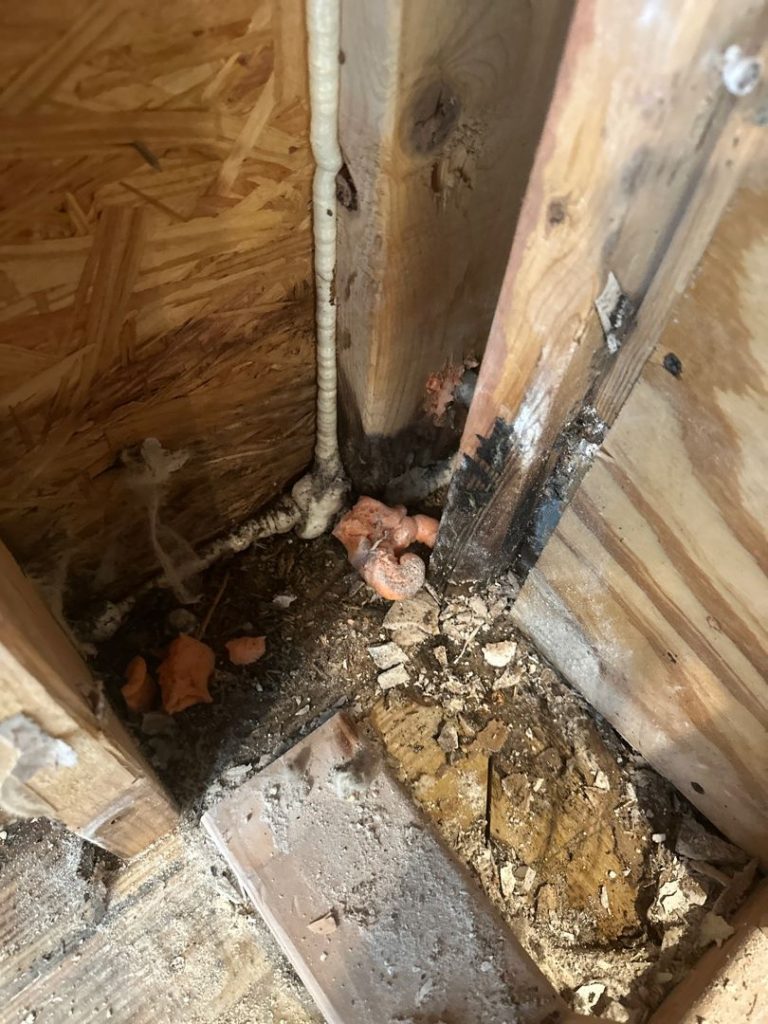
1. Structural Degradation of Load-Bearing Materials
Mold feeds on cellulose-rich materials including wood framing, drywall, and insulation. Left unchecked, fungal hyphae penetrate deep into structural lumber, breaking down tensile strength over weeks and months. In Greenfield and surrounding Hancock County communities, many homes built before 1980 feature wood-frame construction that is particularly vulnerable to moisture-driven fungal decay.
According to IICRC S500 standards for water damage restoration, Category 3 water intrusions that saturate structural materials require professional drying with psychrometrics-based drying systems and moisture mapping technology to prevent secondary mold damage. Without proper drying, the structural integrity of floor joists, wall studs, and roof decking can deteriorate within weeks.
2. Dangerous Mycotoxin Production
Certain mold species, including Stachybotrys chartarum (commonly called black mold), Aspergillus, and Penicillium, produce mycotoxins as metabolic byproducts. Mycotoxins are potent chemical compounds that can cause neurological damage, immunosuppression, and pulmonary hemorrhage in severe cases.
Indianapolis area air quality reports show that indoor mycotoxin exposure is a growing concern in homes with poor ventilation and moisture management. HEPA filtration during remediation is required under IICRC S520 to capture airborne mold spores and mycotoxin-carrying particulates, preventing cross-contamination to unaffected areas of the home.
3. Respiratory Health Emergencies
Mold spores released into indoor air trigger allergic reactions, asthma attacks, chronic sinusitis, and, in vulnerable individuals, hypersensitivity pneumonitis. For children, elderly residents, and immunocompromised individuals in Greenfield homes, prolonged mold exposure can escalate from irritating to life-threatening.
The Indiana State Department of Health recognizes indoor mold as a public health hazard, and Hancock County has seen an uptick in post-storm mold-related health complaints in recent years. If anyone in your household develops persistent coughing, eye irritation, or unexplained fatigue after April rains, mold inspection is strongly recommended.
4. Skyrocketing Remediation Costs
A small mold colony discovered early can often be contained and remediated for a few hundred dollars. The same colony left untreated for 30 to 90 days can require remediation costing $10,000 to $30,000 or more, especially when structural materials must be removed and replaced.
Professional mold remediation following IICRC S520 protocols involves containment with negative air pressure systems, HEPA air scrubbers, antimicrobial biocide application, and post-remediation verification testing. Every week of delay adds remediation scope and cost.
5. Plummeting Property Value
Indiana real estate disclosure laws require sellers to disclose known mold issues. A mold history, even a fully remediated one without supporting documentation, can reduce your home’s market value by 10% to 25% and make it difficult to secure financing from lenders. In competitive Indianapolis-area neighborhoods, a mold disclosure often kills deals entirely.
6. HVAC System Contamination
Once mold colonizes in a crawl space or basement, HVAC systems draw contaminated air through return ducts and distribute mold spores throughout every room in the home. This process, known as cross-contamination, turns a localized mold problem into a whole-home air quality crisis.
Psychrometrics-based analysis of airflow patterns within your home’s HVAC system is a key diagnostic step used by IICRC-certified technicians to identify contamination pathways and protect unaffected living spaces during remediation.
7. Loss of Personal Belongings
Mold does not limit its damage to walls and floors. Clothing, furniture, documents, photographs, and electronics stored in affected areas are often permanently destroyed by mold growth. Porous materials like upholstery and paper absorb mold spores deeply, making surface cleaning insufficient. IICRC protocols define content restoration as a distinct remediation phase, but extensive contamination often results in total loss of contents.
8. Insurance Claim Denial
Many homeowner insurance policies in Indiana include mold exclusions or strict timelines for reporting water damage. Failure to report water intrusion promptly after April storms is one of the most common reasons mold-related insurance claims are denied. Adjusters look for evidence of delayed reporting, and a rapidly spreading mold colony is often used as proof that the homeowner did not act within a reasonable timeframe.
Documenting moisture mapping results and initiating professional remediation quickly creates the paper trail insurance adjusters require for claim approval.
9. Legal Liability for Landlords
Rental property owners in Greenfield and Indianapolis face serious legal exposure when mold is discovered in tenant-occupied units. Indiana tenant rights laws allow renters to pursue rent withholding, lease termination, and civil damages when landlords fail to address mold within reasonable timeframes. A single mold-related lawsuit can cost far more than timely remediation.
10. Psychological and Quality-of-Life Impact
Living in a mold-affected home creates chronic stress, sleep disruption, and anxiety for families. The smell alone, described as musty, earthy, or ammonia-like, can make a home feel uninhabitable. Children’s academic performance and adults’ workplace productivity often decline measurably during prolonged mold exposure periods. This human cost is real, even if it does not appear on a damage invoice.
How PuroClean Disaster Restoration Responds to Mold After April Rains
PuroClean Disaster Restoration serves Greenfield, Indianapolis, and all surrounding Hancock County communities with IICRC S520-certified mold remediation. Our technicians respond rapidly after storm events to stop mold before it spreads. Here is our remediation process:
- Step 1: Emergency inspection and moisture mapping using thermal imaging and digital moisture meters to identify all affected areas
- Step 2: Containment setup using negative air pressure systems and 6-mil polyethylene barriers to prevent cross-contamination
- Step 3: Removal of mold-damaged materials following IICRC S520 remediation protocols
- Step 4: HEPA air scrubbing and antimicrobial biocide application to eliminate residual spores
- Step 5: Structural drying using psychrometrics-guided dehumidification
- Step 6: Post-remediation clearance testing by an independent industrial hygienist
- Step 7: Documentation package for insurance claims
| Is your Greenfield or Indianapolis home showing signs of mold after spring rains? Do not wait. Call PuroClean Disaster Restoration now at (317) 467-4436. We are available 24/7 and respond within 60 minutes for emergency mold assessments. |
Frequently Asked Questions About Spring Rain Mold in Greenfield and Indianapolis
Does home insurance cover mold caused by high humidity in Greenfield, Indianapolis?
It depends on the cause. Indiana homeowner insurance policies typically cover mold that results directly from a covered water loss, such as a burst pipe or storm-driven water intrusion. However, mold caused by gradual moisture buildup from high humidity alone is usually excluded as a maintenance issue. Reporting water damage promptly and initiating professional remediation creates documentation that supports coverage claims. PuroClean works directly with insurance adjusters to help clients navigate claims successfully.
How fast does mold grow after April rains in central Indiana?
Under IICRC S520 definitions, mold can begin colonizing on wet organic materials within 24 to 48 hours of water intrusion when temperatures are between 60 and 80 degrees Fahrenheit, which is typical of Indiana’s April climate. Visible mold growth often appears within 3 to 7 days. This is why same-day inspection and drying are critical after any water event.
What local building code factors affect mold risk in Greenfield homes?
Many older Greenfield homes predate Indiana’s 2004 residential building code updates that introduced improved moisture barriers in crawl spaces and basement construction standards. Homes without vapor barriers, proper crawl space encapsulation, or graded exterior drainage are disproportionately at risk for post-rain moisture intrusion. IICRC S500-guided moisture mapping during inspections identifies these vulnerabilities.
Is black mold always visible?
No. Stachybotrys and other toxic mold species commonly grow inside wall cavities, beneath flooring, and in HVAC ductwork where they are invisible without professional inspection. Air sampling and surface sampling by IICRC-certified inspectors using spore trap analysis can detect hidden mold before visible colonization occurs.
Can I remove mold myself?
For mold colonies under 10 square feet on non-porous surfaces, the EPA recommends that homeowners may attempt cleanup with appropriate PPE. However, any mold colony covering more than 10 square feet, mold in HVAC systems, or mold associated with structural materials requires professional IICRC S520-compliant remediation to ensure complete removal, prevent cross-contamination, and satisfy insurance documentation requirements.
| PuroClean Disaster Restoration | Greenfield and Indianapolis | Call Now: (317) 467-4436 | Available 24/7 | IICRC Certified Mold Remediation |

 PuroClean Disaster Restoration