 PuroClean Disaster Restoration
 Topic Summary:
Mold Risks After Summer Flooding: Why Summer Storms Increase the Risk of Mold in Indiana Homes” explores how Indiana’s warm, humid summers combined with sudden flooding create the perfect environment for mold growth. This guide explains the hidden dangers of mold, real-life risks faced by homeowners, health threats from exposure, and the importance of immediate professional mold remediation. Homeowners in Indiana will learn practical steps to prevent mold after storms, how to spot hidden mold early, and why PuroClean Disaster Restoration is the trusted solution for safe, thorough mold removal.
Table of Contents
Introduction
Summer storms in Indiana are not only notorious for causing immediate damage through heavy rain, wind, and flooding they also bring a silent invader: mold. For many homeowners, the real challenge starts after the floodwaters recede.
Mold growth after summer storms can compromise your health, weaken your home’s structure, and lead to expensive repairs. Understanding how summer storms create the perfect environment for mold and how to prevent it can save you from future headaches.

Let’s explore why Indiana homes are especially at risk, what to do about it, and a real-life story that illustrates the importance of acting quickly.
The Hidden Risk: Why Summer Storms Lead to Mold Infestations
Indiana’s warm, humid summers combined with sudden downpours create the ideal environment for mold growth. Here’s why:
- Floodwaters saturate carpets, drywall, and insulation.
- Humidity levels rise, especially indoors after a flood.
- Standing water and trapped moisture in hidden areas remain long after visible cleanup.
- Temperatures between 77°F – 86°F are ideal for mold spores to spread.
Even small leaks or condensation from minor flooding can cause mold growth within 24 to 48 hours if not properly addressed.
A Story on Mold Dangers That Hits Home
Meet Sarah, a homeowner in Greenfield, Indiana.
One sunny afternoon in July, heavy thunderstorms rolled through her neighborhood. The storm seemed ordinary, but by nightfall, the creek behind her home had overflowed into her basement.
“Luckily, it wasn’t too deep,” Sarah thought.
She mopped up the visible water, aired out the basement for a day, and went about her life. But within two weeks, her basement started to smell musty, and small black spots appeared on the walls.
After a professional inspection, she discovered hidden mold behind the drywall and beneath the carpet. Not only was her family’s health at risk, but the damage was severe enough to require thousands of dollars in remediation.
Sarah learned the hard way that quick action and professional help are essential after flooding.
Lesson?
Never underestimate mold after a summer flood. Even minor flooding can lead to major mold problems if not handled properly.

The Health Risks of Mold Growth in Your Home
Mold isn’t just an eyesore it’s a health hazard.
Common Health Problems Caused by Mold Exposure:
- Allergies (sneezing, coughing, itchy eyes)
- Respiratory issues (asthma attacks, wheezing)
- Headaches and fatigue
- Skin irritation
- In severe cases: chronic lung issues, especially for immune-compromised individuals
How to Prevent Mold Growth After a Flood in Indiana
Remove Standing Water Immediately:
Act fast to extract water using pumps or wet/dry vacuums.
Use Dehumidifiers and Fans:
Reduce indoor humidity to below 50% as quickly as possible.
Inspect Hidden Spaces:
Floods don’t just affect visible areas check behind drywall, under flooring, and inside HVAC ducts.
Disinfect Surfaces Thoroughly:
Use mold-killing solutions (like diluted bleach or EPA-approved cleaners) on affected surfaces.
Hire Professional Mold Remediation Experts:
DIY solutions only go so far. If moisture has seeped into walls or floors, professional restoration companies like PuroClean Disaster Restoration have the specialized equipment to detect hidden moisture and eliminate mold properly.
Why Indiana Homes Are More Vulnerable
- Humidity Levels: Indiana’s summer humidity creates an environment where moisture doesn’t evaporate quickly.
- Older Home Structures: Many Indiana homes have unfinished basements or older building materials that absorb water easily.
- Frequent Summer Flooding: Midwest storms bring flash floods, overflowing rivers, and sudden rainfall accumulations.
How PuroClean Disaster Restoration Can Help
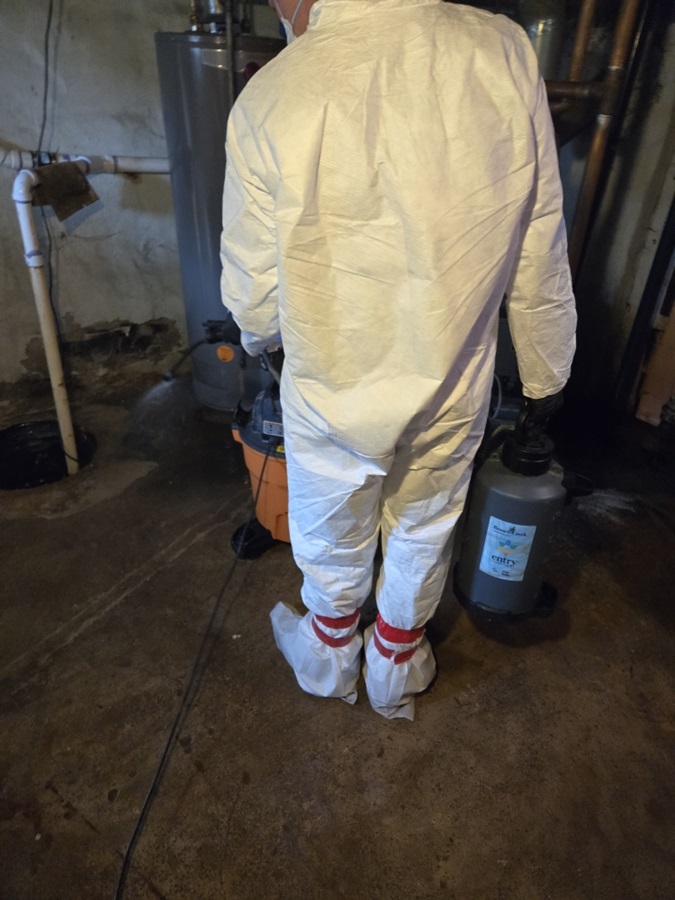
At PuroClean Disaster Restoration, we specialize in:
- Water Extraction & Drying
- Professional Mold Remediation
- Air Quality Testing & Improvement
- Insurance Claim Assistance
- Preventative Measures for Future Flooding
With state-of-the-art drying equipment, moisture detection technology, and certified restoration professionals, we ensure your home is restored safely, completely, and quickly.

For immediate assistance with Water damage restoration, contact PuroClean Disaster Restoration, Call (+1) 317-467-4436.
PuroClean Disaster Restoration has over 19 years of experience in the water damage restoration industry, with over 100 5 Star reviews on Google serving Indianapolis. Click on this link to see it’s online reviews and ratings.
Action Steps After Summer Flooding
- Call PuroClean Immediately: 24/7 emergency service.
- Do NOT delay inspection, even if water seems gone.
- Document damage for insurance.
- Start mitigation efforts early to prevent long-term mold problems.
Frequently Asked Questions (FAQs)
Q1: How long does it take for mold to grow after flooding?
A: Mold can start to grow within 24 to 48 hours after water exposure if conditions are right, especially during warm Indiana summers. Fast action is crucial to prevent widespread mold problems.
Q2: Can I remove mold myself after a flood?
A: For small, surface-level mold, homeowners can clean with approved disinfectants. However, if mold is behind walls, under carpets, or in HVAC systems, professional mold remediation is strongly recommended to ensure complete removal.
Q3: What are the signs of hidden mold in my home?
A: Common signs include:
- Musty smells
- Peeling paint or wallpaper
- Discoloration on walls or ceilings
- Increased allergy or respiratory symptoms in your household
Q4: Does insurance cover mold removal after a flood?
A: It depends on your policy. If mold results from sudden and accidental water damage, it may be covered. Always check with your insurance provider. PuroClean can assist you with documentation for claims.
Q5: What makes PuroClean Disaster Restoration the right choice?
A: We are locally trusted, offer 24/7 emergency response, work directly with your insurance, and have certified mold remediation experts using advanced equipment to fully restore your home.
Q6: How can I prevent mold in the future after flooding?
A: Regularly maintain gutters, install sump pumps, use dehumidifiers in basements, and schedule professional moisture inspections after any flooding.
Q7: What should I do first when my home floods after a storm?
A: Call PuroClean Disaster Restoration immediately. The faster the response, the lower the risk of mold spreading.
Q8: Can mold return after remediation?
A: If all moisture isn’t removed, mold can return. That’s why professional drying, moisture testing, and proper ventilation are essential. At PuroClean, we don’t just clean we prevent recurrence.
Conclusion: Protect Your Indiana Home from Hidden Mold After Summer Flooding
Don’t let a summer storm turn into a health crisis or financial burden. Mold risks after flooding are preventable with the right action and professional help. Trust PuroClean Disaster Restoration to restore your home and protect your family’s health.
Call us today for a free consultation or 24/7 emergency response.
 PuroClean Disaster Restoration