 PuroClean Disaster Restoration
 Executive Summary
Mold growth in your Greenfield can start small but quickly become a serious health and structural concern. This comprehensive guide helps homeowners understand when mold spray solutions are effective for DIY treatment and when professional intervention becomes necessary. You’ll learn to identify different mold scenarios, understand the limitations of store-bought sprays, recognize warning signs that require expert help, and discover the health risks associated with improper mold removal. Whether you’re dealing with minor bathroom mildew or extensive basement contamination, this article provides the knowledge to make informed decisions about protecting your home and family.
What Is Mold Spray and How Does It Actually Work?
Mold spray products contain antifungal chemicals designed to kill mold spores on contact and prevent regrowth. Most commercial mold sprays use active ingredients like bleach, hydrogen peroxide, or quaternary ammonium compounds that disrupt mold cell membranes and destroy the organism at a cellular level.
When you apply mold spray to a surface, the chemical penetrates the mold colony and kills visible growth. However, these products typically only address surface-level mold. They cannot reach mold growing inside walls, under flooring, or within porous materials like drywall and insulation.
The effectiveness of mold spray depends on several factors including the type of mold, the surface material, the extent of growth, and whether you’ve addressed the underlying moisture problem. Without eliminating the moisture source, mold will return regardless of how many times you spray.
When Can You Safely Use DIY Mold Spray at Home?
DIY mold spray works effectively for small, contained areas where mold growth is limited and recent. You can typically handle mold removal yourself when the affected area is less than 10 square feet, roughly the size of a standard door.
Appropriate situations for DIY mold spray include small patches on bathroom tiles, minor growth on window sills, surface mold on non-porous materials like glass or metal, and recent growth caused by a temporary moisture issue you’ve already fixed.
Before starting any DIY mold removal, ensure you have proper ventilation in the area. Open windows and doors to allow fresh air circulation. Wear protective equipment including gloves, safety goggles, and an N95 respirator mask to avoid inhaling mold spores.
Apply the mold spray according to manufacturer instructions, allowing it to sit for the recommended time before scrubbing and wiping clean. After removal, thoroughly dry the area to prevent immediate regrowth.
What Are the Real Limitations of Store-Bought Mold Sprays?
Store-bought mold sprays have significant limitations that many homeowners discover too late. These products only kill surface mold and cannot penetrate porous materials where mold colonies often establish deep root systems called hyphae.
Bleach-based sprays, while popular, are particularly limited. Bleach cannot penetrate porous surfaces like wood, drywall, or concrete. It kills surface mold but leaves the root structure intact, allowing mold to regrow quickly. Additionally, the water content in bleach solutions can actually feed mold growth below the surface.
Commercial mold sprays also cannot address the underlying cause of mold growth, which is always excess moisture. Without fixing leaks, improving ventilation, or addressing humidity issues, you’re only providing a temporary cosmetic fix.
Another critical limitation involves hidden mold. If you see mold growing on a wall surface, there’s often more extensive growth behind that wall that no spray can reach. Mold visible on drywall typically indicates a larger problem within the wall cavity.
How Do You Know If Your Mold Problem Requires Professional Help?
Several clear indicators signal that your mold situation has moved beyond DIY capability. Any mold growth covering more than 10 square feet requires professional remediation according to EPA guidelines.
Call professionals immediately if mold appears after sewage backup or flooding, as this involves contaminated water that poses serious health risks. Similarly, if mold grows on or near HVAC systems, professionals must handle removal to prevent spore distribution throughout your home.
Hidden mold behind walls, under flooring, or in crawl spaces requires professional assessment and remediation. Professionals use moisture meters, thermal imaging cameras, and air quality testing to identify the full extent of contamination that isn’t visible to homeowners.
If anyone in your household experiences persistent respiratory symptoms, allergic reactions, or health issues that improve when away from home, professional mold inspection is essential. Some mold species produce mycotoxins that cause serious health effects, and identification requires laboratory analysis.
Structural materials like drywall, insulation, and carpeting that have been wet for more than 48 hours typically require removal rather than cleaning. Professionals understand which materials can be salvaged and which must be replaced.
What Health Risks Come with Improper Mold Removal?
Attempting to remove mold improperly can create more problems than it solves. Disturbing mold colonies releases thousands of spores into the air, which can spread contamination to previously unaffected areas of your home.
Without proper containment, aggressive scrubbing or spraying sends spores airborne where they can travel through your HVAC system, land on furniture and clothing, and be inhaled by everyone in the household. This exposure can trigger allergic reactions, asthma attacks, respiratory infections, and other health complications.
Certain mold species, particularly Stachybotrys chartarum (black mold), produce mycotoxins that can cause severe health effects including chronic fatigue, cognitive difficulties, and immune system suppression. Disturbing these colonies without proper protective equipment and containment procedures puts your health at serious risk.
Professional remediators use negative air pressure systems, HEPA filtration, and containment barriers to prevent cross-contamination during removal. They also wear full protective suits and respirators designed for mold remediation, not just basic dust masks.
The cost of professional remediation may seem high, but it’s far less than potential medical bills or the expense of addressing mold that has spread throughout your home due to improper DIY attempts.
A Real Story: When a Small Problem Became a Big Expense
Jennifer and Mark bought their first home in Greenfield three years ago. Last spring, Jennifer noticed a small dark spot on the bathroom ceiling near the shower. It was barely the size of a quarter, so she bought mold spray from the hardware store and treated it herself.
The spot disappeared, and Jennifer felt proud of handling the problem. Two months later, the spot returned, slightly larger. She sprayed it again. This pattern continued through the summer, with the spot growing incrementally each time despite repeated treatments.
By September, Jennifer noticed a musty smell in the bathroom that wouldn’t go away. The ceiling spot had grown to the size of a dinner plate, and the drywall felt soft when she touched it. Concerned, they finally called PuroClean Disaster Restoration in Greenfield.
The inspection revealed extensive mold growth in the ceiling cavity and attic space above. A small roof leak near the bathroom vent had been slowly dripping water into the insulation for months. The visible ceiling spot was just a tiny indicator of a much larger problem.
The remediation required removing ceiling drywall, replacing contaminated insulation, treating structural wood, repairing the roof leak, and rebuilding the ceiling. The total cost exceeded $8,000. Mark later told the remediation team that if they had called professionals when they first noticed the spot, they could have addressed the roof leak immediately and avoided the extensive damage.
The lesson Jennifer and Mark learned applies to many homeowners: visible mold is often just the tip of the iceberg. What you see on the surface rarely tells the whole story. Their initial reluctance to spend money on professional inspection ended up costing them thousands more and months of stress.
What Should You Do Before Attempting DIY Mold Removal?
Before spraying any mold treatment, you must identify and fix the moisture source. Mold cannot grow without water, so removing moisture eliminates the growth environment. Check for leaky pipes, roof damage, poor ventilation, high humidity, condensation issues, and drainage problems.
Document the mold growth with photographs before treatment. These images provide important records for insurance claims and help you monitor whether the problem returns. Measure the affected area carefully to confirm it’s under 10 square feet.
Test the surface material. Mold spray works on non-porous surfaces like tile, glass, and metal but is ineffective on porous materials like drywall, wood, and fabric. If mold has penetrated porous materials, removal and replacement is typically necessary rather than treatment.
Gather proper safety equipment before starting. You need disposable gloves, eye protection, an N95 or higher respirator mask, and old clothes you can wash immediately afterward or discard. Never attempt mold removal without respiratory protection, even for small areas.
Isolate the work area by closing doors and covering vents with plastic sheeting to prevent spore spread. Plan to dispose of any rags, sponges, or materials used during cleaning immediately in sealed plastic bags.
Can Mold Come Back After Using Mold Spray?
Mold returns frequently after DIY spray treatment because the underlying conditions that caused initial growth remain unchanged. If you spray mold but don’t fix the leak, improve ventilation, or reduce humidity, new spores will colonize the same area within days or weeks.
Even when you address moisture issues, mold can return if the initial treatment didn’t kill all the spores or if you didn’t treat porous materials where mold penetrated below the surface. Mold growing inside drywall, for example, can appear killed on the surface while continuing to thrive internally.
Temperature and humidity levels throughout your home affect mold growth potential. Indianapolis area homes experience high humidity during summer months, creating ideal conditions for mold. Indoor humidity should stay below 50 percent year-round. Use dehumidifiers, improve ventilation, and run bathroom and kitchen exhaust fans to control moisture.
Regular inspection of previous mold locations helps catch regrowth early. Check these areas monthly, especially during humid seasons. If mold returns repeatedly in the same location despite your efforts, professional assessment is necessary to identify hidden moisture sources or contamination you cannot see.
What Does Professional Mold Remediation Actually Include?
Professional mold remediation follows established protocols that ensure complete removal and prevent cross-contamination. The process begins with a thorough inspection using specialized equipment to detect moisture levels, identify mold species, and map the full extent of contamination including hidden growth.
Professionals establish containment barriers using heavy plastic sheeting to isolate the work area from the rest of your home. They create negative air pressure using HEPA-filtered air scrubbers that prevent mold spores from escaping the containment zone during removal.
All porous materials with deep mold penetration get removed and disposed of properly. This may include drywall, insulation, carpeting, and ceiling tiles. Non-porous surfaces are cleaned with specialized antimicrobial treatments more effective than consumer products.
After physical removal, professionals treat affected areas with antimicrobial and antifungal solutions, then thoroughly dry all surfaces using commercial-grade dehumidifiers and air movers. They address the moisture source that caused the initial growth, whether through repairs, ventilation improvements, or moisture control recommendations.
The final step involves post-remediation testing to verify successful removal and ensure air quality has returned to normal levels. Reputable companies provide documentation of their work and may offer warranties on their remediation services.
How Much Does Professional Mold Remediation Cost Compared to DIY?
DIY mold spray costs between $10 and $30 per bottle, making it appear significantly cheaper than professional services. However, this comparison is misleading when you consider effectiveness and completeness.
A DIY approach that fails to address hidden mold or underlying moisture issues often leads to recurring problems and progressively worse contamination. Each treatment cycle costs money while the problem worsens. Eventually, professional remediation becomes necessary anyway, now addressing a larger and more expensive problem.
Professional mold remediation costs vary based on contamination extent, location accessibility, and materials requiring replacement. Small projects may cost $500 to $1,500, while extensive remediation can reach $10,000 or more. However, this investment includes inspection, containment, complete removal, source correction, prevention measures, and verification testing.
Homeowners insurance may cover mold remediation depending on your policy and the cause of mold growth. Mold resulting from covered events like burst pipes or storm damage is often covered, while mold from long-term neglect or maintenance issues may not be. Professional remediators can work directly with insurance companies and provide necessary documentation for claims.
The health costs of living with mold or improper removal are impossible to quantify but potentially severe. Chronic respiratory issues, allergic reactions, and other health problems from mold exposure can result in medical expenses far exceeding remediation costs.
What Questions Should You Ask Before Hiring a Mold Remediation Company?
Verify that any company you consider holds appropriate licensing and certifications. Ask about IICRC (Institute of Inspection, Cleaning and Restoration Certification) credentials, which indicate professional training in mold remediation standards. Indiana requires contractors to be licensed for construction work, so confirm the company’s license status.
Request detailed information about their inspection process. Reputable companies conduct thorough assessments before providing quotes, using moisture meters and often thermal imaging to detect hidden problems. Be wary of companies that quote prices over the phone without inspecting your property.
Ask how they contain the work area and prevent cross-contamination. Professional protocols require physical barriers and negative air pressure systems. Companies that skip containment steps put your entire home at risk of spore spread.
Inquire about their process for addressing the moisture source that caused mold growth. Removal without fixing the underlying problem guarantees mold will return. The company should identify and correct moisture issues as part of their service.
Request references from recent clients and check online reviews. Ask how they verify complete removal and what post-remediation testing they provide. Get detailed written estimates that itemize services, materials, and timeline. Compare at least three quotes before making your decision.
When Should You Call PuroClean Disaster Restoration in Greenfield?
Contact PuroClean Disaster Restoration immediately if you discover mold growth larger than 10 square feet, find mold after any flooding or water damage event, or smell persistent musty odors even without visible mold. These situations indicate problems beyond DIY capability.
Call professionals if mold appears near or within your HVAC system, as this can spread contamination throughout your entire home. Any mold growth on structural materials like wall studs, floor joists, or roof decking requires professional assessment and remediation.
If you’ve attempted DIY removal but mold keeps returning to the same location, professional inspection is necessary to identify hidden moisture sources or contamination you cannot reach. Recurring mold indicates an underlying problem that spray treatments cannot solve.
Health symptoms that worsen at home or improve when away suggest mold exposure. Respiratory issues, persistent coughing, eye irritation, skin rashes, or headaches that correlate with time spent in your home warrant immediate professional mold inspection.
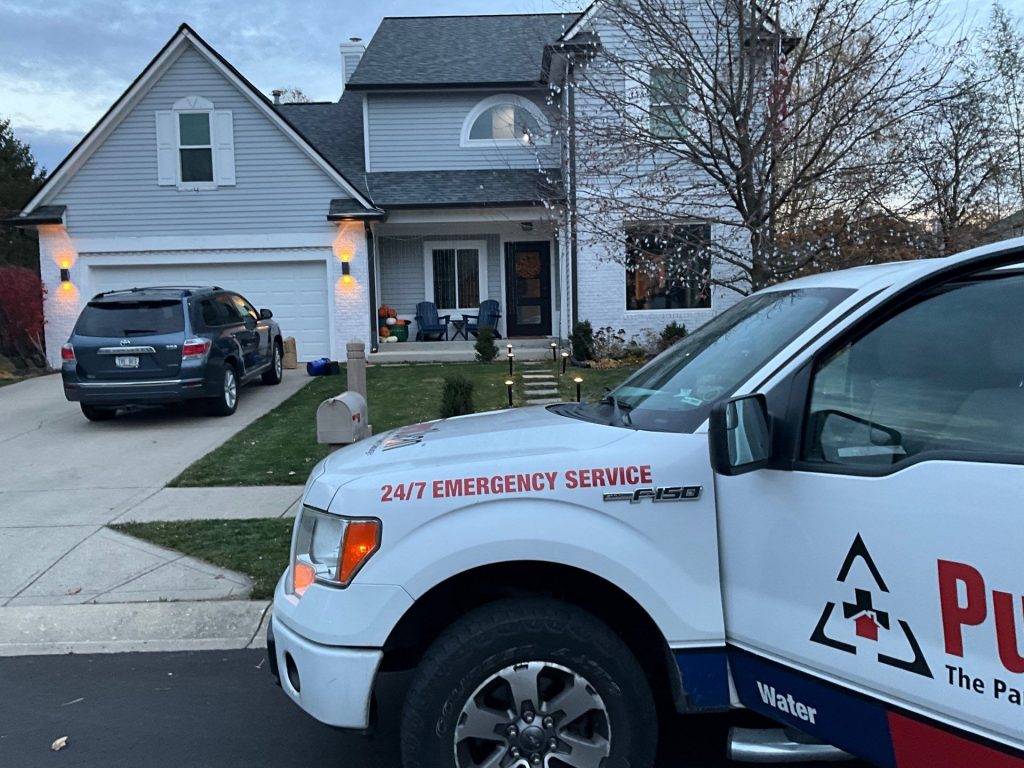
For Greenfield residents and homeowners throughout Indianapolis, PuroClean Disaster Restoration provides 24/7 emergency response for mold concerns. Their certified technicians use advanced detection equipment and follow IICRC standards to ensure complete, safe remediation.
Don’t let small mold problems become major disasters. If you’re uncertain whether your situation requires professional help, call (317) 467-4436 for a consultation. Early intervention saves money, protects your health, and preserves your home’s value.
Frequently Asked Questions
How quickly can mold grow after water damage?
Mold can begin growing within 24 to 48 hours after materials become wet. This rapid colonization is why immediate water extraction and drying are critical after any flooding, leak, or water damage event. The longer materials remain wet, the more extensive mold growth becomes.
Is black mold more dangerous than other types of mold?
While Stachybotrys chartarum (commonly called black mold) can produce harmful mycotoxins, all mold growth in your home poses potential health risks. You cannot identify mold species by color alone. Any significant mold growth requires proper removal regardless of color or species.
Can I paint over mold to seal it?
Never paint over mold. Paint does not kill mold or prevent growth. Mold will continue growing under the paint, eventually causing the paint to peel and bubble. You must remove mold completely and fix moisture issues before painting any surface.
How long does professional mold remediation take?
Small remediation projects may take one to three days, while extensive contamination can require a week or more. Timeline depends on contamination extent, materials requiring removal and replacement, and drying time needed after remediation.
Will homeowners insurance cover mold remediation costs?
Coverage depends on your specific policy and the cause of mold growth. Mold resulting from sudden, covered events like burst pipes is often covered. Mold from long-term leaks, poor maintenance, or flooding may not be covered. Review your policy and contact your insurance company for specifics.
Can I stay in my home during mold remediation?
This depends on the extent of remediation and your family’s health status. Small, contained projects may allow you to remain in unaffected areas. Extensive remediation, especially if involving common areas or HVAC systems, often requires temporary relocation. Individuals with respiratory conditions, weakened immune systems, or mold allergies should avoid exposure during remediation.
Conclusion
Mold spray solutions offer convenient treatment for minor, surface-level mold on non-porous materials when you’ve already addressed the underlying moisture problem. These products work effectively for small bathroom patches, recent growth on hard surfaces, and contained areas under 10 square feet.
However, most homeowners underestimate mold problems because they only see surface indicators of more extensive hidden growth. What appears to be a small issue often signals larger contamination within walls, ceilings, or other concealed spaces. Store-bought sprays cannot address these hidden problems, and improper DIY removal can spread contamination throughout your home while putting your health at risk.
Professional remediation becomes necessary when mold covers more than 10 square feet, appears after flooding or sewage backup, grows on or near HVAC systems, affects porous materials like drywall and insulation, keeps returning despite treatment, or causes health symptoms in household members. Professionals have the training, equipment, and experience to safely remove all contamination, address moisture sources, and prevent recurrence.
The real story of Jennifer and Mark demonstrates the costly consequences of delaying professional intervention. Their attempt to save money with repeated DIY treatments allowed a minor roof leak to cause extensive damage requiring major remediation. Their experience teaches an important lesson: visible mold deserves immediate professional assessment, especially when it persists or returns after treatment.
Your health and home are too valuable to risk on inadequate solutions. If you’re facing mold concerns in Greenfield or anywhere in the Indianapolis area, contact PuroClean Disaster Restoration at (317) 467-4436. Their certified team provides thorough inspections, complete remediation, and the peace of mind that comes from knowing your home is truly safe and healthy.
 PuroClean Disaster Restoration