 PuroClean Disaster Restoration
 Executive Summary: This article explores the often-overlooked connection between mold exposure and psoriasis flare-ups in Greenfield, Indianapolis homes. Research shows that mycotoxins from household mold can trigger inflammatory responses that worsen psoriatic skin conditions. Readers will learn how to identify hidden mold sources, understand the biological link between fungal exposure and autoimmune skin reactions, and discover when professional remediation becomes necessary. If you’re experiencing unexplained psoriasis worsening in your Greenfield home, mold contamination could be the hidden culprit affecting your health.
Living in Greenfield, Indianapolis means dealing with Indiana’s humidity, seasonal temperature swings, and the occasional basement moisture problem. What many residents don’t realize is that the mold growing silently in their walls, under their carpets, or around their bathroom fixtures could be making their psoriasis significantly worse.
What Exactly is the Connection Between Mold and Psoriasis?
Psoriasis is an autoimmune condition where your immune system mistakenly attacks healthy skin cells, causing rapid cell turnover that results in thick, scaly patches. When you’re exposed to mold spores and mycotoxins (toxic compounds produced by certain mold species), your immune system goes into overdrive. This heightened immune response can trigger psoriasis flares or make existing symptoms more severe.
The relationship works through inflammation. Mold exposure causes your body to release inflammatory cytokines, the same chemical messengers that drive psoriatic skin lesions. For someone already dealing with psoriasis, this additional inflammatory burden can push their condition from manageable to severe.
Can Mold Actually Cause Psoriasis or Just Make it Worse?
While mold exposure doesn’t directly cause psoriasis in people without genetic predisposition, it serves as a powerful environmental trigger. If you have the genetic markers for psoriasis but haven’t experienced symptoms, prolonged mold exposure could be the environmental factor that activates your condition.
For those already diagnosed with psoriasis, mold acts as an aggravating factor. Studies have shown that people living in mold-contaminated environments experience more frequent flares, larger affected skin areas, and reduced effectiveness from their usual treatments.
How Do I Know if Mold in My Greenfield Home is Affecting My Skin?
Several warning signs suggest your psoriasis worsening might be mold-related:
Your symptoms improve when you’re away from home for extended periods. If your psoriasis calms down during vacations or work trips but flares when you return to your Greenfield residence, environmental factors in your home deserve investigation.
You notice a musty smell in certain rooms. This odor indicates active mold growth, even if you can’t see visible colonies. Basements, bathrooms, and areas around windows are common culprit zones in Greenfield homes.
You’ve had water damage or leaks recently. Even minor plumbing issues or roof leaks can create perfect conditions for mold growth within 24 to 48 hours.
Other family members are experiencing respiratory issues, allergies, or unexplained health problems. Mold affects different people in different ways, but rarely impacts just one person in a household.
Your psoriasis medications seem less effective than they used to be. When your body is constantly fighting mold-triggered inflammation, your usual treatments may struggle to keep up.
Where Does Mold Typically Hide in Greenfield Area Homes?
Greenfield’s climate creates specific risk areas. The humid summers combined with older housing stock in many neighborhoods means certain spots become mold magnets.
Basements top the list. Many Greenfield homes have partially finished basements that experience moisture intrusion during heavy rains. Even if you don’t see standing water, elevated humidity levels allow mold to flourish behind walls and under carpeting.
Bathroom exhaust systems often fail to remove enough moisture. When warm shower steam condenses on cool surfaces, mold finds perfect growing conditions around tubs, under sinks, and in ceiling corners.
HVAC systems can distribute mold spores throughout your entire home. If moisture accumulates in ductwork or around air conditioning coils, mold grows undetected and gets blown into every room each time your system runs.
Window frames and sills collect condensation during temperature transitions. Greenfield’s spring and fall weather patterns create ideal conditions for condensation mold, especially on older windows.
Attics with inadequate ventilation trap moisture and heat. Roof leaks that go unnoticed for weeks or months create extensive mold colonies in insulation and on wooden structural elements.
What Should I Do if I Suspect Mold is Triggering My Psoriasis?
Start with a thorough home inspection. Walk through your Greenfield property looking for visible mold, water stains, peeling paint, or warped materials. Check behind and under furniture in rooms with exterior walls.
Address any active water problems immediately. Fix leaky pipes, repair damaged roofing, and ensure proper drainage around your foundation. Without eliminating moisture sources, mold will return even after remediation.
Improve ventilation throughout your home. Run bathroom exhaust fans during showers and for 20 minutes afterward. Use dehumidifiers in basements to keep humidity below 50 percent. Open windows during mild weather to promote air exchange.

Consider professional mold testing when you can’t locate the source but suspect contamination. Professional inspectors use moisture meters, thermal imaging, and air quality testing to find hidden mold colonies.
A real story from a Greenfield resident
Sarah, a 42-year-old teacher living near Greenfield’s historic downtown, had managed her psoriasis successfully for years with topical treatments and careful lifestyle management. Over an eight-month period, her condition deteriorated dramatically. The patches on her elbows and knees expanded, new lesions appeared on her scalp, and the itching became nearly unbearable.
Her dermatologist adjusted medications multiple times without improvement. Frustrated, Sarah started keeping a detailed symptom journal and noticed something curious. During a two-week summer visit to her sister’s home in Michigan, her skin improved noticeably. Within three days of returning to Greenfield, the severe itching resumed.
This pattern prompted Sarah to investigate her home environment. She couldn’t see obvious mold, but remembered that her basement had flooded slightly during heavy spring rains months earlier. She’d cleaned up the visible water but hadn’t thought much about it afterward.
When she pulled back the basement carpet, she discovered extensive mold growth on the padding and subfloor underneath. The musty smell she’d attributed to “old basement odor” was actually active mold colonization.
After professional remediation removed the contaminated materials and treated the affected areas, Sarah’s psoriasis gradually returned to its previous manageable state over the following six weeks. The experience taught her that environmental factors in her home could have profound impacts on her autoimmune condition.
When should I call professionals instead of handling mold myself?
DIY mold cleaning works for small surface areas under 10 square feet. If you’re dealing with a small patch of mold on bathroom tile or around a window frame, you can typically handle it with proper protective equipment and appropriate cleaning solutions.
Professional remediation becomes necessary when:
Mold covers areas larger than 10 square feet or appears in multiple locations throughout your home.
You find mold inside walls, in HVAC systems, or in other hidden structural areas.
The contamination resulted from sewage backup or significantly contaminated water.
Anyone in your household has respiratory conditions, compromised immune systems, or severe mold allergies.
You’ve cleaned the same area multiple times but mold keeps returning, indicating an underlying moisture problem you haven’t addressed.
Does homeowner’s insurance cover mold remediation in Greenfield?
Coverage varies significantly based on your specific policy and the mold’s cause. Insurance typically covers mold remediation if it resulted from a covered peril like a burst pipe or storm damage, provided you reported the problem promptly and took reasonable steps to prevent mold growth.
Most policies exclude mold that developed due to long-term maintenance neglect, chronic leaks you failed to repair, or flooding (which requires separate flood insurance). Review your policy carefully and document everything if you’re filing a claim.
What happens during professional mold remediation?
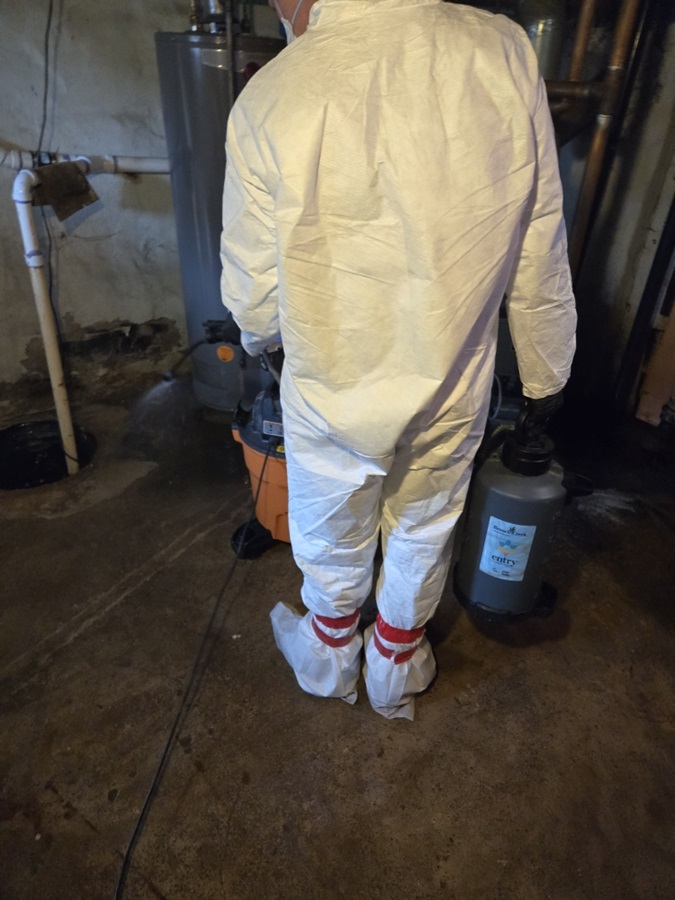
Professional remediation follows established protocols to protect your health and prevent cross-contamination. Technicians first contain the affected area using plastic sheeting and negative air pressure to prevent spores from spreading during the removal process.
They remove contaminated materials that can’t be effectively cleaned, including drywall, insulation, carpeting, and significantly damaged wood. Salvageable materials get treated with antimicrobial solutions.
Air scrubbers with HEPA filters run continuously during the process to capture airborne spores. After removing contaminated materials, technicians treat all surfaces in the work area and verify successful remediation through testing.
The final step involves addressing the moisture source that allowed mold growth initially. Without fixing the underlying problem, you’ll face recurring contamination.
How long does it take for psoriasis to improve after mold remediation?
Response times vary based on contamination severity and individual health factors. Some people notice improvement within days of removing mold exposure, while others require several weeks or months for their immune systems to calm down and their skin to heal.
Your psoriasis won’t necessarily disappear completely after remediation, since it’s a chronic condition with multiple triggers. However, removing mold as an environmental aggravator should reduce flare frequency and severity, making your condition easier to manage with standard treatments.
Continue working with your dermatologist throughout the process. They can adjust medications as needed and help you identify other potential triggers once the mold factor is eliminated.
What can I do to prevent mold growth in my Greenfield home?
Prevention requires managing moisture, the essential ingredient for mold growth. Keep indoor humidity between 30 and 50 percent using dehumidifiers in damp areas. Monitor humidity levels with inexpensive hygrometers available at hardware stores.
Ensure proper ventilation in bathrooms, kitchens, and laundry areas. Vent all moisture-producing appliances to the outside rather than into attics or crawl spaces.
Inspect your home regularly for signs of water intrusion. Check around windows, in basements, under sinks, and around water heaters. Address small problems before they become major mold issues.
Clean and maintain gutters to direct water away from your foundation. Ensure proper grading around your home so water flows away from rather than toward your foundation walls.
During Greenfield’s humid summer months, run your air conditioning consistently rather than allowing your home to heat up during the day. Consistent temperature control prevents the condensation that leads to mold growth.
Are certain types of mold worse for psoriasis than others?
While all mold types can trigger inflammatory responses, some species produce more potent mycotoxins. Black mold (Stachybotrys chartarum) generates particularly problematic toxins that cause severe immune system reactions.

However, don’t assume non-black mold is safe. Aspergillus, Penicillium, and Cladosporium species commonly found in homes can all trigger psoriasis flares through inflammatory pathways.
The total mold burden matters more than the specific species. Heavy contamination with any mold type creates sufficient inflammatory pressure to worsen psoriasis.
Can air purifiers help reduce mold-related psoriasis triggers?
Quality HEPA air purifiers capture mold spores circulating in your indoor air, reducing your exposure between breaths. They work best as supplementary protection rather than primary remediation.
Air purifiers don’t eliminate mold colonies growing in your home. They only capture airborne spores that have already been released. Think of them as helpful tools for reducing exposure while you address the source problem.
For maximum benefit, choose purifiers sized appropriately for your room dimensions and run them continuously. Place them in bedrooms where you spend significant time and in areas where you’ve had previous mold problems.
Frequently Asked Questions
Can mold exposure cause psoriasis in someone who’s never had it before?
Mold exposure alone doesn’t cause psoriasis in people without genetic predisposition, but it can trigger the first symptoms in genetically susceptible individuals. If psoriasis runs in your family and you’ve been asymptomatic, mold exposure could be the environmental factor that activates your condition.
How quickly can mold grow after water damage in Greenfield homes?
Mold begins growing within 24 to 48 hours after materials become wet. Greenfield’s humidity accelerates this timeline during summer months. This rapid growth explains why addressing water damage immediately is so critical for prevention.
Will cleaning visible mold solve my psoriasis problems?
Cleaning visible mold helps, but if you’re still experiencing symptoms, hidden mold likely exists elsewhere in your home. Surface mold you can see often indicates more extensive contamination behind walls or in other concealed areas.
Do I need to move out during mold remediation?
For extensive remediation involving multiple rooms or toxic mold species, temporary relocation is often recommended, especially for people with psoriasis or other immune system conditions. Small, contained jobs may allow you to stay in unaffected areas of your home.
How much does professional mold remediation typically cost in the Greenfield area?
Costs vary based on contamination extent, ranging from a few hundred dollars for small bathroom jobs to several thousand for whole-house remediation. Most Greenfield remediation companies offer free inspections and estimates before beginning work.
Can my dermatologist test whether mold is triggering my psoriasis?
Standard dermatology testing doesn’t identify mold exposure as a psoriasis trigger. Diagnosis relies on correlating symptom patterns with environmental investigation. Some environmental medicine specialists offer mycotoxin testing, though these tests remain somewhat controversial in mainstream medicine.
Is it safe to stay in my Greenfield home if I’ve found mold?
Small amounts of surface mold don’t require evacuation, but extensive contamination or toxic mold species warrant temporary relocation, particularly for people with psoriasis, asthma, or immune system disorders. Professional inspectors can assess severity and provide guidance.
Conclusion
The connection between mold exposure and psoriasis represents a hidden health challenge for many Greenfield residents. Your worsening skin condition might not be just about your autoimmune system or treatment effectiveness. Environmental factors in your home could be creating a constant inflammatory burden that makes your psoriasis impossible to control.
Indiana’s climate creates perfect conditions for household mold growth. When you combine humid summers, temperature fluctuations, and the older housing stock common in Greenfield neighborhoods, you have a recipe for mold problems that many homeowners don’t discover until they’ve caused significant health impacts.
If you’ve noticed your psoriasis worsening without clear explanation, if you’ve seen water damage or smelled musty odors in your home, or if your symptoms improve when you’re away from home, mold contamination deserves serious investigation. The inflammatory burden from chronic mold exposure can undermine even the most effective psoriasis treatments.
Taking action starts with awareness. Walk through your Greenfield home looking for signs of moisture problems and mold growth. Address any water issues immediately. Improve ventilation and control humidity levels. For contamination beyond small surface areas, professional remediation protects your health and prevents recurring problems.
Your skin health is too important to ignore environmental factors that could be making your condition worse. Whether you’re dealing with visible mold or suspect hidden contamination, professional assessment and remediation can remove this powerful psoriasis trigger from your daily life.
If you’re a Greenfield resident struggling with unexplained psoriasis worsening and suspect mold might be affecting your home and health, don’t wait for the problem to worsen. Contact PuroClean Disaster Restoration at (317) 467-4436 for a professional assessment. Their experienced team understands the unique challenges Greenfield homeowners face and can help you create a healthier living environment that supports rather than undermines your skin health.
 PuroClean Disaster Restoration