


Table of Contents
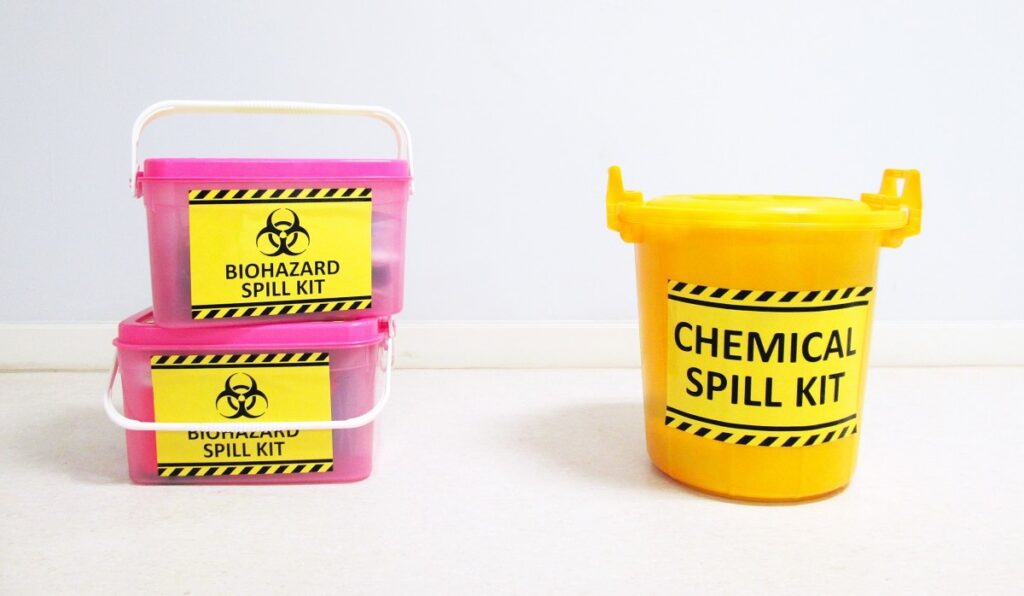
When an accident or spill occurs, the difference between a safe cleanup and a serious hazard often comes down to one thing — using the right tools. A biohazard cleanup kit is designed to handle biological materials such as blood, vomit, or other bodily fluids, while a chemical spill kit targets corrosive or toxic substances.
Understanding the differences helps homeowners, schools, and businesses across Lanham, MD, maintain safe, compliant environments and respond confidently in an emergency. If the spill is too large or hazardous to manage, the certified professionals at PuroClean Restoration Services of Lanham, MD are ready 24/7 to restore your property safely.
What Is a Biohazard Cleanup Kit?
A biohazard cleanup kit contains all the materials needed to safely clean and disinfect areas contaminated with potentially infectious substances — such as blood, saliva, vomit, or urine. These spills can happen anywhere: in healthcare facilities, at schools, in offices, or even in residential homes after an injury or illness.
What’s Inside a Biohazard Cleanup Kit?
Each biohazard kit includes carefully selected tools to ensure both safety and efficiency during cleanup:
- Personal Protective Equipment (PPE): These include disposable gloves, masks, goggles, face shields, and gowns. PPE acts as the first line of defense, protecting the cleaner from exposure to bacteria and viruses such as HIV, Hepatitis B, or Influenza. In a Lanham healthcare setting, PPE use is mandatory under OSHA’s Bloodborne Pathogens Standard.
- Absorbent Powders or Pads: These materials solidify liquid biological waste, making it easier to pick up and dispose of. For example, an absorbent powder sprinkled over a pool of blood in a medical office will quickly gel the liquid for safe removal.
- EPA-Approved Disinfectants: These kill harmful microorganisms on contact. Disinfectants in biohazard kits often contain quaternary ammonium compounds or hydrogen peroxide blends, effective against a broad spectrum of pathogens.
- Biohazard Waste Bags: Clearly marked red bags ensure all contaminated materials are isolated from regular trash. They must be sealed, labeled, and disposed of through certified medical waste programs in Maryland.
- Cleaning Towels and Scrapers: These help remove residue and ensure that surfaces are left completely sanitized after disinfection.
By following the enclosed step-by-step cleanup guide, users can handle minor incidents safely while waiting for professional assistance if needed.
Step-by-Step: How to Use a Biohazard Cleanup Kit
- Assess the Scene: Identify the type and size of the spill. Make sure the area is safe, and restrict access to prevent cross-contamination.
- Wear Protective Gear: Put on gloves, a mask, goggles, and a gown. Never begin cleanup without full PPE.
- Contain and Absorb: Apply absorbent powder to the spill, let it solidify, and carefully use towels or scrapers to remove the material.
- Disinfect Thoroughly: Apply an EPA-registered disinfectant to the contaminated surface and let it sit for the recommended contact time to kill all pathogens.
- Dispose of Contaminated Materials: Place everything—PPE, absorbents, and waste—into a red biohazard bag, seal it, and label it for regulated disposal.
- Clean and Reinspect: After removal, wipe down the area again to ensure it’s fully sanitized and safe for normal use.
What Is a Chemical Spill Kit?
A chemical spill kit is designed for cleaning up and neutralizing hazardous chemical spills. These kits are commonly used in laboratories, manufacturing plants, and schools where chemicals are stored or handled.
Unlike biohazard kits that focus on pathogens, chemical spill kits prevent chemical burns, corrosion, or toxic exposure that can occur if certain substances react with air or moisture.
Typical Components of a Chemical Spill Kit
- Neutralizing Agents: These counteract acids, bases, or solvents. For instance, acid neutralizers may include sodium bicarbonate, while alkali neutralizers often use citric acid. Quick neutralization reduces the risk of harmful reactions or vapors.
- Absorbent Socks and Pads: Designed to contain and absorb liquid chemicals, these materials prevent a spill from spreading. In a lab near Lanham, a technician might use absorbent socks to circle a solvent spill, keeping it contained until cleanup is complete.
- Chemical-Resistant PPE: Gloves, aprons, and face shields made from nitrile or neoprene resist corrosion from strong acids and bases. This specialized gear prevents burns and skin irritation during cleanup.
- Disposal Containers and Labels: Used materials and contaminated absorbents are sealed in chemical-resistant bags or drums and labeled for proper hazardous waste disposal, in compliance with EPA and Maryland Department of the Environment regulations.
- Instruction Sheet: Every kit includes clear directions for responding to different chemical types safely, making it easier for employees to act fast and correctly.
Biohazard Cleanup Kit vs. Chemical Spill Kit: The Key Differences
Although they may appear similar at first glance, a biohazard cleanup kit and a chemical spill kit are designed for very different types of emergencies. Understanding these differences helps ensure that cleanup is handled safely, efficiently, and in full compliance with health and safety standards.
1. Type of Hazard
A biohazard cleanup kit is used for organic materials that contain or may contain infectious pathogens—such as blood, vomit, or other bodily fluids. These materials can carry viruses and bacteria that pose a direct risk to human health.
In contrast, chemical spill kits are made for inorganic substances like acids, solvents, and cleaning agents that may cause burns, corrosion, or toxic vapor release. While biohazards threaten through infection, chemicals pose risks through contact, inhalation, or reaction with other materials.
2. Protective Gear
Protection is key in both cases, but the type of PPE (personal protective equipment) varies. Biohazard cleanup kits focus on infection control with disposable gloves, masks, face shields, and gowns to prevent contact with bodily fluids. These items are designed for one-time use and immediate disposal after cleanup. Chemical spill kits, however, prioritize chemical resistance.
They include thicker, often reusable gloves, aprons, and goggles made from materials like nitrile or neoprene, capable of withstanding corrosive substances and protecting against fumes or splashes.
3. Neutralization vs. Disinfection
The cleanup process differs fundamentally between biological and chemical hazards. Biohazard kits rely on disinfectants—EPA-approved solutions that kill microorganisms on contact, preventing the spread of infection.
Chemical kits, on the other hand, contain neutralizers that chemically react with acids or bases to make them harmless. For example, sodium bicarbonate neutralizes acid spills, while citric acid can counteract caustic substances. The goal is stabilization and safety, not sterilization.
4. Disposal Procedures
Proper disposal is critical to avoid secondary contamination. Biological waste must be placed in red biohazard bags, sealed, and transported to licensed medical waste incineration or treatment facilities. This ensures pathogens are destroyed and can’t spread.
Chemical waste, however, must be handled through approved hazardous waste programs, where it can be neutralized, treated, or contained safely according to EPA and Maryland Department of the Environment standards. Mixing the two waste types is never allowed, as it can lead to dangerous reactions or legal penalties.
5. Common Use Cases
Different environments demand different types of kits. A school nurse’s office, medical clinic, or home health agency in Lanham, MD would typically store biohazard cleanup kits to handle accidental spills of blood or bodily fluids quickly and safely.
Meanwhile, a research laboratory, auto body shop, or manufacturing facility might rely on chemical spill kits to respond to leaks or spills involving solvents, acids, or other hazardous substances. Each kit ensures that the people in those environments have the right tools to act fast and protect everyone’s safety.
When to Call Professional Help
A biohazard cleanup kit works well for small, contained spills. However, if the contamination covers more than 10 square feet, involves sewage or chemicals, or is linked to a trauma or crime scene, it’s time to call professionals. These situations require specialized equipment and safety protocols to prevent further health risks.
At PuroClean Restoration Services of Lanham, MD, our certified technicians use hospital-grade disinfectants and advanced containment methods to restore your property safely and in full compliance. We proudly serve Lanham, Bowie, Greenbelt, Hyattsville, and College Park, offering 24/7 professional biohazard cleanup.
FAQs About Biohazard Cleanup Kits
1. Are biohazard cleanup kits reusable?
No. Most components are single-use to avoid cross-contamination. Always restock after each use.
2. Do Maryland businesses legally need biohazard kits?
Yes, any facility with potential exposure to bodily fluids must comply with OSHA’s Bloodborne Pathogen regulations.
3. What disinfectant is best for biohazards?
Use EPA-registered disinfectants effective against viruses like HIV, HBV, and COVID-19.
4. Can I substitute a chemical kit for a biohazard kit?
No. Each kit is built for distinct contaminants—using the wrong one can make cleanup unsafe or ineffective.
5. When should I call a professional?
If there’s extensive contamination or risk to health, call PuroClean Lanham immediately.
Conclusion: Safety Begins with Preparation
In Lanham, MD, being prepared means having the right tools for the right threat. A biohazard cleanup kit provides safety, compliance, and peace of mind for everyday risks, while larger incidents should always be handled by certified professionals.
Contact PuroClean Restoration Services of Lanham, MD at (301) 277-2755 for reliable, 24/7 biohazard cleanup, disinfection, and property restoration.
Summary
- Quick, correct action prevents infection and restores safety efficiently.
- Biohazard cleanup kits handle biological contamination; chemical kits address corrosive or toxic materials.
- Proper PPE and disposal are crucial for safety and legal compliance.
- Maryland workplaces must comply with OSHA and EPA guidelines.
- Use biohazard kits for small spills, and call PuroClean Lanham for major incidents.
Read more: