24/7 Emergency Water Extraction & Dehumidification Services in Lanham, MD
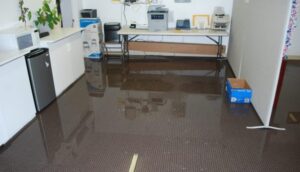
Standing water can quickly spread through flooring, drywall, insulation, cabinets, and other structural materials. Even after the visible water is removed, moisture may remain trapped beneath floors, behind walls, inside crawl spaces, or within porous building materials. Without professional drying, this hidden moisture can contribute to mold growth, odors, deterioration, and additional property damage.
PuroClean Restoration Services provides professional water extraction and dehumidification in Lanham, MD, for homes and businesses affected by burst pipes, appliance leaks, plumbing failures, storms, flooding, roof leaks, and sewage backups. Our trained technicians remove standing water, identify concealed moisture, establish a controlled drying plan, and monitor affected materials until drying goals are reached.
Located near Route 50 and the Capital Beltway, our team can respond throughout Lanham, Lake Arbor, Glenn Dale, Bowie, Seabrook, Greenbelt, Largo, Upper Marlboro, Brock Hall, and nearby Prince George’s County communities. For 24/7 emergency assistance, call (301) 277-2755.
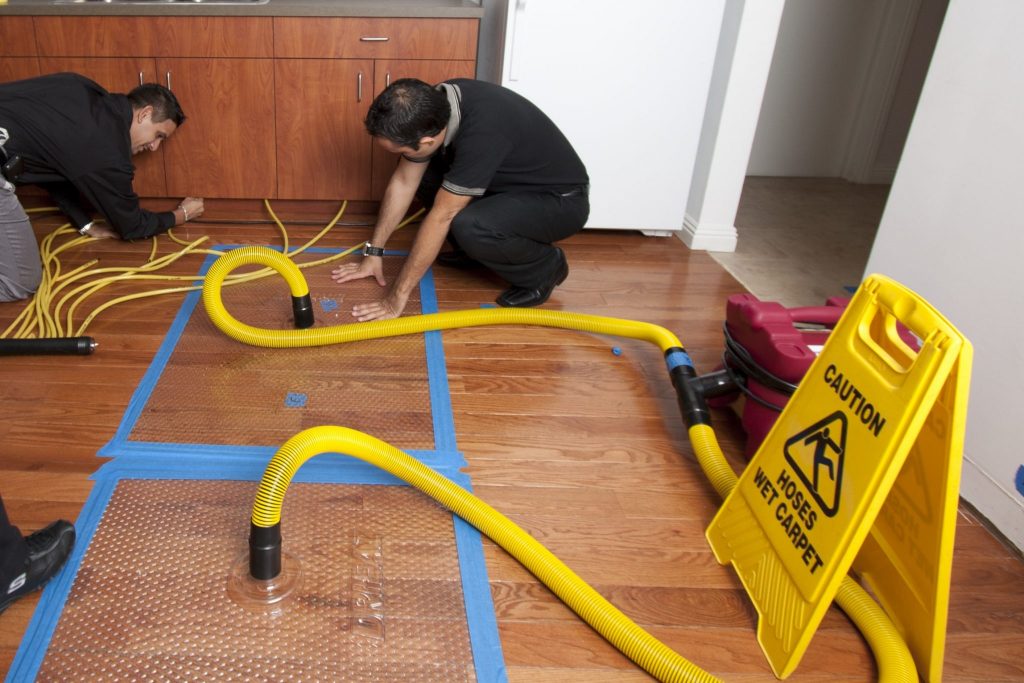
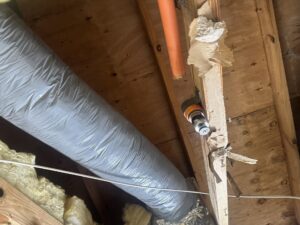
Water can migrate far beyond the area where the incident began. A leak in an upstairs bathroom may affect ceilings and walls below, while flooding near a kitchen appliance can spread beneath cabinets and flooring before becoming visible.
The U.S. Environmental Protection Agency recommends drying wet materials within approximately 24 to 48 hours whenever possible to help reduce the risk of mold growth. This makes prompt extraction and professional moisture control especially important after a water loss.
Removing standing water is only the first step. Carpeting, padding, subflooring, drywall, wood framing, and concrete may continue holding moisture after surfaces appear dry. Professional equipment and ongoing monitoring are needed to determine whether these materials are progressing toward an appropriate dry standard.
Every water loss requires a drying strategy based on the water source, the affected materials, the size of the area, and the amount of moisture present. Before equipment is installed, our technicians inspect the property and identify the areas requiring extraction, drying, cleaning, or removal.
Our services may include:
The process begins with an assessment of the property. Our technicians determine where the water originated, how far it traveled, and whether contamination is present. Water from a clean plumbing source requires a different response from sewage, groundwater, or stormwater.
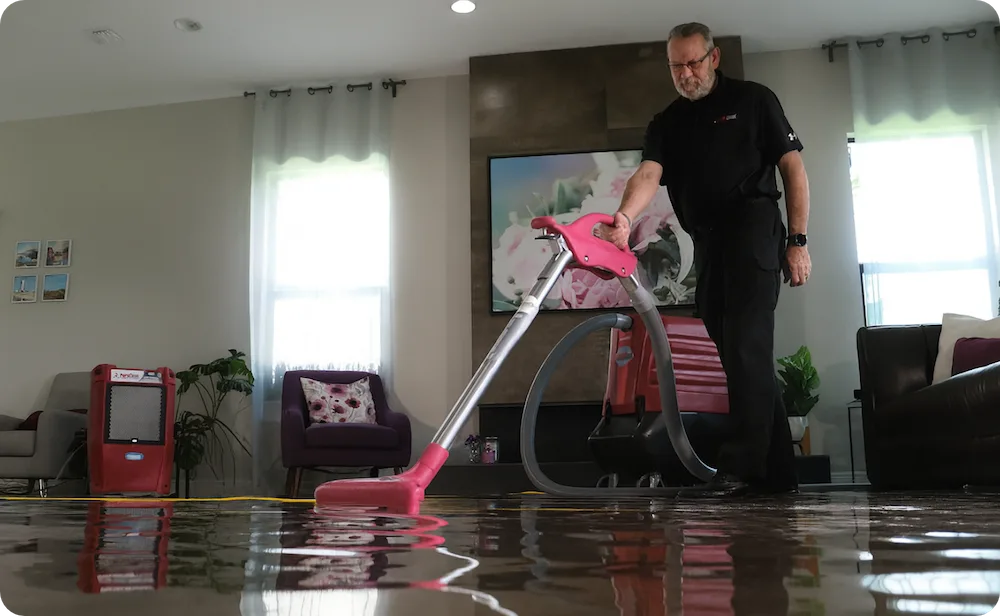
Standing water is then removed with pumps or high-powered extraction equipment. Carpet and upholstery tools may be used for materials that can be safely restored. If carpeting, padding, insulation, or other porous materials are contaminated or structurally damaged, removal may be necessary.
Once bulk water has been extracted, the affected areas are prepared for structural drying. Furniture and other contents may be moved temporarily to improve airflow and give technicians access to damp flooring, walls, and concealed spaces.
The extraction process is documented, including affected areas, equipment use, moisture readings, and materials that require additional treatment or removal. This information may also support communication with an insurance representative.
After extraction, air movers and dehumidifiers work together to remove moisture from the building. Air movers increase airflow across wet materials, encouraging moisture to evaporate. Dehumidifiers then collect that moisture from the surrounding air.
PuroClean may use low-grain refrigerant dehumidifiers to reduce humidity effectively in many indoor environments. Desiccant dehumidifiers may be appropriate for certain materials or conditions that require lower humidity levels.
The amount and placement of equipment are based on the size of the affected area, the materials involved, indoor temperature, humidity, and moisture readings. Drying chambers or temporary containment barriers may also be established to concentrate airflow and control the environment within the affected space.
Technicians monitor temperature, relative humidity, and material moisture levels throughout the project. Equipment may be repositioned or adjusted as materials dry. This helps prevent incomplete drying while also avoiding unnecessary exposure to prolonged heat or airflow.
Some materials require specialized attention. Hardwood flooring can trap moisture beneath the surface and may need a panel or mat drying system. Cabinets and vanities may hold water in toe-kick spaces, wall cavities, or between layers of manufactured wood.
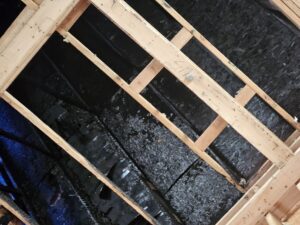
Concrete, masonry, and crawl-space materials may also dry slowly. Moisture can remain inside these materials even when the surface no longer feels wet. Professional monitoring helps determine whether additional drying time or a different equipment setup is required.
Walls and ceilings may need small access points or the temporary removal of baseboards to improve airflow. The goal is to dry salvageable materials while limiting unnecessary demolition.
Incomplete drying can lead to musty odors, staining, swelling, warping, weakened materials, and microbial growth. High indoor humidity can also cause moisture to move into materials that were not initially affected.
Professional dehumidification reduces this risk by controlling moisture in the air while structural materials release the water they have absorbed. Cleaning and deodorization can then address soils and odors remaining after the drying process.
When contamination or mold is discovered, additional remediation procedures may be required. PuroClean’s IICRC-certified technicians can evaluate the affected materials and explain the appropriate next steps.
Water damage does not stop spreading simply because the leak has been shut off. Prompt extraction, controlled dehumidification, and accurate moisture monitoring can help reduce further damage and preserve more of the property.
Call PuroClean Restoration Services at (301) 277-2755 for 24/7 water extraction and dehumidification in Lanham, MD, and surrounding communities. Our team will assess the damage, remove standing water, dry affected materials, and keep you informed throughout the restoration process.
What Our Customers Say:
Find answers to common questions about our services
You can check the walls and ceilings for water stains, the floors for warping and buckling, and the pipes for corrosion, leaks, missing grout, and mold. Attics and basements may have damaged flooring, mildew or mold, dampness, and odors. Also, be sure to inspect the exterior of the home for cracked roof tiles, puddles, standing water, and whether the ground is sloping away from the house.
First, if safe, shut off the utilities in your home to avoid further damage. Don’t enter your home if it has suffered structural damage. Don’t walk through floodwater if electricity hasn’t been turned off, and avoid contaminants. Next, contact a water-damage restoration company, such as PuroClean Restoration Services, as soon as possible. Don’t wait, as water can cause mold and irremediable damage to the wood, walls, and carpet. Then, depending on the extent of the damage and the recommendation of the remediation company, contact your insurance provider to start the claim process.
There are many variables that determine whether a flooded property can be saved: the amount of water, and even more important, the amount of time the water was in/around the property. Every situation is different, and PuroClean Restoration Services expert restoration professionals can determine what can be salved once one site.
Property water damage can pose several dangers including structural instability, electrical hazards, mold and mildew growth leading to health issues, contamination from sewage or chemicals, and potential collapse of weakened structures.
Water flooding can cause extensive damage including structural damage to walls, floors, and foundations, damage to personal belongings, electrical hazards, and potential health risks from mold and bacteria growth. The longer water sits, the more severe the damage becomes.
You can check the walls and ceilings for water stains, the floors for warping and buckling, and the pipes for corrosion, leaks, missing grout, and mold. Attics and basements may have damaged flooring, mildew or mold, dampness, and odors. Also, be sure to inspect the exterior of the home for cracked roof tiles, puddles, standing water, and whether the ground is sloping away from the house.
First, if safe, shut off the utilities in your home to avoid further damage. Don’t enter your home if it has suffered structural damage. Don’t walk through floodwater if electricity hasn’t been turned off, and avoid contaminants. Next, contact a water-damage restoration company, such as PuroClean Restoration Services, as soon as possible. Don’t wait, as water can cause mold and irremediable damage to the wood, walls, and carpet. Then, depending on the extent of the damage and the recommendation of the remediation company, contact your insurance provider to start the claim process.
There are many variables that determine whether a flooded property can be saved: the amount of water, and even more important, the amount of time the water was in/around the property. Every situation is different, and PuroClean Restoration Services expert restoration professionals can determine what can be salved once one site.
Property water damage can pose several dangers including structural instability, electrical hazards, mold and mildew growth leading to health issues, contamination from sewage or chemicals, and potential collapse of weakened structures.
Water flooding can cause extensive damage including structural damage to walls, floors, and foundations, damage to personal belongings, electrical hazards, and potential health risks from mold and bacteria growth. The longer water sits, the more severe the damage becomes.
Water damage can result from unexpected leaks, flooding from storms, plumbing failures, or appliance malfunctions. Our certified teams focus on rapid water removal, drying, and stabilization to help prevent further damage and mold growth.
 Explore Our Water Damage Mitigation Services
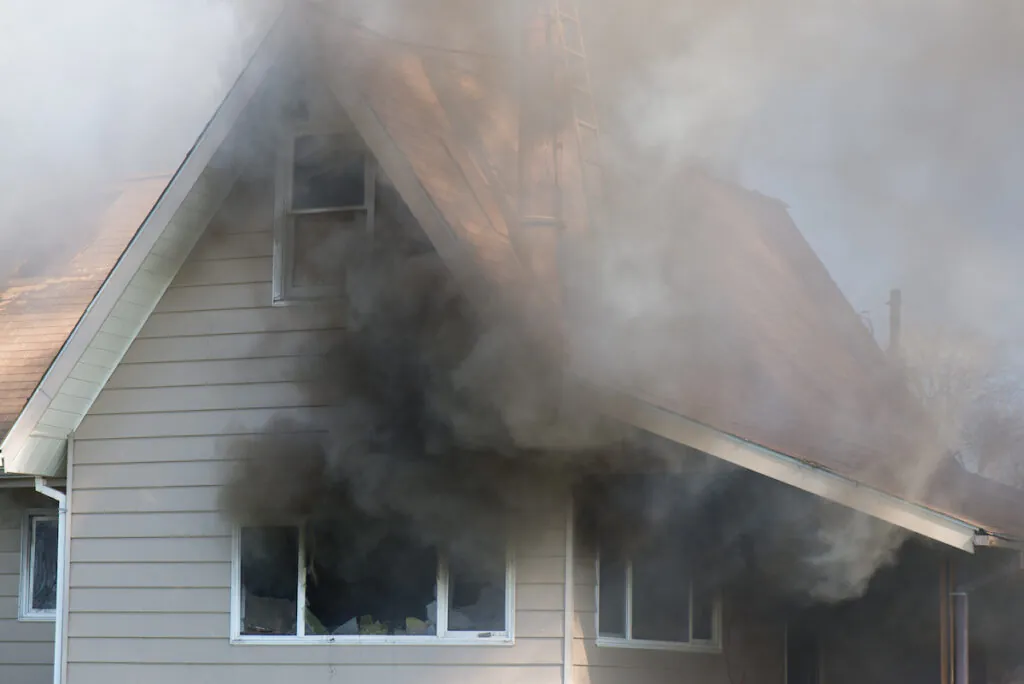
Even after a fire is extinguished, smoke, soot, and odor can continue to affect your home. Fire damage restoration services address visible damage while also helping reduce lingering effects that impact indoor air quality and surfaces.
Explore Our Fire and Smoke Damage Restoration Services
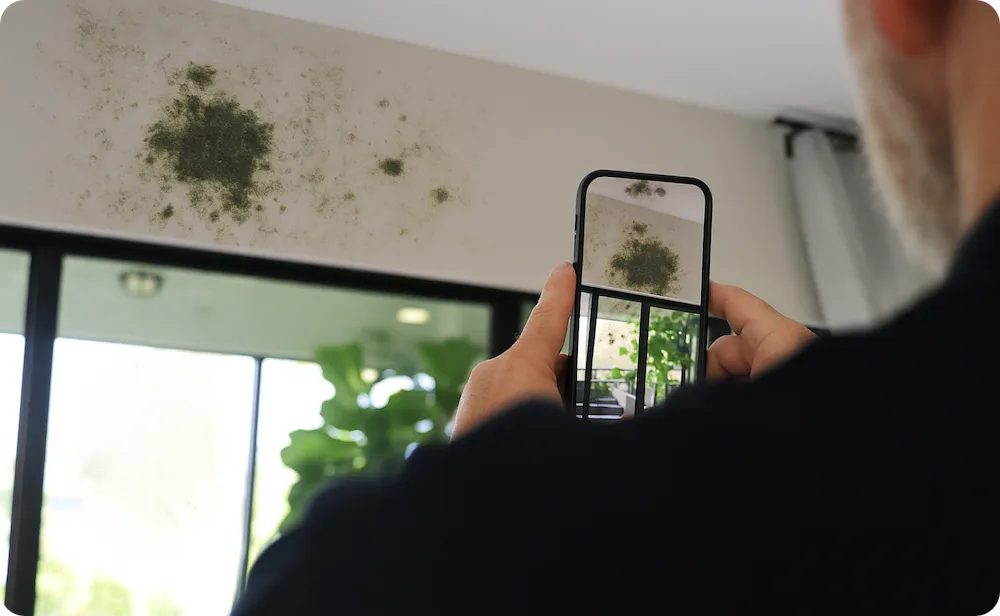
Mold often develops as a result of unresolved moisture or hidden water damage. Professional mold remediation helps identify affected areas, contain growth, and restore healthy indoor conditions.
Explore Our Mold Removal and Remediation Services
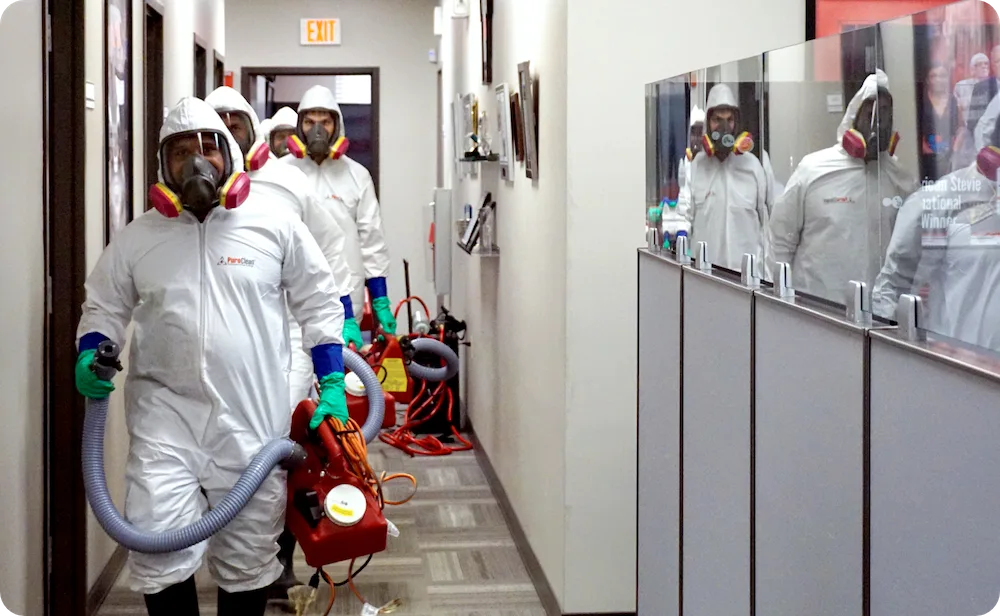
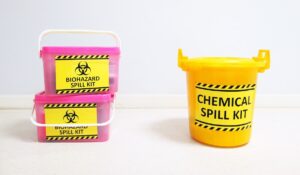
Biohazard situations, including crime scene cleanup and virus decontamination, require specialized cleaning and handling to protect health and safety. Biohazard cleanup services address contamination using proper protocols and professional care.
Explore Our Biohazard Cleanup Services
Water damage can result from unexpected leaks, flooding from storms, plumbing failures, or appliance malfunctions. Our certified teams focus on rapid water removal, drying, and stabilization to help prevent further damage and mold growth.
Explore Our Water Damage Mitigation Services

PuroClean Restoration Services
(301) 277-2755
4720 Boston Way, Suite L, Lanham, MD 20706


© 2026 PuroClean. All Rights Reserved.