


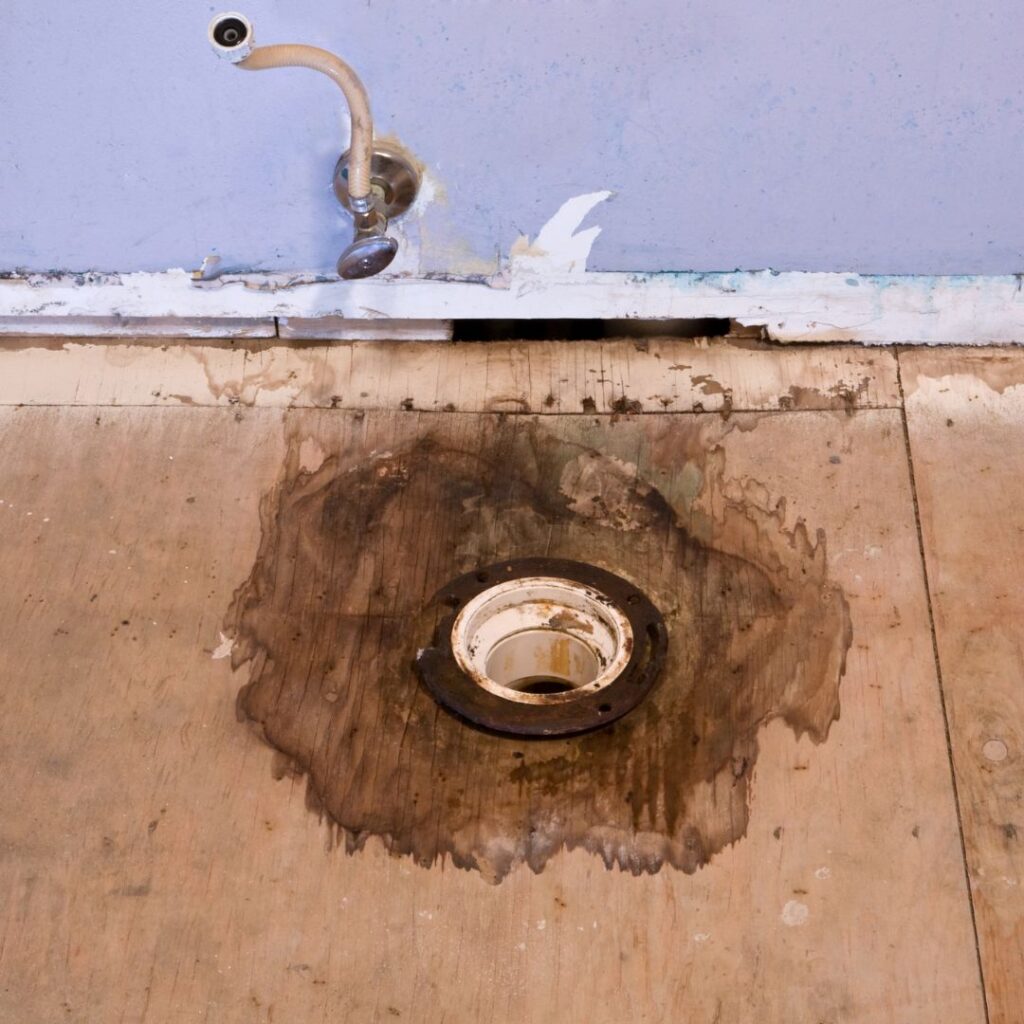
When water enters your home or business, every minute counts. Category 3 Water damage isn’t just about wet floors; it’s about the type of water, how long it sits, and how quickly it’s addressed. In the restoration industry, water is classified into three categories based on contamination level and health risk:
- Category 1 (Clean Water): Water from uncontaminated sources such as supply lines or rainwater. Initially safe, but can degrade if left untreated.
- Category 2 (Gray Water): Water from appliances, sinks, or minor sewage leaks that contains some contaminants. Exposure may cause mild illness.
- Category 3 (Black Water): Highly contaminated water containing bacteria, viruses, pathogens, and potentially toxic substances, including sewage. Exposure is a serious health hazard.
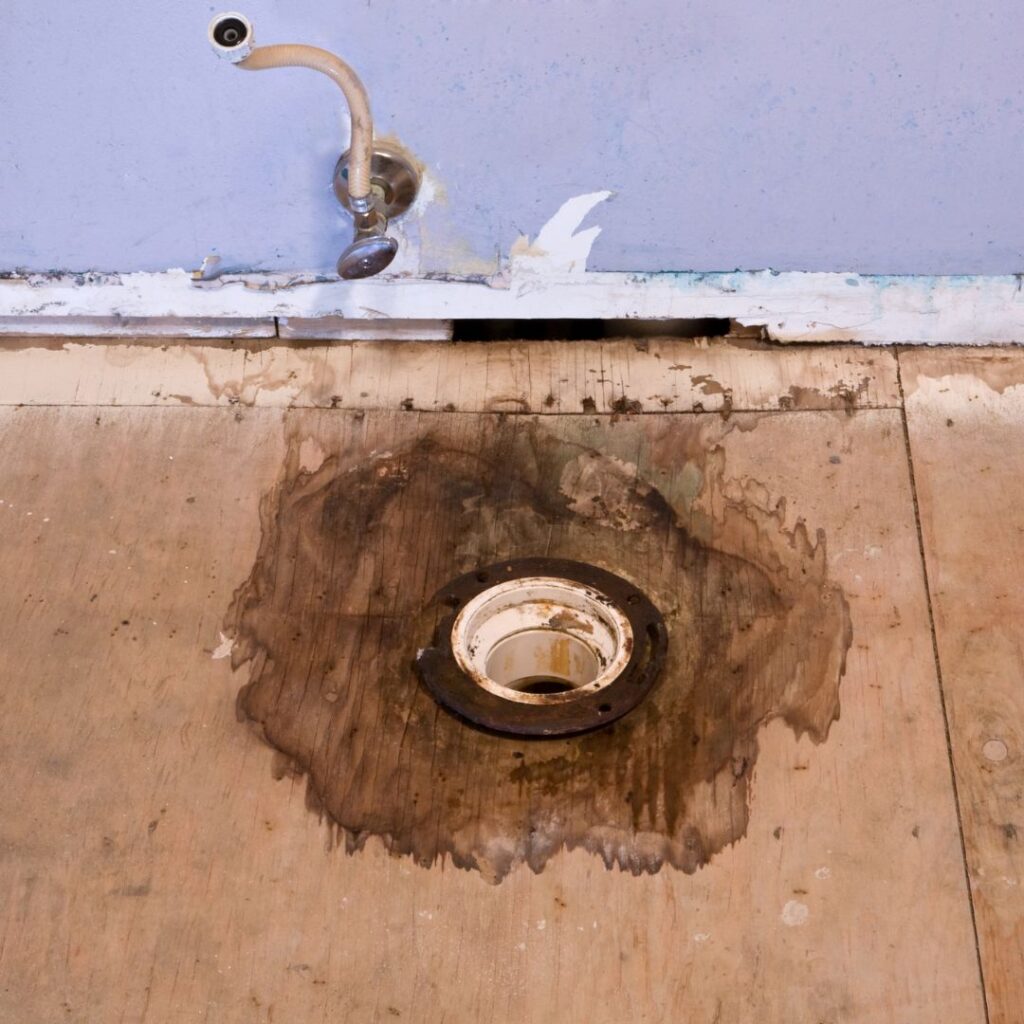
Even water that starts as Category 1 or 2 can degrade into Category 3 if it remains stagnant for 72 hours or more, creating a biohazard scenario. At this stage, professional intervention is no longer optional, it’s essential to protect your health, property, and finances.
Table of Contents
Common Sources of Category 3 Water in Lawrenceville Homes and Businesses
Residents and business owners in Lawrenceville, GA, may encounter several scenarios that can lead to Category 3 water damage:
1. Sewage Backups
Blocked toilets, sewer lines, or septic system failures can result in contaminated water entering your property. Sewage water contains harmful bacteria, viruses, and waste products, creating immediate health risks.
2. Storm and Flood Water
Lawrenceville experiences frequent rainstorms and occasional flooding. Water from heavy rain or overflowing rivers can carry mud, debris, and pathogens, quickly classifying it as Category 3 water after 72 hours.
3. Standing Water From Appliances
Washing machines, dishwashers, and water heaters can leak, and if the water is left untreated, it can absorb contaminants from the surrounding environment. Within three days, what may have started as clean water becomes unsafe.
4. Foundation or Crawl Space Leaks
Water seeping through cracks in the foundation or poorly drained crawl spaces may initially seem harmless. Over 72 hours, however, it can become contaminated with soil bacteria, mold, and other biohazards.
No matter the source, once water sits for 72 hours, it poses a serious threat to health, property, and indoor air quality.
The Risks of Waiting 72 Hours
Category 3 water damage is not just a property concern—it is a serious health and financial hazard. The longer water sits untreated, the more severe the consequences.
1. Biohazard Contamination
Stagnant black water becomes a breeding ground for bacteria, viruses, and pathogens. Direct contact can result in skin infections, respiratory issues, gastrointestinal illnesses, and other serious health problems. Even inhaling contaminated airborne particles can make residents sick.
2. Rapid Mold Growth
Mold begins growing within 24–48 hours of water exposure. By the 72-hour mark, mold may already have spread extensively, hidden behind walls, under floors, or inside insulation. Mold remediation becomes much more complex and costly at this stage.
3. Structural Damage
Prolonged exposure to contaminated water compromises the structural integrity of your home or business. Wooden beams, flooring, drywall, and insulation absorb water, leading to rot, warping, and deterioration. The longer the water remains, the greater the risk of permanent damage that requires full replacement.
4. Persistent Odors and Air Quality Issues
Black water produces foul odors and releases airborne pathogens. Without professional treatment, these odors can linger indefinitely, making living or working spaces unsafe or unpleasant.
5. Increased Restoration Costs
Every hour of delay can dramatically increase the cost of repairs. Waiting beyond 72 hours often requires full demolition of affected materials, professional biohazard cleaning, and sometimes mold remediation, which adds to overall expenses.
Why You Need Professional Restoration
Attempting DIY cleanup after 72 hours of Category 3 water is dangerous. Homeowners may not have the proper personal protective equipment (PPE) or industrial-grade drying and disinfecting equipment. Improper cleanup can:
- Spread contamination to unaffected areas
- Encourage mold and mildew growth
- Cause lingering odors and poor indoor air quality
- Increase the cost of repairs or even void insurance claims
PuroClean of Lawrenceville provides certified, professional restoration services that safely handle Category 3 water. Our technicians follow IICRC S500 standards, which are widely recognized as the industry benchmark for water damage restoration and biohazard safety.
PuroClean’s Category 3 Water Damage Restoration Process
At PuroClean, we follow a thorough six-step process to restore your home or business safely:
1. Safety Assessment & Containment
Our first priority is to secure the property. We isolate contaminated zones and establish containment to prevent cross-contamination to unaffected areas.
2. Water Extraction
Industrial-grade pumps remove all standing water safely and efficiently, minimizing exposure and further damage.
3. Removal of Contaminated Materials
Porous materials like carpets, insulation, drywall, and furniture affected by black water are removed and properly disposed of in accordance with EPA guidelines.
4. Deep Cleaning & Disinfection
EPA-approved antimicrobial and disinfectant agents are applied to eliminate bacteria, viruses, and other harmful pathogens that thrive in Category 3 water.
5. Structural Drying & Air Filtration
Industrial air movers, dehumidifiers, and HEPA filtration systems ensure that hidden moisture is removed, preventing secondary mold growth and improving indoor air quality.
6. Restoration
After the property is sanitized and fully dried, we repair or replace damaged structural elements. From drywall and flooring to insulation and fixtures, we restore your property to its pre-loss condition safely and professionally.
Preventing Category 3 Water Damage in Lawrenceville
Even with quick action, prevention is always better than repair. Homeowners can reduce future risk by following these steps:
- Inspect Pipes, Appliances, and Drains: Check for leaks or corrosion regularly.
- Install Backflow Preventers or Sump Pumps: Protect low-lying areas or basements from flooding.
- Maintain Proper Drainage: Ensure gutters and downspouts direct water away from the foundation.
- Monitor Humidity Levels: Use dehumidifiers in damp spaces to prevent water accumulation.
- Schedule Annual Moisture Inspections: Certified professionals like PuroClean can detect hidden risks before they escalate.
Emergency Response: Why 72 Hours Is a Critical Deadline
Category 3 water damage is considered a biohazard emergency, and the 72-hour mark is crucial. After three days, untreated water poses significant health, structural, and financial risks. Quick response is essential to:
- Limit structural damage
- Reduce mold growth and contamination
- Lower restoration costs
- Protect your family or employees from harmful pathogens
PuroClean of Lawrenceville is available 24/7 for emergency water damage restoration, ensuring rapid response and effective cleanup.
Contact PuroClean of Lawrenceville 24/7
If your home or business has been exposed to Category 3 water for 72 hours or more, do not attempt cleanup yourself. The health risks and structural dangers are too high.
Call PuroClean of Lawrenceville today for fast, professional, and safe water damage restoration services. Our certified technicians are trained to handle black water emergencies, restore your property, and help you recover quickly.