 PuroClean of Lawrenceville
Severe storms in Lawrenceville can cause heavy rain, flooding, roof leaks, and other hazards that lead to significant water damage for homeowners and businesses. Storm water damage is one of the most common reasons residents need professional restoration services.
Flooded basements, warped flooring, damaged drywall, and mold growth are just a few consequences of storm water left untreated. Taking the right precautions before, during, and after a storm can reduce damage, save money, and protect your family’s safety.
Puroclean of Lawrenceville can help if you have storm related water damage. Call (770) 810-5499
This comprehensive guide explains how to prepare your home, respond during storms, and recover afterward. It also shows how working with professionals like PuroClean of Lawrenceville can restore your property efficiently.
Table of Contents
Before the Storm: Preventing Water Damage in Your Home
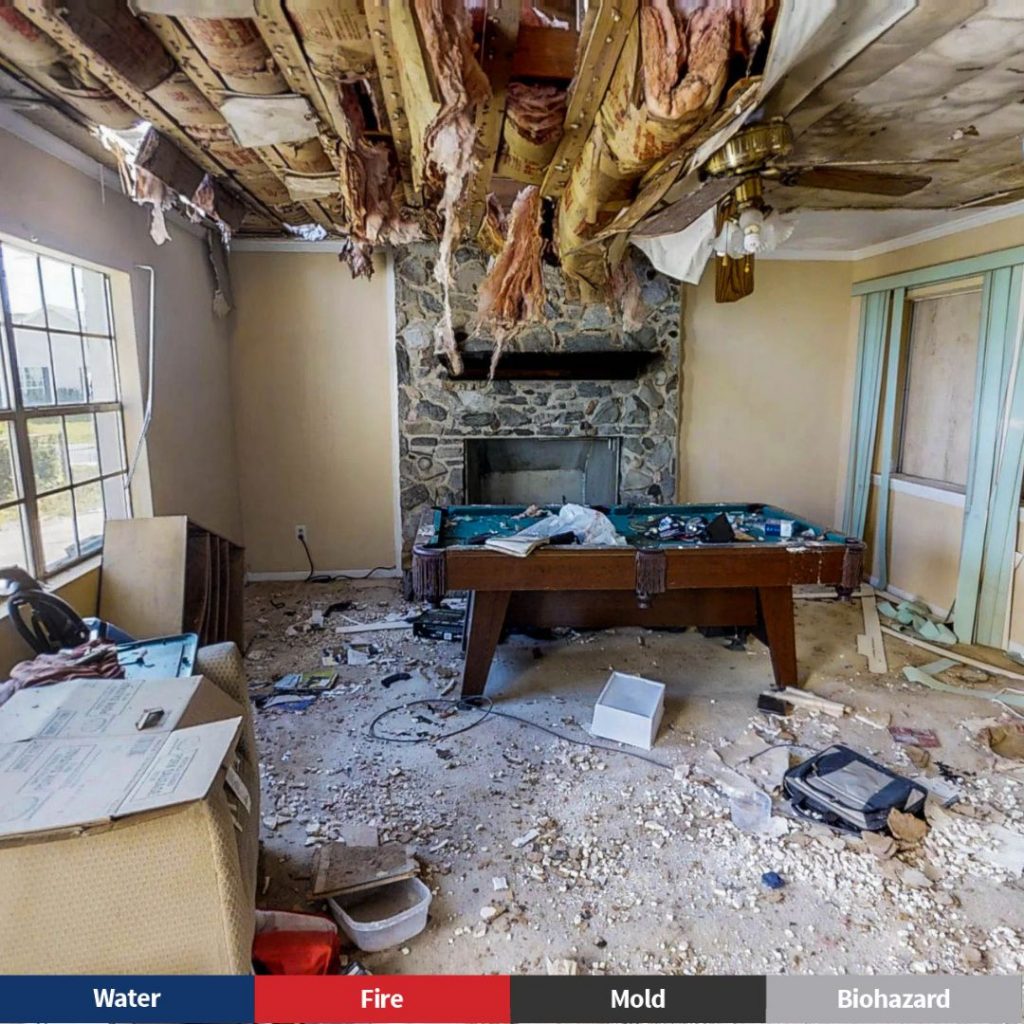
Storm preparation is the key to minimizing water damage. Homes in Lawrenceville are particularly vulnerable to heavy rain and flash flooding, making pre-storm actions essential.
1. Inspect Your Roof and Attic
Your roof is your home’s first line of defense against storm water. Inspect it for:
- Missing or damaged shingles
- Leaks around chimneys, vents, or skylights
- Loose or warped roofing materials
Check the attic for signs of leaks, mold, or water stains. Repairing roof issues before a storm prevents water from entering your home.
2. Clean Gutters and Downspouts
Clogged gutters can cause water to overflow, leading to roof and foundation leaks. Ensure gutters are free from leaves, branches, and debris. Downspouts should direct water at least 3–5 feet away from your foundation to prevent basement flooding.
3. Maintain Proper Drainage Around Your Property
Poor drainage is a leading cause of storm water damage. To protect your home:
- Ensure your yard slopes away from the foundation
- Check storm drains near your property
- Inspect and test your sump pump for proper operation
Proper drainage minimizes water pooling that can seep into basements or crawl spaces.
4. Seal Foundation Cracks and Entry Points
Even small cracks in your foundation or gaps around windows and doors can allow storm water to enter. Inspect your home carefully and seal these areas with waterproof caulking or epoxy to prevent leaks.
5. Secure Outdoor Items
Lawrenceville storms often bring strong winds. Patio furniture, grills, and garden tools can become flying hazards, damaging windows or roofs. Move items indoors and trim overhanging tree branches to reduce storm damage risks.
6. Prepare an Emergency Kit
Storms may cause power outages and disrupt water drainage. Keep an emergency kit with:
- Flashlights and extra batteries
- Bottled water and non-perishable food
- First aid supplies
- Waterproof storage for important documents
- Portable phone chargers
Preparation can protect your family and property during severe storms.
During the Storm: Minimize Water Damage
Even with preparation, storms can damage your home. The priority is safety and preventing water intrusion.
1. Stay Indoors and Avoid Windows
High winds can shatter windows and create entry points for water. Move to an interior room away from windows. Avoid basements or low-lying areas prone to flooding.
2. Monitor Local Weather Alerts
Storms in Lawrenceville can intensify quickly. Keep updated through local news, weather apps, or emergency alerts to anticipate flooding or other hazards.
3. Turn Off Utilities if Water Enters
If water begins to enter your home:
- Turn off electricity and gas to prevent hazards
- Avoid contact with electrical devices in wet areas
- Evacuate if flooding becomes dangerous
After the Storm: Responding to Water Damage
Once the storm passes, immediate action can prevent further damage and mold growth.
1. Inspect for Water Damage
Check your property carefully for:
- Roof leaks or damaged shingles
- Water stains on ceilings or walls
- Standing water in basements or crawl spaces
- Warped or buckling flooring
Hidden water in walls, flooring, or insulation can cause long-term structural problems if untreated.
2. Remove Standing Water Quickly
Standing water can soak into flooring, drywall, and structural materials. Rapid water removal is critical. Professionals like PuroClean of Lawrenceville have industrial pumps and extraction equipment to remove water safely and efficiently.
3. Dry and Dehumidify Affected Areas
Moisture trapped in walls and floors can lead to mold within 24–48 hours. Commercial air movers and dehumidifiers dry the home thoroughly, and moisture detection equipment identifies hidden water to prevent secondary damage.
4. Sanitize and Clean
Storm water can carry bacteria, dirt, and debris. Proper cleaning and sanitation prevent health risks and prepare surfaces for repair. Restoration professionals use antimicrobial treatments to ensure your home is safe.
5. Document Damage for Insurance
Photograph all damage and keep records. Restoration experts at PuroClean of Lawrenceville provide inspection reports and detailed assessments to assist with insurance claims.
When to Call a Professional Water Damage Restoration Company
Storm water damage can extend beyond what is visible. Call professionals if you notice:
- Standing water inside your home
- Water stains on walls, ceilings, or floors
- Warped or buckling flooring
- Persistent musty odors
- Mold growth
Rapid response prevents more extensive damage and costly repairs.
Storm Water Damage Restoration in Lawrenceville
Severe storms in Lawrenceville can cause flooding, roof leaks, and basement water intrusion. Immediate professional assistance is critical to prevent mold growth and protect structural integrity.
PuroClean of Lawrenceville provides emergency storm water damage restoration. Their certified technicians use advanced water extraction, drying, and moisture detection equipment to restore homes and businesses efficiently. Acting quickly after a storm helps prevent mold, structural deterioration, and costly repairs.
Storm Water Damage Prevention Tips
Even after a storm, homeowners can take steps to reduce future risk:
- Schedule regular roof and gutter inspections
- Install sump pumps with battery backups
- Seal foundation cracks yearly
- Maintain proper yard grading and drainage
- Trim trees and remove hazards around the property
Proactive maintenance reduces the risk of water damage during future storms.
FAQs About Storm Water Damage
How quickly should storm water damage be addressed?
Water damage should be addressed within 24 hours. The longer water sits, the more likely it will cause structural damage and mold growth.
Can mold grow after storm flooding?
Yes. Mold can develop within 24–48 hours if water is not removed and surfaces dried. Professional drying and sanitation prevent mold growth.
What does a water damage restoration company do?
Restoration companies provide:
- Water extraction
- Moisture detection
- Structural drying
- Sanitization
- Repair and reconstruction
PuroClean of Lawrenceville follows industry standards to ensure safe, thorough restoration.
How long does storm water damage restoration take?
Extraction may take hours, drying 3–5 days, and repairs longer depending on severity. Professionals monitor moisture to ensure full drying before repairs.
Will insurance cover storm water damage?
Many policies cover sudden events like burst pipes or roof leaks. Restoration experts can provide documentation to support insurance claims.
Why hire a local restoration company in Lawrenceville?
Local companies respond faster to emergencies. PuroClean of Lawrenceville has rapid response teams familiar with local storm risks, ensuring quick water removal and property protection.
Final Thoughts
Storms in Lawrenceville can cause rapid water damage, but preparation and fast professional response make a big difference. Inspect roofs, maintain drainage, secure outdoor items, and act quickly if flooding occurs.
If your home suffers storm water damage, contact PuroClean of Lawrenceville for emergency water removal, drying, and full restoration. Their expertise protects your property, prevents mold, and restores your home safely.

 PuroClean of Lawrenceville