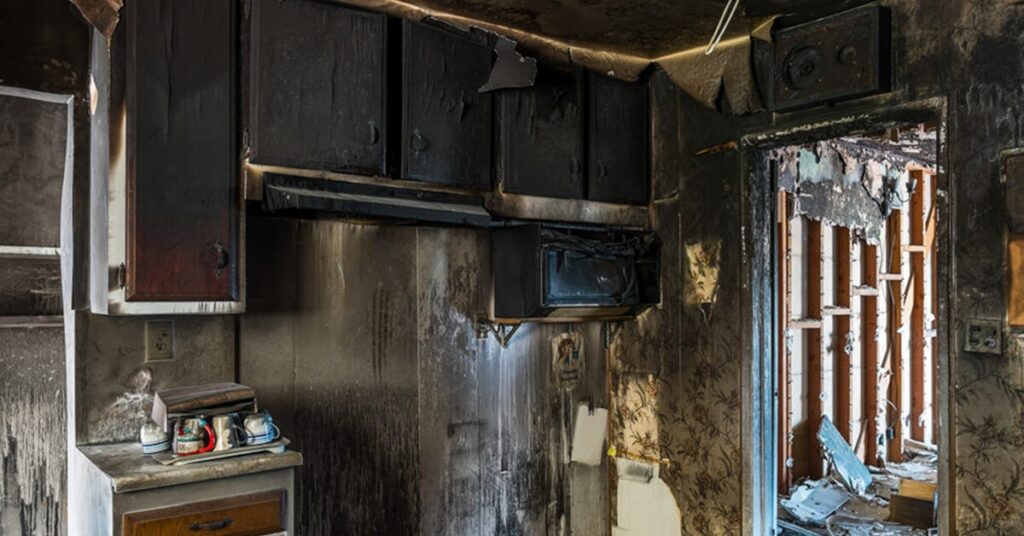
Kitchens are the heart of every home in Lawrenceville, but they are also the leading location for residential structure fires.
Whether caused by a brief moment of unattended cooking, overheating oil on the stovetop, or an electrical malfunction in a toaster or microwave, a kitchen fire unfolds rapidly.
Often, homeowners manage to smother the flames quickly using a fire extinguisher or a pan lid. Once the immediate fire is out, it is easy to assume the danger has passed. However, the true threat after a kitchen fire is frequently invisible. Smoke and soot produced during cooking fires carry unique chemical properties that degrade building materials, pose severe respiratory health risks, and ruin household contents hours and days after the incident.
PuroClean of Snellville & Lawrenceville provides specialized emergency fire and soot restoration. Understanding the hidden dangers of kitchen smoke residue empowers property owners to take correct action immediately and prevent irreversible damage.
The Unique Chemistry of Kitchen Smoke and Protein Soot
Fires fueled by animal fats, cooking oils, proteins, and vegetable matter generate a specific byproduct known in the restoration industry as protein smoke residue. Unlike high-heat wood fires that create dry, dark, powdery soot, kitchen grease fires burn at lower temperatures and release aerosolized grease droplets mixed with acidic particulate matter.
Read Also: Top 5 Hidden Places Soot and Smoke Linger After a Fire in Scottsdale Homes
Protein soot possesses distinct features that make it particularly deceptive and destructive:
- Nearly Invisible Appearance: Protein smoke coats surfaces in a thin, amber or yellowish film that is extremely hard to spot with the naked eye on dark countertops, wooden cabinetry, or patterned tile.
- Pungent, Pervasive Odor: Despite being almost invisible, protein soot releases an intense, sickening, burnt-organic odor that rapidly fills the entire home.
- High Adhesion and Greasiness: The aerosolized fat molecules stick tenaciously to smooth surfaces, kitchen cabinets, ceiling fans, and appliance interiors.
- Corrosive Chemical Profile: Protein residues contain acidic compounds that eat into painted finishes, metal fixtures, quartz or granite sealants, and stainless steel appliances if left untreated.
Comparing Kitchen Fire Byproducts with Other Fire Residues
Proper restoration requires precise identification of soot types. Kitchen fires often involve a dangerous combination of organic fats, burning plastic handles, and nearby electrical insulation.
| Residue Type | Common Kitchen Fuel Sources | Primary Hidden Dangers |
| Protein Soot Film | Cooking oils, meat fats, dairy, burned food products. | Yellows painted surfaces, penetrates cabinet finishes, creates foul long-term odors, resists standard cleaners. |
| Synthetic Plastic Soot | Melting appliance housings, plastic spatulas, tupperware, vinyl trim. | Releases dioxins and toxic gases, forms thick black smudges, permanently stains porous grouting and laminate. |
| Dry Carbon Soot | Cardboard packaging, paper towels, wooden cabinets, framing. | Settles deep into ceiling vents and light fixtures; easily airborne when disturbed, entering lungs. |
| Chemical Dry Powder | Monoammonium phosphate from chemical fire extinguishers. | Highly corrosive to copper wiring, electronics, circuit boards, and polished metal hardware if not neutralised. |
Health Risks: What Happens When You Breathe Kitchen Soot?
Soot particles generated in kitchen fires are incredibly fine, measuring between 2.5 microns down to sub-micron sizes. Because these particles are so microscopic, human respiratory systems cannot filter them out effectively.
Inhaling microscopic kitchen soot particles can trigger a range of health issues:
- Severe Airway Irritation: Inhaling burnt grease particulates causes immediate throat irritation, coughing, sinus inflammation, and shortness of breath.
- Aggravation of Asthma and Allergies: Children, elderly family members, and individuals with preexisting respiratory conditions can experience severe asthma attacks or chronic bronchitis flare-ups.
- Absorption of Toxic Chemical Carcinogens: When plastic utensils or Teflon non-stick coatings burn alongside grease, they release polycyclic aromatic hydrocarbons (PAHs), formaldehyde, and heavy metal compounds that are hazardous when absorbed through skin or inhaled.
- Secondary Contamination of Food and Cookware: Soot particles settle into open food packages, pantry items, and onto exposed dishes, posing ingestion hazards if not thoroughly decontaminated or discarded.
The Clock Is Ticking: Timeline of Chemical Corrosion
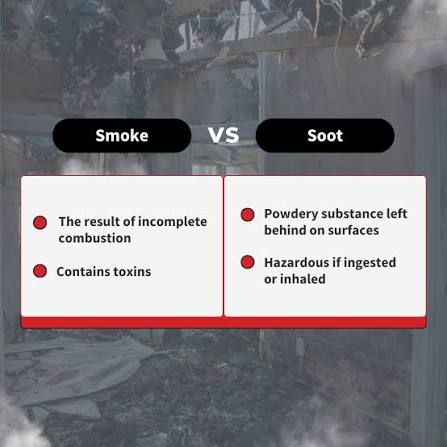
One of the least understood hazards of soot is its acidity. When soot particles combine with ambient air humidity in Lawrenceville homes, they form corrosive acidic compounds. The longer soot remains on household surfaces, the more severe the permanent chemical etching becomes.
Within Minutes to Hours
Yellowing begins on plastic appliances, cultured marble, and fiberglass fixtures. Unprotected metals begin to tarnish. Countertops absorb oily residues, and porous painted walls absorb odor compounds.
Within 24 to 48 Hours
Metal fixtures, polished chrome faucets, and stainless steel range hoods start pitting and corroding. Cabinet finishes begin to discolor permanently. Grout lines absorb greasy soot, turning dark gray or black. Drywall and ceiling plaster begin to stain severely.
Within One Week
Acidic soot permanently etches glass, mirrors, quartz countertops, and metal hardware. Replacement, rather than cleaning, becomes mandatory for appliances, cabinetry, and structural fixtures, driving up insurance claim costs dramatically.
Hidden Soot Reservoirs in Lawrenceville Homes
Cleaning the visible countertop or wiping down the stovetop is only a tiny fraction of fire restoration. Heat from a grease fire creates thermal expansion, forcing microscopic soot into remote areas throughout the house:
- HVAC Return Vents and Ductwork: Rising heat pulls smoke into central HVAC intakes, coating the interior of air ducts and spreading toxic soot into bedrooms and living spaces whenever the fan runs.
- Inside Cabinet Interiors and Drawers: Smoke creeps behind cabinet faceplates, underneath drawer slides, and into structural wall gaps behind lower cabinets.
- Behind Microwave Hoods and Exhaust Vents: Exhaust fans suck grease-laden smoke into internal motor housings, duct elbows, and exterior wall vents, creating hidden fire and odor hazards.
- Electrical Outlets and Switchplates: Convection currents push soot behind wall switch covers, coating copper wires and breaker components, which can cause short circuits or electrical fires later.
Why DIY Cleaning Worsens Kitchen Smoke Damage
Well-meaning homeowners often grab household sponges, window cleaners, or basic degreasers to clean up after a small stovetop fire. Unfortunately, standard cleaning methods usually exacerbate the problem:
- Smearing and Setting Protein Films: Applying water-based cleaners or standard sponges to protein soot smears the greasy film into wall paint and wood grain, permanently embedding the odor and stain.
- Abrasive Scrubbing Scratches Finish: Scouring pads scratch delicate stainless steel, custom cabinet finishes, and quartz surfaces, ruining high-end kitchen finishes.
- Ignoring Electrical Safety Hazards: Wiping water or liquid degreasers into soot-covered outlet boxes creates risks of electrical shock or blown circuits.
- Incomplete Odor Neutralization: Over-the-counter air sprays cover smell briefly, but underlying chemical smoke bonds remain intact, releasing odor every time the kitchen gets warm or humid.
Professional Kitchen Fire Restoration Protocols
PuroClean of Snellville & Lawrenceville utilizes specialized cleaning techniques and industry-certified restoration procedures to return your kitchen to a safe, beautiful condition.
1. Emergency Thermal Inspection and Scope
We inspect the entire kitchen and surrounding living zones using thermal imaging and specialized lighting to map out invisible protein soot migration and hidden heat damage.
2. Safe Food and Content Evaluation
We inspect all pantry items, refrigerator contents, and stored cookware. Any open food or items packaged in permeable cardboard or plastic wrap exposed to heat and toxic smoke are inventoried and safely discarded.
3. Chemical Degreasing and Enzymatic Soot Removal
Our technicians apply professional-grade alkaline degreasers and specialized enzymatic cleaning solutions designed specifically to digest lipid-based protein films from cabinetry, appliances, and walls without damaging underlying surfaces.
4. Ultrasonic and HEPA Air Scrubbing
We install industrial HEPA air scrubbers equipped with activated carbon filters to capture airborne soot particles and eliminate chemical smoke vapors continuously during restoration.
5. Molecular Odor Neutralization
To ensure smoke smells never return, we utilize hydroxyl generators and thermal foggers that break apart odor-causing hydrocarbon molecules in wall cavities and structural framing.
Essential Steps for Homeowners Immediately After a Kitchen Fire
- Ensure Everyone Is Safe: Verify that all family members and pets are safe and that the fire is completely extinguished by local fire officials.
- Do Not Turn On Range Hoods or HVAC Systems: Keep your heating, cooling, and vent fans off to prevent spreading soot particles into unaffected areas.
- Avoid Touching Soot-Covered Surfaces: Greasiness on hands transfers soot to clean doors, walls, and furniture, spreading the stain.
- Discard Exposed Unsealed Food: Throw away fresh produce, bread, boxed cereals, or open pantry items exposed to smoke.
- Call PuroClean Immediately: Contact our local 24/7 emergency dispatch line so restoration specialists can arrive before permanent chemical corrosion takes hold.
Frequently Asked Questions (FAQ)
Q: Can I eat food stored in pantry cabinets after a small kitchen fire?
No. Even if food packages appear untouched, hot smoke gases and toxic chemical residues easily penetrate permeable cardboard boxes, plastic bags, and screw-top containers. Consuming contaminated food poses health risks.
Q: Why does my kitchen still smell like burnt grease after I cleaned everything?
Grease and protein soot travel into hidden crevices, including behind cabinets, inside exhaust ductwork, and within wall cavities. Until these hidden reservoirs are treated with specialized enzymatic agents and molecular deodorization, the odor will linger.
Q: Can stainless steel appliances be saved after being covered in smoke?
Yes, provided action is taken quickly. Acidic soot will pit and permanently stain stainless steel within 24 to 48 hours. Professional chemical cleaning agents and protective metal polish can safely remove soot without scratching the finish.
Q: Does homeowner insurance cover cleanup for small kitchen grease fires?
Yes. Most standard homeowner insurance policies cover fire and smoke damage restoration, including soot cleanup, duct decontamination, and replacement of affected food or contents. PuroClean assists you through the insurance claim process.
Q: How long does it take to clean up after a kitchen fire?
Minor stove fires with localized protein soot usually take 1 to 3 days for complete cleaning and deodorization. Larger kitchen fires involving cabinet structural repairs may take longer.
| Protect Your Family and Home with PuroClean of Snellville & Lawrenceville Don’t let invisible protein soot and corrosive chemical residues compromise your home’s air quality and structure. If your Lawrenceville home has suffered a kitchen fire, call the Paramedics of Property Damage for rapid, professional restoration. 24/7 Emergency Fire & Soot Restoration Line: (770) 810-5499 Serving Lawrenceville, Snellville, Grayson, Lilburn, Loganville & All of Gwinnett County Specializing in Kitchen Fire Cleanup, Protein Soot Removal, Duct Cleaning & Odor Deodorization |