 PuroClean of Lawrenceville
You walk into the bathroom or basement and notice water coming up from a drain you haven’t touched all day. No shower. No laundry. No dishwasher running. Yet somehow, that drain is backing up.
For many Lawrenceville homeowners, this situation feels confusing and alarming—and for good reason. When a drain backs up without being used, it’s rarely a minor inconvenience. In most cases, it’s an early warning sign of a larger plumbing or sewer issue that could quickly lead to water damage, sewage contamination, and costly repairs if ignored.
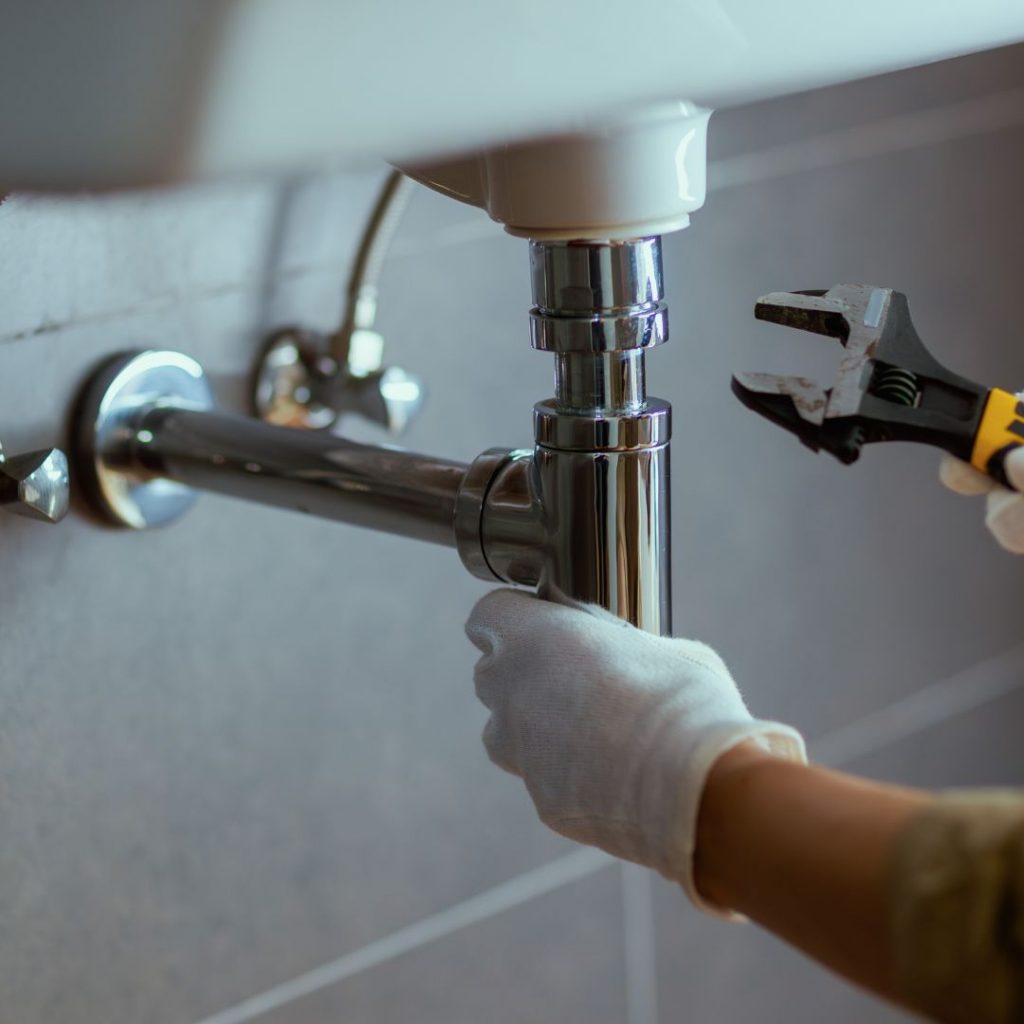
In this article, we’ll explain why this happens, what homeowners often miss when it comes to unexplained drain backups, and how to know when it’s time to move from “wait and see” to calling in professional help.
Why Drain Backups Happen Even When You’re Not Using That Drain
Table of Contents
Your home’s plumbing system is fully interconnected. Every sink, toilet, tub, floor drain, and appliance ties into a shared drainage network. When one part of that system is blocked, stressed, or overwhelmed, the problem often shows up somewhere else entirely.
That’s why backups often appear:
- In basement floor drains
- In showers or tubs
- In unused bathrooms
- Near laundry rooms
The drain that backs up is rarely the source—it’s usually the release point.
The Most Common Reasons This Happens in Lawrenceville Homes
1. A Main Sewer Line Blockage
This is the most common—and most serious—cause of unexplained drain backups.
When the main sewer line becomes partially or fully blocked, wastewater has nowhere to go. As pressure builds, it looks for the lowest exit point in the home, often pushing water or sewage back up through a floor drain, tub, or shower.
Common causes in Lawrenceville include:
- Tree root intrusion (very common in established neighborhoods)
- Grease buildup over time
- Flushed items that don’t break down properly
- Aging or collapsed sewer lines
Key warning sign: Multiple drains backing up or gurgling at once.
2. Heavy Rain and Sewer System Overload
Lawrenceville homes are especially vulnerable during periods of heavy rain.
When municipal sewer systems become overwhelmed, excess water can push back into residential plumbing—particularly in homes without backflow prevention devices. Even if you haven’t used any water inside your home, outside pressure can force wastewater upward.
This is why backups often happen:
- After overnight storms
- Following days of steady rain
- During seasonal weather shifts
If backups happen only during rain events, the issue may be external—but the damage inside your home is still very real.
3. Clogged or Blocked Branch Lines
Not all drain backups involve the main sewer line.
Sometimes, a blockage exists in a branch line—one section of piping that serves a specific area of the home. When another fixture upstream is used (even lightly), water can back up into a drain that wasn’t actively in use.
For example:
- Running the washing machine causes water to rise in a shower
- Using a sink causes bubbling in a floor drain
This often indicates buildup of soap, hair, grease, or debris deeper in the system.
4. Basement Floor Drains Acting as the “Pressure Release”
Basement floor drains are designed as a low-point exit for water. Unfortunately, that makes them the first place backups appear when something goes wrong.
Many Lawrenceville homeowners only notice a problem when:
- Water appears around the floor drain
- A sewage smell develops
- The basement floor feels damp or sticky
By the time water surfaces here, the issue has often progressed beyond a simple clog.
5. Broken, Shifted, or Aging Pipes
Older homes in Lawrenceville may still have clay, cast iron, or aging PVC pipes underground. Over time, these pipes can:
- Crack
- Shift due to soil movement
- Collapse partially
- Separate at joints
When that happens, wastewater flow slows or stops entirely, causing pressure backups that emerge inside the home—even when fixtures aren’t being used.
Why Ignoring a Backing-Up Drain Is Risky
Many homeowners try to wait it out, hoping the issue resolves itself. Unfortunately, drain backups almost always get worse, not better.
What starts as a small backup can quickly turn into:
- Sewage overflow (Category 3 water)
- Contaminated flooring and walls
- Hidden moisture behind baseboards
- Mold growth within 24–48 hours
- Structural damage to subfloors
The longer wastewater sits, the more extensive—and expensive—the cleanup becomes.
Is This a Plumbing Issue or a Restoration Emergency?
Here’s a simple rule of thumb:
- One slow drain → Likely a localized plumbing issue
- Multiple drains backing up or sewage smells → Potential sewer or water damage emergency
If wastewater has entered your home—even in small amounts—professional cleanup is critical. Sewage water contains bacteria and contaminants that household cleaners cannot safely remove.
What You Should Do Immediately
Step 1: Stop Using Water
Avoid running sinks, toilets, showers, or appliances. Continued use can force more water into already blocked lines.
Step 2: Keep People and Pets Away
If water or sewage is present, restrict access to the affected area. This helps prevent health risks and cross-contamination.
Step 3: Do Not Use Chemical Drain Cleaners
Chemical solutions rarely resolve serious blockages and can damage pipes—especially older ones—making the situation worse.
Step 4: Call a Professional
Unexplained drain backups require expert diagnosis and, in many cases, professional water or sewage cleanup to prevent long-term damage.
How Professional Cleanup Protects Your Lawrenceville Home
When drain backups involve wastewater, professional restoration teams do far more than remove visible water. Proper service includes:
- Identifying the source of the backup
- Extracting contaminated water safely
- Removing affected materials if necessary
- Disinfecting and sanitizing surfaces
- Drying hidden moisture to prevent mold
- Deodorizing affected areas
This comprehensive approach protects both your property and your health.
Why These Issues Are Common in Lawrenceville
Several local factors contribute to drain and sewer problems in the area:
- Mature trees and root systems
- Georgia clay soil that shifts with moisture
- Seasonal heavy rainfall
- Aging residential infrastructure
- Increased water usage during holidays
Understanding these risks helps homeowners recognize when a drain backup is more than “just a clog.”
When to Call PuroClean of Lawrenceville
If you notice:
- A drain backing up without being used
- Sewage odors in your home
- Water appearing near floor drains
- Backups after rainstorms
- Gurgling sounds from multiple fixtures
It’s time to act.
PuroClean of Lawrenceville provides professional water damage and sewage cleanup services designed to respond quickly, diagnose accurately, and restore your home safely.
When a drain backs up without being used, it’s not random—and it’s not something to ignore. It’s your home’s plumbing system signaling a deeper issue that needs attention now, not later.
Acting early can prevent contamination, protect your home, and save thousands in repairs.

 PuroClean of Lawrenceville