


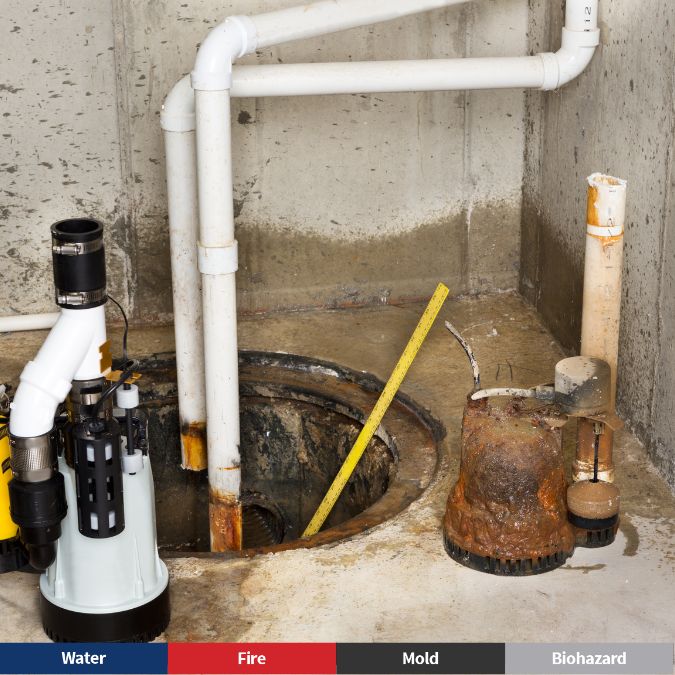
A sewer backup is one of the most hazardous types of water damage a homeowner can face. When sewage enters your home, it brings contaminated water filled with bacteria, viruses, and toxic pollutants that can threaten both your health and your property. Emergency sewer backup cleanup is important because sewage water is classified as Category 3 “black water,” it requires immediate action and professional cleanup to prevent serious structural damage and microbial contamination.
For homeowners experiencing a sewer backup, the first 24 hours are critical. Taking the right steps quickly can reduce property damage, limit health risks, and help restoration professionals clean and restore your home more efficiently.
This guide explains exactly what to do during the first 24 hours after a sewer backup so you can protect your home and your family.
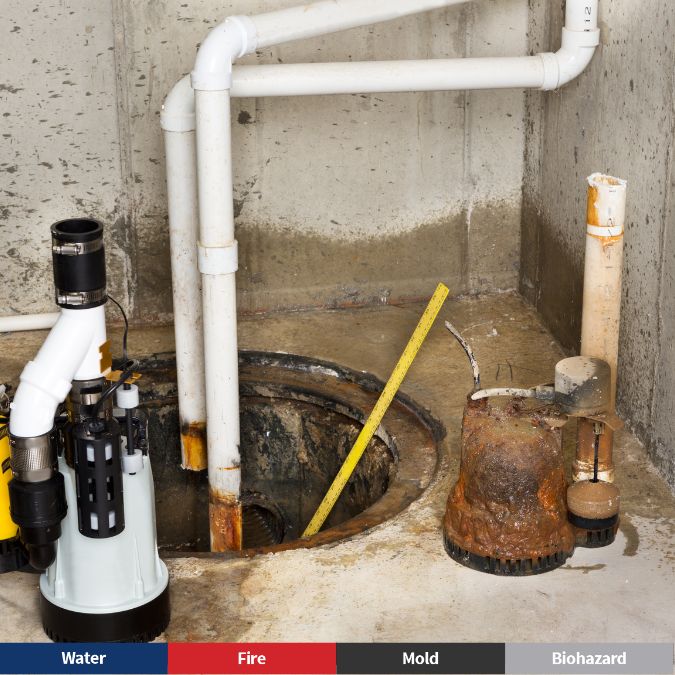
Understanding Why Sewer Backups Are Dangerous
Before addressing cleanup steps, it’s important to understand why sewage contamination is so dangerous.
Sewer water contains a mixture of wastewater, chemicals, and microorganisms that can spread rapidly through porous building materials like carpet, drywall, insulation, and wood flooring. Once these materials absorb contaminated water, bacteria and mold can begin growing within 24–48 hours.
Common contaminants found in sewage include:
- E. coli
- Salmonella
- Hepatitis A virus
- Parasites and harmful fungi
- Toxic chemicals and heavy metals
Exposure to these contaminants can cause serious illness, especially for children, elderly individuals, and people with weakened immune systems.
Because of these risks, sewer backups should always be treated as a hazardous environmental contamination event rather than a simple water leak.
The First 24 Hours After a Sewer Backup
Taking the right actions during the first day after a sewer backup can significantly reduce damage and health risks.
Below is a step-by-step guide to help homeowners respond safely and effectively.
Step 1: Stay Away From Contaminated Water
The first and most important step is to avoid direct contact with the sewage water.
Sewage contains harmful bacteria and pathogens that can enter the body through:
- Open cuts or wounds
- Eyes, nose, or mouth
- Contaminated surfaces
If sewage water has entered your basement or lower level, keep everyone out of the affected area.
Children and pets should never enter contaminated areas.
If you must briefly enter the area to inspect the damage, wear:
- Rubber gloves
- Waterproof boots
- A face mask
However, prolonged exposure should be avoided until professionals arrive.
Step 2: Stop Using Plumbing Fixtures Immediately
Once you notice a sewer backup, stop using all plumbing fixtures in your home.
Running water through sinks, toilets, washing machines, or dishwashers may worsen the backup by adding additional wastewater to an already blocked sewer line.
If the blockage is severe, using plumbing fixtures can cause more sewage to overflow into your home.
Shutting down water use reduces pressure in the plumbing system and may help prevent further contamination.
Step 3: Turn Off Electricity in Affected Areas
Water and electricity create serious safety hazards.
If sewage water has reached electrical outlets, appliances, or wiring, turning off electricity to the affected area is critical.
Only shut off power if it can be done safely from a dry location, such as the circuit breaker panel.
Never walk through standing water to reach electrical equipment.
If you are unsure whether the electrical system has been compromised, wait for professionals to inspect the property.
Step 4: Identify the Source of the Backup
Understanding where the sewage is coming from can help professionals address the issue quickly.
Common entry points include:
- Basement floor drains
- Toilets overflowing
- Bathtubs or showers backing up
- Utility sinks
- Washing machine drains
In many cases, sewer backups occur because of clogged sewer lines, tree root intrusion, or municipal sewer system overload during storms.
While homeowners should not attempt to fix the blockage themselves, identifying the source can provide helpful information for plumbers and restoration professionals.
Step 5: Ventilate the Area If Possible
Sewer backups often create strong, unpleasant odors caused by gases and bacteria in wastewater.
If it is safe to do so, open windows and doors near the affected area to increase airflow.
Ventilation helps reduce odors and may slow the buildup of harmful gases.
However, avoid using fans that blow air directly across contaminated water, as this may spread bacteria throughout the home.
Step 6: Document the Damage for Insurance
Before cleanup begins, it is important to document the damage thoroughly.
Take photos or videos showing:
- Standing sewage water
- Affected flooring or carpets
- Water-damaged walls or drywall
- Contaminated furniture or belongings
- Entry points where sewage entered the home
This documentation can help support your insurance claim for sewer backup damage.
Many restoration companies also assist homeowners with insurance documentation and claim filing.
Step 7: Remove Valuable Items From the Area
If it is safe and possible, remove valuable or sentimental items from the contaminated area.
Items that should be moved include:
- Electronics
- Important documents
- Furniture not yet contaminated
- Personal belongings
Avoid moving items that have already been contaminated by sewage water, as handling them can expose you to bacteria.
Professional restoration technicians will determine which materials can be safely cleaned and which must be discarded.
Step 8: Call a Professional Sewer Cleanup Company
Sewer backups require specialized equipment and professional sanitation procedures to ensure your home is properly cleaned and disinfected.
Professional restoration companies typically provide:
- Emergency sewage water extraction
- Removal of contaminated materials
- Deep sanitation and disinfection
- Structural drying and dehumidification
- Odor removal and air purification
Because bacteria spread quickly through building materials, calling professionals as soon as possible helps limit damage and speed up the restoration process.
Step 9: Avoid DIY Cleanup Attempts
Many homeowners attempt to clean sewage contamination themselves, but this can be extremely dangerous and often ineffective.
Household cleaning products and standard equipment are not designed to eliminate hazardous sewage contamination.
DIY cleanup may lead to:
- Hidden bacteria remaining in walls and flooring
- Mold growth within 24–48 hours
- Cross-contamination to other rooms
- Health risks from exposure to pathogens
Professional restoration companies use industrial disinfectants, protective equipment, and advanced drying technology to restore a safe indoor environment.
Step 10: Begin the Professional Restoration Process
Once professionals arrive, they will begin a structured cleanup and restoration process.
Inspection and Damage Assessment
Technicians inspect the affected area to determine the extent of contamination and identify materials that must be removed.
Sewage Water Extraction
Industrial pumps and extraction equipment remove standing sewage water quickly.
Removal of Contaminated Materials
Porous materials such as carpet, drywall, and insulation often must be removed to eliminate bacteria.
Cleaning and Disinfection
All surfaces are sanitized using EPA-approved antimicrobial solutions designed to kill harmful pathogens.
Structural Drying
Air movers and dehumidifiers remove moisture from floors, walls, and structural materials to prevent mold growth.
Odor Removal
Air scrubbers and deodorization treatments eliminate lingering sewage odors and restore indoor air quality.
What NOT to Do After a Sewer Backup
During the first 24 hours, homeowners should avoid actions that could worsen contamination.
Do NOT:
- Use household vacuums to remove sewage water
- Attempt to dry contaminated carpet or upholstery
- Use fans that may spread bacteria through the air
- Enter contaminated areas without protective gear
- Delay professional cleanup services
These mistakes can increase damage and prolong the restoration process.
How Long Does an emergency sewer backup cleanup take
The timeline for restoration depends on the severity of the contamination.
Typical cleanup timelines include:
- Minor backups: 2–3 days
- Moderate contamination: 3–7 days
- Severe structural damage: 1–2 weeks or longer
Professional drying and sanitation ensure the property is safe before reconstruction begins.
Preventing Future Sewer Backups
While not all sewer backups can be prevented, several steps can reduce your risk.
Homeowners can protect their property by:
- Installing a backwater valve to prevent sewage from reversing into the home
- Avoiding flushing wipes, grease, and other debris
- Scheduling regular sewer line inspections
- Maintaining sump pumps and drainage systems
- Addressing plumbing issues early
Preventative maintenance helps reduce the likelihood of future sewer emergencies.
A sewer backup is a serious emergency that requires immediate action. Contaminated water can spread bacteria, damage structural materials, and create dangerous living conditions if not handled properly.
Knowing what to do during the first 24 hours after a sewer backup can help minimize damage and protect your family’s health. The most important steps are avoiding contact with contaminated water, stopping plumbing use, documenting the damage, and contacting professional restoration experts as quickly as possible.
With the right response and professional cleanup, homeowners can safely restore their property and prevent long-term damage.