


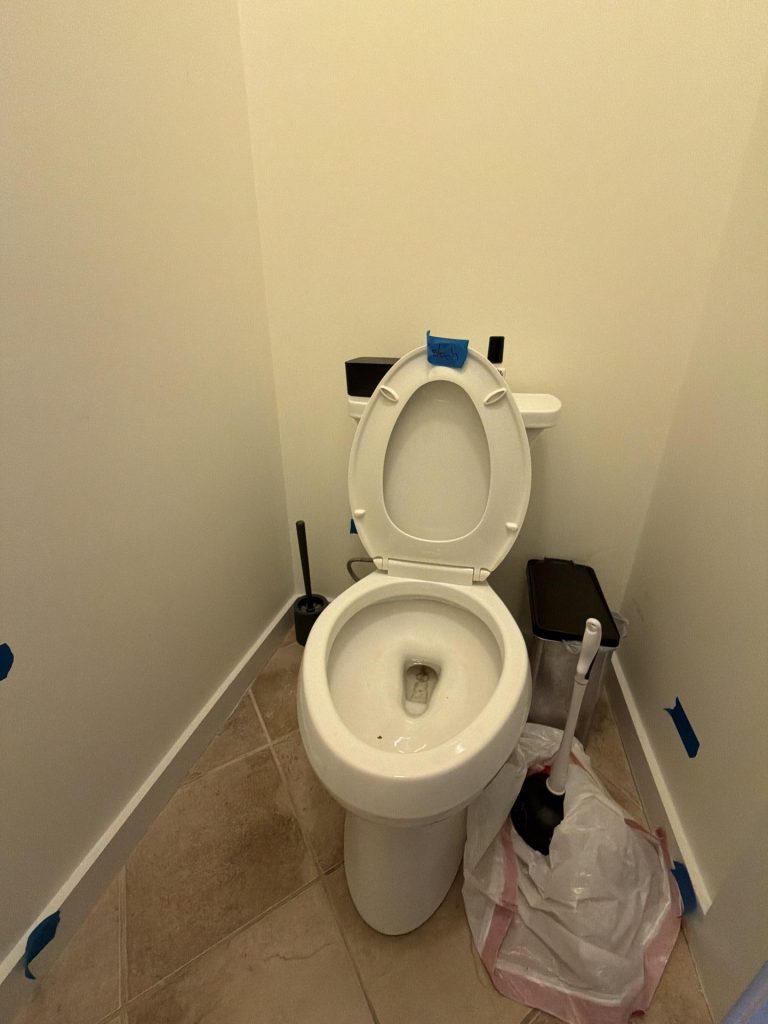
An emergency sewer backup is not just a plumbing problem. It is a Category 3 biohazard event that can endanger your health and severely damage your home within hours.
In Lawrenceville, heavy rains, aging sewer lines, tree root intrusion, and clogged main drains are common triggers. When the municipal line or your home’s main sewer pipe is blocked, wastewater reverses direction and enters your home through floor drains, toilets, showers, and tubs.
This water is black water—filled with bacteria, viruses, parasites, and toxic contaminants. Immediate professional action is critical.

Table of Contents
Why Sewer Backup Is So Dangerous
Unlike clean water leaks, sewage water contains:
- E. coli and harmful bacteria
- Viruses and parasites
- Human waste and organic contaminants
- Toxic gases and airborne pathogens
Within minutes, this contamination spreads across floors and into porous materials. Within hours, it penetrates drywall, insulation, cabinetry, and subflooring. Within 24–48 hours, mold growth can begin.
This is why DIY cleanup or delayed response creates long-term health and structural risks.
Common Causes of Sewer Backups in Lawrenceville Homes
Homeowners in Lawrenceville frequently experience sewer backups due to:
- Intense Georgia rainfall overwhelming city sewer systems
- Tree roots breaking into underground pipes
- Grease, wipes, and debris clogging main lines
- Collapsed or aging sewer pipes
- Septic system malfunctions
- Backwater valve failures
When the blockage occurs in the main line, wastewater has nowhere to go except back into the home.
What To Do Immediately During a Sewer Backup
Taking the right steps in the first few minutes can limit damage:
- Stop using all plumbing fixtures immediately
- Avoid contact with the contaminated water
- Turn off electricity to affected areas if safe
- Keep children and pets away
- Call for emergency professional sewage cleanup
Do not attempt to mop, shop-vac, or disinfect the area yourself.
How Sewage Water Damages Your Home
Sewage does not stay on the surface. It quickly soaks into:
- Drywall and insulation
- Hardwood, laminate, and carpet flooring
- Cabinets and baseboards
- Furniture and stored belongings
- HVAC systems and air ducts
Even if surfaces look clean later, dangerous contaminants remain embedded without professional remediation.
The Professional Sewage Cleanup Process
PuroClean of Lawrenceville follows strict biohazard remediation protocols to restore homes safely.
1) Containment and Safety Setup
Affected areas are sealed off to prevent cross-contamination to other parts of the home.
2) Extraction of Contaminated Water
Industrial pumps remove all standing sewage quickly.
3) Removal of Unsalvageable Materials
Carpet, padding, drywall, insulation, and porous materials are safely removed and disposed of.
4) Deep Cleaning and Hospital-Grade Disinfection
Antimicrobial treatments sanitize all structural surfaces.
5) Structural Drying and Moisture Detection
Commercial air movers and dehumidifiers remove hidden moisture from walls and flooring.
6) Air Scrubbing and Odor Removal
HEPA air scrubbers eliminate airborne pathogens and sewage odors.
7) Restoration and Rebuild
Once sanitized and dry, the restoration process begins to return the home to pre-loss condition.
Why Immediate Response Matters
Delaying sewage cleanup leads to:
- Rapid mold growth
- Severe structural deterioration
- Permanent odor contamination
- Increased health hazards
- Larger insurance claims and repair costs
Fast action significantly reduces the extent of damage.
Health Risks of Sewage Exposure
Exposure to sewage contamination can cause:
- Respiratory infections
- Skin infections and rashes
- Gastrointestinal illness
- Allergic reactions
- Long-term indoor air quality issues
Professional PPE, containment, and sanitation are required for safe cleanup.
Does Homeowners Insurance Cover Sewer Backup?
Many policies cover sewer backup only if you have a sewer or water backup endorsement. Proper documentation, moisture readings, and remediation reports from a professional restoration company are critical for successful claims.
While not all backups are preventable, homeowners can reduce risk by:
- Avoiding flushing wipes, paper towels, and grease
- Scheduling routine drain inspections
- Installing a backwater valve
- Trimming tree roots near sewer lines
- Maintaining septic systems regularly
Frequently Asked Questions About Emergency Sewer Backups
How long does sewage cleanup take?
Most projects take several days for removal, sanitation, and drying before restoration begins.
Can anything be saved after a sewer backup?
Non-porous items can often be disinfected. Porous materials usually must be discarded.
Will the sewage smell go away on its own?
No. Professional deodorization and air scrubbing are required to remove embedded odors.
Is it safe to stay in the house?
It’s safest to avoid affected areas due to airborne contaminants.
Why can’t I use bleach to clean it myself?
Bleach cannot penetrate porous materials or neutralize all pathogens in black water.
An emergency sewer backup is a serious biohazard situation that demands expert cleanup, sanitation, and restoration. What looks like a dirty water problem is actually a deep contamination event affecting your home’s structure and your family’s health.